As someone who tends to be weary of cosmetic products because many contain toxic ingredients and fragrances, I am always looking for ways to swap more natural products into my lifestyle. Recently, beef tallow balm and lotion have been trending online as a natural alternative.
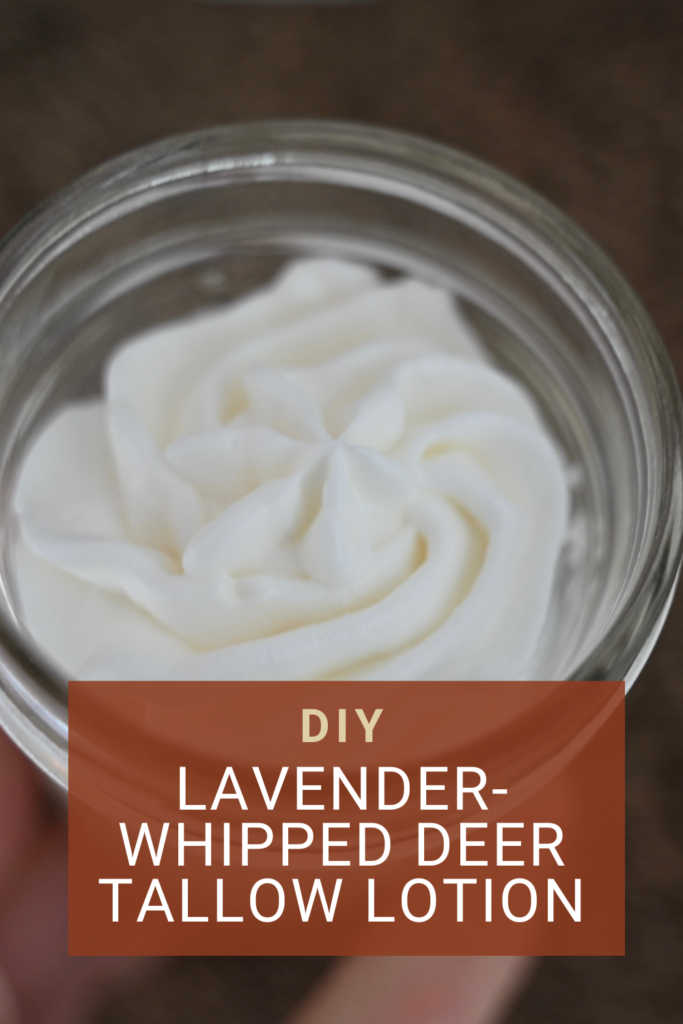
Figuring it would be possible to make a lotion out of deer fat, I started experimenting. After some trial and error, my final product yielded a lotion that rivals anything you can buy at the store. It was a relatively simple process, and it felt good to have utilized more of the harvested animal.
A Few Important Notes
It’s important that the fat you use hasn’t been exposed to air which will make it go rancid. In my case, the whitetail doe I used had been hanging with the hide-on for an evening which protected the fat. Once the fat is removed, it needs to be covered and placed in the refrigerator until rendering.
How to Harvest Deer Fat
There are a few different kinds of fat on a deer. For this, we will not be using any of the fat found inside the body cavity. Instead, use a sharp knife to remove the fat found between the hide and the muscle of the deer. Be cautious to not harvest any glands as they will taint your product. You will find the most fat along the hindquarters. Again, it’s important to get the fat in the refrigerator as quickly as possible.
How to Render Deer Fat Into Lotion
To make lotion, your fat will need to be melted down into a liquid in a process called rendering. Rendering removes impurities such as dirt from the fat. Rendered fat is referred to as tallow.
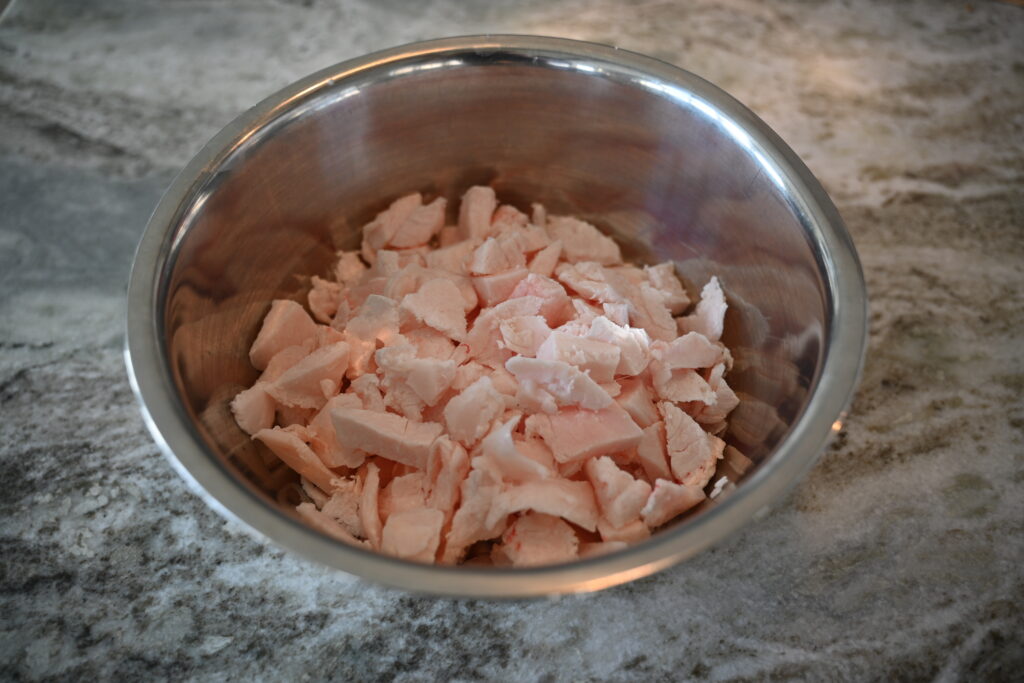
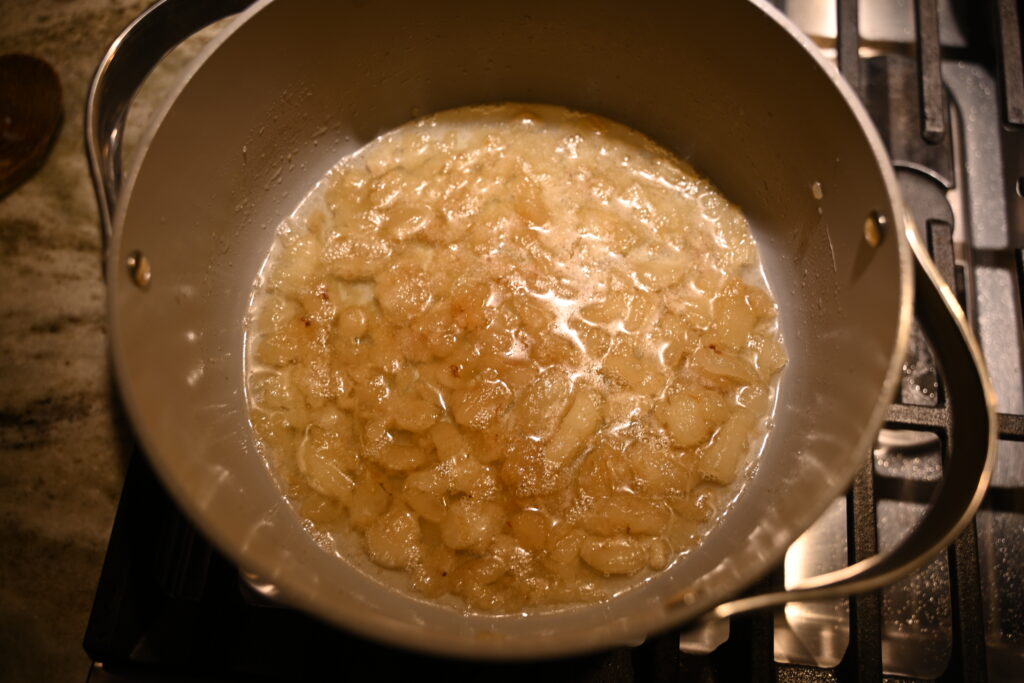
Start with clean fat that is free of hair, debris, and meat. Cut it up into small chunks, and place it into a pot with some water. I used roughly around a cup. Place it on very low heat. I went as low as my stove could go and left it for about 6 hours, stirring occasionally.
After my initial rendering was complete, I strained my tallow through cheesecloth and a strainer into a bowl. I then added a few cups of water to the bowl. The purpose of this is that the tallow will separate from the water and any impurities that were not strained out will be left behind in the water. I left this covered in the fridge overnight.
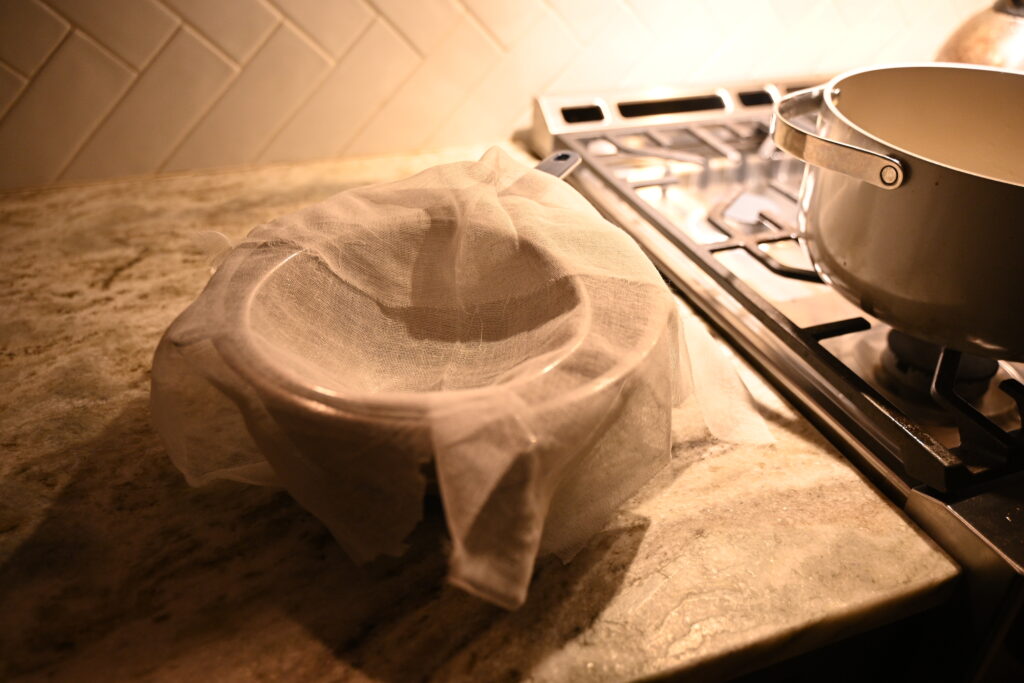
The next step was to do another rendering of the tallow. I removed the block of tallow from the bowl and put it back in the pan with some water. This time I added a generous amount of salt and a little bit of baking soda to purify and deodorize the tallow further. After it simmered on low for a few hours, I poured it back into a bowl and added water. Then it went back to the fridge.
After the tallow had separated from the water and hardened into a block again, I placed it in a metal bowl and sat the bowl in a bath of hot water. I chose to use indirect heat to ensure the tallow didn’t burn along the pan. You don’t want to add any more water to your tallow at this point. As the tallow melted down I added in some coconut oil, about half a cup’s worth but feel free to use more or less.
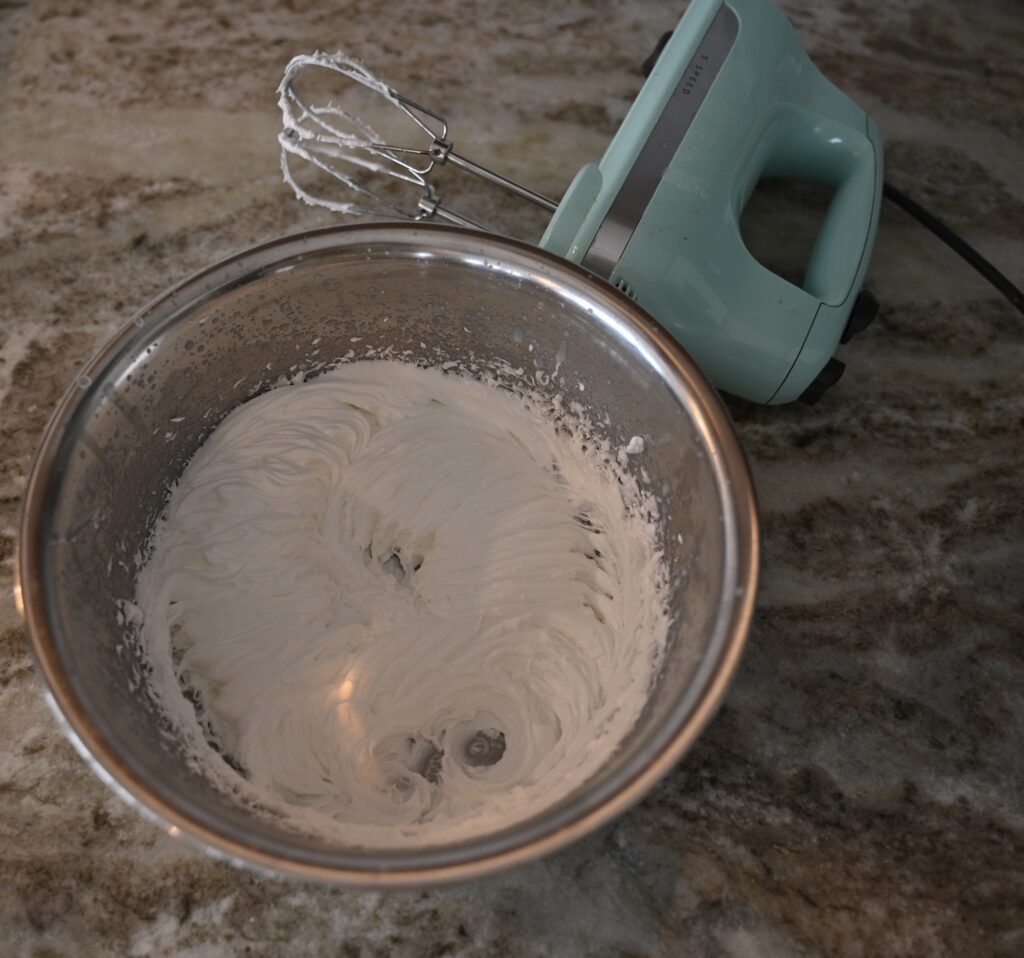
After the mixture was fully melted, I set it on the counter to cool. Once it had cooled enough that it had just begun to harden and turn white, I added around 40 drops of lavender essential oil and whipped it all together with a hand mixture until it was smooth and fluffy.
Storing Deer Tallow Lotion
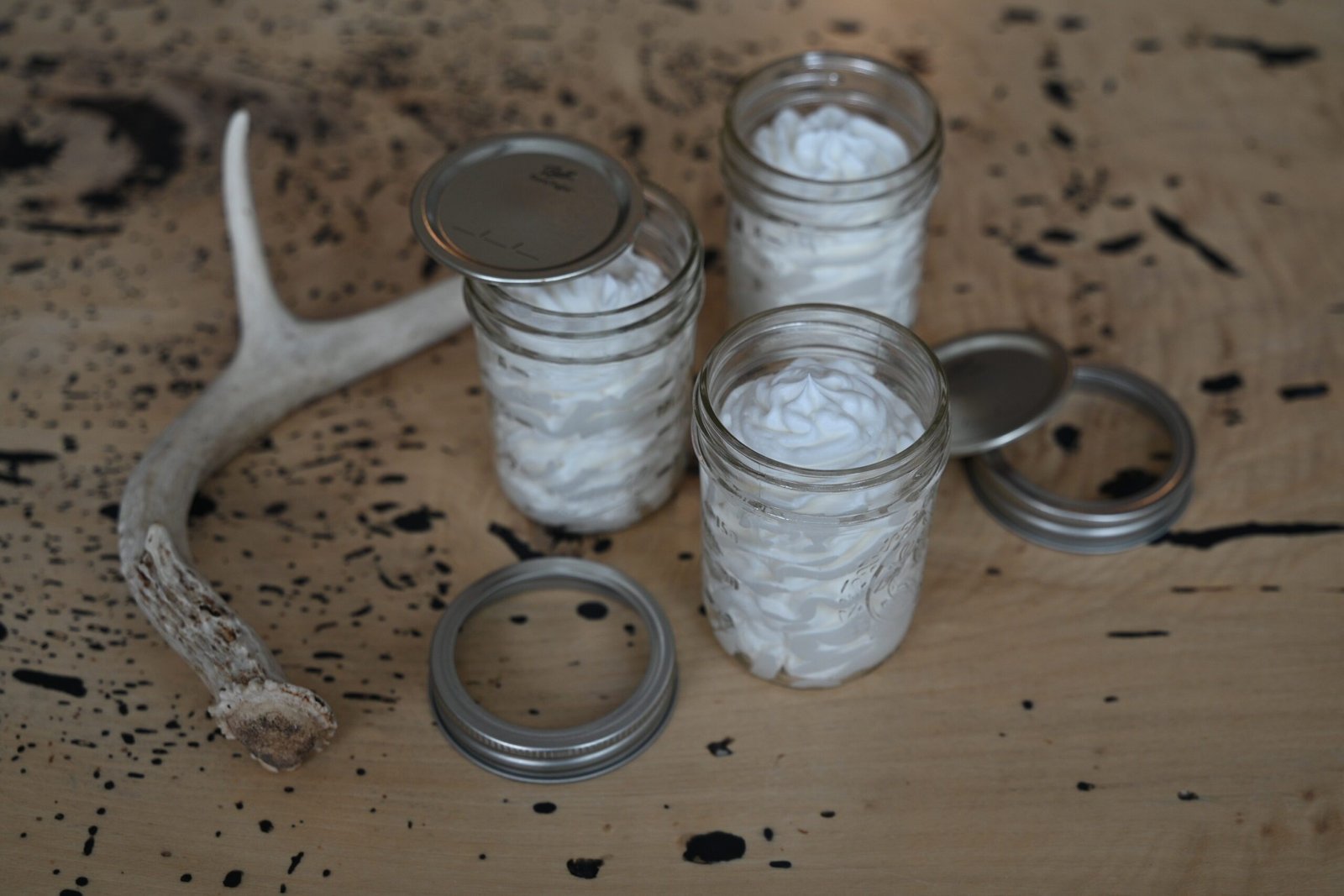
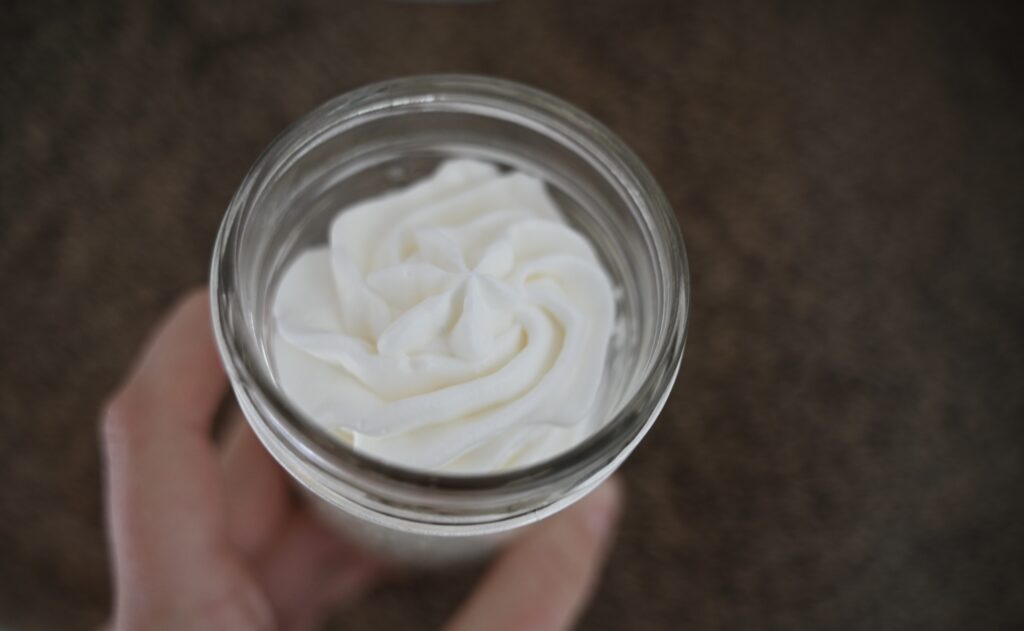
For aesthetics, I spooned my lotion into frosting piping bags and piped the lotion into mason jars. It’s shelf stable for about a year but you can store it in the fridge to extend its life.
The next time you go to chuck the fat on your deer, consider whipping up a batch of this lotion instead. Depending on how much fat you render, you may end up with a few extra jars which can be shared with friends and family!
FAQ’s for DIY Lavender-Whipped Deer Tallow Lotion
What is deer tallow lotion?
Deer tallow lotion is a natural moisturizer made from rendered deer fat, also called tallow. Rendered venison fat can be transformed into a soft whipped lotion using ingredients like coconut oil and lavender essential oil.
Is deer tallow good for your skin?
Many people use tallow-based skincare because it’s rich, moisturizing, and made from natural fats. Using deer tallow as an alternative to heavily fragranced commercial lotions.
Does deer tallow lotion smell bad?
Not if it’s rendered properly.
- Use fresh fat
- Remove impurities carefully
- Multiple renderings
- Add salt and baking soda during purification
- Lavender essential oil for scent
Improperly rendered fat is usually what causes odor problems.
What kind of deer fat do you use for tallow lotion?
Use the fat located between the hide and muscle — especially around the hindquarters. It specifically warns against using internal cavity fat for lotion making.
Can you make lotion from wild game animals?
Yes. Harvested deer fat can be repurposed into homemade skincare products instead of being discarded. Many hunters appreciate using more parts of the animal whenever possible.
What does “rendering fat” mean?
Rendering is the process of slowly melting animal fat down into liquid form to separate pure fat from impurities like:
- Dirt
- Hair
- Tissue
- Debris
- Moisture
Once purified, the rendered fat becomes tallow.
How long does it take to render deer fat?
A slow rendering process takes roughly:
- 6 hours for the initial render
- Additional purification and cooling time overnight
- A second rendering process afterward
Proper rendering takes patience if you want cleaner, less odorous tallow.
Why does the article use lavender essential oil?
Lavender oil adds a cleaner scent while helping mask any remaining natural tallow smell. Use roughly 40 drops during the whipping process.
Can you use other essential oils besides lavender?
Yes. Many people customize homemade tallow lotion with oils like:
- Cedarwood
- Peppermint
- Eucalyptus
- Vanilla
- Orange
- Rosemary
Why add coconut oil to deer tallow lotion?
The coconut oil helps soften the texture and create a smoother whipped consistency.
How do you make whipped tallow lotion fluffy?
Once the tallow mixture partially cools and starts turning white, it’s whipped using a hand mixer until smooth and airy.
How long does homemade deer tallow lotion last?
The lotion is shelf-stable for about one year, though refrigeration can extend its lifespan further.
Should deer fat be refrigerated before rendering?
Absolutely. Getting the fat refrigerated quickly after harvest to prevents spoilage and rancidity.
Why does exposed deer fat go rancid faster?
Exposure to:
- Air
- Heat
- Moisture
- Dirt
- Bacteria
can accelerate spoilage. Hide-on hanging helps protect the fat before processing.
Is deer tallow lotion difficult to make?
The process is relatively simple but time-intensive. Most of the work involves:
- Cleaning fat
- Slow rendering
- Straining impurities
- Waiting for separation and cooling
Why are people interested in tallow skincare products?
Many people are moving toward:
- Simpler ingredient lists
- Traditional skincare methods
- Homemade products
- Animal-based skincare
- Reduced synthetic fragrances
Can you use venison tallow lotion on sensitive skin?
Some people prefer tallow-based products because they avoid heavy synthetic additives and fragrances. However, skin sensitivity varies person to person, especially with essential oils.
What’s the difference between beef tallow and deer tallow?
Both are rendered animal fats, but deer tallow tends to be:
- Leaner
- Less common
- More connected to hunting culture and self-sufficiency
Beef tallow products are trending online as inspiration for experimenting with deer tallow.
Why do hunters make products from harvested animals?
Many hunters value using as much of the animal as possible:
- Meat
- Hide
- Bones
- Fat
- Antlers
The lotion project is another way to fully utilize a harvested deer.
Can homemade tallow lotion be given as gifts?
Yes. Pipe the finished lotion into mason jars for presentation and sharing extra jars with friends and family.
What’s the biggest mistake when making deer tallow lotion?
- Using spoiled fat
- Rushing the rendering process
- Not removing impurities thoroughly
- Allowing the tallow to overheat
Those mistakes usually affect smell, texture, and shelf life.
Why does this project appeal to outdoorswomen?
Because it combines:
- Hunting
- Self-sufficiency
- Traditional skills
- Natural living
- Full-animal utilization
- DIY creativity
How long does homemade deer tallow lotion last?
The lotion is shelf-stable for about one year when stored properly in sealed containers. Refrigerating the lotion can help extend its lifespan even longer.
Can you use deer tallow lotion on your face?
Many people do use tallow-based lotions on their face because they prefer simpler, animal-based skincare products with fewer synthetic ingredients. Since skin sensitivities vary, especially with essential oils like lavender, it’s smart to patch test first before applying it regularly to your face.
What ratio of coconut oil to deer tallow should you use?
Use approximately half a cup of coconut oil added to the rendered tallow, but you can adjust the amount depending on the consistency you want. More coconut oil creates a softer, creamier lotion, while less coconut oil keeps the final product firmer and more tallow-heavy.

Read More: Getting Crafty with a Coyote Skull Up-Do





7 thoughts on “DIY Lavender-Whipped Deer Tallow Lotion”