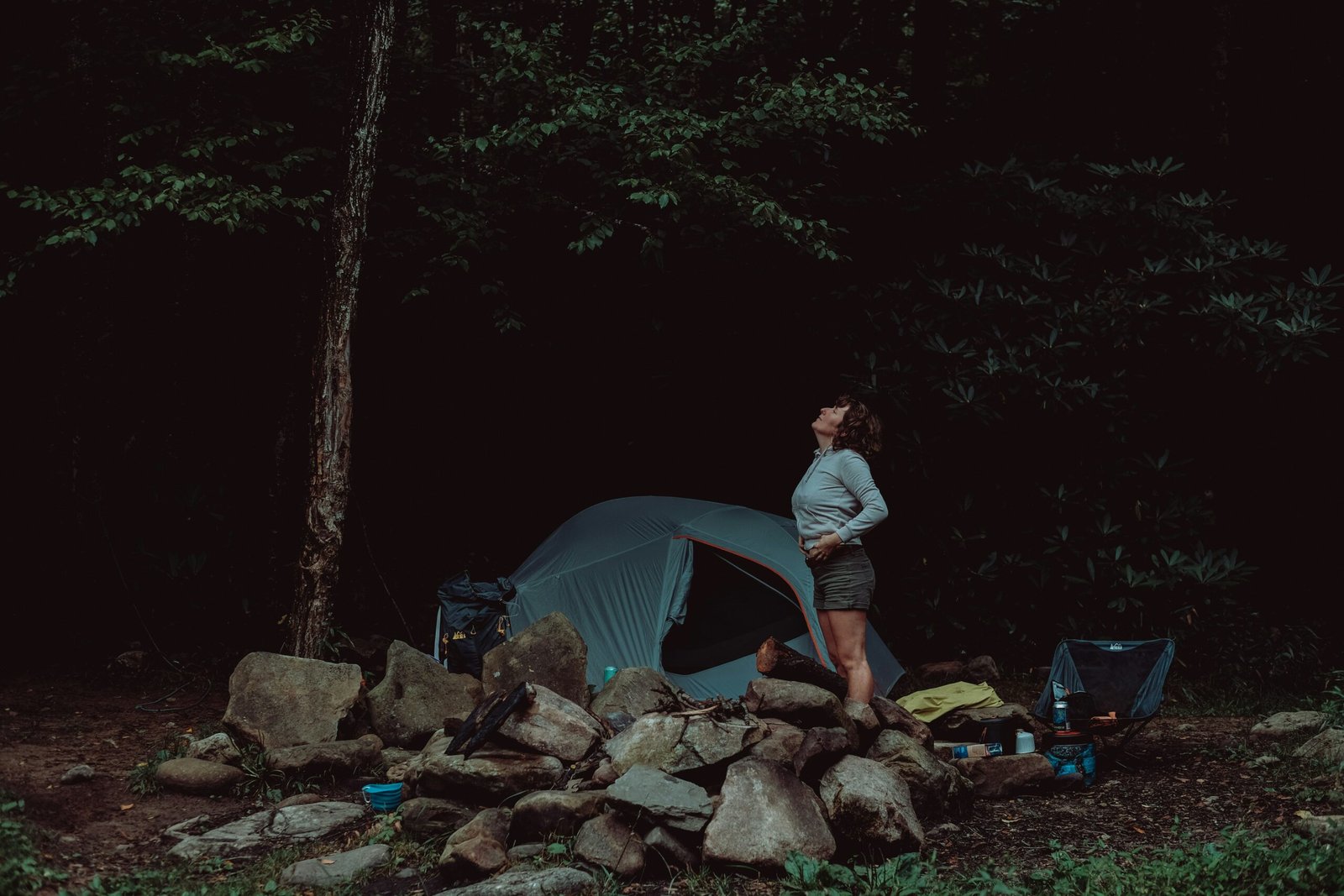
Many people move from screen to screen all day and wonder why their energy feels thin by afternoon. Stress stacks up quietly, and the body often responds with restless sleep, low mood, and a sense of being out of sync.
An outdoor lifestyle offers a different kind of reset—not as a quick fix, but as a pattern that reshapes daily rhythms. Time outside can reconnect attention, movement, and breathing in ways that support steadier energy and a calmer baseline, setting up the deeper benefits explored in the sections below.
How Outdoor Living Supports the Four Pillars of Wellness
Holistic wellness often rests on four pillars: nutrition, physical activity, sleep, and mental health. Outdoor living stands out because a single habit—spending time outside—can influence each pillar in the same afternoon.
Nutrition benefits emerge when outdoor time makes meals feel more intentional, whether people pack balanced snacks or slow down enough to notice hunger cues. Physical activity follows naturally, as walking, cycling, and yard work add movement without needing a formal workout.
Sleep often improves because daylight exposure and gentle exertion support a steadier schedule for many people. Mental health gains appear when quiet time in green spaces reduces mental clutter and creates a sense of perspective.
Outdoor settings can remove friction points, such as noisy gyms and constant notifications. The lower barrier helps people repeat the habit, and benefits tend to build over time.
The strength of this model is the overlap. When movement, light, and natural scenery happen together, the gains compound, supporting overall balance rather than a single metric. Later sections unpack specific mechanisms, from attention restoration to routines that make outdoor time easier, including practical considerations like weather-ready layers such as a Patagonia coat.
Mental Health Benefits of Time in Nature
Spending time in green spaces often shifts the body out of fight-or-flight mode. A growing body of research suggests that regular nature exposure is associated with lower cortisol, which can translate into less anxiety and steadier emotional regulation for many people.
Those stress changes matter because mood follows physiology. When the stress response settles, many people report better stress relief, fewer rumination loops, and an easier time maintaining routines that protect mental health. Over time, that pattern can support fewer or milder depression symptoms for some individuals.
Common mental health gains people notice include a calmer baseline after work or school, improved patience and social ease when irritability fades, and more restorative breaks that pair well with strategies that boost your energy naturally. These benefits often build with consistency.
How Nature Sounds Calm the Nervous System
Natural soundscapes add another layer of benefit. Birdsong, moving water, and wind in trees provide signals that can dampen the brain’s stress response and help breathing become slower and deeper.
Researchers studying sound environments have found that participants tend to feel less tense and more positive after listening to birdsong or other nature sounds. This effect strengthens when combined with time outdoors, suggesting measurable improvements in perceived stress and mood both in the short term and afterward.
Physical Health Gains from Regular Outdoor Activity
Regular outdoor movement tends to raise the heart rate in a steady, manageable way. Over time, that supports cardiovascular health and may help keep blood pressure in a healthier range. Brisk walks, cycling, and active chores keep joints moving and circulation steady.
Outdoor activity naturally adds variety, such as gentle slopes, wind, and changes in pace. Many people find the effort feels lighter outside than on a treadmill, which supports consistency over the long term.
Common physical gains that build with repeat sessions include better stamina for daily tasks as the heart and lungs adapt, stronger leg and core stability from walking on mixed surfaces, and less perceived strain because scenery and fresh air reduce workout boredom.
Sunlight, Vitamin D, and Your Immune System
Sunlight exposure can trigger vitamin D synthesis in the skin. UVB light starts a conversion that the body later processes into an active form.
Vitamin D helps regulate immune system activity, including how certain immune cells signal and respond. Studies often associate low vitamin D levels with higher risk of some infections, although personal factors still matter.
Because sunscreen use, skin tone, latitude, and diet influence vitamin D status, outdoor time is only one piece of the picture. Still, pairing movement with light can support multiple physical systems at once.
Forest Bathing and the Science of Immune Boosting
Forest bathing, or shinrin-yoku, began in Japan as a deliberate practice of moving slowly through wooded areas. Participants pay attention to scent, sound, light, and breath. Rather than exercising for speed, they linger, notice details, and let the environment set the pace. The goal is presence, not performance.
Researchers often point to phytoncides, which are natural compounds that trees release into the air. According to research on forest bathing and immune function published in the National Library of Medicine, forest air exposure relates to changes in immune markers. The paper describes increased natural killer cell activity, which is part of the immune system that helps identify infected or abnormal cells. It also notes that responses vary among individuals.
To practice forest bathing in a practical, low-pressure way, people can start by choosing a tree-rich park or trail and leaving the phone silent. Walking at an easy pace while pausing to observe textures, patterns, and distant sounds helps establish the right mindset. Breathing through the nose for a few minutes and noticing scents without forcing them deepens the experience. Sitting briefly before returning slowly allows attention to widen again.
Short sessions are often enough to feel refreshed afterward for many people, and repeating weekly helps the practice become familiar over time.
Better Sleep Through Natural Light Exposure
The body runs on a 24-hour internal clock called the circadian rhythm, and light is its strongest timekeeper. When the eyes detect morning brightness, the brain receives a signal that daytime has started, helping align alertness, temperature, and appetite with the day.
That early light also influences when melatonin, the hormone that supports sleepiness, begins rising later in the evening. Consistent morning sunlight exposure tends to shift melatonin production earlier and reduces the likelihood of a delayed bedtime for many people.
When timing stays stable, sleep cycles often become more consolidated. People may spend more time in deeper stages and wake less often, which can feel like more restorative sleep even when total hours do not change.
Outdoor routines make these cues easier to capture. A walk, yard work, or commuting on foot provides stronger, broader-spectrum light than most indoor lighting, and it pairs naturally with other healthier lifestyle choices that support recovery. By contrast, late-night screens and dim daytime interiors can blur day-night boundaries and leave the clock drifting. Over weeks, however, patterns often feel steadier overall.
Cognitive Benefits and Sharper Focus
Nature can restore attention in a way indoor breaks often cannot. After hours of directed focus, the brain works harder to filter noise, and attention fatigue shows up as careless errors or irritability. Green spaces offer relief because they ask for less effortful control, giving cognitive function room to reset.
Researchers describe this as soft fascination: leaves moving, birds calling, and changing light hold interest without demanding it. Even a 10-minute walk or a quiet bench break can refresh working memory and make tasks feel less sticky afterward. Over time, repeating these small resets can make long work blocks feel more manageable.
Common cognitive payoffs people notice include sharper focus when returning to reading, planning, or study, as well as more flexible thinking that supports creativity and problem-solving. A steadier mood also emerges, where mental health benefits make concentration easier to sustain.
Building Your Outdoor Lifestyle for Lasting Balance
Outdoor time works best as a steady thread because the same walk can support movement, clearer mood, better sleep timing, and more mindful eating. When these pillars reinforce each other, energy feels less like a daily gamble and more like a reliable rhythm.
Lasting balance usually comes from small, repeatable choices. People can start with brief daylight breaks, a short after-dinner stroll, or weekends in a nearby park, then build from there. The outdoors is available in many forms, from sidewalks to trails, making a sustainable routine realistic for most schedules.
This post was guest-written by Ray Tan. Ran Tan is a wellness writer who explores the intersection of nature, daily routines, and sustainable health habits. When not researching the science behind outdoor living, he can be found testing forest trails or optimizing his morning sunlight exposure.