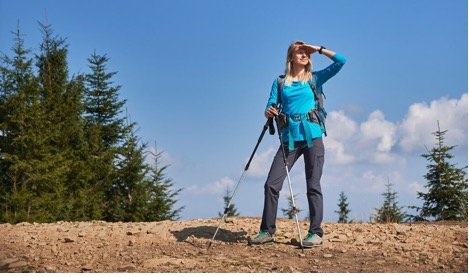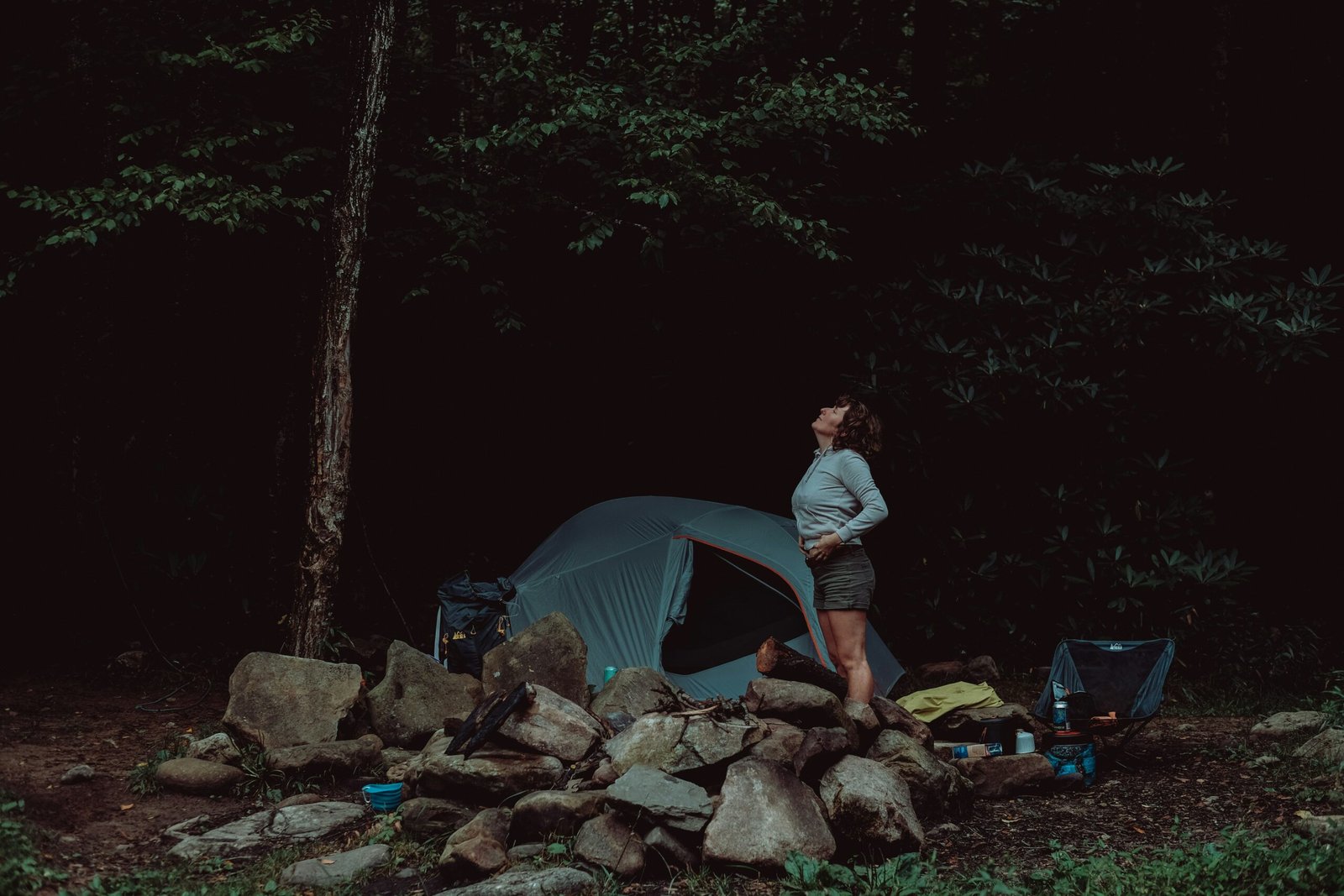
There’s a particular kind of clarity that only comes from being outdoors. It might arrive halfway up a steep trail, in the quiet stillness of early morning camp, or during a long stretch where it’s just you, your breath, and the rhythm of your steps.
For many women, outdoor adventure is a way to reconnect, reset, and build confidence. But thriving outdoors starts with how you take care of yourself along the way. It comes from understanding how to support your body and mind in environments that are often unpredictable.
From fueling properly to staying mentally sharp, here’s how to take care of yourself so you can enjoy every moment outside.
Fuel Your Body Like You Mean It
When you’re hiking, climbing, or exploring, your body is working harder than you think. Undereating is one of the most common mistakes outdoor enthusiasts make, and it can quickly lead to fatigue, poor decision-making, and even injury.
Women, in particular, tend to burn energy differently. Research shows we rely more on fat as a fuel source during endurance activities, which makes consistent nutrition even more important.
Instead of relying on one big meal, think in terms of steady intake:
- Snack every couple of hours
- Combine carbs with protein and healthy fats
- Pack food you actually enjoy eating
Early in your planning, it’s worth looking into evidence-based wellness resources like fenixhealthscience.com to better understand how nutrition and recovery can support sustained energy outdoors. When your energy dips, everything feels harder, physically and mentally.
Hydration Isn’t Optional (Even When It’s Cold)
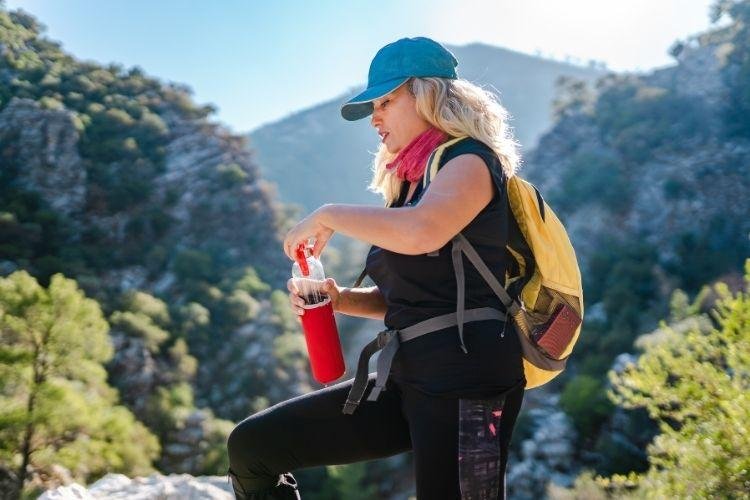
It’s easy to underestimate how much water you need outside, especially in cooler weather when you don’t feel as thirsty. But dehydration can creep up quickly and affect everything from your focus to your coordination.
Even mild dehydration has been shown to reduce endurance and cognitive performance, which matters more than ever when you’re navigating unfamiliar terrain.
A few simple habits make a big difference:
- Start hydrating before you head out
- Sip consistently rather than waiting until you’re thirsty
- Add electrolytes on longer or more intense outings
And a quick check? Your urine should be light in color. Anything darker is a sign to drink more.
Work With Your Body, Not Against It
Your energy levels shift throughout your cycle. Learning how to work with those changes instead of against them can make outdoor experiences feel significantly better.
Exercise physiologist Dr. Stacy Sims puts it simply:
“Women are not small men. Our physiology is different, and training and nutrition should reflect that.”
You might notice:
- Higher energy and strength after your period
- More fatigue or sluggishness before it
This just means you may need to adjust your expectations. On lower-energy days, you may need more fuel, more hydration, and a slightly slower pace. Listening to your body out there is awareness.
Build Strength Before You Need It
Nature doesn’t come with even surfaces or predictable footing. One misstep on a rocky descent or uneven trail can lead to injury, especially if your body isn’t prepared.
Strength training helps you develop resilience.
Focus on:
- Core strength for balance
- Glutes and legs for power and stability
- Ankles for better control on uneven ground
Even a short, consistent routine can reduce your risk of injury and make challenging terrain feel more manageable.
Stay Mentally Sharp When It Counts
When you’re tired, hungry, or dehydrated, your brain doesn’t function at its best. That’s when small mistakes happen: missed trail markers, poor decisions, slower reaction times.
Outdoor endurance athlete Jennifer Pharr Davis highlights this clearly:
“The biggest mistakes in the backcountry often happen when people are tired, hungry, or rushing.”
To stay focused:
- Take intentional breaks
- Keep your energy levels steady with snacks
- Pause when you feel overwhelmed instead of pushing through
Clarity comes from pacing yourself, not rushing the experience.
Don’t Neglect Sleep and Recovery
Sleeping outdoors isn’t always easy. New environments, temperature changes, and unfamiliar sounds can all affect how well you rest.
Poor sleep impacts your mood, coordination, and physical performance the next day.
Set yourself up for better rest:
- Use a proper sleeping pad for insulation
- Dress in layers so you can adjust easily
- Wind down properly before bed instead of scrolling or overstimulating yourself
And when you wake up, give your body time to reset. Hydrate, stretch, and ease into the day.
Safety Is Part of Wellness
Feeling strong and capable outdoors also means feeling safe.
While adventure should feel freeing, preparation is what allows that freedom to exist.
A few non-negotiables:
- Share your location or itinerary with someone
- Carry essentials like a headlamp, whistle, and navigation tools
- Trust your instinct if something feels off
Preparation helps you build confidence.
Support Your Gut and Immune System
Travel, different foods, and physical stress can all impact digestion. And when your gut feels off, your entire experience can suffer.
A healthy gut supports:
- Energy levels
- Nutrient absorption
- Immune resilience
Stick to foods you know work for you, stay hydrated, and avoid drastic diet changes right before or during a trip. It’s not the place to experiment with something new that might not agree with you.
Protect Your Skin and Energy from the Elements
Sun, wind, and cold exposure can wear you down faster than you expect.
Protecting yourself isn’t just about comfort. It’s about maintaining energy and avoiding unnecessary strain.
Pack and use:
- SPF 30+ sunscreen
- Sunglasses with UV protection
- Lip balm and moisturiser
- Breathable, moisture-wicking layers
Small things like sunburn or chafing can quickly turn a great trip into an uncomfortable one.
Confidence Comes With Experience
The more time you spend outdoors, the more capable you feel. But confidence doesn’t appear overnight.
It builds gradually:
- Through preparation
- Through small wins
- Through learning from experience
Surrounding yourself with other women in outdoor spaces can also make a huge difference. Whether it’s hiking groups, courses, or online communities, shared experiences help build both skills and confidence.
Conclusion
Staying sharp in the wild comes down to awareness, smart decisions, and knowing how to support your body so you can keep going.
When you fuel properly, stay hydrated, respect your body’s rhythms, and prioritize both safety and recovery, the outdoors becomes more than just a challenge. It becomes a space where you feel strong, clear, and fully present.
References
- American College of Sports Medicine – Nutrition and Athletic Performance
- Journal of Strength and Conditioning Research – Hydration and Cognitive Function
- Sports Medicine – Injury Prevention in Female Athletes
- Frontiers in Immunology – Gut Health and Immune Response
- Sims, S. (2016). ROAR: How to Match Your Food and Fitness to Your Unique Female Physiology