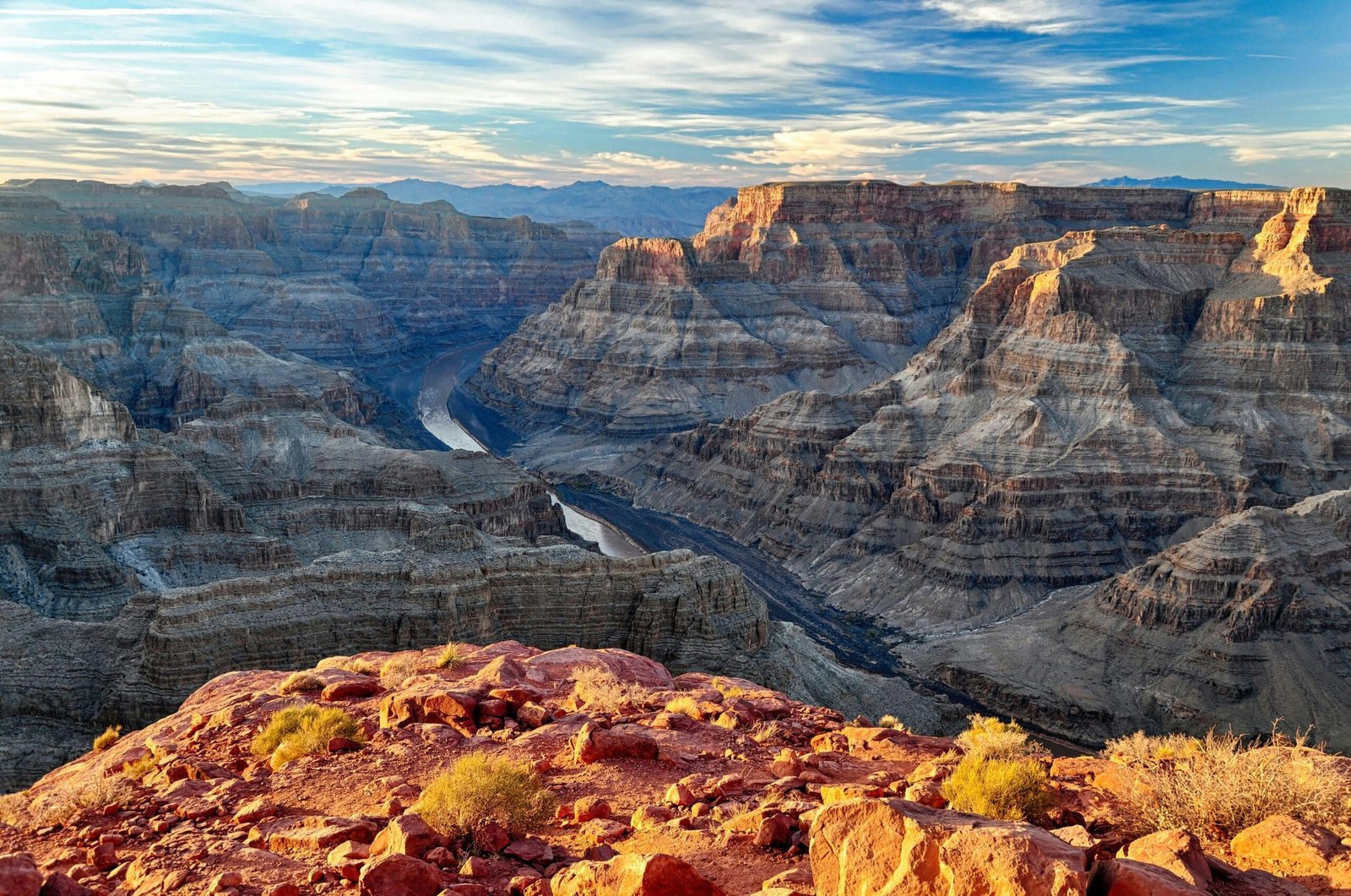
The Grand Canyon stands as one of nature’s most magnificent masterpieces, drawing millions of visitors each year who come to witness its breathtaking beauty. However, the experience you’ll have at this natural wonder can vary dramatically depending on when you choose to visit. Understanding the seasonal patterns, weather conditions, and crowd levels will help you plan the perfect trip to maximize both comfort and spectacular views.
Spring Brings Mild Weather and Wildflowers
Spring, particularly April and May, offers some of the most pleasant conditions for exploring the Grand Canyon. Temperatures on the South Rim typically range from the mid-50s to low 70s Fahrenheit, making it comfortable for hiking and sightseeing without the extreme heat of summer.
This season also brings a special bonus: wildflowers begin blooming throughout the canyon, adding splashes of color to the already stunning landscape. The North Rim remains closed until mid-May due to snow, but the South Rim is fully accessible and less crowded than summer months.
One consideration for spring visitors is the possibility of occasional rain showers and lingering snow at higher elevations. Pack layers and be prepared for variable conditions, especially if you’re planning early morning or evening viewings.
Summer Offers Long Days but Heavy Crowds
Summer is the peak season at the Grand Canyon, and for good reason. The long daylight hours give you maximum time to explore, and all facilities, trails, and viewpoints are fully operational. Both the North and South Rims are accessible, giving you more options for experiencing different perspectives of the canyon.
However, summer comes with significant drawbacks. Temperatures on the South Rim can reach the 80s, while inside the canyon, temperatures often exceed 100 degrees Fahrenheit. The heat can be dangerous for hikers, particularly those attempting to reach the canyon floor.
Crowds are another major consideration. July and August see the highest visitor numbers, which means packed viewpoints, full parking lots, and long waits for shuttle buses. If you’re considering Grand Canyon tours during summer, book well in advance and arrive at popular spots early in the morning or late in the afternoon.
Fall Provides the Perfect Balance
September through November might just be the ideal time to visit the Grand Canyon. The summer crowds have thinned considerably, yet the weather remains generally pleasant with daytime temperatures ranging from the 60s to 70s in early fall.
The autumn colors add another dimension to the canyon’s beauty, with golden aspens and changing foliage creating stunning contrasts against the red rock walls. Photography enthusiasts particularly appreciate the crisp air and clear skies that fall typically brings.
By late November, winter weather begins to arrive, and the North Rim closes for the season. However, the South Rim remains open year-round, and early fall visitors can still enjoy access to both rims with far fewer people competing for the best views.
Winter Reveals a Magical Transformation
Winter at the Grand Canyon is a completely different experience that many visitors overlook. Snow-dusted canyon walls create a magical landscape that few people get to witness. The South Rim averages about 60 inches of snow annually, transforming the scenery into a winter wonderland.
Crowds drop to their lowest levels from December through February, meaning you might have some viewpoints almost entirely to yourself. The clear, cold air often provides the sharpest visibility, offering views that extend for miles.
The trade-offs include cold temperatures, with highs often in the 40s and lows below freezing. Some facilities operate on reduced schedules, and icy conditions can make rim trails treacherous. However, for those willing to bundle up, winter offers an intimate and serene Grand Canyon experience.
Understanding Sunrise and Sunset Timing
The quality of light dramatically affects your Grand Canyon experience, and this varies throughout the year. Summer offers sunrise as early as 5:15 AM and sunset as late as 7:45 PM, giving you flexibility in planning your viewing times.
Winter days are much shorter, with sunrise around 7:30 AM and sunset by 5:30 PM. However, the lower angle of winter sun often creates more dramatic lighting and shadows that enhance the canyon’s depth and texture.
Plan to arrive at viewpoints at least 30 minutes before sunrise or sunset to secure a good spot and watch the changing light gradually reveal the canyon’s layers.
Making Your Final Decision
The best time to visit the Grand Canyon ultimately depends on your priorities. If you want the most comfortable weather and don’t mind crowds, aim for May or September. For solitude and unique winter scenery, brave the cold months. Summer works well if you need school vacation timing and can handle heat and crowds.
Whatever season you choose, the Grand Canyon will deliver an unforgettable experience. By aligning your visit with your preferences for weather, crowds, and activities, you’ll create memories that last a lifetime at this extraordinary natural wonder.