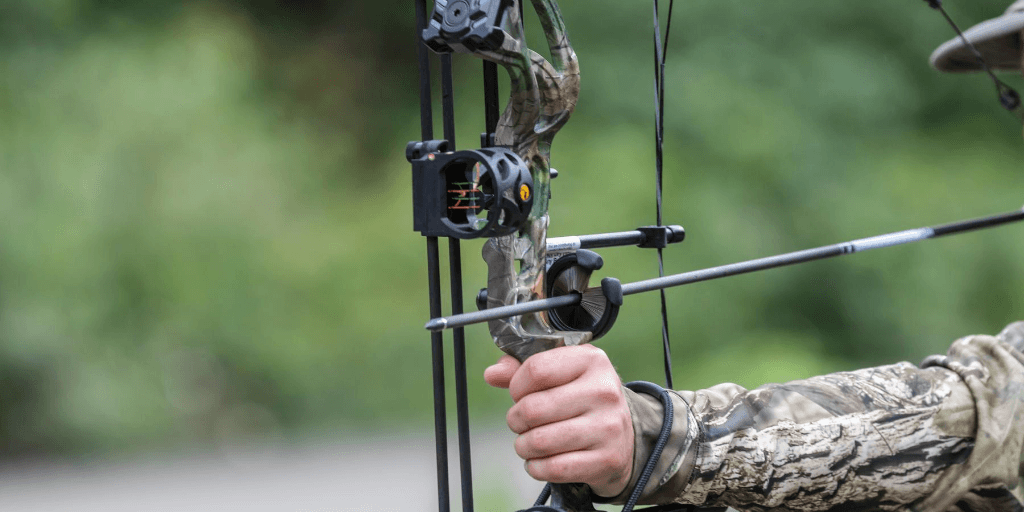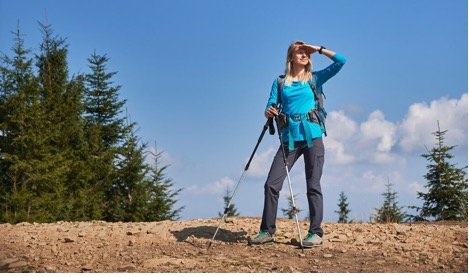
Embracing the wild requires more than just a sense of wonder and a map. For every woman ready to step into the woods or onto the water, having the right equipment ensures safety and enhances the overall experience of the hunt or the hike.
Modern outdoor technology has evolved to provide durable and lightweight tools specifically designed for the female frame and unique needs. By investing in quality gear tailored for these pursuits, you empower yourself to focus on the skill of the sport and the beauty of the landscape around you.
Take a look at these essential picks to help you feel confident and prepared for your next big journey into the great outdoors.

1. Compact Multi-Tool for Every Trip
A compact multi-tool is the unsung hero of beginner camping gear. While not glamorous, it earns a permanent spot in your pack by solving the small, frustrating problems that can derail a backcountry afternoon.
Modern multi-tools act as the quiet workhorses of your kit. They allow you to fix gear and maintain momentum without breaking your stride. Use them for:
- Gear Repairs: Tightening loose tent pole buckles or trimming frayed straps.
- Meal Prep: Opening stubborn dehydrated food packages.
- Quick Fixes: Handling minor adjustments to stoves or trekking poles.
Traditional multi-tools were often heavily overbuilt, leading to hand fatigue and difficulty for those with smaller grips. Today’s compact versions feature:
- Ergonomic Grips: Narrower handles for better control.
- Accessible Scaling: Designed to fit a wider range of hand sizes.
- Ease of Use: Smooth-opening blades that don’t require “white-knuckling.”
When selecting a dependable tool, prioritize these beginner-friendly specifications:
- Ultra-Lightweight: A frame weighing under 4 oz to minimize pack load.
- Durability: Stainless steel construction for weather and moisture resistance.
- Core Implements: Includes a knife blade, needle-nose pliers, scissors, and screwdriver bits.
- Safety & Access: Locking mechanisms for single-handed use and a sturdy belt clip or carabiner loop.
A well-designed multi-tool adds virtually nothing to your base weight and occupies almost zero space. A quality multi-tool is the one piece of outdoor gear that quietly upgrades every other item in your survival kit.
2. Tactical Air-Purifying Respirator Mask

Trail conditions shift without warning. A clear ridge can quickly be engulfed by fine dust or wildfire smoke. In these moments, a standard t-shirt or bandana offers virtually no protection against tightening throats and watering eyes.
An Air-Purifying Respirator (APR) is engineered to filter out airborne particles, dust, and environmental vapors before they reach your lungs. Unlike basic cloth masks, a well-constructed APR features:
- Silicone/Rubber Matrix: Creates a reliable, airtight seal around the face.
- Specialized Filters: Rated to catch fine particulate matter, allowing you to maintain your pace even as air quality drops.
Tactical Tech for the Everyday Hiker
Previously reserved for professional tactical teams, military-grade protection is now accessible to civilian adventurers. Modern options, such as MIRA Safety’s respirator mask, offer:
- Universal Fits: Designs that accommodate diverse face shapes without custom sizing.
- Hair-Friendly Straps: Adjustable systems that sit comfortably around ponytails and longer hair.
Key Features for a Trail-Ready Respirator
When selecting a mask for your pack, look for these specific criteria:
- Low-Profile Design: Side-mounted filters that catch vapors without obstructing your vision.
- Compatibility: Strap systems that work seamlessly with climbing or biking helmets.
- Portability: Lightweight, durable construction that adds minimal bulk to a daypack.
- Longevity: Extended filter shelf life so the unit remains pack-ready season after season.
Respiratory protection is a proactive choice, similar to carrying an emergency blanket or sunscreen. Packing an APR ensures you remain in complete control of your outdoor experience, regardless of unpredictable environmental shifts.
3. Women-Fit Hydration Pack Essentials
A hydration pack offers a primary advantage over traditional insulated bottles: pacing. With a shoulder-mounted bite valve, your water supply is instantly accessible, which encourages a healthier drinking habit:
- Frequent Sipping: You can sip smaller amounts of water much more frequently without the hassle of stopping.
- Seamless Movement: No need to shrug off a heavy pack or blindly fish through an elastic side pocket.
- Sustained Energy: Steady fluid intake keeps your energy levels balanced and helps prevent those common mid-afternoon headaches.
Women-specific fit matters more in backpack design than in almost any other gear category. Standard packs, often sized for an average male torso, can sit too low, pull awkwardly across the shoulders, and feature poorly positioned sternum straps.
Purpose-built women-fit designs solve this through:
- Shorter Torso Lengths: Specifically engineered to match a woman’s frame for better weight distribution.
- Contoured S-Curve Straps: Designed to follow the natural shape of the body and avoid painful chafing.
- Adjustable Sternum Straps: Highly customizable systems that sit securely without digging in.
Technical Features & Capacity
- Reservoir Specs: Look for a 1.5L to 2L reservoir equipped with a high-flow bite valve and shut-off clip.
- Climate Control: An insulated drinking tube prevents water from freezing in winter or turning unpleasantly hot in summer.
- Ultralight Frame: A lightweight internal or frameless structure that weighs under one pound when empty.
- Maintenance: A wide-mouth, machine-washable reservoir for easy cleaning and fast drying between trips.
- Trail Storage: Multiple exterior stretch pockets for quick access to snacks, maps, and sunscreen.
Once you experience the freedom of drinking hands-free while navigating a steep, rocky switchback, traditional bottles will feel entirely obsolete. Staying hydrated is far more enjoyable when your pack is built precisely around how your body naturally moves.
4. Pocket-Sized Navigation Aid Devices

Nearly every beginner hiker eventually hits a distinct moment of realization. It usually happens at a quiet trail junction featuring two unmarked paths and absolutely zero cellular signal.
In that moment, the thought that you should have mapped the route before leaving becomes incredibly clear. It is a universal rite of passage, and the solution to preventing that stress is much simpler than most newcomers expect.
Building deep navigation confidence is one of the most empowering women’s hiking essentials you can develop. It begins with carrying two complementary tools: a high-quality baseplate compass and a compact GPS device or GPS-enabled smartwatch. Used together, these two items cover every possible environmental condition the wilderness can throw your way.
The Reliable Standard: Baseplate Compass
A traditional baseplate compass is entirely immune to dead batteries, dropped signals, and expired software subscriptions. It functions perfectly in a dense winter whiteout, deep at the bottom of a slot canyon, and at the summit of a remote peak.
- Reliability: When paired with a downloaded topographical trail map, a compass provides reliable directional orientation anywhere on Earth.
- Skill Building: Learning to align a map and read a compass bearing is a straightforward skill that takes only a few hours to learn, yet it builds a foundation of outdoor independence.
A GPS device or modern smartwatch serves as your highly efficient, tech-forward partner. These devices display your live position on a topographic map, track your accumulated elevation gain, and allow you to drop digital waypoints for your parked car or intended campsite.
When building your navigation kit, prioritize these technical specifications for maximum safety:
- Advanced Compass Features: A lightweight baseplate design featuring an integrated declination adjustment and a clear, high-contrast rotating bezel for reading accurate bearings in low light.
- Electronic Storage: A compact GPS unit or smartwatch capable of storing high-resolution offline trail maps.
- Battery Endurance: A guaranteed battery life of 20+ hours on active GPS tracking mode.
- Rugged Build: Waterproof or highly weather-resistant housing on all electronic components and a sturdy lanyard loop for securing the compass directly to your pack or wrist.
Knowing exactly where you are is the single greatest confidence booster for any beginner venturing into unfamiliar outdoor territory.
5. Mini First-Aid Kit for Trails
There is a common misconception about trail first-aid kits, as many beginners assume carrying one means you are actively expecting a disaster. Carrying a well-stocked medical kit is about achieving enough baseline confidence in your own preparation that you can stop worrying about what might go wrong and simply focus on enjoying the natural scenery.
A first-aid kit is a must for basic emergency preparedness. As seasoned hikers often repeat, a first aid kit is essential on any hike to handle minor scrapes or blisters before they become major issues.
Trail kits differ significantly from the bulky first-aid boxes kept in a home medicine cabinet. They are highly curated to address the specific, predictable injuries that actually occur during outdoor recreation.
For beginner hikers, blisters are the undisputed number one physical challenge. Having a dedicated blister pad and some moleskin in your kit turns a trip-ruining problem into a painless two-minute trailside fix.
Features to look for in a medical kit:
- High-quality blister pads and moleskin, which are the most frequently used items in any trail kit
- Durable, fabric adhesive bandages in multiple assorted sizes
- Individually packaged antiseptic wipes and triple-antibiotic ointment
- A small elastic wrap bandage to provide structural support for light ankle sprains
- Precision, fine-tipped tweezers for the safe removal of wood splinters and ticks
- An emergency mylar space blanket, which is crucial for retaining body heat during sudden temperature drops
- A highly visible, water-resistant pouch equipped with a secure exterior attachment loop
As you log more trail miles and discover your own specific needs, you can naturally customize your loadout by adding allergy tablets, extra athletic tape, or specialized electrolyte packets.
Now, It’s Your Turn
No outdoor enthusiast starts their journey with an absolutely perfect gear loadout, and no beginner needs to. The most important step is simply getting out there. Pick one or two essential items from this list, pack your bag, and let your time in nature teach you the rest.
The wilderness has a brilliant way of showing you exactly what you need as your skills naturally progress. You can continue building your outdoor knowledge and trail confidence by exploring our beginner hiking guide, brushing up on camping basics for newcomers, and mastering your outdoor safety essentials.
| Guest Author Profile: MIRA Safety is a leading manufacturer of professional-grade gas masks and personal protective equipment for military, first responders, and civilians worldwide. |