
Hunting ethics are crucial in balancing human interaction with nature. These principles guide people to hunt responsibly, ensuring the sustainability of wildlife populations. Ethical hunting not only conserves nature but also upholds respect for the environment and the animals.
Ethical hunters maintain the integrity of the hunting community. By following rules and engaging in rational discourse, they contribute to the positive image of hunting. This fosters trust and understanding between hunters and the public.
Conservation efforts are closely tied to ethical hunting practices. When hunters follow ethical guidelines, they support wildlife management goals. These actions help protect ecosystems and ensure that future generations can also appreciate and experience nature.
Historical Context of Hunting Ethics
Hunting ethics have changed significantly over time, focusing on harmony between humans and nature. Figures like Aldo Leopold shaped modern ethical standards, blending conservation with respect for wildlife. Ethical hunting rules evolved with societal changes, underscoring the importance of sustainable practices and wildlife protection.
Aldo Leopold’s Legacy
Aldo Leopold is a pivotal figure in the history of hunting ethics. He promoted a deep respect for the environment and wildlife, influencing how people perceive and practice hunting. Leopold argued for the recognition of wildlife as essential to a balanced ecosystem.
His book, A Sand County Almanac, is a cornerstone of conservation literature. It emphasizes the value of a land ethic, which suggests that humans are part of a larger community of life that includes plants, animals, and water bodies. Leopold’s philosophy laid groundwork for modern conservation efforts, advocating for ethical practices that respect nature’s limits.
Evolution of Ethical Standards
Ethical standards in hunting have evolved as society’s understanding of conservation has grown. Originally, hunting laws focused on regulating the quantity of game hunted. Over time, emphasis shifted to how hunting affects ecosystems and biodiversity.
Today, ethical hunters follow guidelines that prioritize conservation. Practices such as fair chase, respecting seasons, and ensuring minimal suffering for animals are vital. Conservation efforts have played a big role in shaping these standards. Laws and regulations now reflect a broader understanding of ecology, aiming to maintain balance between human activities and wildlife needs.
Core Principles of Ethical Hunting
Ethical hunting focuses on fair chase, ensuring a clean kill, and showing respect for wildlife. These core principles guide responsible hunters in respecting natural resources and maintaining a balance with nature.
Fair Chase
Fair chase is a key part of ethical hunting. It means giving the animal a fair chance to escape. Hunters follow rules that prevent them from using unfair methods.
These rules ensure that animals are not lured into traps or chased by vehicles. Hunters should rely on their skills and patience. This principle helps keep the hunting experience natural and challenging. By following fair chase, hunters respect wildlife and the environment, maintaining a balance between humans and nature.
Clean Kill
A clean kill is crucial in hunting ethics. It refers to killing an animal quickly and humanely. This requires skill and practice. The goal is to minimize pain and suffering for the animal.
Hunters need to be proficient with their equipment. They must ensure their aim is precise and their weapons are well-maintained. This commitment reflects respect not only for the animal but also for the sport of hunting. Responsible hunters prioritize this principle, aiming to be humane and respectful.

Respect for Wildlife
Respect for wildlife involves valuing and conserving natural resources. Hunters should adhere to local wildlife laws and regulations. This includes following seasons, bag limits, and protected areas.
Hunters should also engage in activities that support conservation efforts. This might mean participating in habitat restoration or contributing to wildlife research. By respecting wildlife, hunters help ensure future generations can enjoy and appreciate nature. This respect extends to all living things, promoting sustainable hunting practices.
Legal Framework
The legal framework surrounding hunting involves strict regulations to ensure ethical and sustainable practices. These laws can vary significantly between countries and regions, focusing on the management of wildlife populations and the protection of ecosystems.
Hunting Laws and Regulations
Hunting laws are rules set by authorities to manage wildlife resources. These laws control when and where a person can hunt, the kinds of animals that can be hunted, and the methods allowed. Generally, hunters must obtain licenses and adhere to specific seasons. Rules about using certain weapons and tools help ensure the safety and efficiency of hunting practices. Bag limits, which specify the number of animals a hunter can take, aim to prevent overhunting and maintain balanced ecosystems. Regulations are continually updated to reflect changes in wildlife populations and environments.
International Game Laws
International game laws coordinate hunting practices across borders. These laws help protect species that migrate or are shared between countries. Some international agreements focus on endangered species, ensuring they are not hunted unsustainably. Cross-border cooperation is essential to conserve biodiversity and respect international treaties. Countries may share data and strategies to address shared challenges in wildlife management. Enforcement of international laws requires collaboration among governments, organizations, and local communities, promoting sustainable hunting practices globally.
Education and Community Engagement
Education and involvement are key to promoting ethical hunting practices. They help hunters learn skills and share their knowledge, creating a strong community.
Hunter Education Courses
Hunter education courses play a vital role in teaching new hunters about safety and ethics. These courses often cover topics like wildlife conservation, proper handling of firearms, and the laws surrounding hunting. Participants learn respect for nature and the importance of fair chase.
Young and inexperienced hunters gain practical skills during these courses. Trail scouting, survival tips, and gear usage are common lessons. They also learn how to identify animal tracks and their habits, ensuring informed decisions in the field.
Education helps hunters become more mindful of their environment. It encourages them to follow ethical hunting practices, making them responsible stewards of nature. Completing a hunter education course often solidifies a person’s commitment to ethical hunting, improving the hunting community as a whole.
Role of Hunting Organizations
Hunting organizations are crucial in supporting ethical hunting. They offer resources, organize events, and advocate for wildlife conservation. Many groups provide workshops on ethics and new hunting techniques, ensuring members are up-to-date.
These organizations foster a sense of community among hunters. Members share experiences, learn from one another, and mentor budding hunters. This sharing of knowledge is central to maintaining high ethical standards.
In addition, hunting groups often collaborate with government agencies and environmental organizations. This teamwork helps in shaping policies that protect wildlife and promote sustainable hunting. By participating in such organizations, hunters contribute to the greater good, balancing their interests with conservation needs.
Ethical Considerations in Different Hunting Types
Hunting ethics vary by type and purpose. Important factors include necessity, animal welfare, and environmental impact. For some, hunting is a means of survival; for others, it’s a form of management or sport. Each type brings its own ethical questions and responsibilities.
Therapeutic Hunting
Therapeutic hunting is primarily aimed at controlling wildlife populations. When animal numbers become too high, they can damage ecosystems and lead to disease. Hunters target specific species to restore balance.
This practice must be carefully managed to ensure that it’s genuinely beneficial. Hunters must follow strict guidelines to minimize animal suffering. Often, wildlife agencies provide permits and set limits on the number of animals that can be hunted to achieve control goals effectively.
Subsistence Hunting
Subsistence hunting plays a critical role in providing food for families and communities. People rely on hunting to meet basic needs, especially in remote areas where alternative sources are limited. This type of hunting also connects to cultural traditions and knowledge passed through generations.
Ethical considerations include the sustainability of hunting practices. Overhunting can deplete natural resources, threatening the very survival of those who depend on them. Hunters are encouraged to abide by seasonal restrictions and quotas to ensure wildlife populations remain healthy.
Sport Hunting
Sport hunting is often viewed through a lens of recreation and skill. Hunters consider factors like fair chase and respect for nature. Many sport hunters emphasize the importance of maintaining animal habitats and promoting conservation efforts.
Ethical debates arise around the morality of hunting for leisure. Critics argue it prioritizes enjoyment over animal welfare. Others claim it funds conservation projects, as hunting licenses and fees often support wildlife management programs. Hunters need to hunt responsibly, ensuring their actions contribute positively to conservation efforts.
Contemporary Debates on Hunting Ethics
Hunting ethics today spark debate. Concerns include the morality of killing animals and the balance between cultural traditions and modern values. Discussions also address the reasons for hunting and the varying impacts on wildlife.
Objections to Hunting
Several ethical objections arise when discussing hunting. Many people argue it causes unnecessary harm to animals. These individuals often see hunting as a form of animal cruelty, especially when it serves no essential purpose, like food or population control.
Opponents of hunting sometimes bring up confirmation bias. They may believe hunters overlook negative impacts in favor of tradition or sport. The objection from character questions the moral character of hunters. Critics think it reflects insensitivity to suffering and a lack of respect for animal life. These objections are central to the debate on hunting ethics.
Rational Discourse and Counterarguments
In rational discourse, supporters of hunting present several arguments to counter criticisms. Some argue that hunting can be a tool for conservation. It helps manage species populations and maintain ecological balance, thus preventing overpopulation and habitat destruction.
Others claim that hunting provides economic benefits. Hunting licenses and related activities generate revenue that funds wildlife conservation programs. Proponents also emphasize cultural aspects, viewing hunting as a tradition passed through generations. They argue that, when done responsibly, hunting has a place in society.
Discussions on necessary versus unnecessary harm are key in these debates. They focus on whether hunting can exist ethically within modern frameworks.
Practice and Responsibility
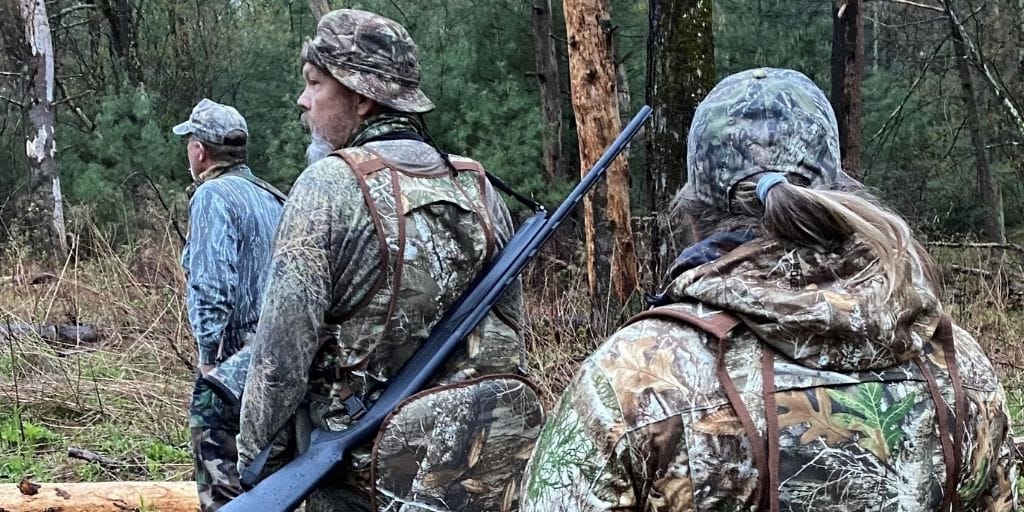
Hunting requires a deep sense of responsibility. Hunters must develop skills to ensure ethical behavior. Respect for wildlife and other people is essential.
Ethical Behavior in the Field
Hunters should respect wildlife and habitats. This includes knowing the rules, such as hunting seasons and limits on game. Ethical hunters do not waste game. They use what they take and always prepare properly. Respecting land boundaries is crucial. Hunters must ask for permission to enter private land. Being mindful of noise and leaving no trace are vital.
Before heading out, hunters should inform someone of their plans. Communicating with other hunters helps prevent accidents. Encouraging respect and teaching these values strengthens hunting communities. This builds trust among others in the field and with the wider public.
Effective Range and Skilled Hunting
Understanding effective range is essential for hunters. This is the maximum distance at which they can ethically take a shot. Responsible hunters know their limits. They practice regularly to improve accuracy and confidence. This reduces the chances of wounding an animal rather than making a clean kill.
Hunters must also choose the right equipment. Using unsuitable gear can lead to mistakes. Knowledge of animal behavior and habits enhances chances for a successful and ethical hunt. The more skilled a hunter is, the more effective and responsible he or she becomes.
Role of Ethics in Wildlife Management
Ethics play a crucial role in wildlife management. They guide decisions on how animals are treated and conserved.
Ethical Hunting Practices: Hunters who follow ethical principles ensure a balance in wildlife populations. They focus on fair chase and respect for wildlife.
Conservation Efforts: Ethical hunting contributes to conservation by supporting habitat preservation. This helps maintain biodiversity and ecosystem health.
Managing wildlife with ethics involves respecting nature. It means considering the impact on the environment. Wildlife managers aim to protect species while supporting human needs.
By implementing ethical guidelines, sustainability is prioritized. This approach helps in making informed decisions about wildlife control and protection.
Engaging with Non-Hunting Public
Hunting is a tradition that often leads to misunderstandings between hunters and non-hunters. It is important for hunters to engage positively with the public to foster good relationships.
Hunters should listen to and respect the views of non-hunters. This involves understanding their concerns and responding with facts and empathy. Engaging in rational discourse helps clear up misconceptions. Sharing knowledge about ethical hunting practices is a valuable way to build trust.
Respect plays a key role in these interactions. Hunters can show this by being considerate of others when in shared spaces, like parks or communities. Avoiding conflicts and being mindful of non-hunters’ experiences makes a difference.
Educational programs can help bridge the gap. Hunters and wildlife experts might hold workshops or informational sessions. These can explain the benefits of hunting, such as conservation efforts and maintaining ecological balance.
Media outlets—social networks, newspapers, or community boards—can be used to present positive stories about hunting. This way, communities can learn about the role of hunting in wildlife management and ethical standards.
Taking the time to educate not only highlights the importance of ethical hunting but also ensures a better understanding between hunters and non-hunters. Cooperation and respect can promote harmony and mutual respect between different perspectives.
Frequently Asked Questions About Ethical Hunting
Ethical hunting involves principles like respect for animals, adherence to laws, and conservation efforts. Unethical practices and legal requirements are explained, along with the importance of fair chase and respecting the environment.
What are the core principles defining ethical behavior in hunting?
Ethical hunting means respecting wildlife and the environment. Hunters should ensure quick, humane kills. It also includes obeying laws and acknowledging the rights of landowners.
What constitutes unethical hunting practices?
Unethical practices include poaching, using illegal traps, or hunting outside legal seasons. Avoiding waste and respecting wildlife habitats are also critical elements of ethical hunting.
What is the role of a responsible hunter in wildlife conservation?
Responsible hunters support wildlife conservation by maintaining balanced animal populations. They often fund conservation efforts through licenses and fees and participate in habitat restoration projects.
How does the concept of fair chase factor into hunting ethics?
Fair chase involves pursuing game in a manner that does not give the hunter an improper advantage. This principle ensures a balance between the hunter and prey, respecting wildlife’s natural behaviors.
What are the legal requirements for ethical hunting?
Legal requirements include having proper permits and licenses. Hunters must follow state and federal game regulations, which help ensure animal populations remain healthy.
How can hunters balance their sport with respect for the natural environment?
Hunters can respect the environment by minimizing their impact on ecosystems. This includes leaving no trace, using sustainable practices, and being mindful of their interactions with nature.





6 thoughts on “Hunting Ethics: Balancing Tradition and Conservation”