For a lot of new hunters, scouting is where things start to feel confusing.
You walk into the woods thinking, “This all looks like deer habitat…”
And somehow… You still don’t see a single deer.
I remember doing exactly that. Walking around, convinced I was “scouting,” when really I was just… hiking with a weapon. Not the same thing.
Scouting is what turns hunting from guessing into something intentional. It’s how you stop sitting in random spots hoping a deer walks by, and start putting yourself where deer are already moving.
And once you see it, you can’t unsee it. For many new hunters, one of the most confusing parts of deer hunting is figuring out where deer actually are. Learning how to scout deer for beginners can make the process much easier and help you understand where to start.
A forest may look full of potential hiding spots, yet days in the woods can pass without seeing a single deer.
That’s where scouting becomes essential.
Learning how to scout deer for beginners helps hunters understand how deer use the landscape. Instead of wandering through the woods hoping to see an animal, scouting teaches you to recognize the signs deer leave behind and the patterns they follow.
With a little observation and patience, the woods begin to reveal clues about where deer feed, travel, and bed during the day.
The first time you go scouting, it’s quiet in a way that messes with you. You’ll walk longer than you expected. You won’t see anything. No deer. No obvious trails. Nothing that looks like what you thought it would.
And at some point, you’ll wonder if you’re even in the right place. That’s normal.
Most beginners don’t fail because they didn’t try. They fail because they assume it’s supposed to be obvious. It’s not. You’re not looking for deer. You’re looking for the small, easy-to-miss signs that they’ve been there.
What Deer Scouting Actually Is (In Plain Terms)
Scouting is just learning three things:
• Where deer eat
• Where they sleep
• How they move between the two
That’s it. Not complicated. But also not obvious at first.
Because the woods don’t come with labels like: “DEER BED HERE” or “BUCK CROSSING →”
You have to learn how to read it.
➡️ First Hunting Season Preparation Guide
Why Scouting Matters for New Hunters
Many beginners focus primarily on equipment or stand locations without understanding deer movement. But successful hunters often spend far more time scouting than actually hunting.
Scouting helps beginners:
• Identify areas with active deer
• Avoid hunting empty woods
• Understand deer behavior
• Choose better stand locations
Even a few hours of scouting can reveal valuable information that dramatically improves hunting success.
Step 1: Find Food First (Because… Duh…)
If you don’t know where deer are eating, you’re already behind. Deer are built around food. Everything they do revolves around it. So yeah… start there.
Look for:
• acorns (oak trees dropping)
• agricultural fields (corn, soybeans)
• clover or food plots
• natural browse (shrubs, young plants)
The first time I actually paid attention to this, it clicked fast. I sat on the edge of a field one evening and watched deer come out in the exact same place… at the exact same time… two nights in a row.
That’s when you realize: They’re not random. We just haven’t been paying attention.
Step 2: Find Bedding Areas (Where They Feel Safe)
This is where deer spend most of their day. And this is also where a lot of beginners mess up.
Because the instinct is:
“Let me go walk in there and look around.”
Nope. Don’t do that. If you walk right into bedding areas over and over, you’re basically telling deer:
“Hey… someone’s here now.”
And they leave.
Bedding areas are usually:
• thick brush
• dense timber
• places you don’t really want to walk through anyway
Which is kind of the point. If it’s uncomfortable for you, it’s probably comfortable for them.
Step 3: Find Travel Routes (This Is Where It Gets Good)
Once you know where deer eat and where they bed, the next question is:
How do they get between the two?
That’s where you should be paying attention.
Look for:
• worn trails
• ridge lines
• creek crossings
• narrow funnels in terrain
These are the “in-between” places. And honestly? These are where a lot of deer get killed. Because deer use them consistently.
I didn’t understand this at first. I kept trying to hunt food sources directly. Meanwhile, the better hunters were sitting 50–100 yards off… catching deer on the way in.
Step 4: Look for Sign (The Woods Leave Clues)
The first time you find tracks, they probably won’t look impressive. You’ll expect something obvious, like a clear path or a worn trail, but most of the time it’s subtle. Easy to walk past if you’re not slowing down. This is where things start to feel like a puzzle. Deer leave evidence everywhere. You just have to slow down enough to see it.
Look for:
• tracks
• droppings
• rubs on trees
• scrapes in the dirt
• trails that look slightly more “used” than everything else
At first, it all looks the same. Then one day it doesn’t. You start noticing patterns. Repetition. Direction. And that’s when scouting starts to actually feel fun instead of confusing.
Step 5: Use Trail Cameras
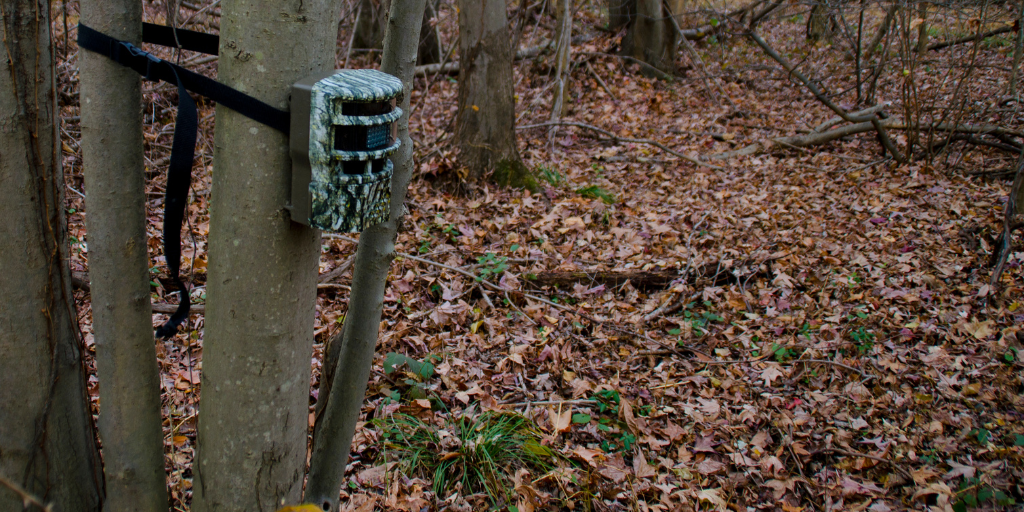
Trail cameras aren’t required. But they help. Especially early on, when you’re still figuring out if what you’re seeing actually means something. A trail camera won’t fix bad scouting. It just confirms what you already suspect. If you’re putting cameras out hoping they’ll tell you where deer are, you’re already behind.
Place them:
• along trails
• near food sources
• at funnels or crossings
They’ll show you:
• when deer are moving
• how often they’re using an area
• what kind of deer are there
And sometimes… they’ll humble you a little. Like when you realize deer are walking through your spot at 2:00 AM every night.
Join the millions of hunters who trust onX Hunt to help them fill their freezers. Create hunt strategies for your property with custom Waypoints, view wind forecasts for individual stand sites, integrate with cell cameras, and so much more.
Step 6: Scout From a Distance (Underrated)
You might sit and watch for an hour and see nothing.
That doesn’t mean deer aren’t there. It just means you didn’t catch them moving. That’s a hard thing to accept at first. One of the best things you can do? Stay out. Seriously. Sit back and watch.
Use binoculars and glass:
• fields
• clearings
• edges
Evenings are great for this.
You can learn:
• where deer enter
• where they exit
• what time they show up
All without stepping foot into their space. Less pressure = better hunting later.
Step 7: Don’t Blow Your Spot Before the Season (This Happens A Lot)
This is probably the most common beginner mistake. You finally find deer… and then you keep going back. And back. And back. Next thing you know… they’re gone.
Deer don’t tolerate pressure well. Especially on public land.
So once you find a good area:
• limit how often you go in
• stay mindful of wind
• avoid walking through bedding areas
Sometimes the best move is doing less.
A Simple Way to Scout Without Overthinking Tt
If you’re new, don’t try to read the whole woods at once. Start here:
Step 1 — Find food first
Look for what deer are eating—acorns, crops, browse. Start at the edges of those areas.Step 2 — Walk away from the food
Pick up a trail and follow it out, not in. Most beginners do the opposite.Step 3 — Pay attention when it gets thick
When the terrain tightens up—brush, cover, harder to move through; you’re getting closer to bedding.Step 4 — Don’t go all the way in
Back out and mark the area just before it gets dense. That’s where deer are still moving and you can hunt without blowing them out.That’s it. You don’t need to overcomplicate it.
If the wind is wrong, none of this matters:
You can find the perfect trail, fresh tracks, all of it, and it won’t matter if the wind is blowing your scent straight into where deer are.
Deer don’t need to see you. They don’t need to hear you. If they smell you, it’s over before it starts.
A simple rule: If the wind is blowing from you to where you think deer are—leave. Not adjust. Not “try anyway.” Leave. This is the part most beginners ignore, and it’s why nothing they do seems to work.
Best Times to Scout (Quick Reality Check)
There’s no single “perfect” time. But each season gives you something different.
Late winter / early spring
You can see everything—trails, bedding, sign. No leaves in the way.
Summer
You can watch deer feeding patterns. Easier to observe from a distance.
In-season
You adjust based on fresh sign and movement.
All of it matters.
How You Know You’re in the Right Spot
You’re not looking for one perfect sign. You’re looking for consistency.
A good spot usually has:
- more than one trail
- tracks that overlap, not just one set
- droppings nearby
- movement that makes sense (food to cover, not random)
If everything feels scattered, it probably is. If it starts to feel predictable, you’re getting close.
Common Beginner Deer Scouting Mistakes
Learning how to scout deer takes practice, and beginners often make a few common errors.
Scouting Too Aggressively
Entering an area too frequently can push deer away.
Ignoring Wind Direction
Wind plays a major role in deer behavior and should always be considered.
Overlooking Small Details
Small signs like faint trails or droppings can reveal important clues about deer movement.
Patience and observation help beginners develop stronger scouting skills over time.
Why Scouting Makes Hunting Easier
Many successful hunters believe that scouting is the most important part of deer hunting.
When hunters understand where deer live and how they move, hunting becomes far less random.
Instead of hoping deer appear, scouting allows hunters to place themselves where deer are most likely to travel.
For beginners, learning how to scout deer builds confidence and dramatically improves the overall hunting experience.
Final Thoughts on How to Scout Deer for Beginners
Deer scouting is one of the most valuable skills a hunter can develop.
By learning to identify food sources, bedding areas, travel routes, and deer sign, beginners can begin to understand how deer use the landscape.
Over time, these observations help hunters recognize patterns and choose more effective hunting locations.
Scouting transforms hunting from guesswork into strategy.
And for many hunters, discovering these patterns is one of the most rewarding parts of the entire pursuit.
Frequently Asked Questions About Scouting Deer
What’s the best time of year to scout deer?
Late winter and early spring are the most underrated scouting windows. The leaves are down, deer are still in their winter patterns, and you can actually see the woods — trails, rubs, scrapes, bedding areas. It’s all right there. Summer works well for watching feeding patterns from a distance. In-season scouting is more about adjusting to fresh sign than learning new ground.
How close should I get to a bedding area when I’m scouting?
Close enough to confirm it’s there, then back out. Seriously… that’s it. If you walk all the way through a bedding area, you’ve already burned it. Most hunters push deer out by over-scouting way more than by under-scouting. Get to the edge, note what you see, and leave. Hunt the transition zone between the bed and the food, not the bed itself.
How do you scout deer on public land?
Start with onX before you ever set foot in the woods. Look for terrain features that naturally funnel deer movement… creek crossings, saddles, ridge points, thick cover near food. Then walk the edges, not the middle. Public land deer get pressured fast, so look for spots other hunters aren’t willing to go. The harder the access, the less pressure. That usually means more deer.
What’s the best app for deer scouting?
onX Hunt is what most serious hunters use, and it’s what I recommend. It shows public and private land boundaries, terrain layers, aerial imagery, and lets you drop waypoints so you don’t lose your spots. You can download maps offline so you’re covered when you’re out of service. Worth every penny of the subscription, especially if you hunt public land.
➡️ Public Land Deer Scouting Guide
➡️ Early Season Deer Hunting Strategies