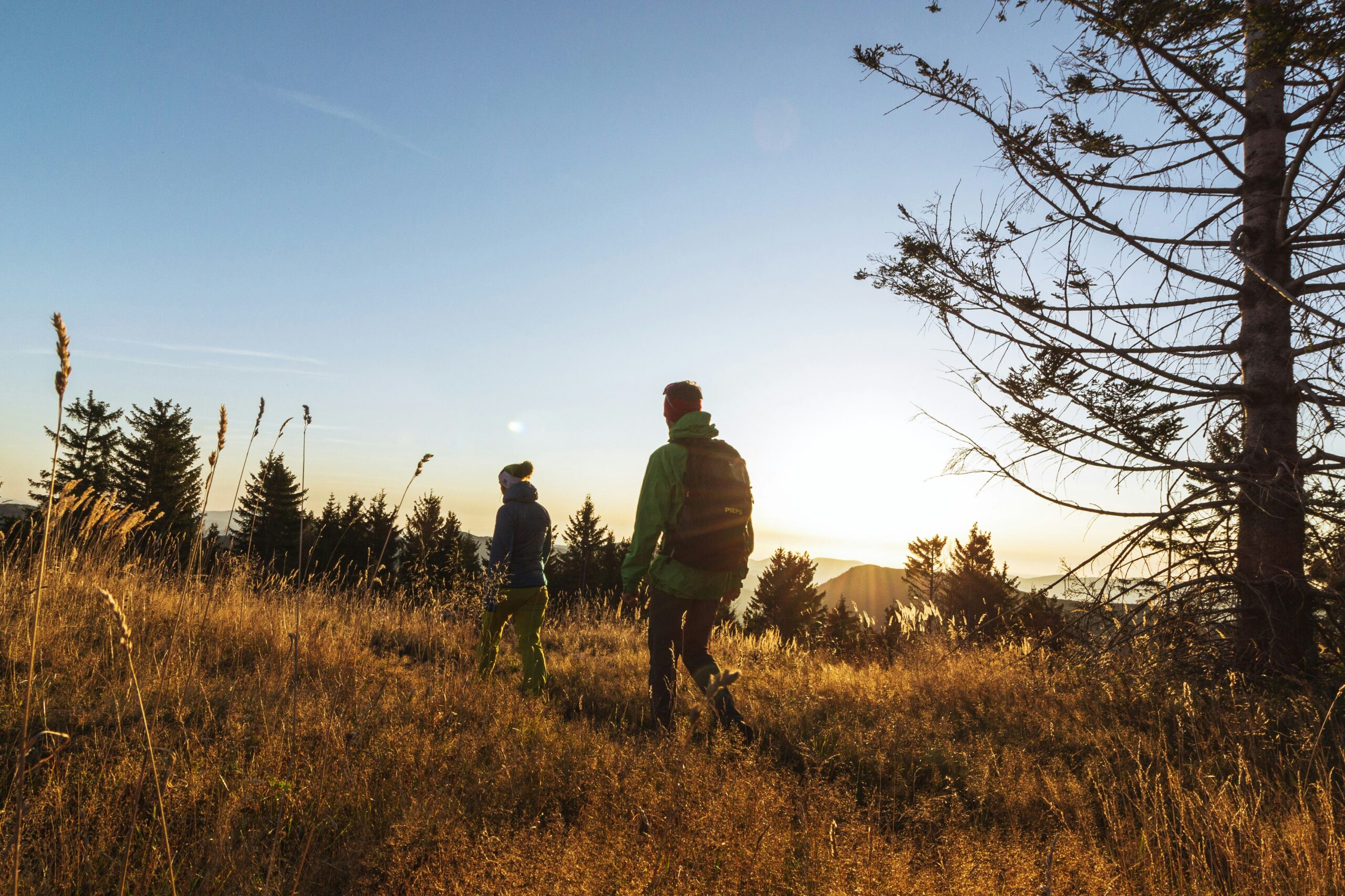
Across the United States, hunters and anglers are increasingly facing steep increases in hunting license fees — often double-digit hikes — at the same time, leadership within state wildlife agencies continues to see substantial pay increases. This growing imbalance is raising serious questions about priorities, accountability, and the long-term sustainability of conservation funding. Recent reporting has highlighted just how widespread this trend has become, documenting fee increases across multiple states and examining how those additional costs are being justified. (You can read the full breakdown in this detailed analysis from Ammunition To Go: https://www.ammunitiontogo.com/lodge/hunting-license-fee-increases/)
The Fee Hikes: What’s Happening Across the States
Nearly one in five states has proposed or enacted hunting license fee increases in recent years — some exceeding 30%. Examples include:
Washington: Approximately a 38% increase across most licenses in 2023, with additional hikes planned for 2025.
Maryland: Resident hunting licenses up nearly 43%, non-resident licenses up over 23%, and fishing licenses climbing more than 50%.
Oregon: A phased plan that could raise license costs by close to 30% over several years.
Nebraska: Roughly a 14% increase already implemented, with further adjustments under discussion.
Wisconsin, Ohio, and Michigan: Significant proposals introduced, delayed, or debated. These increases are often framed as “necessary adjustments” to offset inflation or operational costs. Yet average wage growth for everyday Americans has hovered in the low single digits — far below the scale of many of these hikes.
Rising Salaries, Shrinking Trust
What has fueled frustration among hunters isn’t just the higher cost of entry, but where the money appears to be going. Over the past several years, many state wildlife agency directors and senior administrators have received five-figure salary increases, even as agencies report staffing shortages, budget deficits, and unfilled conservation officer positions. Instead of tightening administrative spending or prioritizing frontline conservation work, agencies are increasingly turning to the people who already fund the system: hunters and anglers.
The Risk to Conservation Participation
Hunting participation is sensitive to cost. When license fees rise sharply, participation tends to decline — especially among younger hunters, families, and those new to the sport. That creates a dangerous feedback loop: fewer hunters mean less funding, which then prompts calls for even higher fees. Because license sales are a cornerstone of the North American Model of Wildlife Conservation, declining participation doesn’t just affect access — it threatens the entire funding structure that supports habitat restoration, wildlife research, and public land management.
A Question of Accountability
A deeper concern is governance. Most state wildlife agency leaders are unelected officials, accountable primarily to appointed boards or political offices — not directly to the hunters and anglers who fund their budgets. Without strong accountability mechanisms, critics argue, agencies can drift toward bureaucratic self-preservation: expanding administrative layers, protecting leadership compensation, and shifting financial pressure downward onto license holders.
Why This Matters to the Outdoor Community
For women hunters, conservation advocates, and outdoor enthusiasts, these trends deserve close attention. License fees are more than a line item — they represent trust between sportsmen and the institutions tasked with protecting wildlife. When that trust erodes, participation declines, and conservation ultimately suffers.



2 thoughts on “Why Hunting License Fee Increases Are a Threat to Hunters and Conservation”