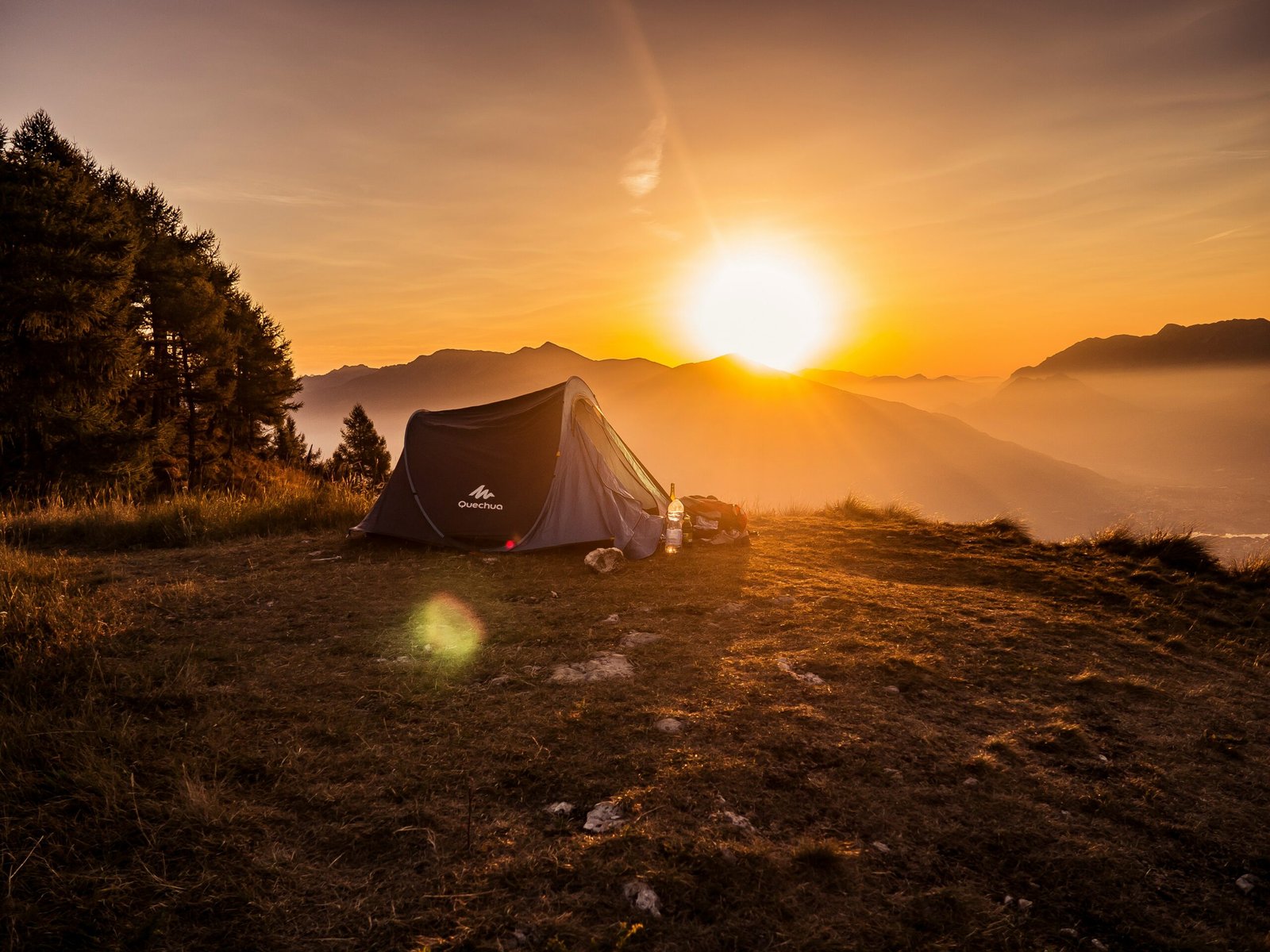
The first time I went camping by myself, I figured that I had it all under control.
My tent was packed neatly. My sleeping bag was warm. My meals got organized into zip bags, little-serving size (because I was preparing for a wilderness cooking show?) I had even packed a tiny camp chair from home, because I had deluded myself into thinking that the only way I would ever make it in the wild was “comfort camping.
But I discovered something no one warned me about by the end of that very first night.
It wasn’t the cold. It wasn’t the bugs. It wasn’t the strange sounds in the woods even.
It was the smell.
By morning, my tent had soaked up a blend of damp socks, campfire smoke, the remnants of trail mix and whatever that mysterious “outdoor air” smell is that becomes stale once it’s trapped in fabric. Yesterday’s lunch was smelling up my backpack. My hoodie reeked of the fire pit. And the bed where I slept — my final sanctum — was less an inviting perch and more a gym locker room with a hint of pine nearby.
It was then I realized: Smell management is an actual part of camping, and not just for one’s own comfort. It’s also about keeping wildlife at bay, protecting your gear and ensuring that your campsite feels like somewhere you want to sleep because it’s hard out there in the wild.
Why YOU should Care about Smell Management
When folks discuss camping, the conversation hinges on gear and handiness around a fire, along with ways to cook without setting everything ablaze. But scent is seldom alluded to, despite it being one of the paramount elements in campsite comfort.
Outdoor smells don’t just go away. They travel. They cling to fabric. They soak into tents. And in lots of situations, they can lure animals from long distances.
You can:
- sleep better
- reduce stress and discomfort
- avoid insects and pests
- discourage animals from sniffing around your tent
- extending the life of your gear on long trips
In other words: Smell control is not “extra.” It’s just being a responsible camper, or a decent human being.
The All-Purpose Stink Makers at Camp
The thing is, most bad campsite smells don’t result from anything too dramatic. They’re the accumulations of everyday items that pile up quickly when you’re living outside.
Food and cooking residue
Grease, spices, spilled beverages and even crumbs can leave stinky scents — especially when forgotten for long periods of time. Cooking odors can be comforting, but they also linger in your clothing and gear.
Trash and food scraps
And then rotting trash smells can multiply fast. A little bag of wrappers can end up being like a scent magnet.
Sweaty clothing and socks
This is the big one. Hiking, chopping wood, carrying gear — your body works harder outside than it does in a controlled environment and sweat accumulates.
Wet gear
Damp tents, wet boots, wet towels and humid sleeping bags can develop mildew smell surprisingly quickly.
Campfire smoke
Campfire smoke is legendary… until it’s caught in your sleeping bag and you smell like a charred log for 72 hours.
12 Pack) Scent Relieving LVT Biodegradable Wipes Canisters with Scent Killer $ 94.32 (as of February 22, 2017, 11:01 pm/how often are you updating the price? It’s affixed to a resealable bag for easy access when it comes time to freshen up your outer layer, but more important is what activity requires it in the first place.
Control odors, if not for any other reason than wildlife.
Some members of the animal kingdom possess amazing sense of smell. Bears, raccoons, foxes, coyotes and rodents — even ants — are ever on the prowl for food. And “food smell” doesn’t only refer to bacon and burgers.
It can include:
- toothpaste
- flavored drinks
- candy wrappers
- scented lotion
- deodorant
- cooking grease on clothing
This is no joke in bear country. But even where bears aren’t a concern, raccoons and rodents can rip apart bags, chew through gear and transform a campsite into chaos.
Having a clean camp isn’t about being paranoid, it’s just common sense for respecting the environment and managing risk.
Smart Campsite Setup: Size Matters, Especially With Placement
Organizing your campsite well is one of the easiest ways to minimize what odors may attract bears.
Many outdoor experts suggest the “camp triangle” method:
- Sleeping area (your tent)
- Cooking area
- Food/trash storage area
These regions are to be divided, not stacked. One of the most common mistakes beginners make is eating in their tent, or cooking too close to where they sleep.
Even if all you’re doing is making coffee, smells from food stick to fabric. If your tent reeks of snacks, animals will be curious.
A helpful rule: The inside of your tent should not smell like anything.
Food and Cooking Area Odor Eliminators
Food odors are a fact of life, but with some habits they can be managed.
Here are some common sense, practical campsite odor tips:
- wash dishes as soon as you finish cooking
- wipe down cooking surfaces
- avoid leaving food out overnight
- store leftovers in sealed containers
- store garbage in sealed bags
- pack out trash often when you can
If you’re in a high-risk area, such options may include bear-proof containers or how to hang food properly.
Also, the smell of cooking grease is not to be trifled with. Even a greasy napkin tossed near where you’re sleeping can attract pests.
Dealing With Clothes And Body Odor On Multi Day Trips
This is real camping. After a day of hiking, sweating, hanging out by the fire, you stop smelling yourself — but your gear sure does.
Sweat odor gets stronger when fabric accumulates bacteria. The longer the garment remains wet, the worse odor is going to get.
Helpful habits include:
- changing into a new shirt to wear to bed
- rotating socks daily
- hanging clothes out to dry in the sun, when possible
- keeping dirty clothes in waterproof stuff sacks
- boot and shoe airing externals daily
Foot care is especially important. Soggy socks can result in discomfort, blisters and even fungal problems. Dry feet are happy feet.
How to Keep Your Tent Fresh and Dry
Your tent is your home outdoors. And when it smells bad, everything seems tougher.
To keep your tent fresh:
- vent daily (even when it is frigid out)
- avoid bringing wet boots inside
- leave wet gear outside on a tarp
- prevent the bedroom from being a place for food and snacking
- use ground tarp appropriately to avoid moisture accumulation
- applying a little shake to rid it of dirt and debris CLICK BELOW.
Condensation is one of the major contributors to that “stale tent smell.” Even if weather is dry, your breath generates moisture during the night.
Spending a few minutes each morning ventilating your tent can prevent mildew and keep the rest of your campsite comfortable.
Smoke Smell: The Outdoor Classic
Campfire smoke is all part of the experience, but it can also get a little out of hand — especially if you’re on a trip that spans multiple days and your clothes never actually have the chance to air it out.
Tips to reduce smoke buildup:
- hang your clothes above fire (not directly!)
- keep your sleeping clothes separate
- since they’ve had some time to pick up bad smells store spare layers in ziplocs
- let your jacket breathe during the day
- don’t spend several hours sitting downwind of dense smoke
You’re not trying to smell like roses. The idea is to not smell like an ashtray.
Tiny Comfort Strategies From People Who Are Always Cold
The management of smell isn’t always about avoiding bad smells. It’s creating a sense of peace at camp.
Small details can make a big difference in comfort after a long hike or on rainy days. A few campers store light-scent items in their car or gear bin (so nowhere near the tent, and definitely not near a food storage area). Some people hang tiny custom air fresheners in their car or camper setup, so the “return to basecamp” always feels clean.
It’s why outdoor-savvy folks opt for personalized air fresheners from companies like 4inlanyards, usually for the interior of a vehicle or in gear storage areas — after all there isn’t much that can make a filthy truck smell clean, and feeling like you’re luxuriating by having it be otherwise?
What NOT To Do: Common Smell Errors
And some habits of scent can actually cause problems.
Avoid:
- spraying heavy perfume in camp
- leaving behind extra food or liquids outside of your vicinity
- leaving scented trash exposed
- washing up in the lakes and rivers themselves
- melting plastic or packaging in the fire
- keeping snacks in your sleeping bag or tent pockets
Excessive man-made fragrances can lure insects, while any leftover food poses potential harm to wildlife.
Eco-Friendly Odor Control: Take Nothing but Your Dreams
Respect the environment, as good odor control always should.
Follow Leave No Trace principles:
- pack in, pack out
- dispose of waste properly
- use biodegradable products responsibly
- avoid contaminating water sources
- return the camp ground in a clean condition to the next person that uses it
But freshness needn’t conflict with nature.
A Simple Campsite Smell Checklist
- Just before bed, buzz through this quick list:
- food stored securely
- trash bagged and in the tent
- cookware cleaned
- dirty clothes bagged
- tent ventilated
- wet gear drying
- no snacks in sleeping area
- toiletries stored properly
Basically all these little things add up to a cleaner, safer and more enjoyable campsite experience.
The wetter the camp, the safer the camp.
Camping isn’t about being perfect. It’s about being prepared.
It might not be at the top of your packing list, but it may well be one of the most impactful things on that list for determining whether you have a great time — or feel dirty and gross all weekend.
A clean-smelling campsite provides better sleep, fewer bugs, safer wildlife encounters and a more peaceful time communing with the great outdoors.
Because when your camp feels new, you mind feels clear — and that’s when the outdoors becomes what it’s supposed to be: a space to breathe, reset and reconnect.