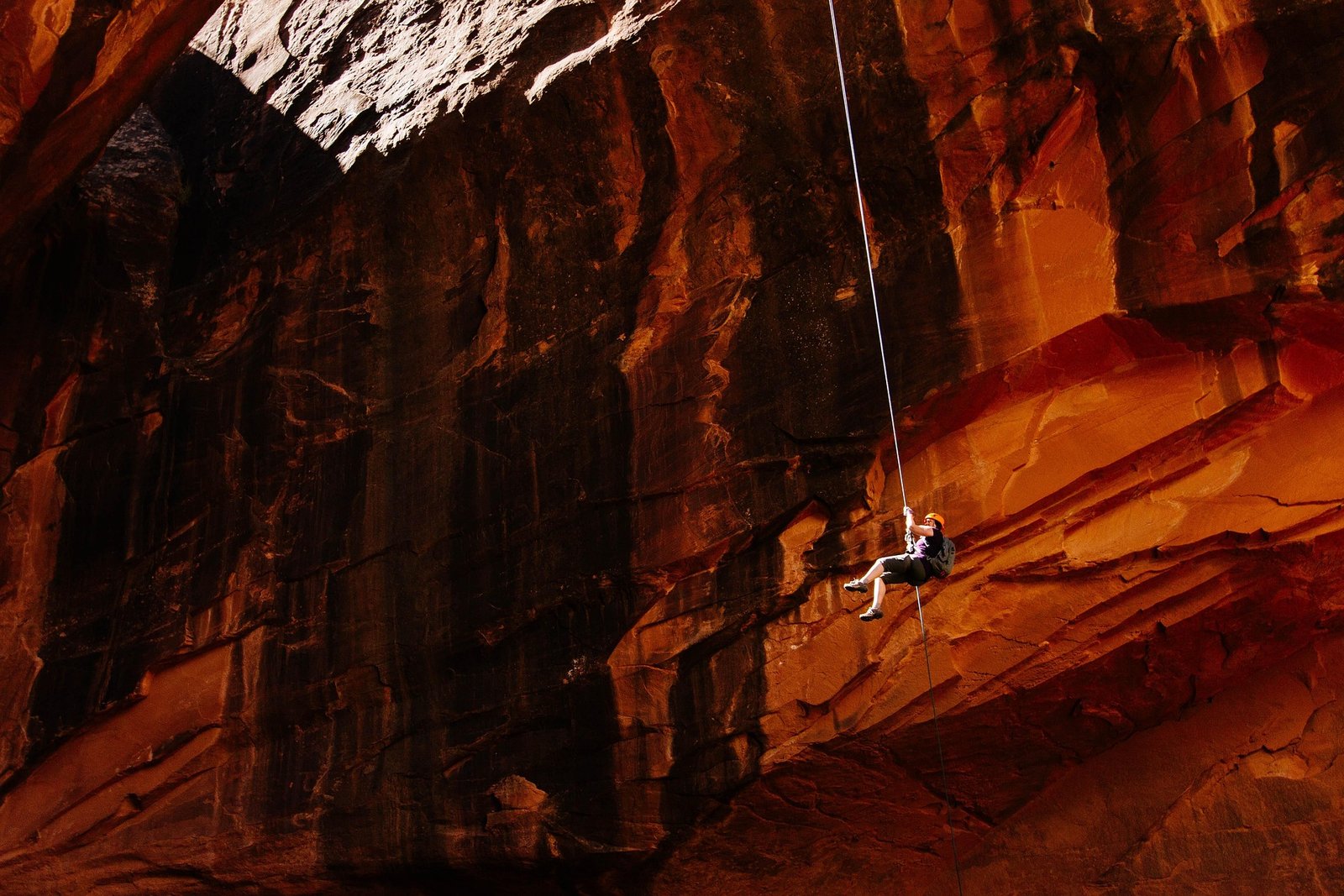
The call of the wild is a powerful one. There’s a unique sense of freedom and accomplishment that comes from exploring a new trail, reaching a summit with a breathtaking view, or simply disconnecting from the digital world to reconnect with nature. These outdoor adventures enrich our lives, but their enjoyment hinges on one crucial element: safety. A truly successful trip isn’t just about the memories you make; it’s about returning home soundly, without incident.
Thinking through your safety from the moment you start planning until you’re relaxing back at your lodge is the hallmark of a smart and seasoned adventurer. It’s about more than just packing a first-aid kit; it’s a mindset that covers preparation, on-trail awareness, and even post-adventure care. This comprehensive checklist will guide you through every phase of your journey, ensuring your next outdoor excursion is both thrilling and safe.
Before You Go: The Planning Phase
Thorough preparation is the most critical part of any outdoor adventure. What you do before you even lace up your hiking boots can make all the difference and prevent most potential problems from ever arising.
Research Your Destination
Never head into a new area blind. Take the time to learn about the specific trail, park, or wilderness area you plan to visit. Look up recent trail reports for conditions, closures, or wildlife activity. Understand the terrain, elevation gain, and estimated time to complete your planned route. A great resource for this is the official website for the park or forest, such as the U.S. National Park Service, which provides detailed alerts and conditions for all its parks. Knowing what to expect is the first step in being prepared for it.
Check the Weather
Weather in the great outdoors, especially in mountainous regions, can change in an instant. A sunny morning can quickly turn into a stormy afternoon. Check the forecast diligently right up until you leave, and be aware of the day’s potential highs and lows. Look for information on wind, precipitation, and any severe weather warnings. The National Weather Service offers detailed forecasts that are essential for this stage of planning. Always pack layers of clothing, including waterproof gear, even if the forecast looks clear.
Pack the Essentials
Your pack is your lifeline on the trail. While it’s tempting to go ultralight, there are certain items you should never leave behind. The “Ten Essentials” are a great starting point for any trip, covering navigation, sun protection, insulation, illumination, first-aid, fire, repair tools, nutrition, hydration, and an emergency shelter. Building on this, consider your personal needs. Having the right gear is fundamental, and it’s worth investing in quality items that make up your everyday carry essentials for women who love the outdoors. This ensures you have reliable tools tailored to your adventures.
Leave a Trip Plan
This is a non-negotiable step, especially if you are hiking alone. Leave a detailed trip plan with someone you trust. This plan should include your intended route, your estimated start and return times, the make and model of your vehicle, and when to call for help if you don’t check in. As recommended by the New York State Department of Environmental Conservation, a clear plan is one of the most important Hike Smart principles and is vital for ensuring a swift rescue if one becomes necessary.
On the Trail: Staying Safe Outdoors
Once you’re on your adventure, staying vigilant and making smart decisions is key. The environment is constantly changing, and your awareness is your best defense against unexpected hazards.
Trail Etiquette and Awareness
Be present and aware of your surroundings. This means keeping your eyes and ears open, not just for wildlife but for other hikers and changes in the trail itself. Stay on the designated path to protect the natural habitat and prevent yourself from getting lost. When you encounter other hikers, a simple hello is courteous and also makes them aware of your presence. Uphill hikers generally have the right of way.
Wildlife Encounters
Seeing wildlife is often a highlight of an outdoor trip, but it’s crucial to do so from a safe distance. Never feed wild animals, as this can make them habituated to humans and potentially aggressive. Make noise while you hike in areas known for bears to avoid startling them. The National Park Service offers excellent guidance on how to handle encounters with different types of wildlife, emphasizing that we are visitors in their home. Respect their space, and they will usually respect yours.
Hydration and Nutrition
Your body is working hard on the trail, and you need to fuel it properly. Dehydration can sneak up on you, leading to fatigue, headaches, and poor decision-making. Sip water consistently throughout your hike, even if you don’t feel thirsty. Pack more water than you think you’ll need, or bring a reliable water filter or purification tablets. Similarly, keep your energy levels up with nutrient-dense snacks like nuts, dried fruit, and energy bars. Proper fuel and hydration are just as important as your physical fitness.
First-Aid Basics
Accidents happen, from minor scrapes and blisters to more serious injuries. Your first-aid kit should be well-stocked, and you should know how to use everything in it. Taking a basic wilderness first-aid course is an invaluable investment for any serious outdoor enthusiast. Being able to address an issue immediately can prevent it from becoming a major problem. For those who hunt, understanding field first aid is even more critical, and many of the principles in hunting safety and first aid apply to all outdoor adventures.
Back at the Lodge: Unwinding Safely
Your safety considerations don’t end when the hike is over. The transition back from the trail to your accommodation, whether it’s a campsite or a hotel, requires its own checklist.
Checking for Ticks and Injuries
As soon as you get back, do a thorough check of your body for ticks, which can carry diseases. Pay close attention to areas like your scalp, behind your ears, and under your arms. Also, tend to any minor cuts, scrapes, or blisters you may have acquired. A quick shower is a great way to wash off any potential irritants and check for ticks at the same time.
Post-Hike Recovery
Help your body recover by stretching your muscles, rehydrating, and eating a nutritious meal. This will help reduce soreness and prepare you for the next day’s activities. Elevating your feet can also help reduce swelling after a long day of hiking. Listen to your body; if you feel unusually sore or notice a potential injury, address it rather than pushing through.
Hotel and Lodging Safety
After a long day in the wilderness, you want to relax in a safe environment. When you check into a hotel or lodge, take a moment to familiarize yourself with the layout and emergency exits. However, the responsibility for a safe environment doesn’t just fall on you. Property owners have a duty to maintain a safe premises for their guests, free from hazards like broken stairs, poor lighting in hallways, or malfunctioning locks. If you are injured due to negligence on the property, you may need to consult with a professional. In complex situations involving premises liability, a specialized attorney such as Drummond Law Firm, hotel injury lawyer Las Vegas can help you understand your rights and options.
Conclusion
A successful outdoor adventure is a safe one. By adopting a safety-first mindset that covers every stage of your trip—from meticulous planning and on-trail awareness to post-hike care and lodging safety—you empower yourself to explore with confidence. The wilderness offers incredible rewards, and with the right preparation, you can ensure that every memory you bring back is a positive one. So plan well, pack smart, and enjoy the incredible beauty of the great outdoors.


2 thoughts on “From Trail to Lodge: A Complete Safety Checklist for Your Next Outdoor Adventure”