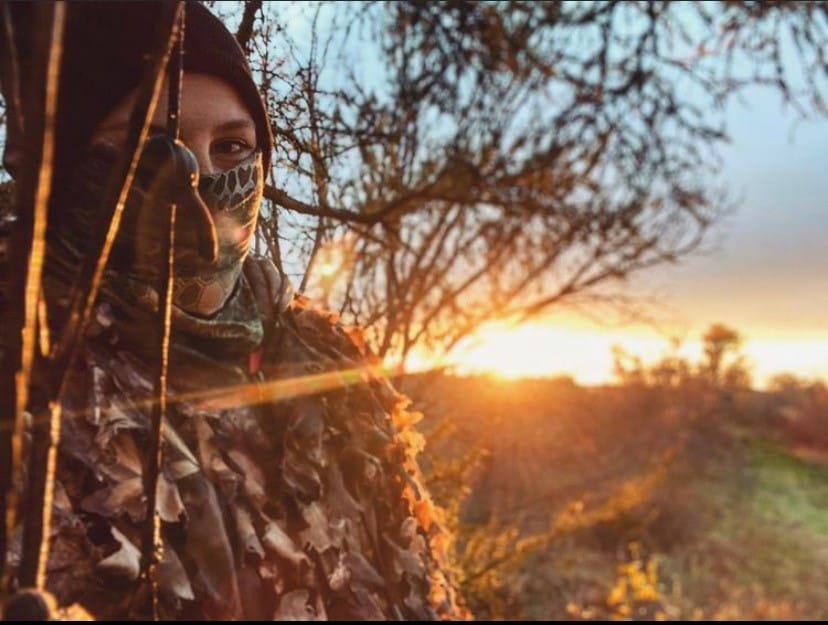
Hunting in Colorado offers opportunities to explore the outdoors, but it also comes with risks. Falls from tree stands, ATV crashes, and firearm-related incidents can cause serious injuries. Many accidents are preventable with proper preparation, safe equipment, and awareness of your surroundings. Understanding basic safety practices and Colorado’s liability laws can also help if an accident occurs.
What Property Owners May Be Responsible For
Colorado law recognizes that landowners may have responsibilities toward people using their property. However, hunting involves an important legal consideration: the Colorado Recreational Use Statute.
Under C.R.S. § 33-41-103, landowners who allow people to use their property for recreational purposes, including hunting, without charging a fee generally receive certain liability protections. These protections are subject to statutory exceptions, including situations involving a willful or malicious failure to guard against or warn of a known dangerous condition.
When a hunter pays to access private hunting grounds, or an accident involves a dangerous property condition, the circumstances may affect whether the landowner can be held responsible. The terms of a hunting lease and the applicable laws should be considered before determining liability.
If an accident occurs, photograph the scene, equipment, and any visible hazards when it is safe to do so. These details may help establish what happened.
How Your Actions Affect Recovery
Colorado follows a comparative negligence rule. If an injured person shares responsibility for an accident, their recoverable damages may be reduced according to their percentage of fault. However, they generally cannot recover damages if their negligence is equal to or greater than that of the party they’re seeking compensation from.
For example, if a hunter sustains $50,000 in damages and is found 20% responsible, their potential recovery would be reduced to $40,000, assuming the other party bears a greater share of fault.
Not wearing a fall-arrest system, operating an ATV carelessly, or ignoring known trail hazards may become relevant when determining responsibility. Documenting the circumstances and preserving witness information can help clarify how the accident occurred.
How to Prevent Common Hunting Accidents
A few precautions can reduce the risk of serious injuries:
- Tree stand falls: Inspect stands, ladders, and straps before use. Wear a full-body fall-arrest system and maintain three points of contact when climbing.
- ATV accidents: Wear an approved helmet, avoid excessive speeds, and never operate an ATV while impaired. Follow manufacturer safety recommendations and avoid unstable terrain.
- Firearm incidents: Keep the muzzle pointed in a safe direction, treat every firearm as loaded, and identify your target and what lies beyond it before firing.
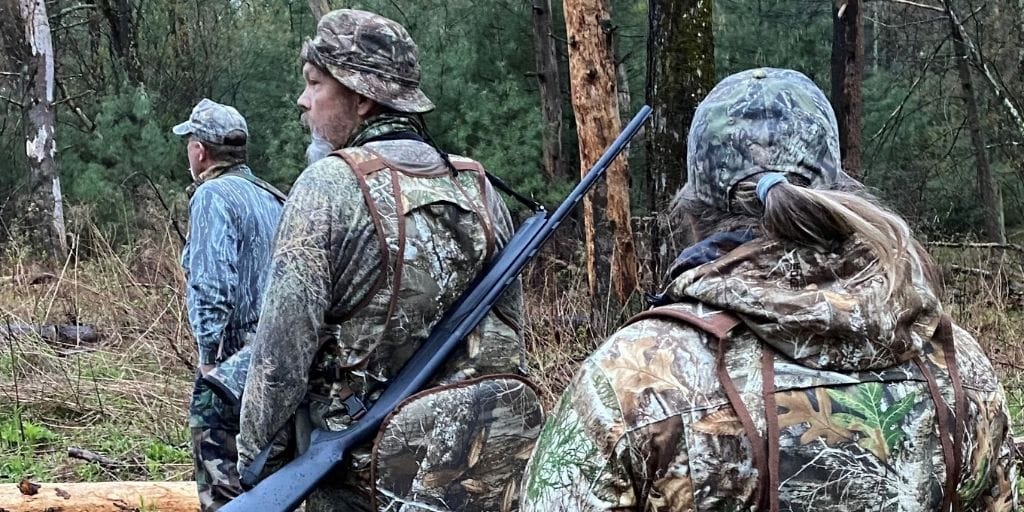
- Low-visibility conditions: Wear appropriate visibility gear when required, carry a reliable light, and communicate your location and plans to someone before heading out.
Preparation and responsible equipment use can help prevent injuries during a hunting trip.
When Time Limits Close Claims
Colorado generally gives injured people two years to file personal injury lawsuits involving negligence under C.R.S. § 13-80-102. However, different deadlines may apply depending on the type of accident, the parties involved, and the legal basis of the claim.
Seek medical attention after an accident and preserve photographs, medical records, messages, and witness contact information. Acting promptly can help protect important evidence while you determine which legal deadlines apply.
When to Seek Legal Guidance After a Hunting Accident
Property conditions, equipment safety, shared fault, and insurance coverage can all affect a hunting injury claim. An attorney may help investigate the circumstances, identify potentially responsible parties, and explain the options available.
If you’ve been injured while hunting in Colorado, you can consult Levine Law accident attorneys. The firm handles personal injury cases involving outdoor accidents and other injuries. Legal guidance may help you understand the claims process while you focus on recovery.
The Bottom Line
Tree stand falls, ATV crashes, and firearm incidents can turn a hunting trip into a serious ordeal. Inspect your equipment, follow safety practices, and stay aware of potential hazards. If an accident occurs, seek medical attention, preserve relevant evidence, and understand the legal deadlines that may affect your ability to pursue compensation.