I’ll be upfront: I resisted writing this one for a while. Ankle boots feel like a compromise. They aren’t enough boot for the field and too much boot for everyday wear. I’ve worn through enough gear to be skeptical of anything that tries to split the difference. But after enough mornings where I needed something fast and functional and didn’t want to lace up a full hunting boot just to walk a food plot at 6 am, I get it now.
The Muck Boot Women’s Originals Ankle has a specific job. It does that job well. Here’s what that actually looks like.
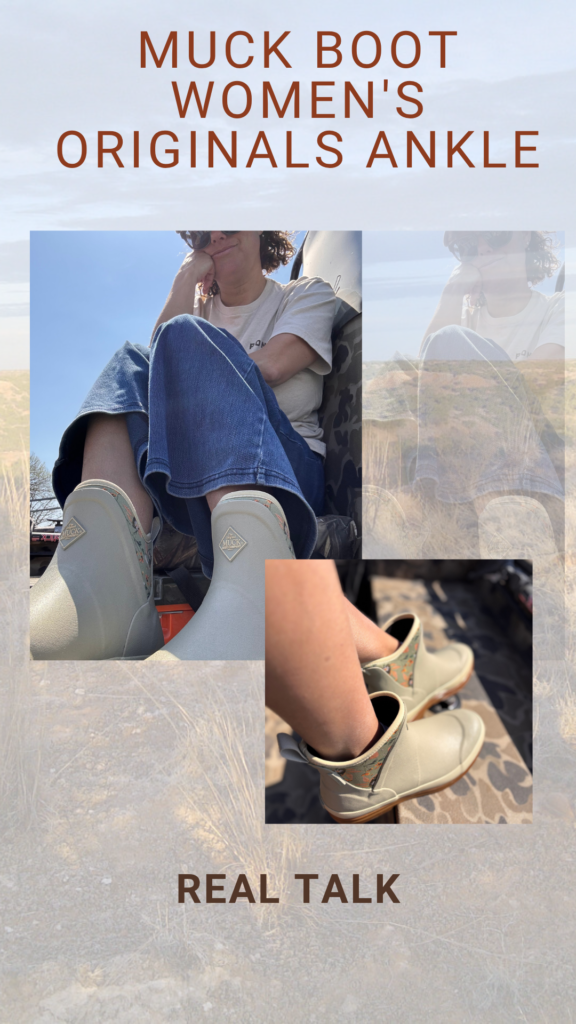
What This Boot Is and What It Isn’t
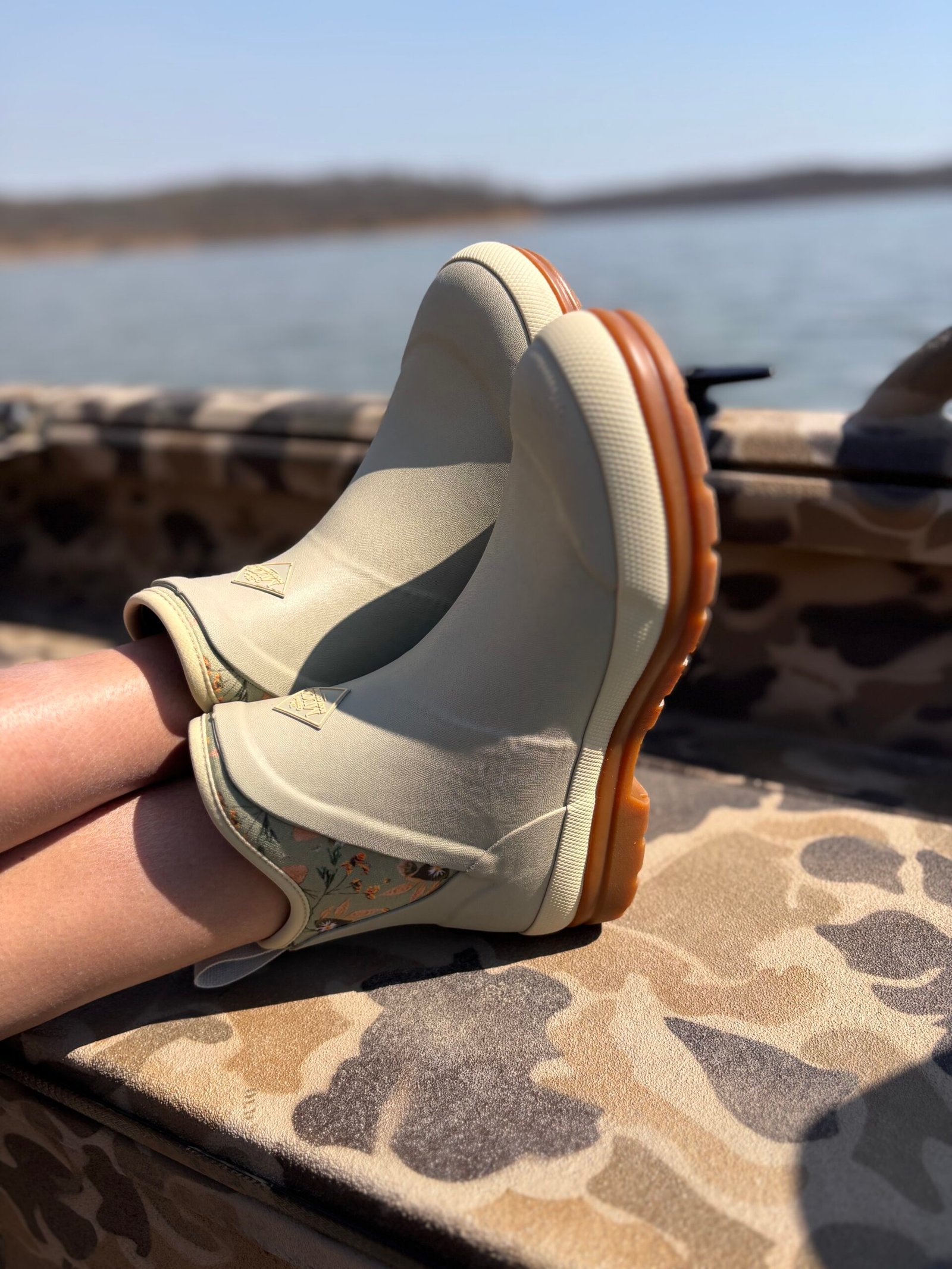
The Muck Boot Women’s Originals Ankle Boot is built on Muck’s core construction: a neoprene bootie wrapped in hand-laid rubber. No liner seams at ankle height. No stitching that wicks water in after six months of use. The waterproofing isn’t a coating or a treatment. It’s structural. That matters more than it sounds, especially if you’ve owned a pair of “waterproof” boots that stopped being waterproof by November.
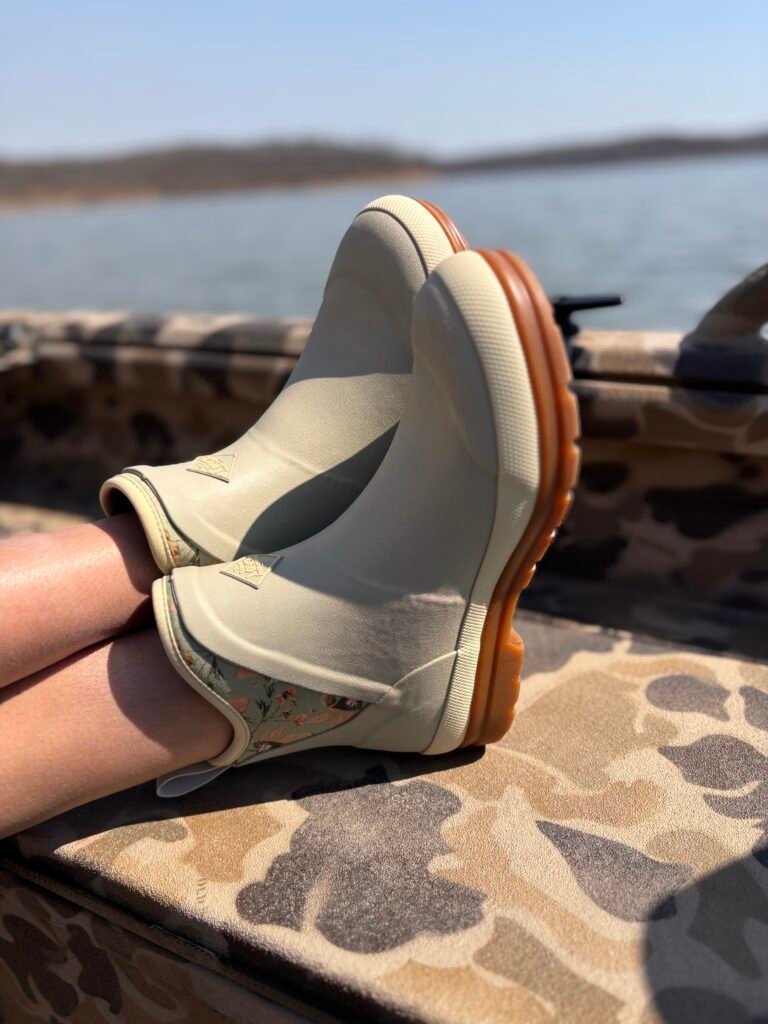
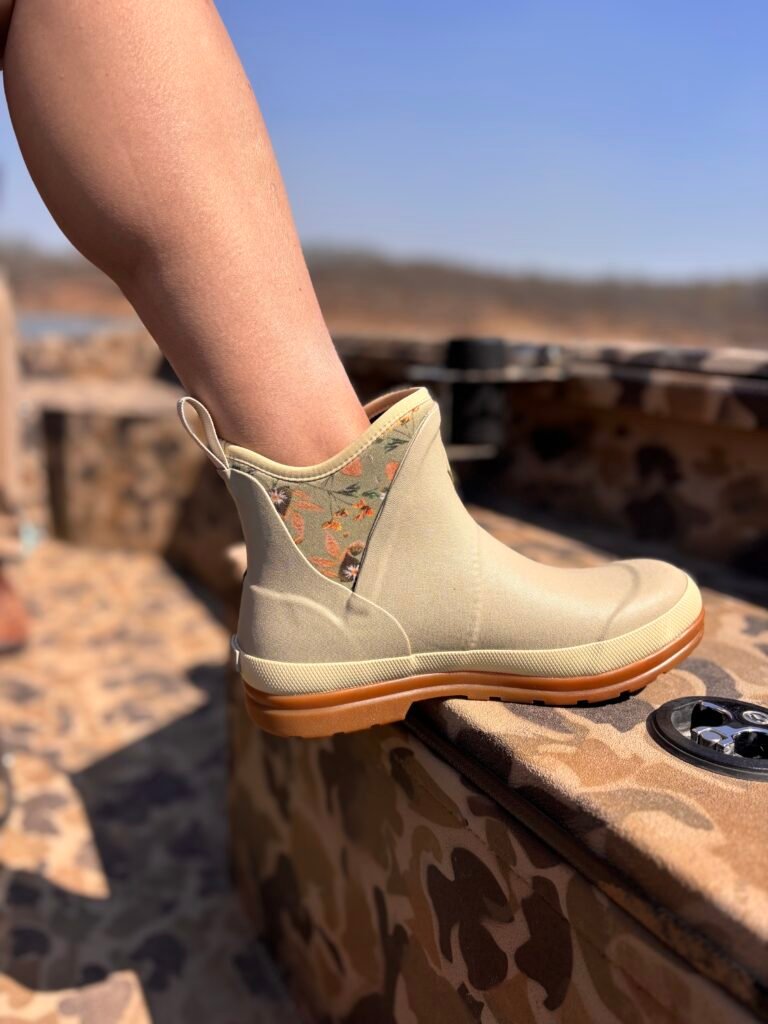
The shaft height is 6 inches. That is the defining feature and the defining limitation of this boot, and you need to make peace with both before you buy it.
It is not a hunting boot. I want to be clear about that because the word “hunting” is going to come up in how this boot gets marketed, and it creates a false expectation. If you’re walking into standing water, crossing a creek, or sitting a treestand in January, you need more boot. Period. Trying to stretch this into those situations will just leave you cold and frustrated, and that’s not the boot’s fault.
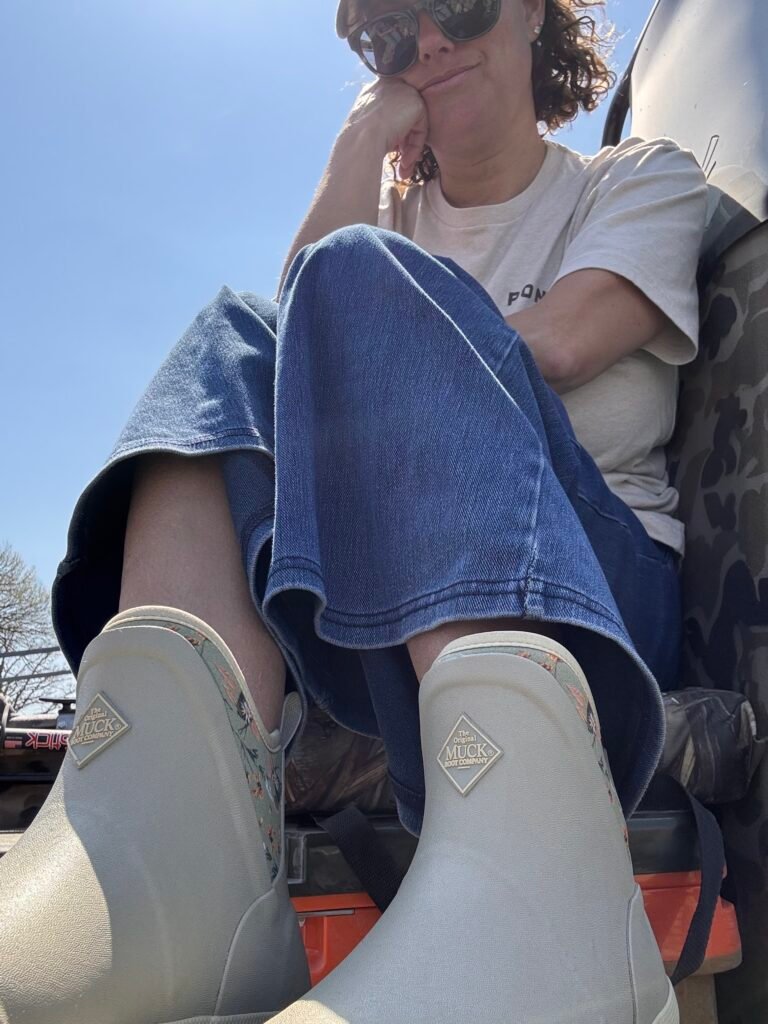
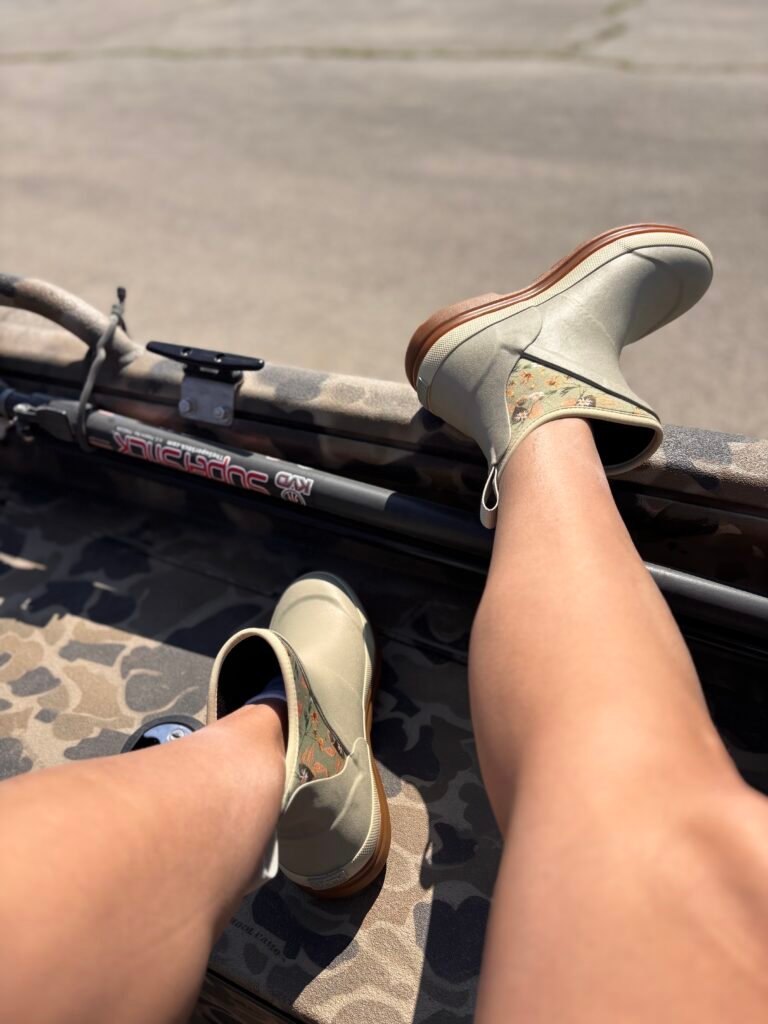
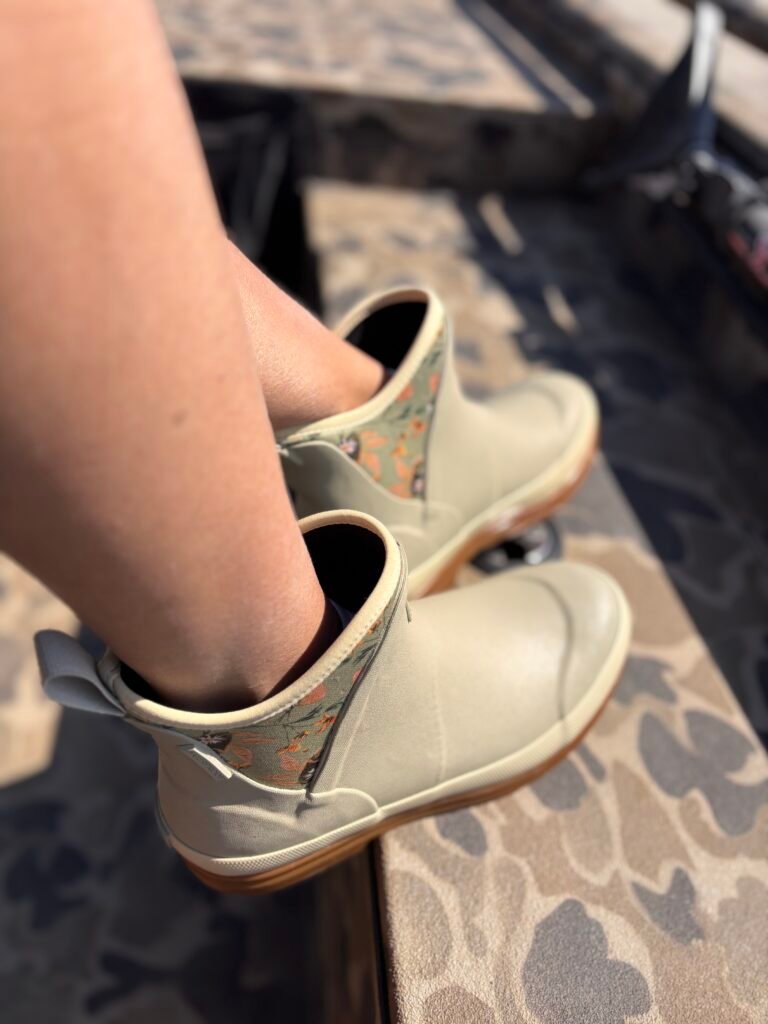
Where It Actually Lives In Your Rotation
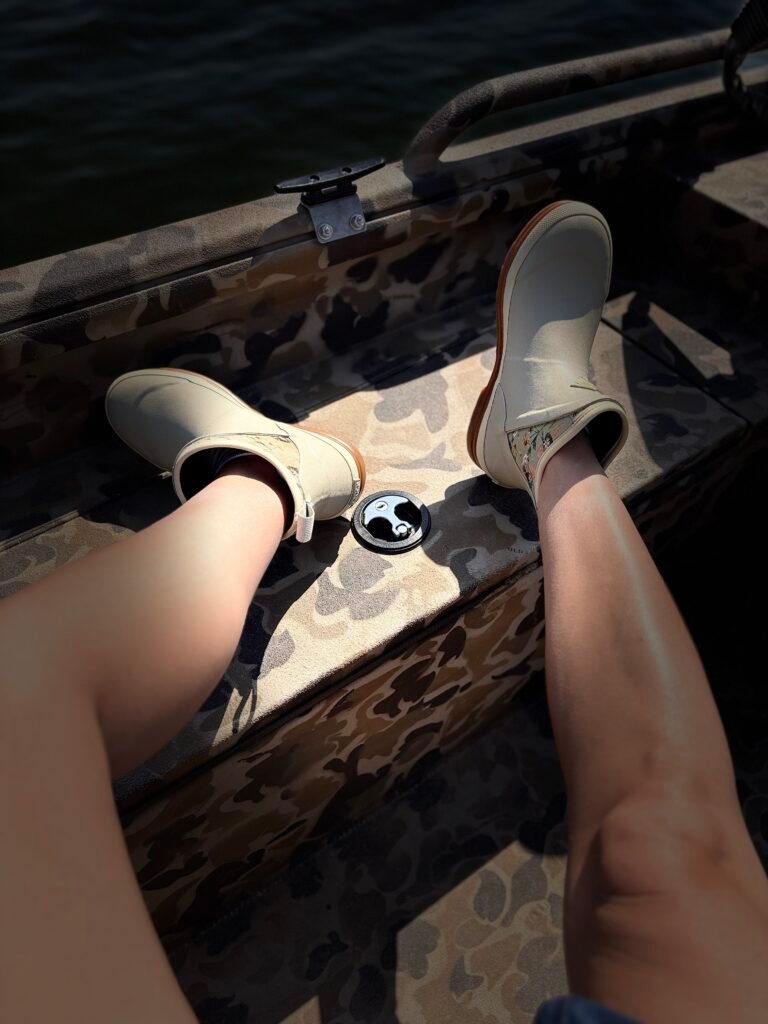
Last fall, I had a stretch of about three weeks where I was checking trail cameras every few days on a property I was scouting. Early mornings, heavy dew, wet grass up to my knees in some spots. I didn’t want to pull on my full rubber hunting boots every single time… too much effort for a 45-minute task, and honestly, they were overkill. So, I started wearing these instead.
Wet grass? Fine. Walked through a low drainage area with maybe two inches of standing water? Fine. The neoprene held, my socks stayed dry, and I wasn’t breaking a sweat pulling them on at 5:45 am in the dark.
That’s the use case. Camera pulls. Morning barn chores before a hunt. Walking a food plot to check browse pressure. Standing at a processor in the rain for two hours while someone else’s deer gets broken down. Driving between properties, getting out to glass, getting back in. The work that surrounds hunting but doesn’t get romanticized in gear reviews.
The Footbed: Why It’s Worth Mentioning
I almost didn’t include this because footbed specs read like filler. Memory foam, antimicrobial insert, dual-layer cushioning… it sounds like marketing language until your feet tell you otherwise.
I wore these for a full day at an outdoor expo last season. Concrete floors, on my feet from 8 am to close at 6 pm, doing the thing where you stand and talk and stand some more and never really sit down. By mid-afternoon, I did a mental check and realized my feet weren’t killing me. That sounds like a low bar. In rubber boots, it isn’t.
The bioDEWIX antimicrobial liner is also nothing if these boots are living in your truck and getting pulled on in a hurry. Rubber boots can get bad fast if they’re not drying out between uses. This slows that down.
Fit, Sizing, and the Width Thing
Sizing runs true to Muck’s standard, which means true to size for most people. The neoprene construction has natural give. It’s not a rigid shell, so the boot will conform a little to your foot over time without feeling sloppy.
If you have a wider foot, this tends to work in your favor. The material accommodates without creating pressure points, the way a leather or synthetic upper would. Narrow feet are the opposite problem. You might want a thicker sock to take up room, at least until the boot breaks in.
One thing to know: don’t size up thinking you’ll add a heavy wool sock and have room. The memory foam footbed takes up more space than a standard flat insole. Go true to size and adjust your sock weight from there.
The $115 Question
It’s a fair price for what you’re getting. Not cheap, not a splurge. The construction is honest. Neoprene and rubber hold up longer than most synthetic uppers at this price point, and they clean up fast. Muck backs it with a one-year warranty, and their return policy is straightforward if the fit isn’t right.
What you’re actually paying for is a boot that removes friction from your morning. The boots that don’t get worn are the ones that take too long to put on, or hurt after an hour, or require thought. These don’t require thought. You grab them, you go.
Hard Limits: Know These Before You Buy
If water is going above 6 inches, you’re wet. There’s no getting around the shaft height.
If you’re sitting still in temperatures below freezing for any real length of time, your feet will find the ceiling on this boot’s insulation. The comfort range listed goes down to subfreezing, but subfreezing while moving and subfreezing while sitting motionless in a treestand are two completely different experiences. The Muck Boot Women’s Originals Ankle Boot handles the first. The second needs more insulation and more height than an ankle boot can give you.
Neither of those is a product failure. It’s just the honest edge of what this boot was designed to do, and knowing that edge is the difference between the right gear and the wrong gear for your morning.