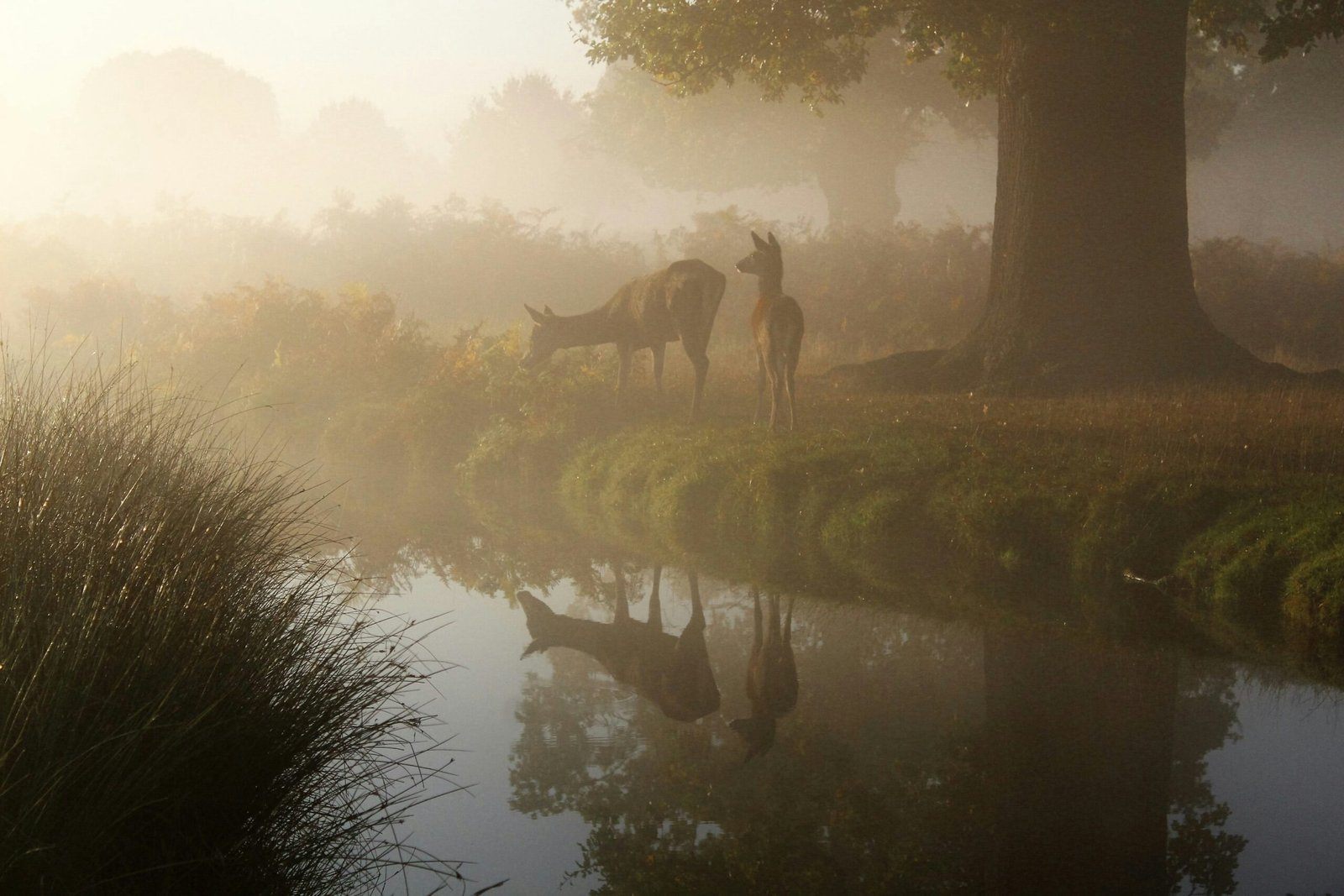
By the time hunting season is underway, deer have already learned a lot.
They’ve heard truck doors slam before daylight. They’ve smelled boot tracks on the same trails week after week. They’ve watched hunters walk straight to the same tree stands every morning.
And mature bucks respond exactly how you would expect. They adapt.
That’s why hunting pressured deer requires a completely different approach than hunting deer that haven’t been disturbed.
Instead of following the obvious patterns most hunters rely on, successful hunters learn to adjust to how deer behave after pressure begins. Once you understand those adjustments, pressured deer become far more predictable.
How Hunting Pressure Changes Deer Behavior
Before learning how to hunt pressured deer, it’s important to understand how whitetails react when hunting pressure increases.
When deer begin encountering hunters regularly, they typically:
• Become more nocturnal
• Move less during daylight
• Avoid obvious travel routes
• Shift bedding locations
• Use thicker cover for security
Mature bucks in particular become extremely cautious. They start traveling where hunters don’t go and when hunters least expect movement. Recognizing those changes is the first step toward successfully hunting pressured whitetails.
Strategy 1: Hunt Where Other Hunters Won’t Go
One of the most effective tactics for hunting pressured deer is surprisingly simple:
Go farther and hunt harder terrain than most hunters are willing to.
Most hunting pressure concentrates in predictable areas such as:
• Near parking lots
• Close to access trails
• Field edges and food plots
• Easily accessible ridges
Because of this, pressured deer often relocate to areas that require more effort to reach.
Examples include:
• Thick swamps
• Steep ridges
• Dense bedding cover
• Remote corners of public land
These locations provide the security deer seek once hunting pressure increases.
Strategy 2: Focus on Bedding Areas
When deer feel pressured, they spend more time close to their bedding cover. Instead of traveling long distances during daylight, mature bucks often stage near bedding areas and move only short distances until dark.
That means the most consistent daytime encounters often happen near bedding cover itself.
Look for bedding areas such as:
• Ridge points
• Thick cedar stands
• Briar patches
• Hillside benches
• Overgrown clearcuts
Carefully setting up between bedding areas and feeding areas can dramatically increase daytime sightings.
Strategy 3: Hunt the Downwind Side of Cover
One of the most common behaviors of pressured bucks is traveling downwind of cover. This allows them to scent-check areas ahead of them while staying hidden. For hunters, this creates predictable movement patterns.
Look for travel routes along:
• Downwind edges of bedding cover
• Downwind sides of ridges
• Edges of thick timber
• Inside corners of fields
These areas often act as natural scent-checking zones for mature bucks.
Strategy 4: Stop Hunting the Obvious Spots
Pressured deer quickly learn where hunters typically sit.
Common stand locations like:
• Field edges
• Food plots
• Major trails
• Funnel crossings near access points
…are often the first places deer avoid once pressure begins.
Instead, consider hunting:
• Secondary trails
• Hidden terrain funnels
• Edges of bedding cover
• Remote interior timber
Often the best stand location is 100–200 yards away from where most hunters would sit.
Strategy 5: Hunt Midday
Most hunters enter the woods before sunrise and leave by late morning. Pressured deer notice this pattern. Because of this, mature bucks sometimes move during midday hours when fewer hunters remain in the woods.
Between 10 a.m. and 2 p.m., deer may quietly relocate between bedding areas or check scrapes. Remaining on stand during these hours can occasionally produce encounters other hunters miss.
Strategy 6: Reduce Your Scent and Noise
Pressured deer rely heavily on their senses to avoid danger. Even minor disturbances can alert them. When hunting pressured deer, it becomes even more important to minimize detection.
Focus on:
• Quiet entry routes
• Wind direction awareness
• Reducing scent contamination
• Avoiding unnecessary movement
Approaching stands carefully, especially during early morning entry, can make a significant difference.
Strategy 7: Hunt During Weather Changes
Weather shifts often trigger movement from otherwise cautious deer.
Some of the best times to hunt pressured whitetails include:
• Cold fronts
• Temperature drops
• Light rain before storms
• The first calm day after heavy wind
These weather patterns often cause deer to move earlier than usual. Taking advantage of these windows can increase the chances of encountering mature bucks.
Strategy 8: Hunt the Rut
Even the most cautious bucks become more vulnerable during the rut. When breeding season begins, mature bucks start traveling more frequently during daylight hours.
During the rut, focus on areas such as:
• Doe bedding areas
• Travel corridors between bedding zones
• Scrape lines
• Funnels connecting habitat features
Rut activity temporarily overrides some of the caution pressured deer normally exhibit.
Strategy 9: Stay Mobile
Pressured deer rarely stay predictable for long. Successful hunters remain flexible and adjust as conditions change. If an area goes cold or receives heavy hunting pressure, it may be time to relocate.
Mobile hunting strategies, such as lightweight stands or saddle hunting, allow hunters to adapt quickly.
Moving even a short distance can place you back in active deer movement.
Common Mistakes When Hunting Pressured Deer
Many hunters unintentionally make pressured deer even harder to hunt.
Some of the most common mistakes include:
Hunting the Same Stand Too Often
Repeated pressure teaches deer to avoid specific locations.
Entering Stands Carelessly
Noisy approaches or poor wind direction can alert deer before the hunt begins.
Ignoring Thick Cover
Pressured deer frequently hide in the thickest cover available. Hunters who avoid thick areas often miss where deer actually feel safe.
Final Thoughts on Hunting Pressured Deer
Learning how to hunt pressured deer is one of the most valuable skills a whitetail hunter can develop. While hunting pressure makes deer more cautious, it also makes their behavior more predictable.
Pressured deer consistently seek:
• Security
• Thick cover
• Terrain that discourages hunters
When you begin focusing on those areas, instead of the obvious hunting spots, your chances of encountering mature bucks improve dramatically.
Sometimes the difference between an empty season and a successful hunt simply comes down to understanding how deer react when pressure begins.
➡️ Public Land Deer Scouting Guide
➡️ How to Find Deer Bedding Areas


3 thoughts on “How to Hunt Pressured Deer: Proven Strategies for Whitetails That Avoid Hunters”