There’s a moment after the shot nobody really prepares you for. Not the tracking. Not the drag.
The moment you’re standing over the deer thinking, “Now what?”
This is where most people quietly fall apart. Not because they can’t hunt, but because no one showed them how to take that animal all the way from field to table without second-guessing every step.
This guide fixes that. Not with fluff. Not with “perfect” scenarios. But with exactly what you need to know so you don’t waste meat, time, or confidence.
Step 1: Field Dressing (Where It Actually Starts)

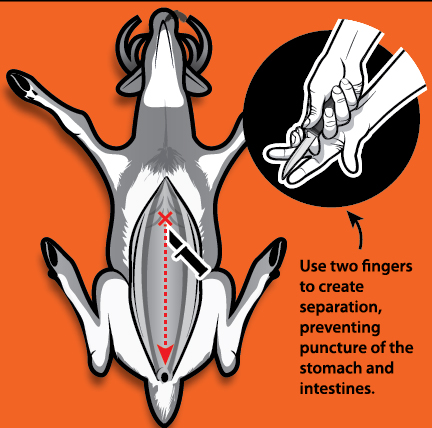
This is the part people stress about the most, and for good reason.
It’s your first real decision point:
- Rush and risk contamination
- Or slow down and do it right
The truth? It’s not clean. It’s not smooth. And your first time won’t feel confident. That’s normal.
What matters is:
- where you make your first cut
- how you avoid puncturing the gut
- how quickly you cool the meat
If you mess this step up, everything downstream suffers.
👉 Start here, then come back: Field Dressing Guide: Essential Steps for Hunters
Step 2: Understanding Venison Cuts (So You Don’t Ruin the Good Stuff)
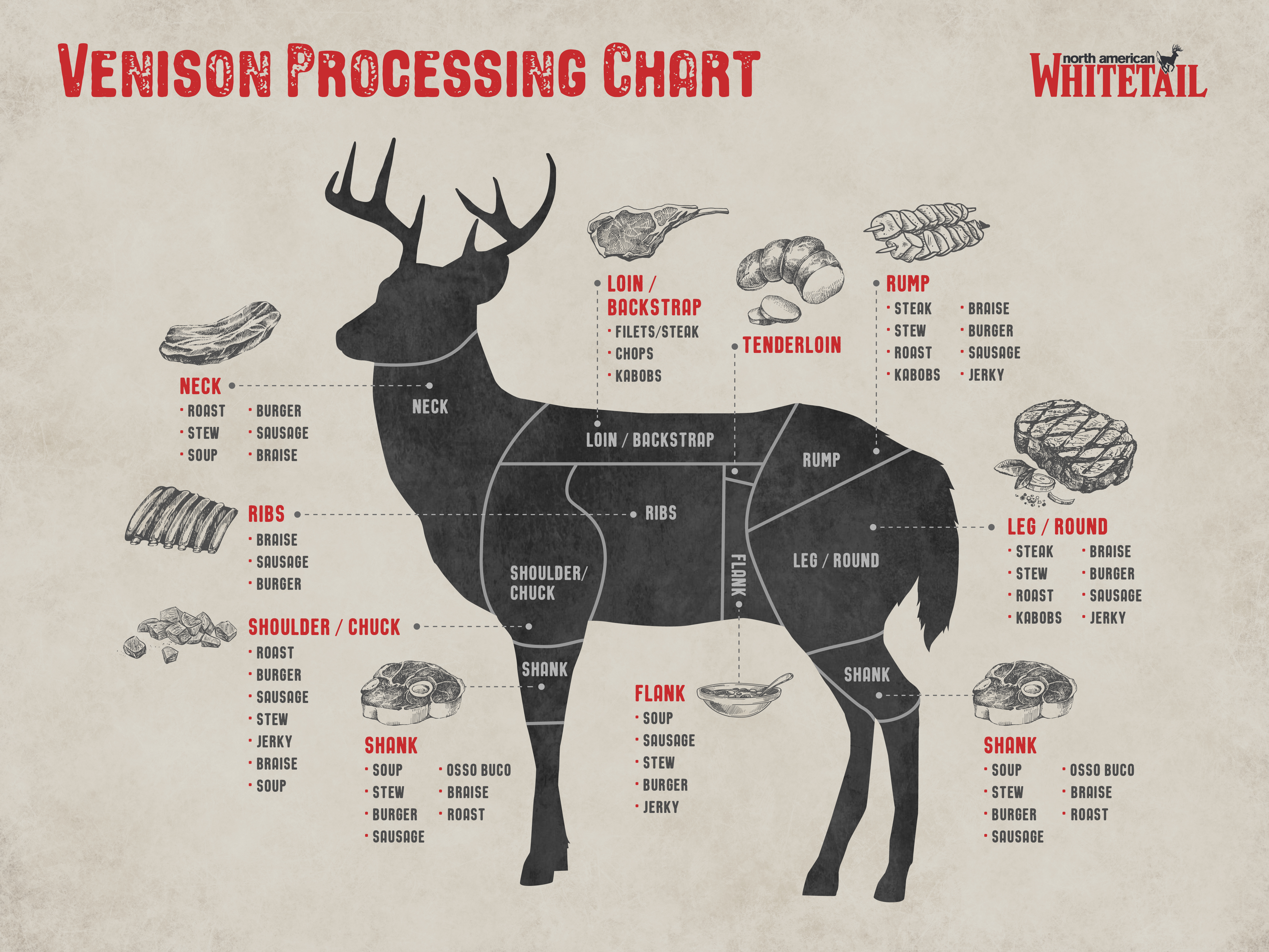
Once the deer is processed, this is where people either:
- maximize their harvest
- or accidentally turn premium cuts into grind
Most beginners don’t ruin meat on purpose. They just don’t know what they’re holding.
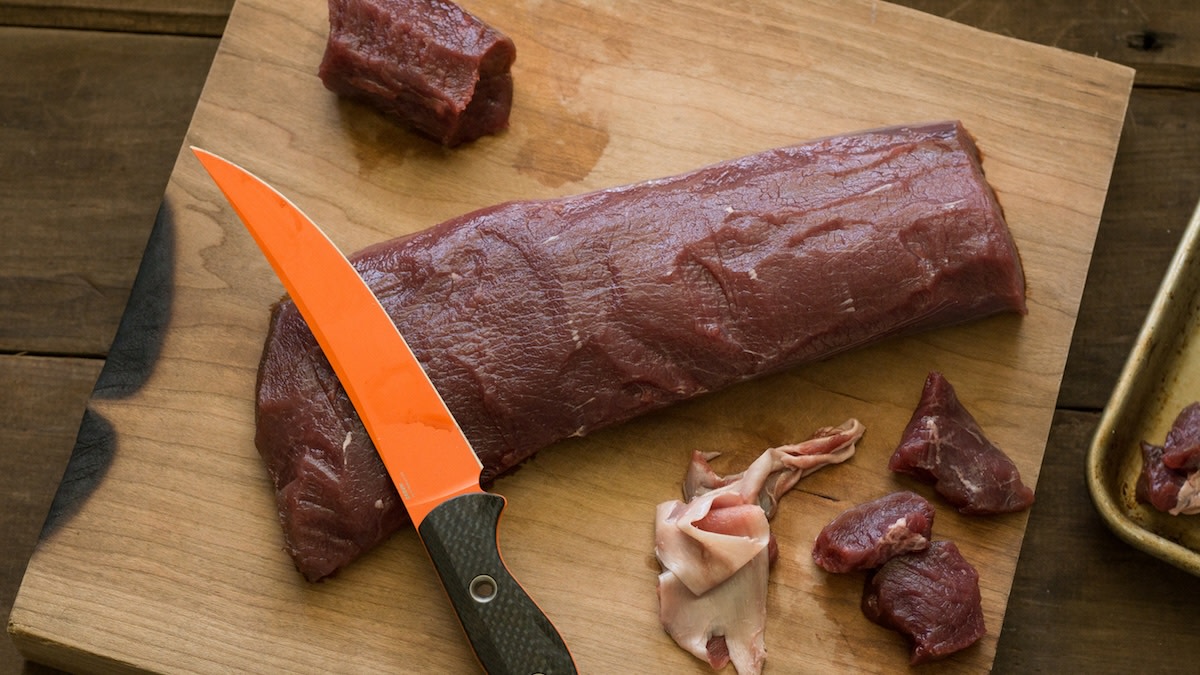
The backstrap isn’t just “meat.” The tenderloin isn’t just “another cut.”
They’re the difference between:
- “this tastes incredible”
- and “why does venison taste bad?”
👉 Learn what each cut actually is—and how to use it: Venison Cuts Chart: A Complete Guide to Deer Meat Cuts and How to Use Them
Step 3: Storing Venison (Where Good Meat Gets Wasted Quietly)
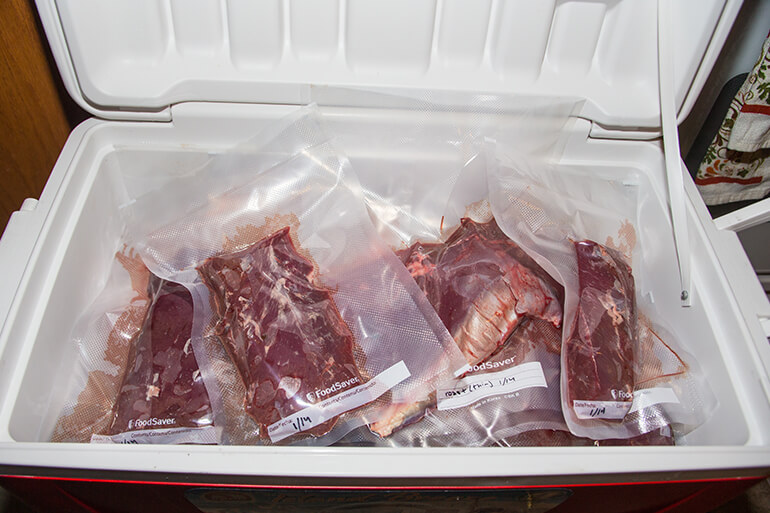
Nobody talks about this part enough because the mistakes don’t show up immediately.
They show up months later when:
- the meat tastes off
- the texture is dry
- or you quietly stop reaching for it
That’s not a hunting problem. That’s a storage problem.
If you’ve ever thought, “Maybe I just don’t like venison…” there’s a good chance it was handled wrong after processing.
👉 Fix that here: Storing Venison: How to Properly Store Deer Meat and Avoiding Freezer-Burned Meat and How to Tell if It Is Safe to Eat
Step 4: Cooking Venison (So People Actually Want to Eat It Again)

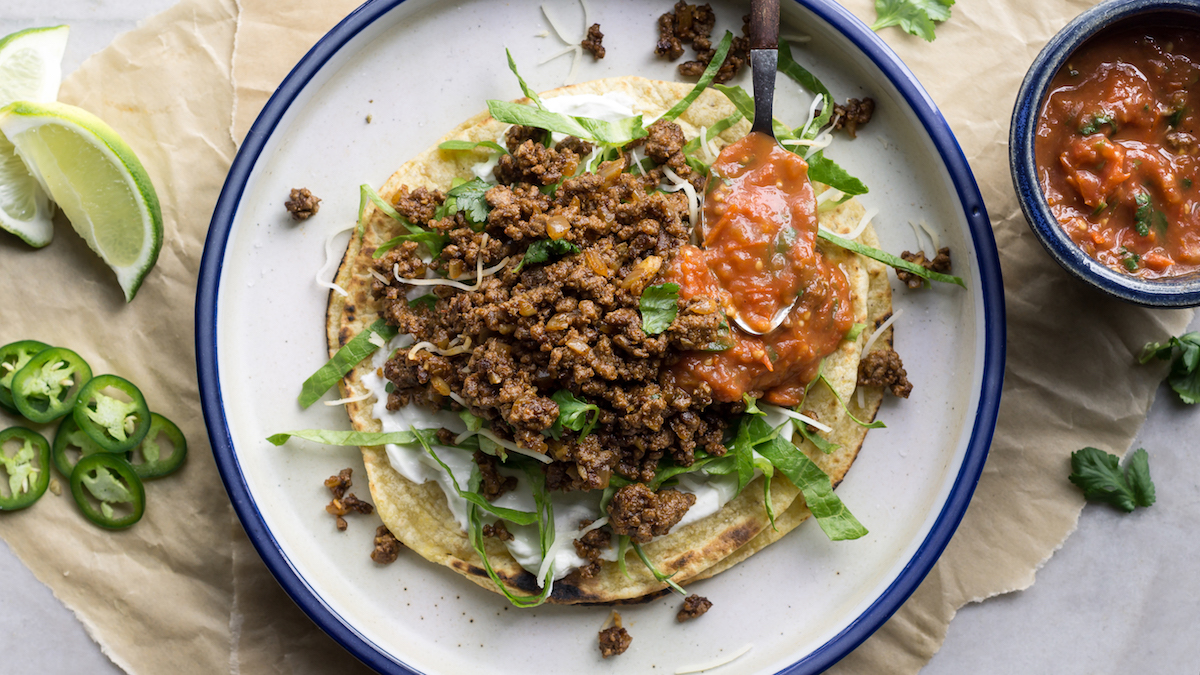
This is where everything comes together—or falls apart. Because here’s the reality:
You can do everything right in the field…and still ruin it in the kitchen.
Most people overcook venison. Almost everyone does it at first.
And once that happens, it gets labeled:
- “gamey”
- “tough”
- “not worth it”
It’s not the deer. It’s the method.
👉 Start cooking it the way it should be cooked:
Venison Recipes: The Best Ways to Cook Deer Meat
25 Kid-Friendly Wild Game Recipes
Wild Game Cookbooks EVERY Hunter Needs
Step 5: Fixing What Went Wrong (Because It Happens to Everyone)
If your venison hasn’t turned out great before, you’re not alone.
This is where most people hit a wall:
- it tastes strong
- it cooks tough
- it doesn’t match what they expected
So they stop trying. But almost every issue comes down to a few fixable things:
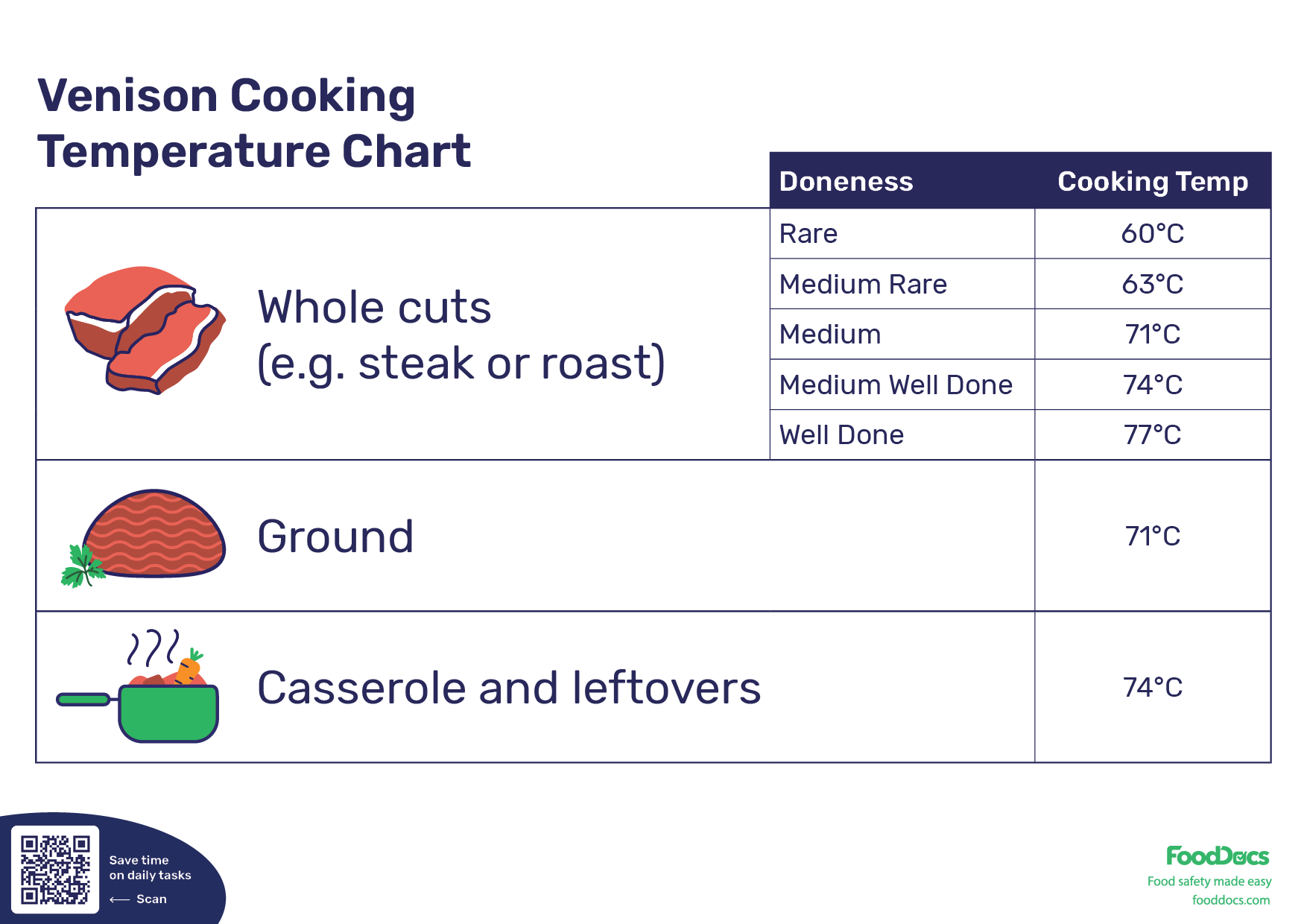
- temperature
- handling
- preparation
Not talent. Not experience.
👉 Fix the mistakes instead of avoiding the meat:
Removing Gamey Taste from Venison: Three Easy Steps AND Easy Tips to Prevent Overcooking Wild Game
What This Actually Gives You
Processing your own venison isn’t about doing it perfectly.
It’s about getting to the point where:
- you trust yourself with the entire process
- you stop second-guessing every step
- and the meat you worked for actually gets used
Not wasted. Not avoided. Not sitting in a freezer for two years. Just used. The way it should be.
Where to Go Next
If you’ve made it this far, you’re already doing more than most hunters.
But if you still feel like you’re:
- piecing things together
- guessing at steps
- or learning the hard way every time
There’s a faster way to build confidence, before you’re in the moment again. That’s exactly what the next step is for.



One thought on “Guide to Processing Your Own Venison (From Field to Freezer Without Ruining Your Meat)”