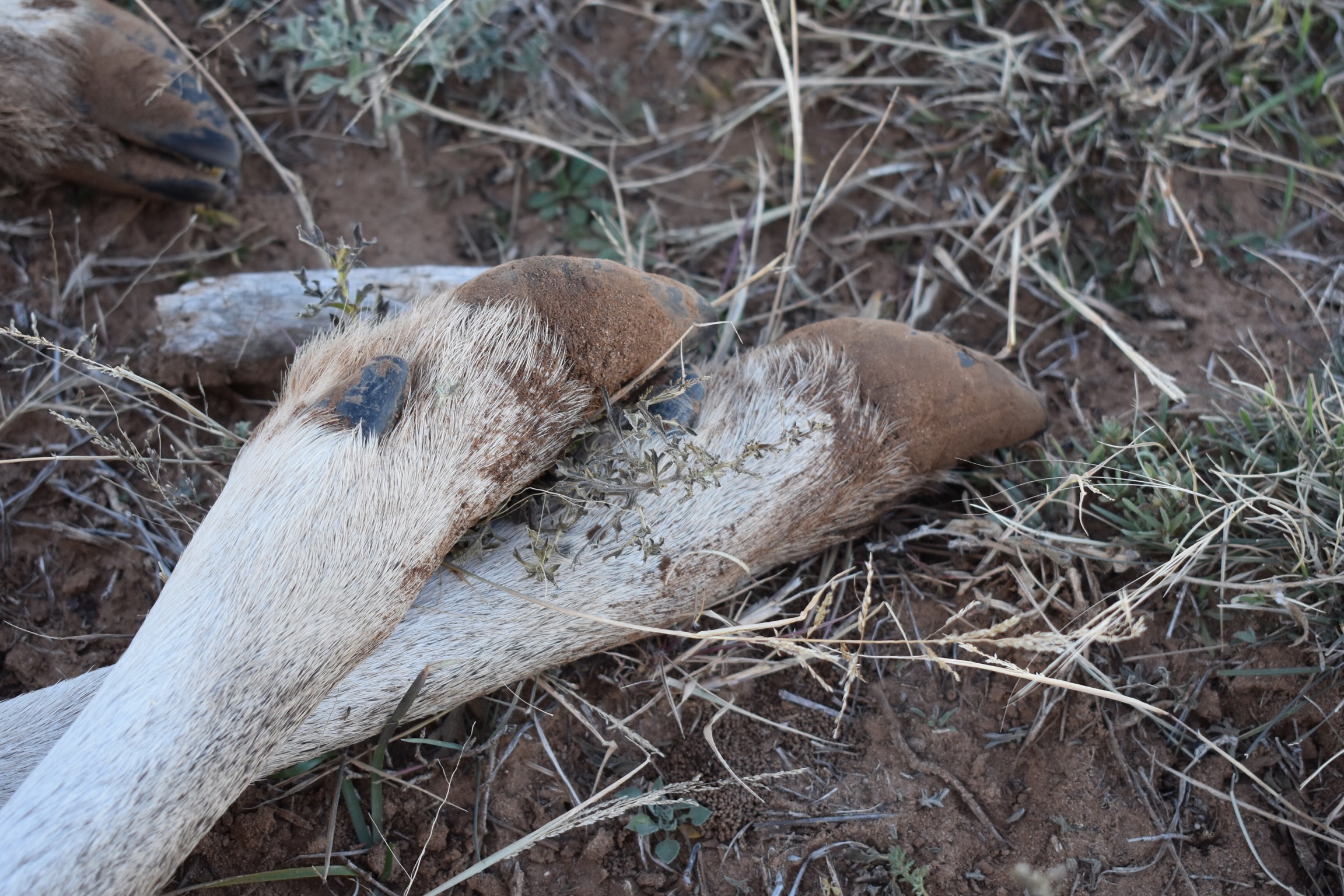
Field dressing is an essential skill for hunters who want to ensure the quality and safety of their game meat. Understanding how to properly field dress an animal can make a significant difference in the taste and preservation of the meat. This process involves removing the organs from the animal as soon as possible after the kill to prevent spoilage. It’s not necessarily the funnest part of the hunt, can take a while when you’re learning, but you’ll get the hang of it!

Hunters must be equipped with the right tools, such as a sharp knife and gloves, to perform the task efficiently and safely. Trust me… a crappy knife will suck! And, it’ll take triple the amount of time to field dress. Proper technique helps minimize the risk of contamination and keeps the meat fresh. A good understanding of anatomy is helpful for a cleaner and faster job.
Learning the correct steps in field dressing not only benefits the quality of the meat but also promotes respectful and responsible hunting practices. Each species might have specific requirements, so it’s vital to know the kind of animal you’re dealing with. This guide will provide the essential know-how to get the most out of your harvest.
Preparations for Field Dressing
Selecting the Right Tools
Having the right tools is important for field dressing. A sharp hunting knife is essential for clean cuts. A hunting knife with a comfortable handle helps to work efficiently. It’s also good to have a bone saw for working with larger game. The bone saw was a bit hard for me at first. When I was a new hunter (and honestly, I still sometimes don’t like it), it just felt… graphic, or gross… I don’t know… but it’s part of the process. Gonna hunt, gotta do this part, too.
Disposable plastic gloves help maintain hygiene and are useful for preventing contact with chronic wasting disease (CWD), which can be present in some areas. Having spare knives or a knife sharpener is a good practice to keep tools effective.
Field dressing is easier with the right equipment. Carrying a plastic sheet or tarp helps keep the area clean.
Understanding the Hunting Regulations
Hunters need to understand and follow all local hunting regulations. These rules can vary greatly depending on location and game type.
Knowing regulations helps hunters avoid penalties and ensures they hunt responsibly. Rules include tagging requirements, season dates, and legal hunting methods. Some areas have regulations regarding CWD, emphasizing the need for testing or specific disposal methods.
Hunters should also stay informed about any updates or changes to regulations. Checking with local wildlife agencies before the hunt is a good way to ensure compliance.
Safety Measures and Hygiene
Safety and hygiene are crucial during field dressing. Wearing disposable plastic gloves protects against disease and keeps wounds clean.
Using a sharp knife reduces the risk of injuries. Always cut away from the body. It is important to clean the tools both before and after use. This prevents cross-contamination and ensures the meat remains safe to consume.
Initial Steps of Field Dressing
Field dressing a deer is a critical step after a successful hunt. These initial steps ensure that the meat stays fresh and that the process is efficient. And you can tell the difference in meat cared for in the field… and meat that wasn’t!
Approaching the Downed Deer
When approaching a deer after a successful hunt, it is important to do so cautiously. Ensure the deer is fully down and not just wounded, as a wounded deer may still pose a risk. Look for signs that the deer is no longer breathing and check the eyes; they should appear glazed over and remain open when touched.
Ensure the deer is on stable ground to facilitate the dressing process. Make a mental note of the position for easier recovery later, especially if darkness is setting in or dense foliage surrounds the area.
Positioning and Tagging
Once the deer is down, positioning is crucial for field dressing. Lay it on its back with the head uphill if on a slope. This positioning allows gravity to aid in the removal of organs. Spread the legs of the deer apart, securing them if possible, which will give easier access for cleaning. I’ve held so many legs open for this process! It helps whoever is field dressing.
Before dressing, ensure that the proper tags are filled out and attached according to local hunting regulations. This step is necessary for legal compliance and helps in the event of a game warden inspection. Completing these initial steps carefully can make the rest of the field dressing process much smoother and more efficient. I know people who forget this step and are driving back to camp and get pulled over. They simply forget in the excitment and procees, but it’s super important.
Executing the Field Dressing Procedure
Making the Initial Cuts
To start, the hunter should first secure the animal on its back. Then, with a sharp knife (use the Havalon or SOG I recommended), they should make a shallow cut just below the breastbone. It’s crucial to cut through the skin without piercing the stomach or intestines. Do NOT cut the stomach! If you do it once, I promise you’ll never make the mistake again! Small, careful incisions will reduce mess and prevent contamination.
Next, the cut should extend down towards the pelvis. Considering anatomy and terrain helps in making effective cuts. Ensuring the skin is cut cleanly aids in the next steps, reducing the possibility of tearing.
Removing the Entrails
Once the initial cut is made, carefully pull the skin apart to reveal the entrails. The hunter must be cautious not to puncture any of the organs, as this can lead to spoilage or contamination. Gently working around with a hand, loosen the entrails from the sides.
After freeing them, guide the organs out of the body cavity. Be patient and steady while pulling to keep everything intact. If any tears happen, the hunter should clean the area thoroughly to avoid spoilage.
Handling the Diaphragm and Chest Cavity
Cutting the diaphragm allows better access to the chest cavity. Once reached, the hunter should cut the diaphragm along its edges. This action provides a clearer view to work with the heart and lungs.
To remove the heart and lungs, locate the windpipe and gently cut around it. This lets the hunter pull everything out smoothly. Being careful at this stage ensures the integrity of valuable meat is maintained, minimizing waste.
Dealing with the Pelvis and Anus
The final stage requires precision. Carefully cut around the anus (rights?!) to free it from the pelvis. Careful handling is necessary to prevent tearing, which could lead to contamination (no one wants poopy meat).
Then, with a saw or sturdy knife, split the pelvis if necessary to ease the removal of any last remnants. It’s important to take the time to check for any remaining tissues that might spoil the meat if left behind. Ensuring the complete removal of these elements avoids unpleasant odors and improves quality.
Post-Dressing Procedures
Post-dressing, it’s important to handle the carcass properly to ensure quality meat. This involves cleaning and cooling the carcass, transporting it from the field safely, and taking steps to prevent spoilage. Paying attention to each of these steps helps to maintain meat quality and ensure it is safe to eat.
Cleaning and Cooling the Carcass
After field dressing, cleaning the carcass is essential. Residual blood, dirt, and debris must be washed off. Thoroughly rinse the inside and outside using clean water. Use a cloth or paper towel to wipe down any remaining moisture. Dry surfaces help reduce the growth of bacteria, which can spoil the meat.
Cooling is crucial right after cleaning. Hang the carcass in a well-ventilated area to allow air to circulate. Rapid cooling slows bacterial growth. The carcass’s core temperature should drop below 40°F quickly. In warmer climates or seasons, consider using a cooler filled with ice packs. Proper cooling not only preserves the meat but also aids in better texture and flavor when processed later.
Transporting from the Field
Transporting the carcass effectively is another important step. Use sturdy game bags to keep the meat clean during transport. These bags help protect the carcass from dirt and insects. It’s vital for maintaining freshness until it reaches a cooler or meat processor.
If the transport vehicle has a cooler, place the carcass inside to keep the temperature low. For open transports, laying the carcass on a tarp or clean surface is a good practice. Avoid stacking items on top of the carcass to prevent any bruising of the meat. Secure the position to prevent shifting and ensure it remains in good condition throughout the trip.
Preventing Meat Spoilage
Preventing spoilage is about controlling temperature and cleanliness. Regularly check the internal temperature of the meat, keeping it below 40°F. This is the best way to reduce bacteria risk. Prompt processing is key; don’t delay more than necessary before taking it to a meat processor.
Avoid skinning the carcass too early for taxidermy purposes, as it might lead to early spoilage. A professional taxidermist should handle such tasks. Always use clean tools and gloves for handling, which limits contamination. Such precautions help ensure that the meat is safe from bacteria and remains fresh when cooked or stored.
Additional Considerations
For those interested in field dressing, attention must be paid to venison quality, avoiding diseases, and mastering techniques. Field dressing is vital for ensuring safe consumption and preventing spoilage. These considerations are key for any hunter aiming to maintain high standards. Not a fun part of learning, but it’s a must.
Considering Chronic Wasting Disease
Chronic Wasting Disease (CWD) is a serious concern in deer populations. Hunters should be aware of the symptoms and take precautions. Look for deer with poor posture, weight loss, or drooling.
States often have special regulations for CWD testing. It’s important to comply with these rules, which may involve submitting samples for analysis.
Avoid consuming meat from affected animals. Experts recommend deboning the meat and removing spinal or brain tissues to reduce risk. Always stay updated on regulations and hotspots for CWD outbreaks in your area.
Understanding Field Dressing Techniques
Field dressing techniques vary, but the basics are crucial for success. The traditional method involves making a careful incision from the breastbone to the pelvis, taking care not to puncture organs. This prevents cross-contamination of the meat with gut contents.
Splitting the pelvis helps in cleaning, but requires caution and the proper tools. It’s best done using a saw or specialized knife.
Another important step is removing the tenderloins carefully to keep them intact. Practice ensures efficiency, so hunters should familiarize themselves with different techniques and tools. Regular practice increases speed and precision.
Frequently Asked Questions About Field Dressing
Field dressing a game animal requires knowledge and the right equipment. Safety, tool choices, and environmental conditions all play key roles in the process.
What are the initial steps to take when field dressing a game animal?
Begin by positioning the animal on its back. Use a sharp knife to make a shallow cut from the breastbone to the vent. Avoid puncturing organs to prevent contamination. Remove entrails carefully and ensure the cavity is open for cooling.
What is the importance of having the right tools for field dressing?
Proper tools ensure efficiency and safety. Essential items include a sharp knife, gloves, and a clean cloth. A bone saw may be necessary for larger game. Having good tools reduces the risk of accidents and helps maintain the meat’s quality.
Can you explain the best way to prevent contamination during field dressing?
Avoid puncturing the stomach or intestines during gutting. This prevents spilling contents that could spoil the meat. Use clean tools and gloves, and remove any debris from the cavity. Keeping the area clean protects against bacteria.
How does temperature affect the field dressing process and the meat’s quality?
Warm temperatures can cause rapid spoilage. To prevent this, dress the animal quickly and get it to a cool environment. Cold weather allows more time for dressing but can freeze the meat or cause difficulty in cutting.
What are the guidelines for properly disposing of the remains after field dressing?
Leave remains far from trails and clean water to avoid attracting predators and prevent pollution. Some regions require burial; others suggest spreading remains to aid decomposition. Follow local regulations to ensure environmental safety and legal compliance.
What are the safety precautions to keep in mind while field dressing?
Wear gloves to avoid direct contact with animal fluids. Keep knives sharp to reduce slipping but handle carefully to avoid cuts. Be mindful of your surroundings, especially in wilderness areas, to stay safe from wildlife.


6 thoughts on “Field Dressing Guide: Essential Steps for Hunters”