I used to think my garden was doomed as soon as the cold hit. But then I found out about cold-hardy vegetables, and things got a lot more interesting. These plants don’t just survive frost; they keep on trucking when others would curl up and call it quits.
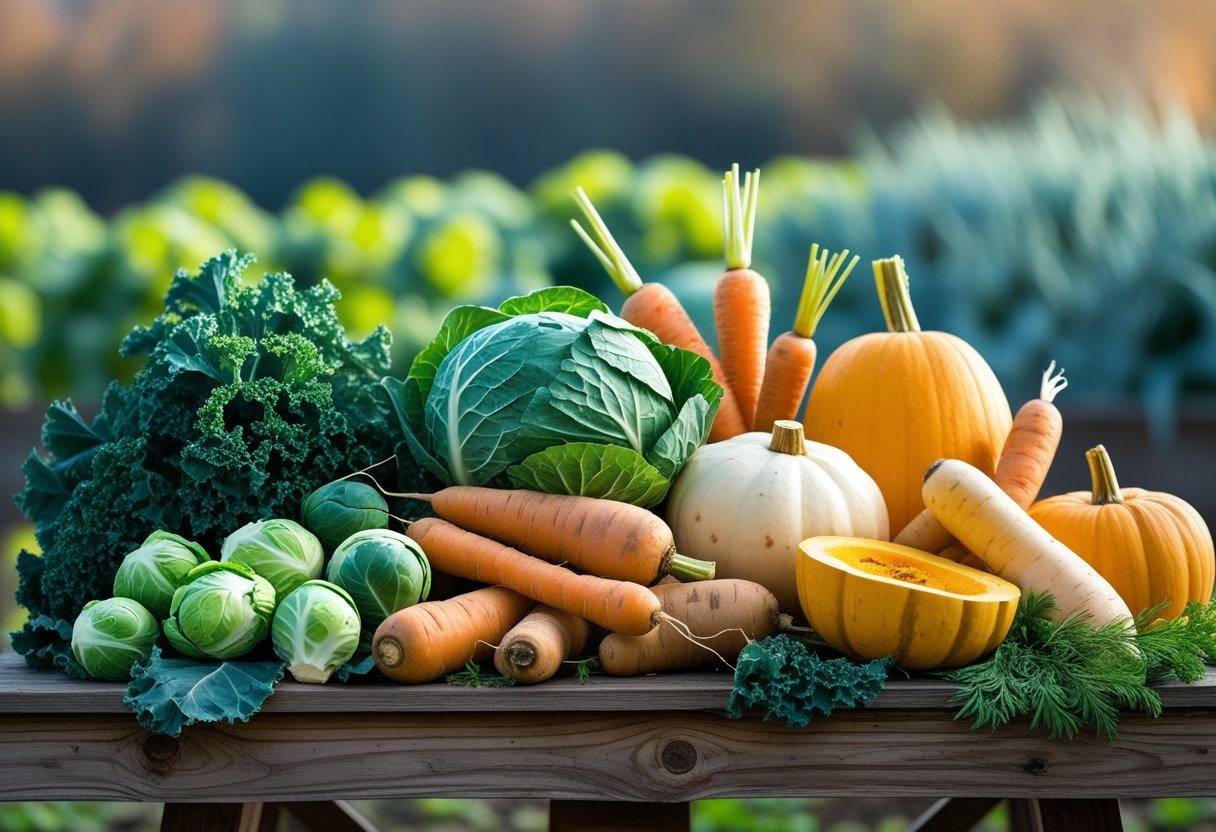
Cold hardy vegetables let me grow fresh food even when the weather turns into a freezer, saving me from relying on the grocery store’s sad-looking produce (and expensive prices). Trust me, knowing which plants can handle the cold feels like having a secret superpower against winter’s icy grip.
1) Kale – The frost-kissed superhero of your winter salad.
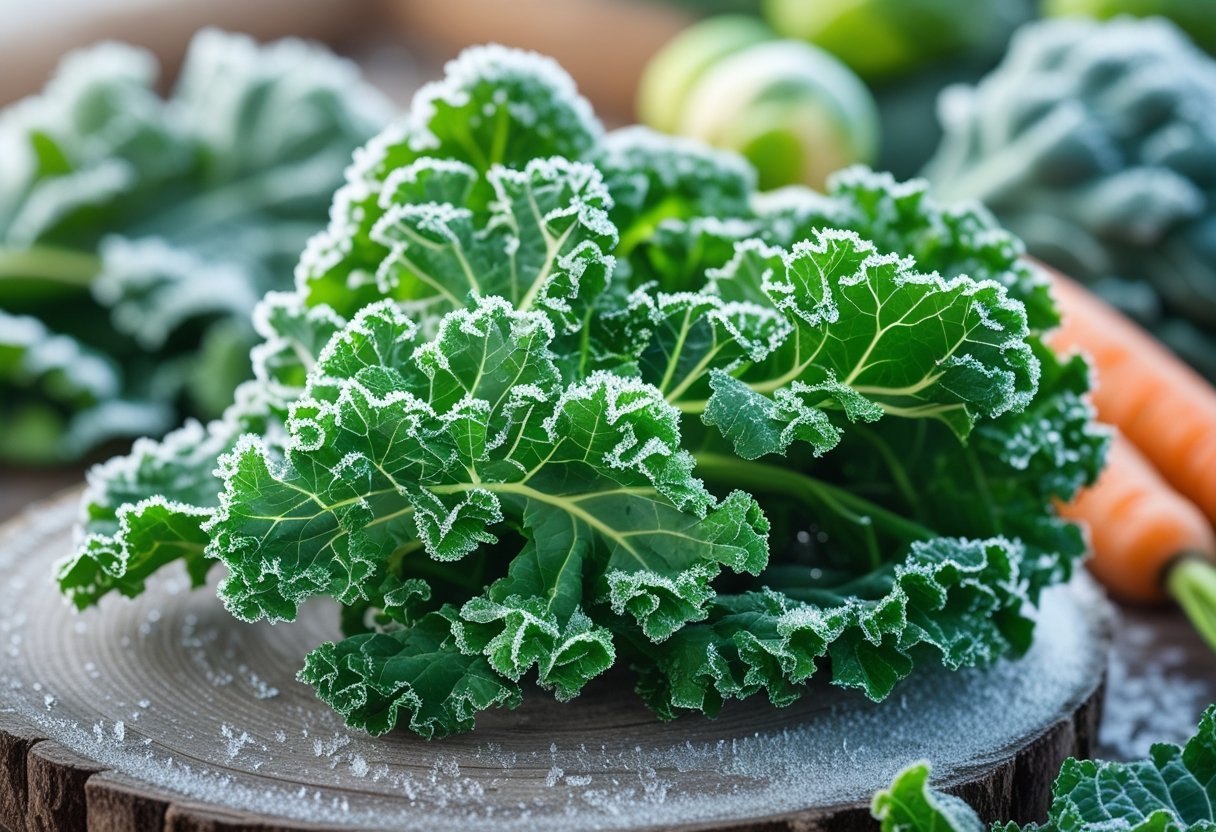
I have to admit, I didn’t always trust kale (hard to take it seriously when all the damn vegans talk about it). It looked tough, like the serious kid in class who never smiled. But then winter came, and while other veggies pout and hide, kale just laughs at frost like it’s a mild inconvenience.
Here’s the cool part: frost actually makes kale sweeter. I swear, it’s like nature’s way of saying, “You survived, here’s a reward.” Eating kale after a cold snap feels like biting into a leafy candy.
Kale is basically the superhero of my winter garden. It keeps growing when it’s freezing outside. Plus, it doesn’t need much help, just a bit of grit and some attention, and it’ll keep my salads fresh and my smoothie game strong all season. I’m telling you, kale doesn’t just survive winter; it owns it.
2) Brussels Sprouts – Tiny cabbages that laugh in the face of snow.
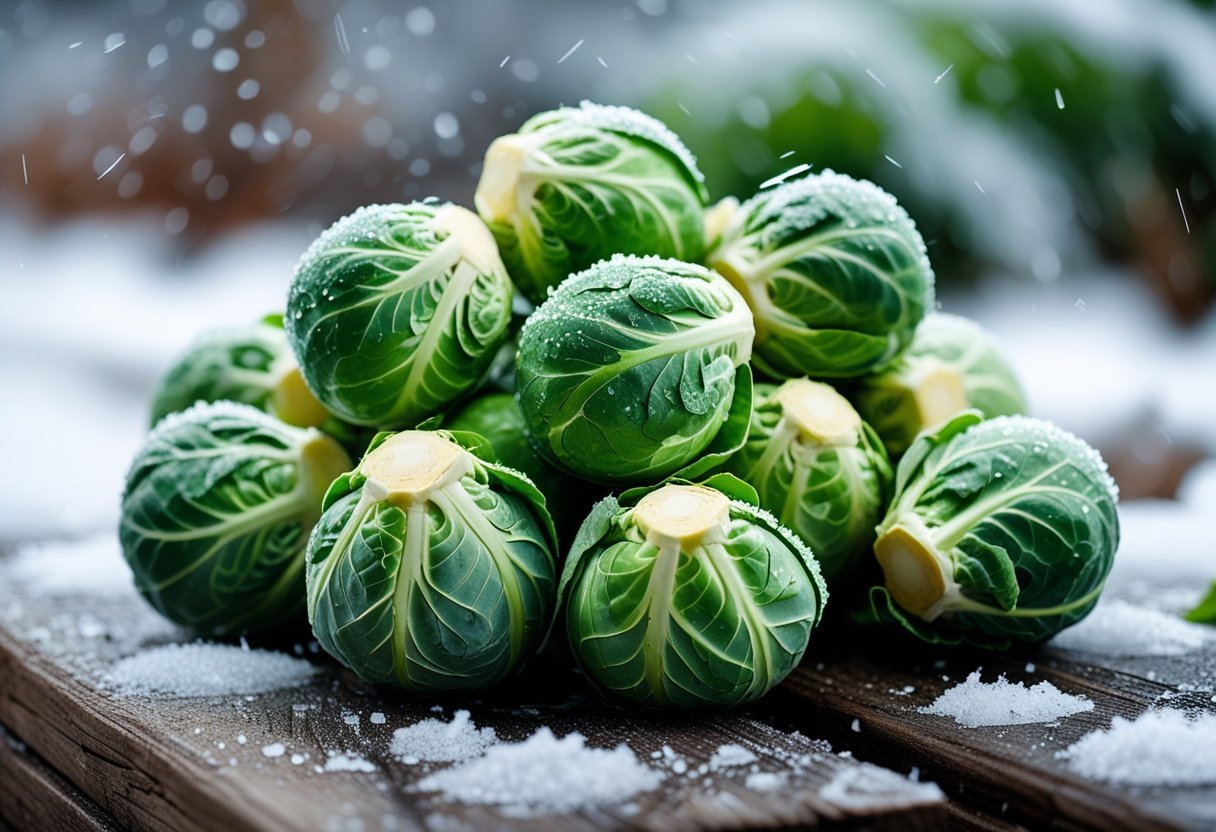
Brussels sprouts are like the little superheroes of the vegetable world. They look like mini cabbages, but don’t let their size fool you. These tiny green orbs can handle cold weather better than most veggies I know.
I’ve seen Brussels sprouts survive frosts that would make other plants shiver and quit. In fact, their flavor actually gets better after a few light frosts. It’s like a chilly spa day that makes them tastier.
Growing them is kind of fun. You harvest the sprouts from the bottom up as they mature, and they stay firm and bright green when they’re ready. They even grow well in snowy areas if you give them some protection.
So, when winter starts messing with your garden, Brussels sprouts keep standing tall. They’re tough, cold-hardy, and surprisingly delicious little cabbages in disguise. I always keep a few in my garden to remind me that small things can pack a punch—even in freezing weather.
There are also some really good recipes nowadays for them. They’ve definitly become more trendy!
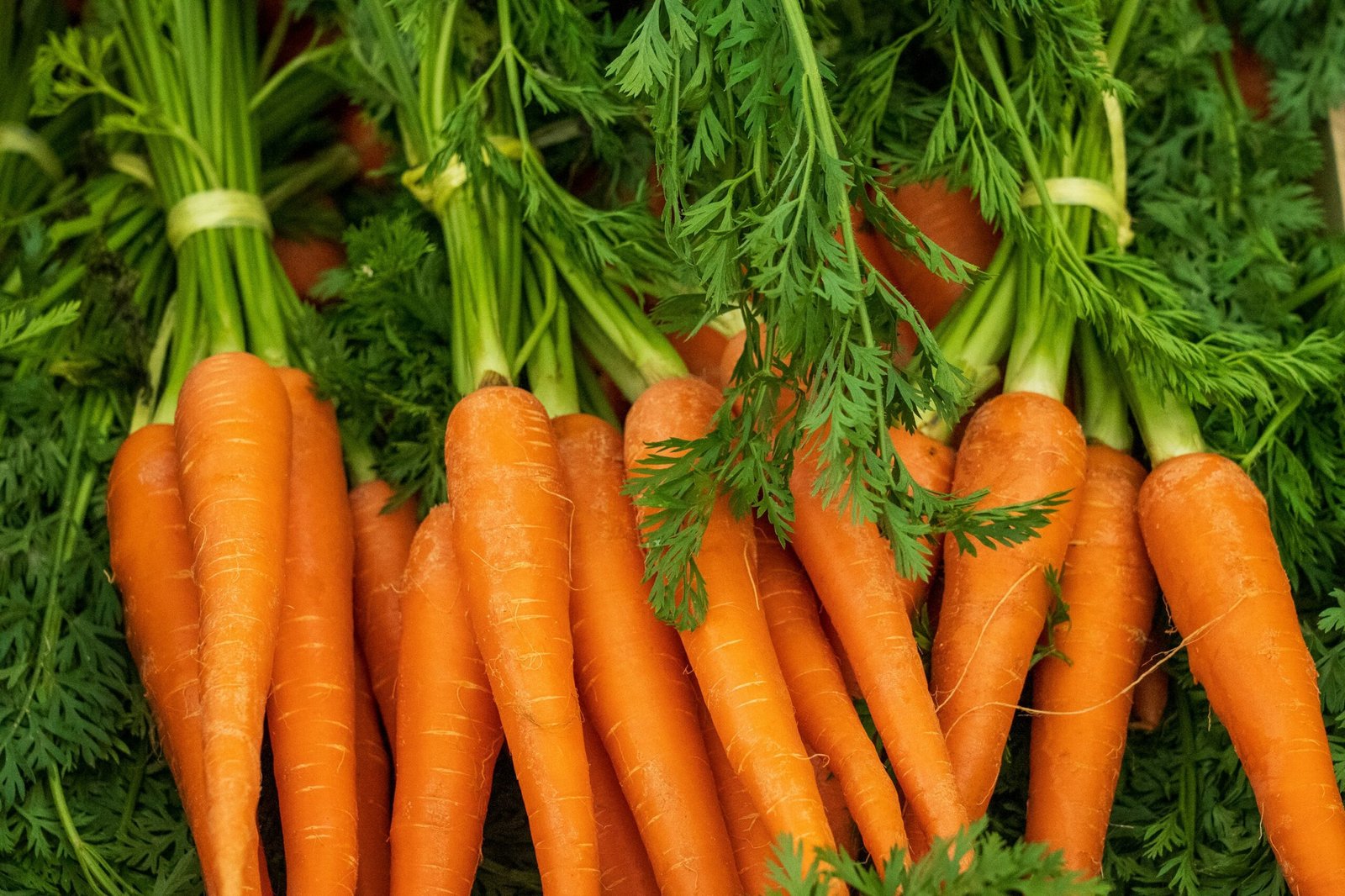
3) Carrots – Underground ninjas that sweeten with a frost.
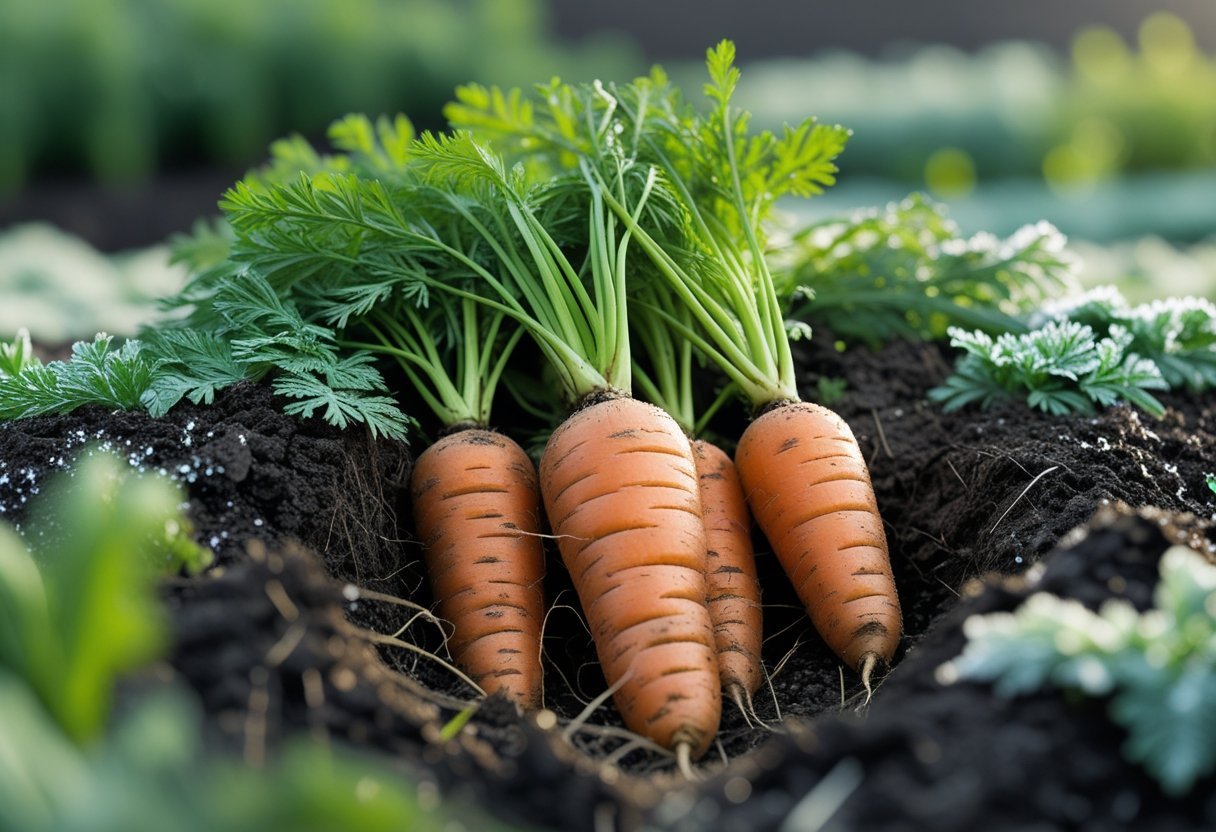
Carrots are the silent ninjas of the garden. While other veggies panic at the first frost, carrots just chill underground like they own the place. Their secret? Being root veggies means they get cozy below the surface, avoiding the cold drama happening above.
Now, here’s the cool part (no pun intended). When frost hits, carrots actually get sweeter. It sounds like magic, but it’s just science doing its thing. The cold makes carrots turn their starch into sugar. They basically become little orange candy sticks hiding in the dirt.
I like to think of frost as a natural sweetener for carrots. Instead of whining about winter, they welcome the chill and say, “Bring it on.” So, if you want carrots that taste like a treat, let them get a little frosty first. They handle the cold better than most veggies—and they make winter cooking way more interesting.
4) Swiss Chard – Because even winter gardens need some colorful sass.
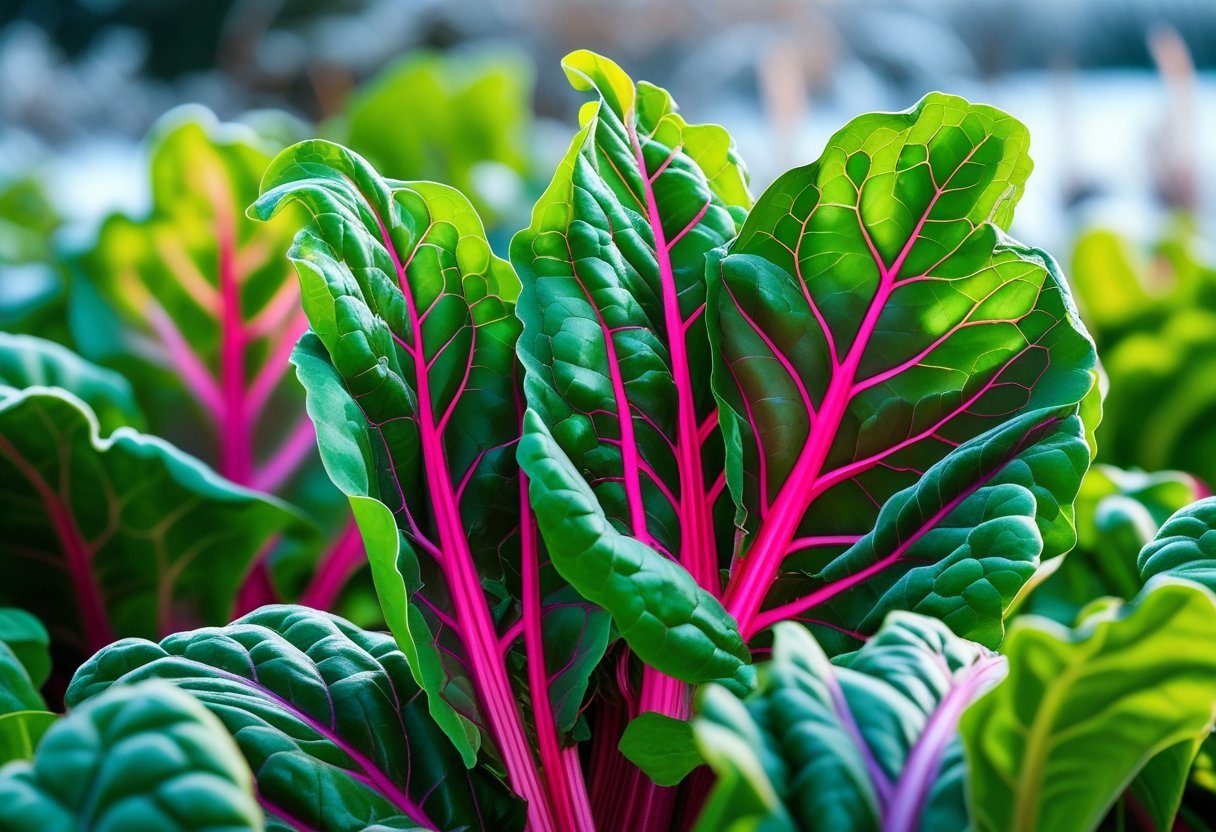
I love Swiss chard because it’s like the garden’s fashion statement in winter. When everything else looks tired and gray, chard pops up with its bright, colorful stems in red, yellow, and orange. It’s basically wearing a flashy jacket while the rest of the plants wear hoodies.
Plus, it’s tough. I mean, really tough. Swiss chard laughs at frost and just keeps growing, giving me tasty leaves long after other veggies have packed up for the season. It doesn’t bolt quickly like spinach, so I get to enjoy it for months.
If you want a winter garden that’s both useful and shows off a bit, Swiss chard is your go-to. It’s easy to grow, handles cold weather like a champ, and it makes your garden look like it’s having way more fun than it actually is. Colorful, hardy, and delicious? Yes, please!
5) Spinach – Cold weather’s leafy green that never quits.
Spinach is like the workhorse of the cold garden. It handles frost like a champ and keeps growing when other plants are shivering. I swear, it’s the vegetable version of a superhero in a chilly cape.
There are some spinach varieties that laugh in the face of winter. I’m talking about tough types like Winter Giant and Matador. They keep producing fresh, tasty leaves even when it’s freezing outside.
Growing spinach in cold weather is not just smart; it’s pretty fun. You get to munch on fresh greens all winter without fighting bugs or heat. Plus, it grows fast, so you don’t have to wait forever to see your efforts pay off.
If I had a garden team, spinach would definitely be MVP for winter. It’s reliable, hardy, and surprisingly easy to grow. So, if you want a green buddy that sticks with you through frost and snow, spinach is your go-to plant.
6) Parsnips – Like carrots’ mysterious, pale cousins who love the cold.
Parsnips are like that quiet family member at a gathering—looking a lot like carrots but with a secret sweet side. They’re pale and a little mysterious, hiding a sugary flavor that only comes out after a good frost. It’s like nature’s way of saying, “Wait until dessert.”
I love how parsnips just laugh at cold weather. While other veggies shiver, parsnips get sweeter and tastier when the temperature drops. They’re tough little roots that thrive in chilly soil, sticking around longer in my garden than most veggies.
You can cook parsnips just about any way you treat carrots—roast them, mash them, or toss them in a stew. But don’t be fooled by their humble look. Parsnips bring a nutty, slightly spicy kick that makes you wonder why they aren’t the star of every soup season.
In short, parsnips are like the cool cousin who’s low-key but always ready to surprise you. If you haven’t met them yet, you might want to invite them to your next cold-weather dinner.
7) Collard Greens – Southern comfort that can punch frost in the face.
I’ve always admired collard greens (is it because I’m a southerner, maybe?!) because they act like tough little warriors in the garden. Frost? Please. Collards just laugh at it. They can handle cold temperatures way better than most leafy greens, staying green and stubborn even when it’s near freezing.
In fact, a light frost actually makes collard greens taste sweeter. It’s like their way of saying, “Thanks for the challenge, frost, I’m delicious now.” I often wait for that first frost before picking the leaves. It’s all about that sweet, Southern comfort flavor.
They can survive temps close to 20°F (-6.7°C), but if it gets too cold, like below that, well, they might throw in the towel. For me, they’re proof that you don’t need to give up on fresh greens just because the temperature drops. Collards punch frost in the face and keep growing.
8) Leeks – Onion’s elegant cousin braving the frost like a boss
I have to say, leeks are the sneaky heroes of the cold garden (but don’t ever juice one… I tried that once and ugh!). They look like green onions in fancy coats, standing tall when frost tries to mess with them. While others hide, leeks keep cool and carry on growing.
Plant them in late winter or early spring, and you barely need to babysit. Frost, hail, or even a surprise snow? No problem. These allium relatives laugh in the face of bad weather.
The best part? When the cold hits, leeks get sweeter. It’s like they put on a tuxedo and improve their flavor just for winter stews and soups. I’ve found the “Blue Solaise” variety especially tough and fancy-looking in my patch, standing proud while other plants droop.
If you want a low-fuss, frost-proof veggie that brings a mild, oniony charm to your kitchen, give leeks a shot. They’re proof you don’t have to be flashy to be a garden rockstar.
9) Cabbage – The frosty head of the winter veggie squad.
I’ve got to hand it to cabbage—it’s like the tough, silent type in the garden. While other veggies are whining about the cold, cabbage just shrugs and says, “Bring on the frost.” It forms tight, dense heads that don’t melt under the pressure of chilly weather.
Some cabbages can handle temps down to 20ºF, and baby cabbages might even survive -10°F. Now that’s what I call cold tolerance! If you ask me, they’re the ultimate winter warriors, sticking around when most plants have packed up for the season.
Picking the right variety is key. I tend to go for those winter-friendly cabbages like Red Acre or January King. They don’t just survive cold—they thrive and stay tasty, perfect for steaming, salads, or that classic cabbage stew.
I’ll admit, I do watch the forecast closely and will cover my cabbages if a big freeze hits hard. But honestly, they’re already halfway to being frost champions by default. They make winter gardening feel a little less like a frosty battle and more like a cool victory dance.
10) Turnips – Root veggies with a chilly attitude problem.
Turnips are like the tough guys of the garden world. They don’t care if it’s cold outside—they just keep growing. I swear, these root veggies can handle temperatures as low as 20°F and sometimes even colder. They might seem humble, but they’re pretty stubborn when frost shows up.
What’s funny is that turnips actually get sweeter after a light frost (like a lot of these veggies). It’s like they get a little extra sass from the cold, turning their flavor from mild to mildly delightful. Plus, you get two crops for the price of one—roots and greens. I mean, who else does that?
If you ask me, turnips don’t need much pampering. Just plant them right, protect them during hard freezes, and watch them thrive. They’re perfect for winter gardens when other veggies are throwing in the towel. Honestly, turnips are the reliable friend who braves the cold without so much as a shiver.

Getting Started: Soil And Site Secrets
Before diving in, you need to nail two things: the soil your plants will call home and the exact spot where they’ll battle the cold. These factors aren’t just boring chores—they can make or break your chilly veggie dreams.
Frosty Friendships: Soil Prep Tips
If your soil were a party guest, you want it healthy and ready to mingle. Cold-hardy veggies favor soil with a pH between 6.0 and 7.0—that’s neither too sour nor too sweet. I always start by testing my soil’s pH and nutrients. It’s like reading the weather forecast, but for dirt.
Add compost or well-rotted manure to boost nutrients and improve soil texture. This helps roots dig deep and brave the cold. Also, clear out old plants from summer. Dead matter can harbor pests and disease, and nobody invited those party crashers.
Finally, mulch your beds with straw or leaves. This acts as a cozy blanket, keeping the soil from freezing solid and helping your veggies stay comfy.
Sunlight Versus Shivering: Picking The Best Spot
Let’s talk sun. Even cold-weather plants like a good sunbath. I look for a spot that gets at least 4-6 hours of sunlight daily. More sunlight equals better energy for growing.
Avoid low areas where frost settles like unwanted guests. Cold air pools down there, which can freeze your plants overnight. Instead, I choose spots with good drainage and some wind protection, like near a fence or shrubs.
Remember, your cold-hardy veggies aren’t invincible—they need a little TLC from you and a good location to prove it.
Caring For Cold Hardy Vegetables Like A Pro
Keeping cold-hardy veggies happy means balancing their water needs and wrapping them in cozy blankets. Too much or too little water can turn your garden into a soggy mess or a sad desert. And keeping the soil warm? Well, that’s where mulch becomes your best friend, saving you from frozen roots without the need for a spa day.
Watering Woes And Wins In Chilly Weather
Watering cold-weather plants isn’t as simple as “pour some H2O.” When the ground is cold, these veggies don’t drink as much. I learned that watering too often can drown the roots or cause freezing issues overnight.
Here’s my watering routine:
- Water early in the day. This lets excess moisture dry before frost hits.
- Keep soil moist, not soaked. Cold roots don’t like soggy feet.
- Check soil first—if the top inch feels dry, it’s time to water.
Avoid watering late in the day; otherwise, you’re throwing a party for frost and root rot!
Mulching Mayhem: Tricks To Trap Warmth
Mulch is like a warm jacket for your plants, but you have to choose wisely. I use straw or shredded leaves because they hold heat and drain well. Plastic mulch might seem fancy, but it can trap too much moisture and freeze a plant’s toes off.
Here’s the magic:
- Spread 2-3 inches around the base, leaving a bit of space near stems to avoid rot.
- Mulch keeps temperature swings down, so roots don’t freak out from freezing and thawing all night.
- It also helps stop weeds that try to crash the winter garden party.
Mulching isn’t just a lazy gardener’s trick—it’s the secret winter weapon I swear by!
Frequently Asked Questions
Winter gardening is like hosting a cool party where the veggies either RSVP “I’m in” or ghost you because of frost. Some vegetables don’t just survive—they throw a frostproof fiesta. Here’s the lowdown on which veggies bring the winter heat and which ones might need a cozy blanket.
Which veggie is cool as a cucumber even when Jack Frost is in town?
Kale is the ultimate frost superhero. It doesn’t just survive cold winds—it gets sweeter like a rebel with a cause. Spinach is right behind, tough and leafy, refusing to quit no matter how nippy it gets.
Got a sweater for that parsnip, or does it tough it out in the frost?
Parsnips have tough underground roots, so they actually get tastier after a frost. No sweaters needed—they’re ninja root veggies that get sweeter, turning chilly weather into their personal flavor boost.
Is there a veg-o-meter for frostiness to keep my greens grinning through the chill?
If there were, kale and Brussels sprouts would score max points. Brussels sprouts laugh at snow and cold, hanging out on their stalks like tiny armored cabbages. Swiss chard adds some colorful sass to the mix, handling cold like a boss.
Can my garden throw a winter party in Zone 6 without the veggies getting cold feet?
Absolutely. If you plant cold-hardy champs like kale, carrots, and spinach in Zone 6, your garden will be the place to be. Just plan your planting in late summer or early fall so they’re ready to rock the cold.
What are the veggie VIPs for an ice-cold soiree in Zone 5?
Zone 5’s top picks include kale, Brussels sprouts, carrots, and spinach. These veggies stick around through frost and snow, making sure you get fresh greens and roots even when the temperature drops.
Are there any fast growers that’ll brave the frost for a speedy salad surprise?
Spinach grows pretty fast and doesn’t mind the cold. It’s the go-to green if you want quick, frost-friendly leaves for a salad that says, “Winter? No problem.” Keep an eye on planting times to get those speedy harvests.