
For many deer hunters, the rut is the most exciting time of the entire season.
Cold mornings.
Fresh scrapes appearing overnight.
Bucks chasing does through the woods in broad daylight.
During the rut, the behavior of whitetail deer changes dramatically. Mature bucks that normally move only at night suddenly begin traveling during daylight hours in search of receptive does.
Because of this, many hunters plan their entire season around the rut.
But while rut hunting increases opportunity, success still depends on understanding how deer behave during each phase of the rut and where to position yourself when activity peaks.
These rut hunting tips will help you recognize the signs of the rut, locate active deer movement, and increase your chances of encountering mature bucks.
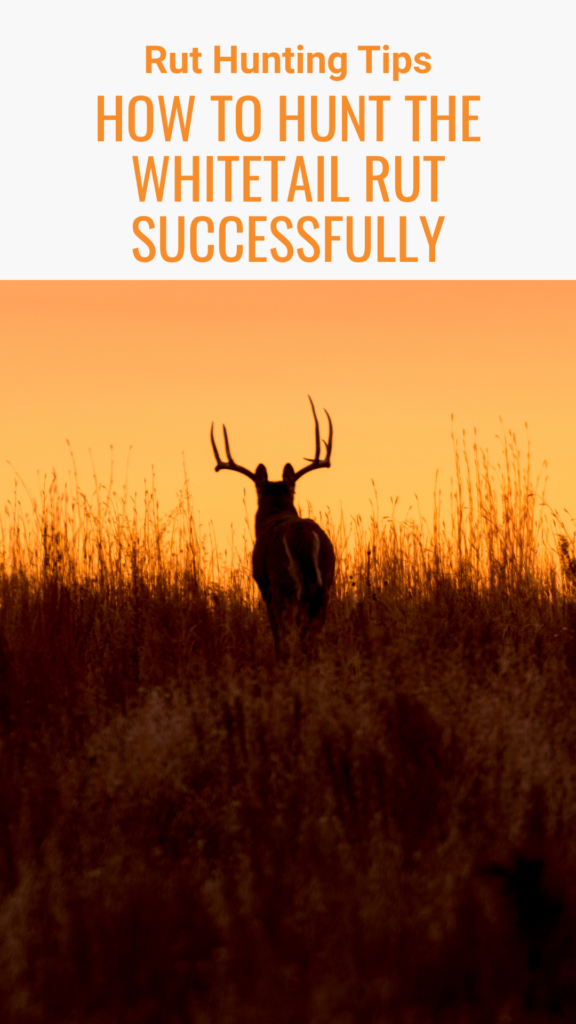
What Is the Whitetail Rut?
The rut refers to the annual breeding season of whitetail deer.
During this period, bucks actively search for does that are ready to breed.
Hormonal changes cause bucks to become more aggressive, territorial, and mobile. They travel greater distances and often move during daylight hours while searching for does.
Because of this increase in movement, the rut is widely considered the best time of the year to harvest a mature buck.
However, rut activity does not happen all at once. Instead, it progresses through several distinct phases.
The Four Phases of the Whitetail Rut
Understanding the phases of the rut helps hunters predict deer movement more accurately.
Pre-Rut
During the pre-rut, bucks begin establishing dominance and preparing for breeding season.
You may notice:
• Increased scraping activity
• Bucks making rubs on trees
• Bucks sparring or pushing each other
• Increased daytime movement
This phase is when many hunters begin seeing bucks appear on trail cameras during daylight.
Seeking Phase
During the seeking phase, bucks start traveling widely while searching for receptive does.
Bucks often move along:
• Travel corridors
• Ridge tops
• Edges of bedding cover
• Funnels between habitat features
This is one of the most productive periods for hunters because mature bucks move more frequently during daylight hours.
Peak Rut
Peak rut occurs when does begin entering estrus.
At this stage, bucks focus heavily on breeding and may stay close to individual does for extended periods.
You may observe:
• Bucks chasing does
• Multiple bucks competing for a doe
• Increased vocalizations and grunting
Because bucks sometimes stay with one doe for several days, sightings can be unpredictable during peak rut.
Post Rut
After the main breeding period ends, buck movement slows slightly as deer recover from the intense activity.
However, some breeding still occurs during this phase.
Hunters can still encounter mature bucks as they resume feeding patterns and continue searching for late-cycle does.
Best Locations to Hunt During the Rut
One of the most important rut hunting tips is learning where to focus your time in the woods.
Unlike early season hunting that focuses heavily on food sources, rut hunting revolves around finding does.
Where does gather, bucks eventually follow.
Doe Bedding Areas
Doe bedding areas become hotspots during the rut.
Bucks often travel near these areas while searching for receptive does.
Common doe bedding locations include:
• Thick cover near food sources
• South-facing slopes during cold weather
• Dense brush or young timber
• Edges of swampy areas
Setting up downwind of doe bedding areas can produce exciting encounters during the rut.
Travel Funnels
Funnels naturally concentrate deer movement.
During the rut, bucks frequently travel these areas while covering ground.
Examples include:
• Saddles between ridges
• Narrow strips of timber between fields
• Creek crossings
• Terrain pinch points
Funnels allow hunters to intercept deer traveling between bedding areas and feeding locations.
Scrape Lines
Scrapes are areas where bucks paw the ground and leave scent signals.
Active scrape lines often develop along travel routes.
During the rut, bucks frequently revisit these locations to check for receptive does.
Hunting near active scrape lines can provide valuable opportunities during the seeking phase.
Rut Hunting Tips That Work
While the rut can feel unpredictable, certain strategies consistently improve success.
Hunt All Day
During most of the season, deer movement peaks around dawn and dusk.
But during the rut, bucks may move at any hour of the day.
Some of the biggest bucks are harvested between late morning and early afternoon while searching for does.
If possible, consider staying on stand for extended periods during peak rut activity.
Use the Wind to Your Advantage
Even during the rut, mature bucks rely heavily on their sense of smell.
Always choose stand locations that keep the wind blowing away from bedding areas and travel routes.
If the wind direction is wrong for a particular location, it’s often better to wait for a better day.
Rattling and Calling
During the rut, bucks become more aggressive and responsive to vocalizations.
Calling techniques may include:
• Grunt calls
• Rattling antlers
• Snort-wheeze calls
These sounds imitate bucks fighting or communicating during breeding season.
When used carefully, calling can attract curious or territorial bucks into range.
Stay Hidden
Even during the excitement of the rut, deer remain cautious.
Good concealment remains essential.
Choose stand locations that provide:
• Natural cover
• Minimal movement visibility
• Clear shooting lanes
Remaining still and patient often pays off during rut hunting.
Common Rut Hunting Mistakes
Many hunters become overly aggressive during the rut and make mistakes that reduce their chances of success.
Common errors include:
Hunting Only Food Sources
During the rut, bucks prioritize breeding over feeding.
Focusing only on food sources can cause hunters to miss the most active deer movement.
Ignoring Wind Direction
Even during peak rut activity, deer will detect human scent quickly.
Poor wind management can ruin an otherwise perfect stand location.
Leaving the Stand Too Early
Many hunters leave their stands by mid-morning.
But rut activity often increases later in the day when fewer hunters remain in the woods.
Why the Rut Is the Best Time to Hunt Mature Bucks
Mature bucks are typically the most cautious deer in the woods.
For most of the season, they limit movement during daylight to avoid predators.
But the rut changes everything.
Driven by instinct and hormones, bucks temporarily abandon their usual caution.
They travel farther, move more often, and sometimes make mistakes that give hunters rare opportunities.
This combination of increased movement and reduced caution is why many of the largest whitetail bucks are harvested during the rut each year.
Final Thoughts on Rut Hunting Tips
The whitetail rut is one of the most exciting periods in deer hunting.
Understanding how deer behave during each phase of the rut can dramatically increase your chances of success.
By focusing on:
• Doe bedding areas
• Travel funnels
• Scrape lines
• Proper wind direction
…hunters can position themselves where rut activity naturally concentrates.
While the rut can sometimes feel chaotic, the hunters who consistently succeed are those who combine patience, preparation, and a deep understanding of deer behavior.
And when everything finally comes together — a cold morning, fresh sign, and a buck chasing a doe through the timber — the rut delivers the kind of hunting moments that keep us coming back season after season.
➡️ Public Land Deer Scouting Guide
➡️ How to Find Deer Bedding Areas


3 thoughts on “Rut Hunting Tips: How to Hunt the Whitetail Rut Successfully”