Most hunters can tell you exactly who took them the first time. Not what they wore. Not what rifle they used. But the person. That first experience sticks.
And whether we realize it or not, it shapes how someone feels about hunting moving forward. No pressure, right?
➡️ Youth Hunting Guide for Families
Mentoring Isn’t About Teaching Everything
This is where a lot of people get it wrong. They think mentoring means explaining everything.
Every detail. Every rule. Every “here’s what you should do.” And suddenly the whole thing feels… heavy.
Like a class instead of an experience. But mentoring isn’t about dumping information.
It’s about helping someone feel steady in something new. There’s a difference.
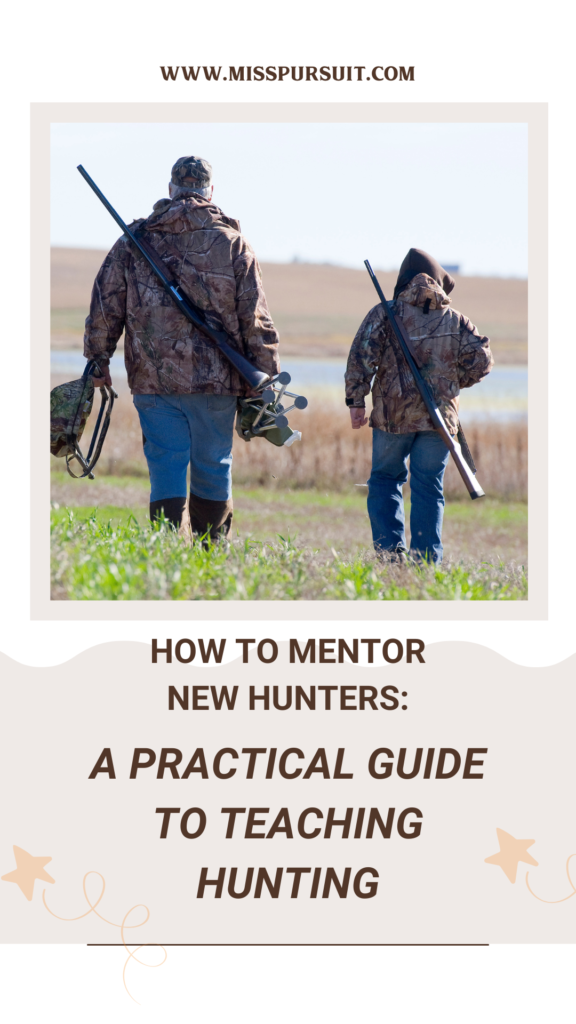
Start Before You Ever Step Into the Woods
One of the biggest mistakes is treating the hunt like the starting point. It’s not. If you’re mentoring someone, the real work starts before that.
Talk through:
• what the day will look like
• what they might feel
• what actually happens on a hunt
Because if you don’t… they fill in the blanks themselves. And usually not in a helpful way.
A lot of new hunters don’t even know what they don’t know. So instead of assuming anything, just walk them through it. Keep it simple (KISS, right?!). Real. No overcomplicating.
Let Them Learn at Their Pace (Not Yours)
This one took me a minute to figure out. You’re excited. You want them to experience everything. You want it to “go well.”
But here’s the thing:
They don’t need your pace. They need theirs.
Some people are ready quickly. Some need time to even feel comfortable being out there.
And pushing that too fast? That’s usually when people shut down. There’s actually a moment a lot of mentors miss. When someone is interested… but not quite ready yet.
And the best thing you can do? Wait.
One of the best things I’ve ever heard from someone I took out was:
“Thanks for taking me when I was ready.”
That stuck. Because mentoring isn’t about timing the hunt. It’s about timing the person.
Keep It Simple (Seriously)
You don’t need to turn their first experience into some full production. No complicated setups. No “perfect conditions” pressure. Just make it manageable.
Shorter sits.
Comfortable setups.
Low-pressure environments.
The goal isn’t to impress them. It’s to make them want to come back. And that usually happens when things feel simple and doable.
Don’t Make the Shot the Whole Point
This one matters more than people think. If everything revolves around “getting a deer,” you’re setting them up for a weird kind of pressure.
And honestly… that’s not what keeps people in hunting.
What keeps people in it is:
• understanding what’s happening around them
• noticing things they didn’t notice before
• feeling like they belong out there
A harvest is a moment. But the experience is what stays.
Even seasoned mentors emphasize that the experience, not just the kill, is what creates a lasting connection to hunting.
Be Calm (Even When You’re Not)
You know that feeling when a deer steps out? Yeah… they feel it too. Except everything is new on top of that.
If you get intense… they get overwhelmed. If you stay steady… they settle.
That part is on you.
Experienced mentors talk about staying calm and reassuring because it directly affects how a new hunter handles the moment.
So even if you’re thinking,
“Okay this could actually happen…”
You don’t need to say all of that out loud. Just keep it simple.
Let Them Mess Up (They Will)
They’ll move too much. They’ll forget something. They’ll ask questions at the exact wrong time.
Of course they will. So did you. So did everyone.
Mentoring isn’t about preventing mistakes. It’s about helping them not feel like those mistakes mean they don’t belong.
Because that’s usually the real risk.
Talk About the Hard Parts (Before They Happen)
This is the part people avoid. But it matters.
Don’t wait until after the shot to explain:
• what happens next
• what it looks like
• what it feels like
Because for someone new… that moment can be a lot. And not always in the way they expected.
Walk through it ahead of time. Not dramatically. Just honestly.
It helps more than you think.
You’re Not Just Teaching Hunting
This is the part that sneaks up on you.
You think you’re teaching someone:
• how to hunt
• how to shoot
• how to move in the woods
But really, you’re teaching them:
• how to handle pressure
• how to slow down
• how to respect something they’re part of
That’s the part they carry with them. Long after the hunt is over.
Mentoring Adult Beginners
While many mentors focus on youth hunters, adult beginners are becoming increasingly common (COVID definitely pushed this along).
Adults who did not grow up hunting may feel intimidated or unsure about where to start.
Mentors can help by:
• Explaining terminology clearly
• Breaking down complex skills into simple steps
• Encouraging questions without judgment
Many adult beginners become extremely dedicated hunters once they gain confidence.
Helping New Hunters Become Independent
As new hunters gain experience, mentors should gradually encourage independence.
This may include:
• Allowing them to plan hunts
• Teaching them how to scout areas
• Helping them set up stands
The goal of mentorship is to eventually help someone become confident enough to hunt on their own.
Why Mentorship Strengthens the Hunting Community
Mentoring new hunters benefits more than just the individual being taught. It strengthens the entire hunting community.
New hunters help:
• Support wildlife conservation funding
• Preserve hunting traditions
• Promote responsible land stewardship
By sharing knowledge and experience, mentors ensure that hunting continues for future generations.
Final Thoughts on Mentoring New Hunters
Teaching someone to hunt is one of the most rewarding experiences an experienced hunter can have. The lessons learned in the woods extend far beyond the hunt itself. They include patience, responsibility, respect for wildlife, and a deeper understanding of nature.
Whether you’re mentoring a child, a friend, or a brand-new hunter discovering the outdoors for the first time, your guidance can shape how they experience hunting for the rest of their life.
Passing down hunting knowledge isn’t just about teaching skills; it’s about preserving a tradition that connects people to the land, wildlife, and each other.
If You’re Helping Someone Get Started
A lot of new hunters feel overwhelmed before they even begin. If you want something simple to walk them through the basics—gear, mindset, what to expect—the First Hunt Field Guide is a good place to start.
It helps take some of that pressure off you… and off them.
➡️ Public Land Deer Scouting Guide

One thought on “How to Mentor New Hunters: A Practical Guide to Teaching Hunting”