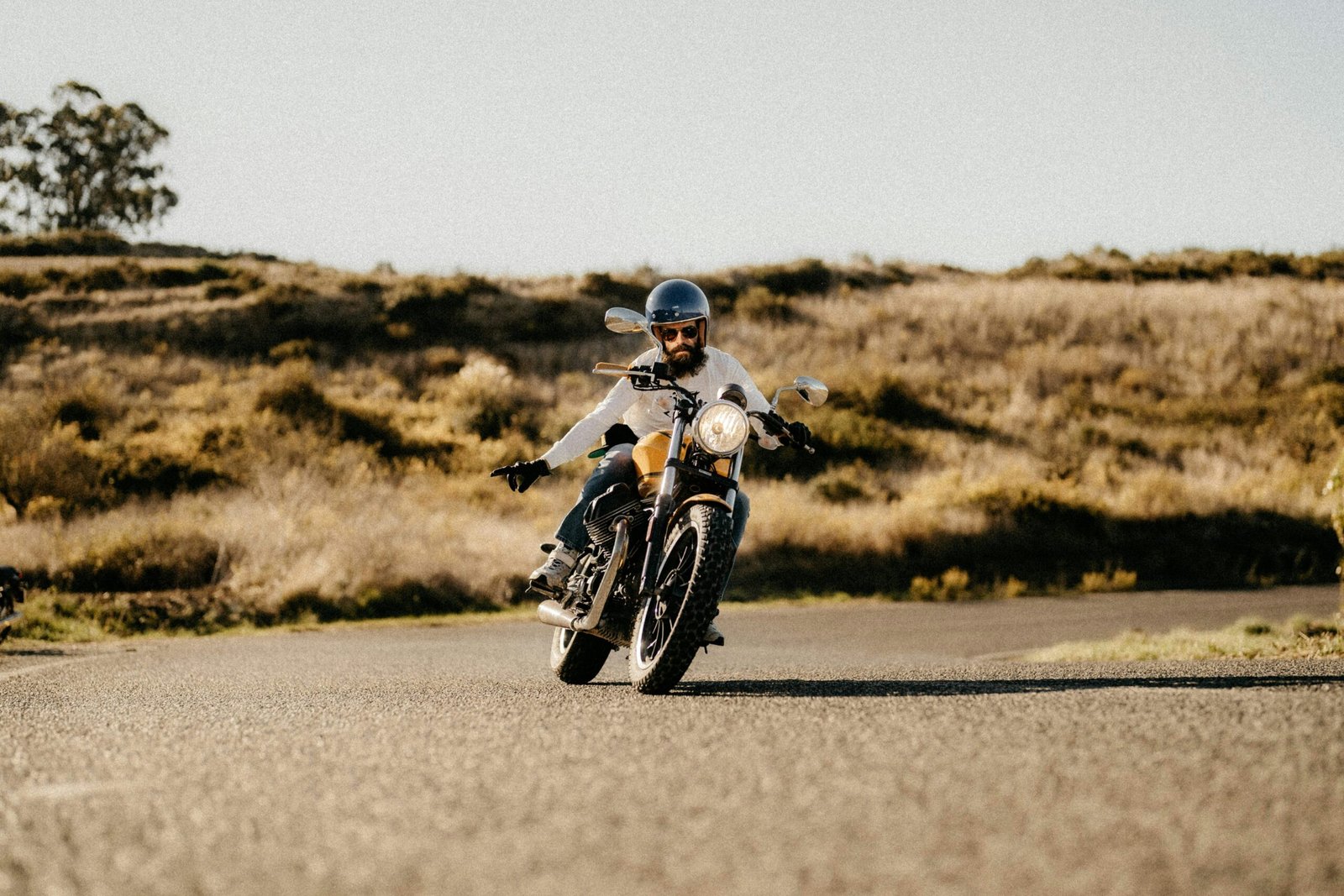
Most people don’t plan their first off-road ride. It just kind of happens. Someone shows them a photo, or they take a wrong turn down a dirt road, and suddenly the idea is planted. Next thing you know, you’re up at midnight scrolling through motorcycle listings with zero plan and way too much enthusiasm. Sound familiar? That’s fine. But before you hand over any money, it helps to slow down and actually think about what you need.
Start With Where You’re Going, Not What Looks Cool
This is the step most people skip when they start with browsing motorcycle listings. They see a bike they like and build a fantasy around it rather than asking whether it actually fits the riding they have in mind. Think honestly about your terrain. Are you planning easy fire roads and gravel paths on weekends, or do you want to tackle rocky trails and serious elevation? Those are two very different conversations. A dual-sport bike is a great all-rounder that handles light off-road riding and still gets you home on the highway without drama. An enduro or adventure bike gives you more capability in rougher country. Figure out where you’re going first. The right listing will make a lot more sense after that.
Learn to Read What Listings Are Actually Saying
Sellers are optimistic people. “Runs great” is a phrase that has covered a multitude of sins over the years. “Some cosmetic wear” is working overtime in a lot of ads. When you’re looking at trail or adventure bikes specifically, ignore the description for a moment and go straight to the photos. Look at the crash bars, the skid plate, the handlebars, and the foot pegs. These parts take the hardest hits on any off-road bike. Heavy wear on all of them tells you this bike lived a full life outdoors, which isn’t automatically a bad thing, but it does mean you need to look closer and ask more questions before getting excited.
Reliability Will Always Beat a Good Paint Job
It’s easy to get swept up by a great-looking bike. Adventure riding has a way of resetting your priorities on that front pretty quickly. When you’re browsing listings, focus your energy on models with a solid reputation for durability and straightforward maintenance. Bikes like the Honda CRF450L, the Kawasaki KLR650, and the Royal Enfield Himalayan have loyal owners for good reason. They’re tough, parts aren’t hard to find, and most mechanics have worked on them before. A beautiful bike with a sketchy service history sounds fun right up until you’re pushing it uphill with no cell signal and a growing sense of regret.
Talk to the Seller Before You Make the Trip
A listing that looks promising deserves a conversation before you drive anywhere. Ask about the last air filter service, the condition of the chain and sprockets, and whether the coolant has been changed recently. Ask if it’s ever been dropped. Most straightforward sellers will just tell you. The ones who dodge the question or get strangely vague are also telling you something, just not directly. Five minutes on the phone can save you a wasted afternoon and keep your energy pointed toward listings that are actually worth your time.
Set Your Budget Before a Listing Sets It for You
The most dangerous listing is the one that checks every single box. That’s when budgets quietly get stretched and rationalized. Decide on a firm number before you open a single tab, and treat it seriously. Remember to account for gear, insurance, and an early service visit. The whole point is getting out on the trail and actually enjoying it. Arriving broke takes the fun out of the adventure pretty fast.

One thought on “The Hunt for Freedom: A Guide to Browsing Motorcycle Listings for Rugged Outdoor Adventures”