Most scenic routes look forgiving on a map. The reality, whether it’s a winding mountain pass, a coastal highway with sharp switchbacks, or a desert stretch that climbs and drops without warning, is something a sports car feels at every corner.
Preparing a sports car for a road trip isn’t just about packing the right things. It’s about making sure the vehicle itself is ready for conditions that are more demanding than a daily commute. Before any adventure, the systems that carry the highest risk deserve attention first.
Pre-Trip Checks That Matter Most
Tires, brakes, and fluids sit at the top of that list for good reason. Checking tire pressure and tread depth before departure takes minutes, but it directly affects grip, fuel economy, and handling stability.
Tires, Brakes, and Fluids First
Brake pads and brake fluid both need a quick review, since fade and sponginess become real problems on long descents. Engine oil and coolant levels should also be confirmed, along with the serpentine belt, which tends to get overlooked until it fails. The NHTSA safety guidance on summer driving is a useful reference point here, particularly for minimum tread depth and proper tire pressure recommendations.
Sports Car Trouble Spots to Inspect
Sports cars add a few specific concerns to that baseline. Low ground clearance means underbody scrapes are a genuine risk on unpaved pullouts, and low-profile tires offer less margin for road debris. Cooling systems also work harder under sustained load, making that coolant check especially relevant before heading into mountain terrain or high-heat corridors.
Get Your Sports Car Road Ready
With the mechanical foundation covered, the next layer of preparation shifts to the systems that keep a driver alert, comfortable, and connected throughout a long route.
Check Visibility and Cabin Comfort
The battery deserves a check before any extended trip, particularly if the car sits unused for stretches between drives. A weak battery that starts fine around town may struggle after a hot afternoon parked at a trailhead. Headlights should be tested for proper aim and brightness, since mountain and coastal routes often involve driving through low-visibility conditions after sunset.
Windshield wipers are easy to overlook until conditions demand them. A streaky blade on a rain-slicked road curve is not the moment to discover they needed replacing. Air conditioning matters too, especially on desert or high-sun routes where cabin heat builds quickly and driver fatigue follows. If the car uses a phone mount for navigation, confirming the charging setup works reliably prevents the route going dark mid-trip.
Know When a Shop Should Inspect It
Self-checks cover a lot of ground, but performance cars carry systems that benefit from a professional eye before a demanding trip.
Brakes, cooling, alignment, and suspension all behave differently under sustained load than in normal city driving. A shop inspection catches wear that isn’t always visible without a lift. For modified builds, aerodynamic components like a C8 Corvette spoiler may also need a fit check to confirm they are securely mounted and suitable for highway speeds, particularly if they affect downforce or airflow. Splitters, racks, and other exterior accessories fall into the same category and are worth reviewing before departure.
Confirming roadside assistance coverage before leaving is a sensible final step, especially for routes that pass through areas with limited cell service or long gaps between exits.
Plan Routes Your Car Can Handle
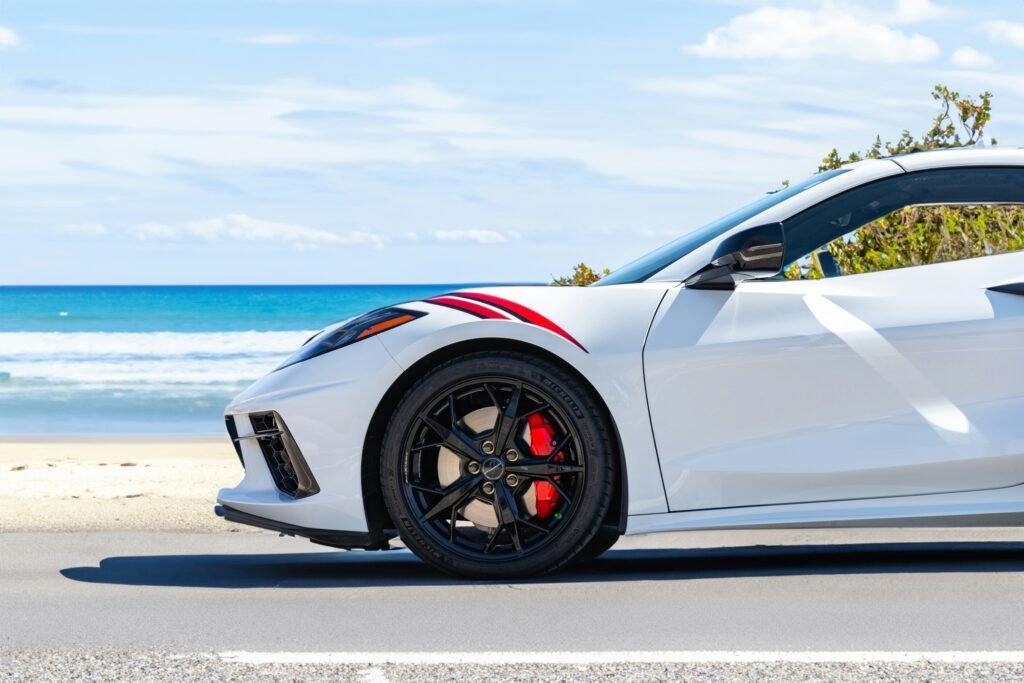
Scenic roads are not always sports car-friendly. A route that looks straightforward on a map can involve gravel detours, steep access roads, or surface conditions that a low-clearance car simply wasn’t built for. That’s why route planning deserves the same attention as the mechanical prep covered earlier.
Use Maps with Road Quality in Mind
Navigation apps like Google Maps and Waze show roads clearly, but they don’t always flag what matters most: surface quality, gravel detours, or steep driveways leading to overlooks that bottom out a low-clearance car before the view is even reached.
Before finalizing any route, it helps to cross-reference with satellite view to spot unpaved sections, construction zones, or access roads that look like tarmac but aren’t. Fuel stop spacing is another consideration, since isolated stretches between stations can catch sports car owners off guard, especially on routes with higher-than-expected fuel consumption from elevation gain and spirited driving. Planning a memorable summer drive also means accounting for areas with no cell service, where navigation apps go silent and offline maps become essential.
Keeping a backup route in mind isn’t overthinking it. It’s the difference between a manageable detour and a stuck car on a fire road.
Prepare for Weather and Elevation
Mountain and coastal routes bring shifting conditions that a sports car handles differently than most vehicles. Summer tires lose grip in cold rain, and convertibles face real exposure when a clear morning turns stormy by noon.
Checking forecasts for every segment of the route, not just the departure point, gives a more accurate picture of what the car will actually encounter. Elevation changes also push cooling systems harder and can affect tire pressure as temperatures swing. Confirming roadside assistance coverage before departure adds a practical safety net for high-elevation or low-signal stretches where help isn’t close.
Pack Light Without Skipping Essentials
Sports cars aren’t built for hauling, and most trunks leave little room for anything beyond the basics. That constraint makes item selection matter more than it would in a larger vehicle.
What to Keep in a Compact Emergency Kit
The goal is one compact kit that covers the most likely roadside situations without taking up space reserved for luggage. A well-organized emergency kit should include jumper cables, a tire repair kit, a basic first aid kit, a portable phone charger, and at least one bottle of water. Weather-ready layers are worth tucking in as well, particularly on routes where temperatures drop at elevation or after sunset.
One detail worth noting: many sports cars don’t carry a full-size spare tire, relying instead on a compact temporary spare or no spare at all. In those cases, a tire repair kit becomes the more realistic option for handling a minor puncture on the road. For a broader look at what belongs in the car before departure, a road trip essentials checklist can help fill any gaps that are easy to miss during packing.
Keeping everything in a single, organized bag makes it faster to access and easier to store in a tight trunk. Packing should also preserve rear visibility and avoid overloading the cargo area.
A Smoother Trip Starts Before You Leave
A well-prepared sports car handles unfamiliar roads with far more confidence than one sent out on good intentions alone. The key decisions come down to three things: inspecting the car, planning a route it can realistically handle, and packing for its limitations rather than ignoring them.
Checking engine oil, tire pressure, and brake fluid before departure addresses the variables most likely to cause problems mid-trip. A compact emergency kit fills the gaps that roadside assistance alone can’t cover.
None of this requires overthinking. It requires doing the work before the drive, not during it. The scenic roads will still be there. The goal is arriving at them ready.