Firearm maintenance isn’t just about keeping a gun looking good it’s about safety, reliability, and performance every time you pull the trigger. Yet one of the most common mistakes firearm owners make is treating cleaning as an occasional chore rather than a routine habit. Many people only reach for their tools after a heavy range day or a muddy hunting trip, assuming that light use doesn’t require attention. In reality, even a few rounds fired or simply carrying a firearm daily can introduce fouling, moisture, and debris that affect function over time.
This is where a professional gun cleaning kit makes a real difference. Instead of hunting down individual brushes, rods, solvents, and rags, a complete kit gives you everything needed to clean, lubricate, and protect your firearm in one organized system. In this guide, you’ll learn what qualifies as a professional-grade kit, why consistent cleaning matters, how often you should actually be doing it based on firearm type and use case, and a step-by-step process for getting it right every time.
What Is a Professional Gun Cleaning Kit?
What Makes It “Professional”?
Not every cleaning kit sold online deserves the “professional” label. A genuinely professional-grade kit is built around three core qualities:
- Complete cleaning tools in one kit: Everything from rods to patches is included, so you’re not improvising with mismatched parts.
- Quality brushes, rods, jags, and accessories: Made from materials that won’t damage bore surfaces or leave residue behind.
- Suitable for multiple firearm types: A well-designed kit works across handguns, rifles, and shotguns, rather than being limited to a single caliber or platform.
These qualities matter because inconsistent or low-quality tools can actually cause more harm than good think frayed brushes shedding bristles inside a barrel, or rods that scratch a bore instead of protecting it.
What’s Included in a Professional Gun Cleaning Kit?
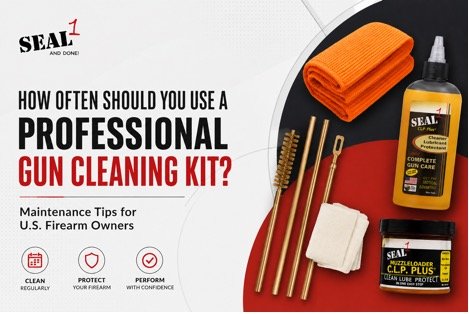
A well-stocked professional gun cleaning kit typically includes:
- Cleaning rods (often segmented for portability)
- Bore brushes sized for different calibers
- Cleaning patches
- A dedicated Gun Cleaning Rag
- Gun cleaning liquid (solvent, CLP, or lubricant)
- Picks and utility brushes for tight spaces like the action, trigger group, and extractor
Having all of these components together means you’re never caught without the right tool mid-cleaning a common frustration for owners who buy pieces individually.
Why Regular Gun Cleaning Matters
Improves Firearm Reliability
Carbon and powder residue build up inside the action and barrel with every shot fired. Left unaddressed, this buildup can cause failures to feed, extract, or eject. Regular cleaning keeps cycling consistent, which matters whether you’re at the range, in the field, or relying on a firearm for personal protection.
Prevents Rust and Corrosion
Moisture whether from humidity, sweat, or rain is one of the fastest ways to damage metal components. A proper cleaning routine removes that moisture and applies a protective layer, which is especially important for firearms stored long-term or carried daily in variable weather.
Extends Firearm Lifespan
Dirt and unburned powder act like abrasive sandpaper on moving parts. Routine cleaning reduces wear on the bore, slide, bolt carrier, and other components, helping your firearm perform reliably for years or decades longer.
Helps Maintain Accuracy
A fouled barrel changes how a bullet travels down the bore, which can affect shot consistency. Cleaning the bore regularly helps maintain the accuracy your firearm is capable of, which matters most to hunters, competitive shooters, and anyone who depends on precision.
How Often Should You Use a Professional Gun Cleaning Kit?
After Every Range Session
- Pistols: Clean after each range trip, especially if you’ve fired more than 100–150 rounds.
- Rifles: A quick bore and action cleaning after every session prevents carbon buildup from hardening.
- Shotguns: Even without heavy fouling, residue from shells and wads should be removed after use.
After Hunting Trips
Hunting exposes firearms to dirt, mud, moisture, and debris that a range session typically doesn’t. A thorough cleaning after every hunt not just at the end of the season helps prevent hidden corrosion in areas like the stock, action, and barrel threads.
After Carrying a Firearm Daily
Concealed carry firearms accumulate sweat, dust, and lint from holsters and clothing. Even if the gun is never fired, this buildup can affect the trigger, slide, and internal components over time.
Before Long-Term Storage
Before putting a firearm away for weeks or months, a full clean followed by a light protective coat of gun cleaning liquid helps prevent corrosion from developing unnoticed.
After Shooting High Round Counts
High-volume shooting sessions common with AR-platform rifles or competitive shooting accelerate carbon buildup and heat exposure. Clean sooner rather than waiting for your “usual” schedule.
Seasonal Maintenance for Firearms That Aren’t Frequently Used
Even firearms that sit in a safe for months benefit from a seasonal check and light cleaning. Oils can break down, and stored moisture can slowly cause corrosion even without use.
Cleaning Schedule by Firearm Type
| Firearm Type | Recommended Cleaning Frequency |
| Handguns | After every range trip or 200–300 rounds |
| AR-15 | Every range session or 300–500 rounds |
| Hunting Rifles | After each hunt and before storage |
| Shotguns | After hunting or every sporting session |
| Concealed Carry Pistols | Monthly inspection and cleaning |
Signs Your Firearm Needs Cleaning Sooner
Even with a schedule in place, watch for these warning signs that cleaning is overdue:
Carbon Buildup
Visible black residue around the muzzle, chamber, or action.
Sticky Action
Slides, bolts, or triggers that feel gritty or resist smooth movement.
Difficulty Chambering Rounds
Rounds that don’t seat fully or require extra force to chamber.
Rust Spots
Any orange or brown discoloration on metal surfaces.
Excessive Fouling
Heavy smoke, unusual smells, or visible residue after firing.
Poor Accuracy
A noticeable drop in shot consistency compared to normal performance.
Step-by-Step: How to Clean Your Firearm Using a Professional Gun Cleaning Kit
Step 1: Verify the Firearm Is Unloaded
Always confirm the chamber and magazine are empty before beginning. This is the single most important safety step in the entire process.
Step 2: Field Strip the Firearm
Follow the manufacturer’s instructions to break the firearm down into its major components for cleaning access.
Step 3: Apply Gun Cleaning Liquid
A quality gun cleaning liquid is essential for:
- Loosening carbon buildup
- Removing powder residue
- Cleaning the bore effectively without damaging the metal
Apply the solvent to a bore brush or patch and work it through the barrel and action.
Step 4: Scrub the Barrel and Action
Use the bore brush to scrub away loosened carbon and fouling, paying close attention to the chamber and feed ramp area.
Step 5: Wipe Components with a Gun Cleaning Rag
A dedicated Gun Cleaning Rag is used to:
- Remove loosened fouling from external and internal surfaces
- Wipe away excess cleaner before it drips into sensitive areas
- Apply a final protective wipe to prevent fingerprints and moisture from settling on the metal
Step 6: Lubricate Moving Parts
Apply a thin, even layer of lubricant to rails, pins, and other contact points to ensure smooth cycling.
Step 7: Reassemble and Perform a Function Check
Once reassembled, cycle the action and perform a function check to confirm everything operates as expected before storing or carrying the firearm.
Choosing the Right Gun Cleaning Liquid
CLP vs Dedicated Solvents
CLP (Clean, Lubricate, Protect) products combine multiple functions in one bottle, making them convenient for routine maintenance. Dedicated solvents, on the other hand, are often more effective at breaking down heavy carbon buildup during deeper cleanings.
Non-Toxic vs Traditional Cleaners
Many firearm owners today prefer non-toxic, biodegradable cleaning liquids that reduce fume exposure without sacrificing cleaning power a good option for those cleaning indoors or in enclosed spaces.
Features to Look For
When choosing a gun cleaning liquid, prioritize:
- Fast carbon removal
- Reliable corrosion protection
- Safety on metal, wood, and polymer surfaces
- Low odor for indoor use
- Easy, mess-free application
Why a Quality Gun Cleaning Rag Makes a Difference
Better Dirt Removal
A dedicated Gun Cleaning Rag is designed to lift dirt and residue rather than just push it around, unlike household cloths.
Prevents Lint Residue
Quality cleaning rags are woven to minimize lint shedding, which is important since stray fibers can interfere with moving parts.
Safe on Firearm Finishes
The right rag material won’t scratch bluing, cerakote, or polymer finishes, protecting your firearm’s appearance over time.
Reusable and Cost-Effective
A durable cleaning rag can be washed and reused repeatedly, making it a smarter long-term choice than disposable wipes or paper towels.
Common Gun Cleaning Mistakes to Avoid
- Waiting too long between cleanings
- Using household cleaners not designed for firearms
- Applying too much lubricant, which attracts dirt and debris
- Forgetting to clean the chamber thoroughly
- Skipping corrosion protection after cleaning
- Using dirty or contaminated cleaning cloths that reintroduce grit
How to Store Your Gun Cleaning Kit
Keep Liquids Properly Sealed
Always tighten caps fully to prevent evaporation or leaks that can degrade solvent effectiveness over time.
Store Cleaning Rags Separately
Keep rags away from solvents and oils when not in use to prevent cross-contamination and unwanted odors.
Replace Worn Brushes and Accessories
Frayed brushes or bent rods should be replaced promptly, since worn tools can scratch or damage firearm surfaces.
Keep Everything Organized
A dedicated case or pouch keeps all components together, so you’re never searching for a missing piece mid-cleaning.
Why Many U.S. Firearm Owners Choose a Professional Gun Cleaning Kit
- Convenience: Everything needed is in one place, ready to go.
- Better cleaning performance: Purpose-built tools clean more effectively than generic alternatives.
- Suitable for multiple firearms: One kit can service handguns, rifles, and shotguns alike.
- Saves money over buying tools separately: Bundled kits are typically more cost-effective than piecing together individual items.
- Consistent maintenance routine: Having a complete kit on hand makes it easier to stick to a regular cleaning schedule.
Final Thoughts
Regular firearm maintenance isn’t optional it’s a fundamental part of responsible gun ownership. Whether you’re a first-time owner, a competitive shooter, or someone who carries daily, using a professional gun cleaning kit on a consistent schedule directly improves reliability, accuracy, and the long-term lifespan of your firearm.
Pairing a quality gun cleaning liquid with a durable Gun Cleaning Rag ensures that carbon, moisture, and debris are removed thoroughly while your firearm’s finish stays protected. Trusted solutions like SEAL 1 Professional Gun Cleaning Kits bring all of these essentials together in one convenient system, giving both new and experienced U.S. firearm owners an easier way to keep every firearm clean, lubricated, and ready when it matters most.
Frequently Asked Questions
How often should I use a professional gun cleaning kit?
Most firearm owners should clean after every range session, hunting trip, or period of daily carry, and at minimum on a monthly basis for firearms in regular use.
Can I clean my firearm without a gun cleaning liquid?
While it’s possible to remove surface dirt with dry tools alone, a proper gun cleaning liquid is necessary to dissolve carbon buildup and protect metal from corrosion.
How often should I replace my gun cleaning rag?
Replace or wash your cleaning rag regularly, and retire it once it becomes stiff, torn, or overly saturated with old solvent and residue.
Is a professional gun cleaning kit worth buying?
Yes, for most owners, a complete kit offers better value and convenience than purchasing individual tools, especially if you own multiple firearm types.
Can one kit clean pistols, rifles, and shotguns?
Many professional kits include interchangeable components and multiple brush sizes, making them versatile enough to service a range of firearm types.
What happens if I don’t clean my firearm regularly?
Neglecting cleaning can lead to carbon buildup, rust, reduced accuracy, and eventually malfunctions or failures that compromise both performance a