Women are the fastest-growing group of new hunters and shooters in the country, and most of them start the same way: curious, a little unsure where to begin and tired of advice that assumes they already know everything. This guide walks through the steps that actually matter in your first year, from the classroom to the range to the field.
You do not need to grow up in a hunting family to do this well. Plenty of confident hunters picked it up as adults, through a friend, a spouse or a weekend class, and the learning curve is shorter than it looks. What helps most is going in order: learn the rules, build the basics, then add gear and experience one season at a time.
Start in a classroom, not the woods
Every state requires hunter education before you can buy a first license, and it is worth taking even if you only plan to shoot targets. A good hunter safety class covers firearm handling, shot placement, ethics and the laws you will be expected to know. Many ranges run these courses on weekends, and plenty of them now offer women-only sessions.
Take the class with a friend if you can. You will both remember more, and you will have a hunting partner when the season opens.
Before you sign up, check your state wildlife agency’s website. Most list upcoming classes by county, and many let you finish the reading portion online before a shorter in-person field day. Keep your certificate somewhere safe. You will need the number when you buy a license, and replacing a lost one can take weeks.
Practice at home before you pay for range time
Most of what makes a shot accurate happens before the trigger breaks: grip, sight picture and a smooth press. You can build all of that in your living room. With a cleared, unloaded firearm and a few minutes a day of dry fire training at home, you will arrive at the range with habits already in place, and your ammunition budget will go a lot further.
Keep live ammunition in a different room while you practice. It is the simplest safety rule there is, and the one people skip most.
Short sessions beat long ones. Ten focused minutes a few times a week will do more for you than an hour once a month. Pick one thing per session, such as a clean trigger press or bringing the gun to the same spot on your shoulder, and repeat it until it feels automatic. If you plan to hunt with a shotgun, practice mounting it with your eyes on a spot on the wall, so the gun comes up to your face and not the other way around.
Make your first range day count
Your first trip to a public range can feel intimidating. It does not have to be. Range officers are there to help, and they are easy to spot: most wear bright firearms instructor vests so new shooters know exactly who to ask. Tell them it is your first visit. Nearly every one of them would rather spend five minutes walking you through the rules than correct you later.
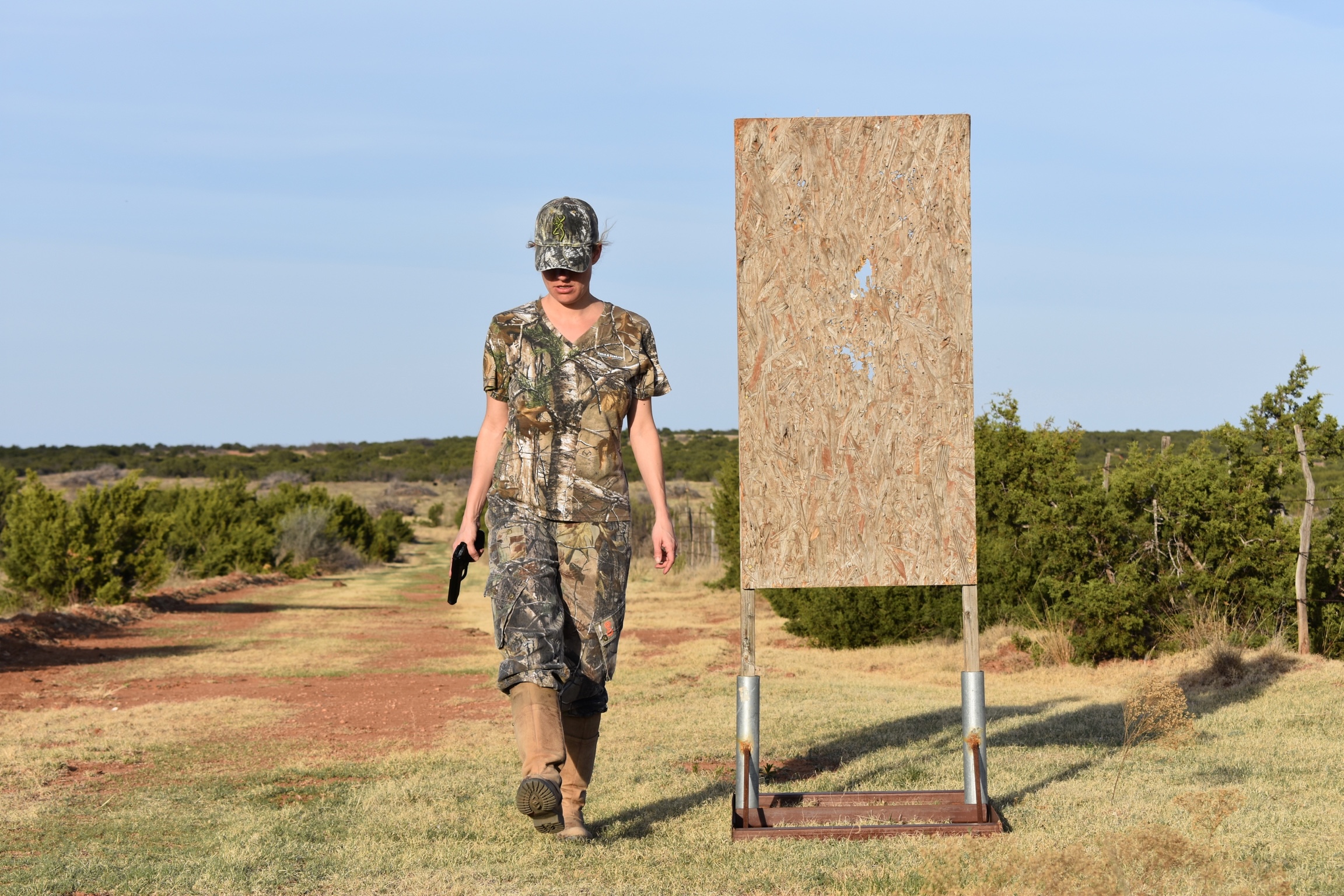
Bring eye and ear protection, start close to the target and shoot slowly. Groups first, distance later.
Check the range’s website or call ahead before you go. Most public ranges post their rules, hours and fees online, and some ask first-time visitors to sign a waiver or sit through a short safety briefing. Ask whether they rent firearms. Trying a few models before you buy is the cheapest way to find out what fits your hands.
Learn the range commands, too. When the line goes cold, everyone unloads, steps back from the bench and keeps their hands off their firearms while people walk forward to change targets. Following those calls without being reminded is the quickest way to feel like you belong there.
Choose gear that fits you
Much of the hunting gear on the market was designed around a man’s frame, and it shows. Rifles with long stocks and bows with heavy draw weights make shooting harder than it needs to be. Have a shop fit you before you buy, and do not be talked into more gun or more bow than you need.
For bowhunters, the sight matters as much as the bow. Look for bow sights built for hunting with bright pins you can see in low light, since deer move most at dawn and dusk.
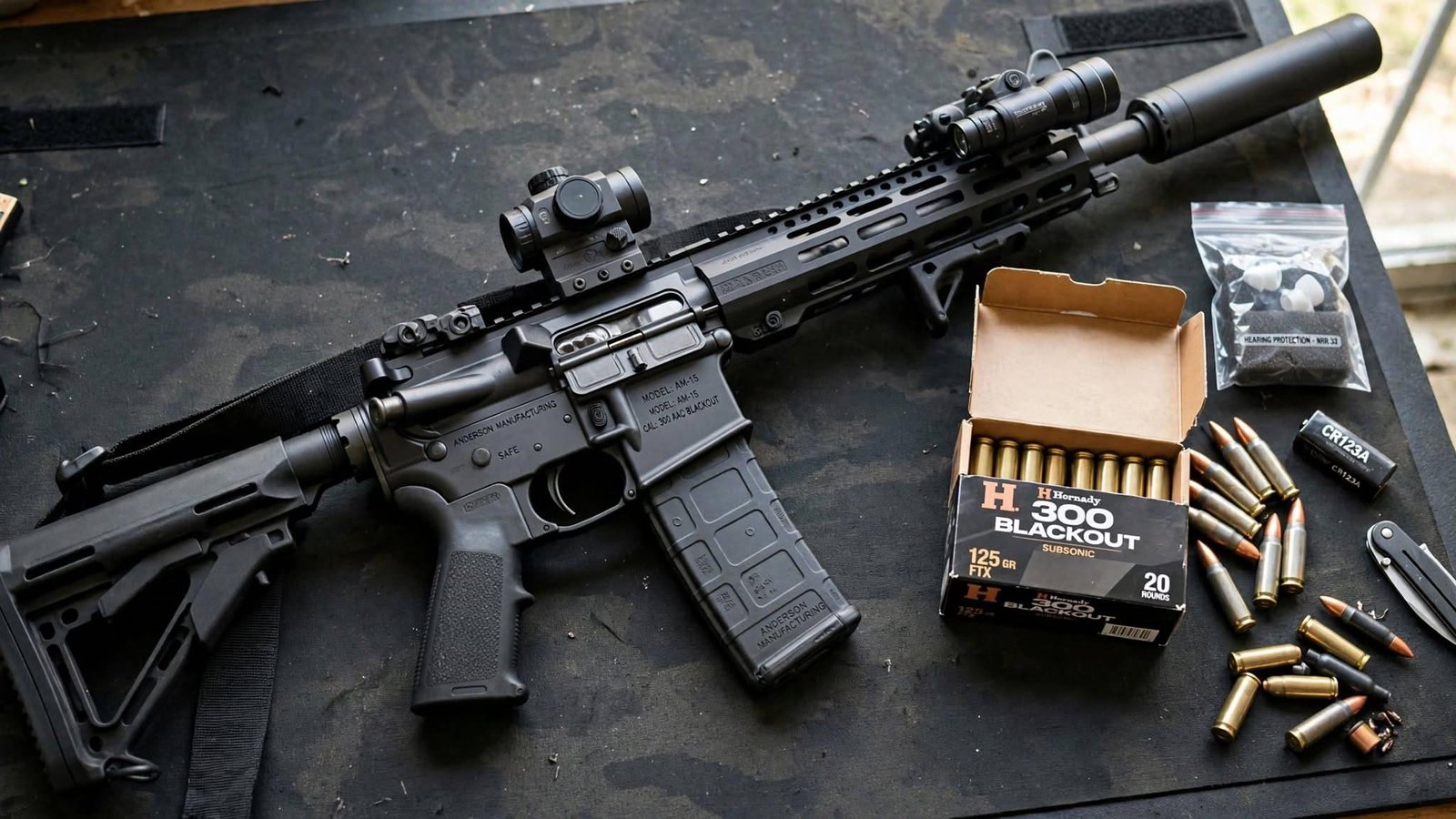
For rifle hunters, think about what you are putting in the magazine. Copper and other lead-free bullets hold together well, and they keep lead fragments out of the meat you bring home. If you are new to it, this guide to switching to lead-free rifle ammunition covers the basics. Whatever you choose, sight in with the exact load you will hunt with.
Clothing matters as much as the gun. Women’s hunting apparel has improved a great deal, and it is worth buying pieces cut for your frame instead of making do with a men’s small. Dress in quiet layers you can add and remove as the day warms up, check your state’s blaze orange rules for the season you are hunting and break in your boots well before opening day. Cold, wet feet have ended more first hunts than missed shots.
Think about safety beyond the field
Hunting and shooting often mean long drives, early mornings and parking lots in the dark. Many women who carry a handgun for personal protection find a dedicated bag far more practical than a holster under layers of hunting clothes. Concealed carry crossbody bags keep a firearm in its own locking compartment, separate from your keys and phone.
Others take protection a step further. Bullet-resistant protective clothing has become lighter and less conspicuous than it used to be, and some women who travel or work alone now consider it part of their everyday kit.
Whatever you carry, practice with it. Drawing from a bag is different from drawing from a holster, and the only way to learn how it works is to rehearse it at home with an unloaded gun. Learn your state’s carry laws as well, including the places you cannot carry. Rules for wildlife management areas, parks and public buildings vary from state to state.
Learn from people who have done it for decades
The fastest way to get better is to read and listen to people with a lifetime in the field. Western hunters will find a lot to work with in this Northwest hunting and fishing field guide, built on more than 25 years of writing about where and how to hunt.
If deer are your focus, follow an award-winning Wisconsin outdoor writer whose weekly columns cover deer research, hunting seasons and wildlife management in plain language. Reading a few seasons’ worth of that kind of writing will teach you more about deer behavior than any single video.
Podcasts, local hunting clubs and online forums are worth your time as well. Look for groups of women hunters in your area. They are often the easiest place to find a mentor, a range partner or someone willing to show you a stretch of public land.
Pick a first hunt you can finish
Your first hunt does not have to be elk in the backcountry. Small game such as squirrels and rabbits, or birds such as doves, make good starting points. The seasons are long, the gear is simple and you get plenty of chances to practice safe gun handling and shot selection.
If deer are the goal, consider a guided or mentored hunt for your first season. Many state agencies and conservation groups run programs for women and first-time hunters that pair you with someone experienced. You will learn how to read sign, sit still and follow up after the shot from a person who has done it many times.
Plan the work after the shot before you need it. Know how you will field dress the animal, get it out and keep the meat cool. If you would rather not butcher it yourself the first time, find a local processor before the season opens.
Your first season, in short
- Take the course. Hunter education first, ideally with a friend.
- Practice at home. Dry fire builds the habits; the range confirms them.
- Ask for help. Range staff and experienced hunters want new people to succeed.
- Fit your gear to you. Not to the person who sold it to you.
- Keep learning. The best hunters never stop reading.
Nobody’s first season is perfect. The goal is to come home safe, learn something every time you go out and want to go back next year.