This post contains a paid partnership with BuckeyeHunterHub.
Every season, more women head into the woods for the first time, and most of them start with the same feeling: excited, a little overwhelmed, and unsure where to begin. The good news is that a successful first deer season comes down to a handful of basics done well. Here is a plan you can follow from summer scouting through the moment you walk up on your deer.
1. Start With the Rules, Not the Gear
Before you buy a single piece of camo, learn your state’s requirements. Most states require a hunter education course before you can buy a license, and many offer it online with a short in-person field day. Check your season dates, legal hours, blaze orange rules, bag limits and how to tag and check a deer. Rules change year to year and county to county, so bookmark a reliable source for your state hunting regulations and season dates and check it again right before opening day.
2. Pick One Weapon and Get Comfortable With It
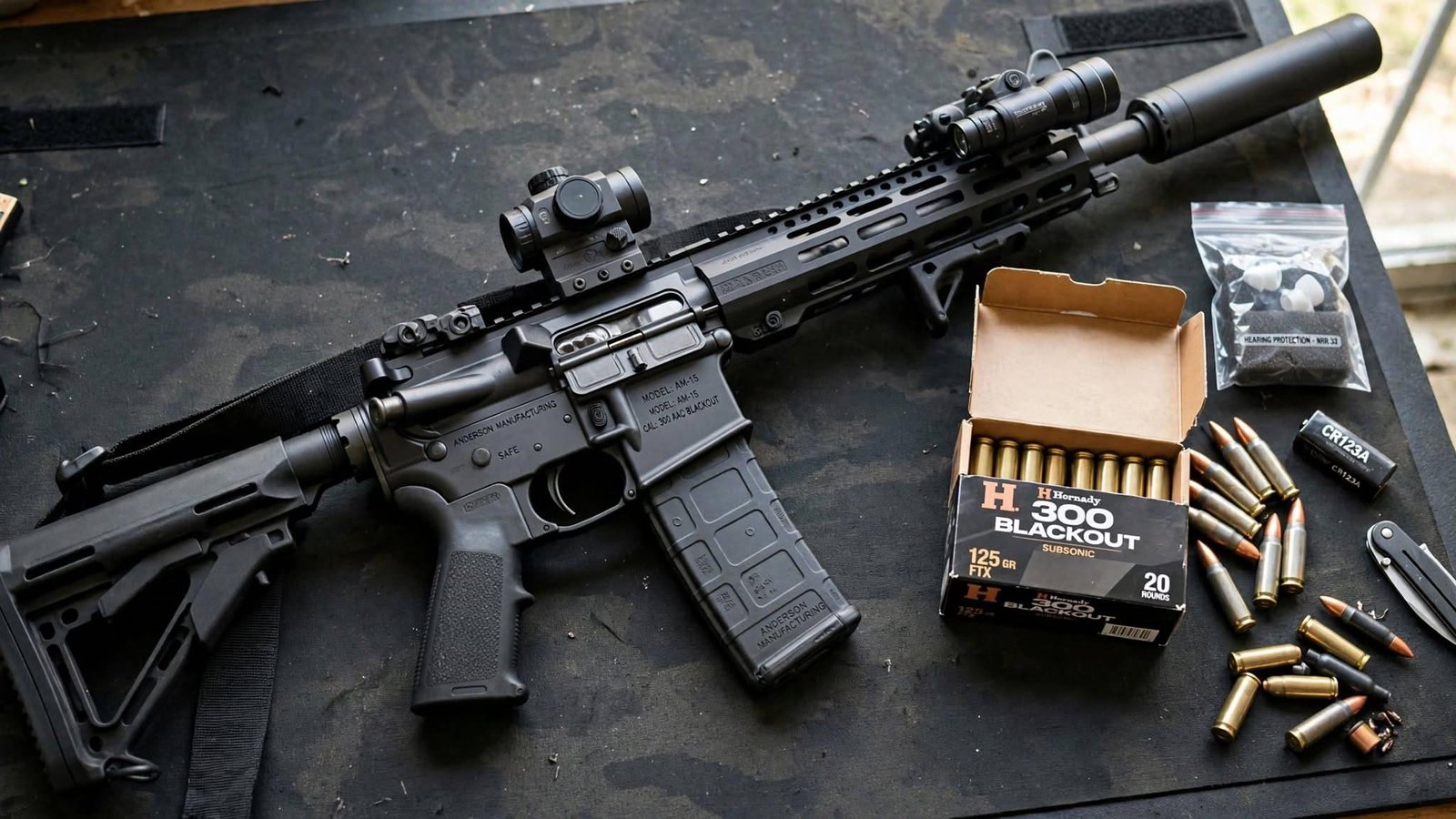
You do not need a gun safe full of options. Choose one firearm or bow that fits you, and practice until shooting it feels routine. Many women find that a rifle or shotgun with a shorter length of pull, or a bow set to a comfortable draw weight, makes a huge difference in accuracy and confidence. Practice from the positions you will actually hunt from: sitting, kneeling and using shooting sticks or a tree stand rail. Know your effective range and promise yourself you will stay inside it.
3. Dress for Sitting Still
Deer hunting is mostly sitting quietly, and sitting still in cold weather is a different challenge than hiking. Layer up: a moisture-wicking base layer, an insulating middle layer, and a quiet, wind-blocking outer layer. Pack extra warmth for your hands, feet and neck. Women’s-specific hunting apparel has improved a lot in recent years, and clothing that actually fits is warmer and quieter than borrowed gear two sizes too big.
4. Scout Smarter, Not Harder
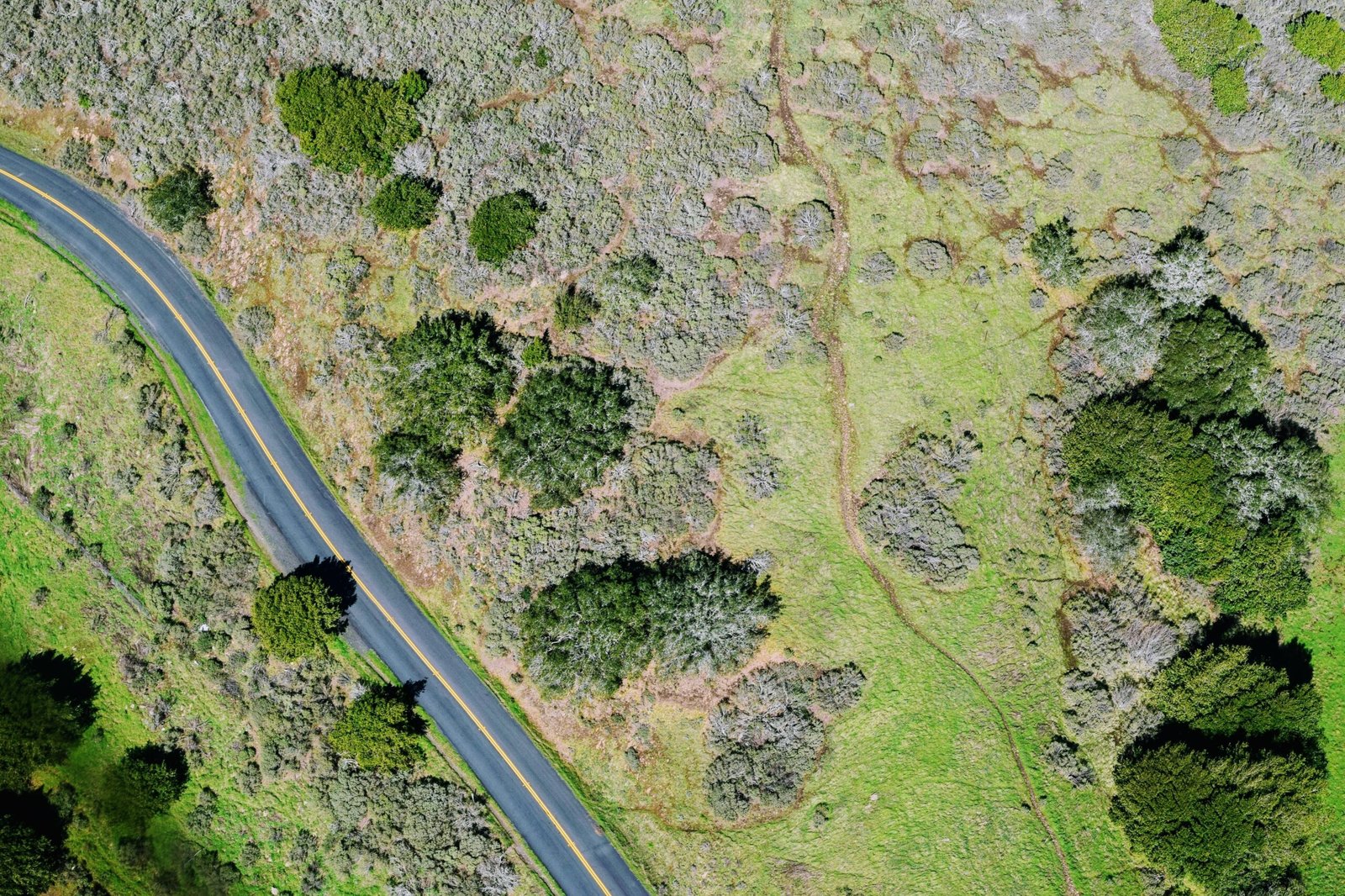
You can learn a lot about a property before you ever set foot on it. Study aerial imagery and topographic maps to find likely bedding cover, food sources, water and the edges and funnels deer use to travel between them. Then confirm it on the ground: look for tracks, droppings, rubs on small trees and scrapes along field edges and trails. Free hunting maps and scouting tools let you mark these spots, save stand locations and plan your route in before season ever opens.
5. Respect the Wind
A deer’s nose is its best defense. Always know which way the wind is blowing and set up so your scent drifts away from where you expect deer to come from. Plan your walk in and out so you are not crossing the trails and bedding areas you are hunting. If the wind is wrong for a stand, hunt somewhere else that day. This single habit will put more deer in front of you than any gadget.
6. Make a Good Shot, Then Be Patient
Aim for the vitals, just behind the front shoulder, and wait for the deer to be broadside or slightly quartering away. After the shot, watch where the deer runs and mark the last place you saw it. Then wait. Thirty minutes is a good minimum for a well-hit deer, and longer if you have any doubt. Pushing a wounded deer too soon is the most common reason deer are lost.
7. Follow the Trail Carefully
Go to the spot where the deer was standing and look for hair and blood. Bright red, frothy blood usually means a lung hit; dark red can mean liver; blood with greenish material suggests a gut shot, which calls for a much longer wait. Mark each drop of blood as you go so you can always find your way back to the last sign. A blood trail tracking app can drop pins and record your path so you never lose your place, especially after dark.
8. Plan for After the Recovery
Take a moment to appreciate the animal. Then tag it according to your state’s rules before you move it. Field dressing gets easier with each deer, and there is no shame in bringing an experienced friend along the first time. Have a plan for cooling the meat quickly, whether that is a processor, a cooler with ice or a cold garage, and look up a few venison recipes ahead of time so your first harvest becomes a meal you are proud of.
Find Your People
The best thing a new hunter can do is connect with others who have been there. Hunting communities, mentorship programs and women’s hunting groups make the learning curve shorter and a lot more fun. Ask questions, share your stories and celebrate your first deer, whenever it comes. Every experienced hunter started exactly where you are now.