This post contains a paid partnership with Adsy.
Fishing can seem intimidating when you have never done it before. There is unfamiliar equipment to learn, different techniques to understand, and plenty of advice from experienced anglers that can sometimes make the sport seem more complicated than it really is. But you do not need to grow up fishing or have years of outdoor experience to enjoy a day on the water.
For women planning their first fishing trip, the most important thing is to keep the experience manageable. You do not need every piece of tackle available or an expert understanding of fish behavior. A little preparation, the right location, and a willingness to learn can go a long way toward making your first trip enjoyable.
Choose a Beginner-Friendly Fishing Location
Where you fish can have a bigger impact on your first experience than you might expect. Instead of choosing a remote location or a challenging type of fishing, look for somewhere that is easy to access and comfortable to spend several hours.
A local lake, pond, fishing pier, or calm shoreline can be a good starting point. These locations allow you to focus on learning basic skills without worrying about navigating unfamiliar water or handling difficult conditions.
If you are going with someone who has fishing experience, ask them to choose a location that matches your skill level rather than simply taking you to their favorite spot. The goal of your first trip should be to become comfortable with fishing, not to immediately catch the biggest fish.
Learn the Basic Equipment Before You Go
Fishing equipment can look complicated at first, but the basic setup is fairly straightforward. A beginner generally needs a fishing rod, reel, line, hooks, and some type of bait or lure.
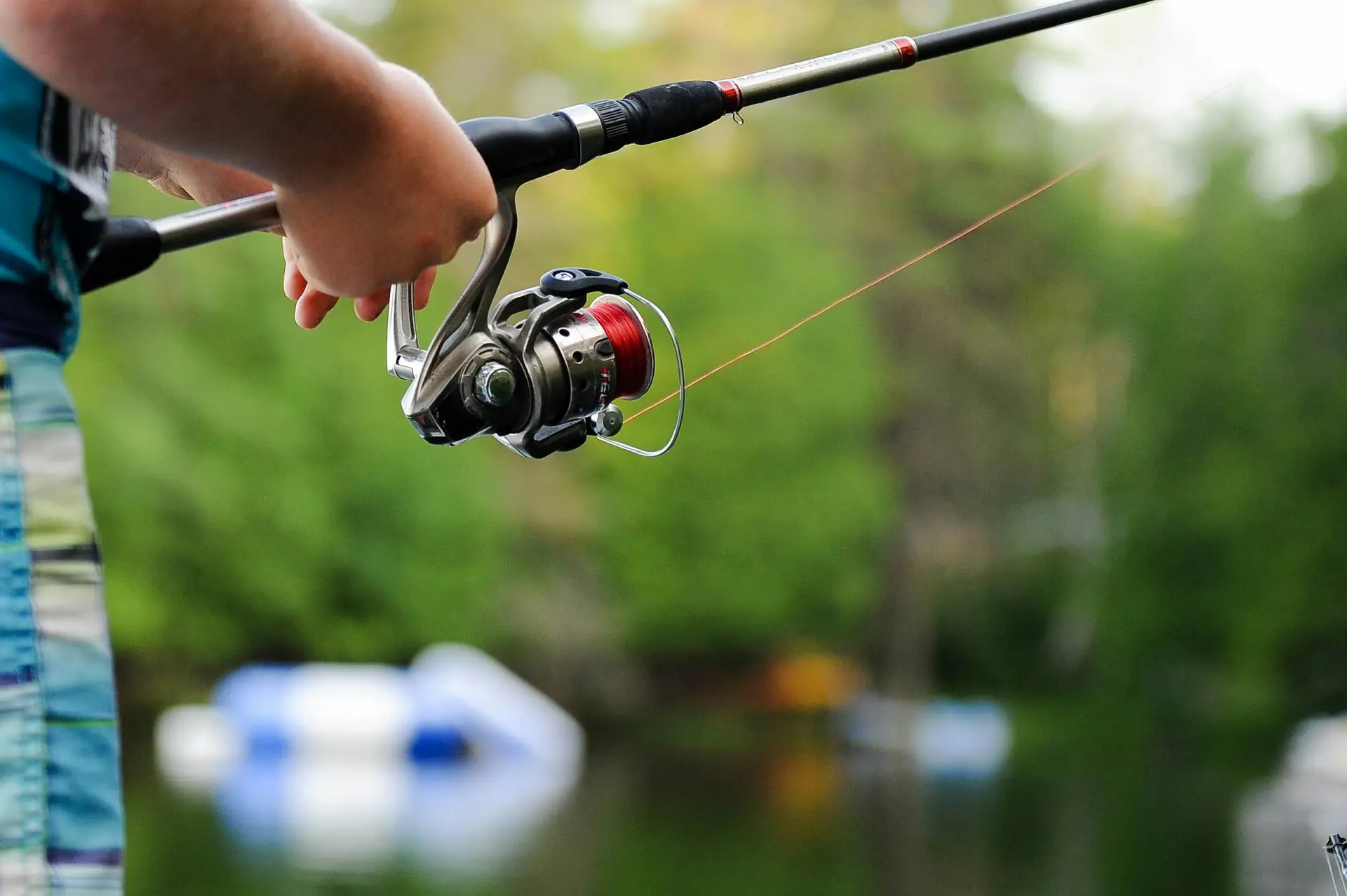
The reel is an important part of the setup because it controls how you cast and retrieve your line. For someone learning the basics, a spinning reel can be a practical choice because it is generally straightforward to operate and does not require the same casting technique as a baitcasting setup.
As you become more comfortable with fishing, you may eventually want to experiment with different types of equipment. Baitcasting reels can provide experienced anglers with greater control and accuracy for certain techniques, but they can also require more practice to cast effectively. There is no reason to start with the most complicated setup. Choose equipment that allows you to focus on learning rather than constantly correcting your gear.
Before your trip, practice opening and closing the bail, attaching your line, adjusting the drag, and making a few basic casts. Even a short practice session in an open area can make the actual fishing trip feel much less unfamiliar.
Keep Your Tackle Simple
It is easy to assume that successful anglers need large tackle boxes filled with dozens of lures, hooks, and specialized tools. In reality, beginners can start with a relatively small collection of versatile tackle.
The exact equipment you need will depend on where you are fishing and what species you are targeting. A few appropriate hooks, lures or bait, extra line, and a pair of fishing pliers can cover many basic situations.
Ask someone at a local tackle shop what works in the area, or check recent fishing reports before your trip. Local advice can help you avoid buying equipment that you may never use.
Keeping your tackle simple also makes it easier to stay organized. When you know where everything is, you can spend more time fishing and less time searching through your gear.
Learn One Technique at a Time
Fishing includes countless techniques, and trying to learn all of them at once can quickly become overwhelming.
For your first trip, focus on one basic method. Learn how to cast, allow your bait or lure to reach the desired depth, retrieve it, and recognize what a bite feels like. These simple skills form the foundation for many other fishing techniques.
Do not worry if your first casts are not perfect. Accuracy develops with practice. Your line may land too close, too far, or somewhere you did not intend. That is part of learning.
Once you are comfortable with the basics, you can gradually experiment with different retrieves, lures, and fishing locations.
Understand That Fish Do Not Always Cooperate
One of the most important things to understand before your first trip is that catching fish is never guaranteed.
Experienced anglers can spend hours on the water without getting a bite. Weather, water temperature, time of day, seasonal patterns, and food availability can all influence fish activity.
Instead of measuring your first trip entirely by the number of fish you catch, think about what you learn. Maybe you become more comfortable casting, figure out how to tie a better knot, or learn how to identify structure where fish may be holding.
Those small improvements are part of becoming an angler.
Check the Weather and Conditions
Always check the forecast before heading out. Weather can affect both fish activity and your comfort and safety.
Temperature, wind, rain, and changing conditions can all influence a day on the water. If you are fishing from a boat or kayak, conditions become even more important because wind and waves can affect navigation and stability.
For a first trip, choose a day with manageable conditions whenever possible. There is plenty of time to learn how to handle more challenging situations once you have gained experience.
If you are fishing a tidal or coastal area, also check the tide schedule. Water movement can influence where fish feed and how effectively you can present your bait or lure.
Dress for the Outdoors
Fishing often means spending several hours outside with little shade, so comfortable clothing matters.
Wear clothing appropriate for the weather and consider bringing an extra layer in case conditions change. A hat, sunglasses, sunscreen, and plenty of drinking water are useful on sunny days.
Footwear deserves attention as well. If you are fishing from a shoreline, pier, rocks, or a boat, choose shoes that provide good traction and are suitable for the environment.
A small waterproof bag is also useful for protecting your phone, keys, wallet, and other personal items from water.
Know the Local Rules
Fishing regulations vary depending on where you are fishing and what species you are targeting. Before your trip, find out whether you need a fishing license or registration and check the current rules for the area.
Pay attention to size limits, possession limits, seasonal restrictions, and any special regulations that apply to the species you may encounter.
If you catch a fish that you are not planning to keep, learn the appropriate way to release it. Handling fish carefully helps minimize unnecessary stress and supports responsible fishing practices.
Do Not Be Afraid to Ask Questions
One of the best ways to learn fishing is to spend time around people who enjoy it.
If a friend or family member invites you fishing, ask them to explain what they are doing rather than simply handing you the equipment. Understanding why they choose a particular lure, location, or casting technique will help you develop your own skills.
Local tackle shops and fishing communities can also be valuable sources of information. Most anglers remember what it was like to be a beginner, and many are happy to share practical advice.
You do not need to pretend that you already know everything. Asking questions is one of the fastest ways to become more confident outdoors.
Make Your First Trip Your Own
There is no single right way to enjoy fishing. Some people love the excitement of constantly casting and moving between locations, while others enjoy the quiet and patience that fishing provides.
You might prefer fishing from shore with a friend, exploring a lake from a kayak, joining a charter, or spending a relaxed afternoon at a local pier. Try different experiences and see what feels right for you.
The same applies to equipment and techniques. Start with what feels manageable, then expand your skills as your confidence grows.
Focus on the Experience
Your first fishing trip does not have to be perfect. You may miss a bite, lose a lure, make an awkward cast, or spend most of the day without catching anything. None of those things mean you failed.
Fishing is an outdoor activity that rewards patience and curiosity. The more time you spend on the water, the more you will learn about equipment, fish behavior, weather, and different techniques.
More importantly, fishing can give you a reason to spend time outside, explore new places, and share an experience with other people.
So before your first trip, prepare the basics, choose a comfortable location, check the conditions, and give yourself permission to be a beginner. You do not need to know everything before you start. You just need to make that first cast.