This post contains affiliate links. If you buy through one, Miss Pursuit may earn a small commission at no extra cost to you. As an Amazon Associate, Miss Pursuit earns from qualifying purchases.
Hiking shoes are essential gear for anyone who spends time on trails, offering protection and support for the feet over various terrains. Unlike regular sneakers, hiking shoes are designed to provide better grip, durability, and comfort during long walks, reducing the risk of injury. They are typically lighter than boots but still offer sufficient stability and weather resistance.
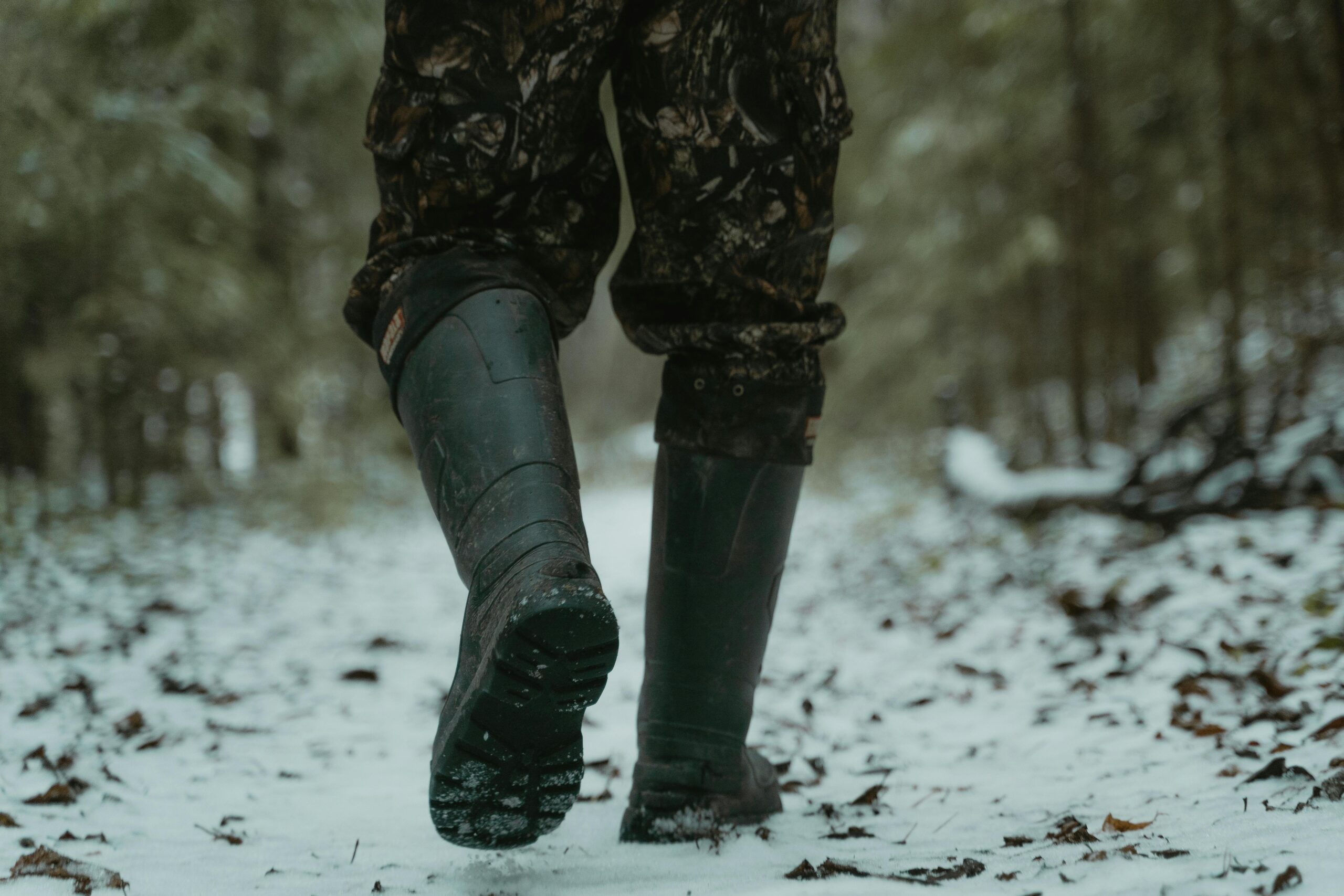
For women, specific hiking shoes account for differences in foot shape and fit, providing better comfort and reducing common issues such as blisters or pressure points. They come in various styles, from trail runners to low-cut shoes, each suited to different types of hikes and conditions. I have made the mistake too many times to admit to that I wear my HUNTING boots hiking, and well… it’s dumb.
When choosing hiking shoes, key factors include fit, weight (I hate heavy shoes), sole quality, waterproofing, and breathability. The right size and proper arch support prevent discomfort and injury, while materials that balance durability and ventilation help maintain foot health. We compared specs, materials, and owner reviews to find the women’s hiking shoes that hold up on the trail.
Best Hiking Shoes for Women
These picks were chosen for comfort, durability, and performance. The list covers a range of options for different terrains and hiking styles to help you find the right fit.
Columbia Newton Ridge Plus Waterproof Amped

This boot suits hikers who need solid ankle support and reliable waterproof protection without sacrificing comfort or traction.
Grab on Columbia.com and use Rakuten to get 5% cash back.
Pros
- Excellent ankle stability and support
- Waterproof with reinforced toe and heel
- Strong grip on diverse terrain
Cons
- Inner sole could offer more cushioning
- May feel warm in very cold conditions
- Takes some time to break in fully
Owners consistently praise the ankle support, especially hikers prone to rolled ankles. The boot holds the foot firmly, and the waterproof leather and suede upper is built to keep feet dry in wet conditions without feeling overly stiff.
Columbia’s Omni-GRIP outsole is designed for traction on uneven trails, and the toe and heel reinforcements add durability where boots usually wear out first.
The interior cushioning isn’t the softest, but reviewers say comfort is high after a short break-in. It generally runs true to size, and the roomy toe box helps prevent pinching.
This is a solid choice if you want a dependable boot with good ankle and water protection for varied conditions.
Merrell Moab 3 Hiking Shoe

The Merrell Moab 3 is a reliable choice for hikers seeking durable comfort with strong traction on varied terrain.
Pros
- Comfortable right out of the box with supportive cushioning
- Durable Vibram sole that grips well on rocks and trails
- Breathable materials combined with a protective toe cap
Cons
- Runs slightly small, so sizing up is recommended
- The weight is moderate, not the lightest option available
- Color options may appear darker in person than online images
The Moab line is known for needing little break-in, and the updated midsole cushioning on the Moab 3 is designed to soften impact on uneven ground.
The Vibram TC5+ outsole is built for grip on slick, rocky surfaces, and the bellows tongue helps keep debris out on dusty trails.
It isn’t the lightest hiking shoe available, but its balance of weight and support suits day hikes and casual backpacking. If your feet swell on hikes, consider ordering half a size up. For the price, it is one of the most popular all-around trail shoes.
KEEN Targhee III Waterproof Hiking Shoes

These shoes offer reliable waterproof protection and solid support for varied hiking conditions, making them a dependable choice for outdoor enthusiasts.
Grab at Bass Pro and use Rakuten to get 3% cash back.
Pros
- Waterproof and breathable, keeps feet dry on wet trails
- Excellent traction on slippery or rocky surfaces
- Wide toe box allows natural foot movement
Cons
- May feel bulky for those who prefer lightweight shoes
- Break-in period needed for best comfort
- Design may appear bulky for casual use
KEEN’s waterproof, breathable membrane is designed to keep feet dry in damp conditions without overheating, and the outsole’s deep lugs are built for muddy, uneven paths.
The padded collar and arch support earn high comfort ratings, though many owners say they need a few walks to break in. The wide fit lets toes splay naturally but may feel large on narrow feet.
Durability stands out thanks to quality leather and solid construction. The look is more rugged than sleek, which might not suit everyone off the trail.
Merrell Moab 2 Vent

The Merrell Moab 2 Vent is a strong pick for versatile, all-day hiking comfort with dependable traction.
Pros
- Breathable and well-ventilated upper keeps feet cool
- Durable leather combined with mesh feels sturdy yet lightweight
- Vibram sole offers secure grip on varied terrain
Cons
- Arch support is moderate and may need aftermarket insoles for some
- Sizing can be tricky for half sizes, so consider sizing up
- Heel area can develop noise or discomfort after extended wear
The Moab 2 Vent has a reputation for feeling comfortable straight out of the box. The pigskin leather and mesh upper gives a solid yet breathable fit that suits warmer hikes.
A protective toe cap and bellows tongue help keep debris out, and the Vibram outsole provides stable footing on mixed trails, from dirt paths to rocky climbs.
The arch support suits moderate needs; hikers who need more often add aftermarket insoles for longer treks. Overall, it offers solid durability and comfort for everyday adventures.
Buying Guide
When selecting hiking shoes for women, start with fit and comfort. Proper sizing prevents blisters and foot fatigue. Try shoes on with the socks you plan to wear while hiking.
Next, think about the type of terrain. Lightweight shoes work well for easy trails, while sturdier boots are better for rocky or uneven ground. The sole should provide traction and support suited to where you hike.
Material is another key factor. Waterproof shoes offer protection in wet conditions but might reduce breathability. Mesh allows better airflow, which helps in dry, warm climates.
The weight of the shoe affects endurance. Lighter shoes reduce fatigue but might sacrifice protection. Heavier options offer more durability and ankle support for challenging hikes.
Consider support features such as cushioning and ankle protection. Look for good arch support and shock absorption to reduce strain on long hikes.
| Feature | Importance | What to Look For |
|---|---|---|
| Fit | Prevents injuries and discomfort | True sizing, adequate toe room |
| Terrain | Matches hiking conditions | Traction, sole stiffness |
| Material | Balance of protection and breathability | Waterproof or mesh depending on climate |
| Weight | Impact on fatigue | Lightweight for speed, heavy for protection |
| Support | Reduces strain and injury risk | Cushioning, arch and ankle support |
Frequently Asked Questions
What are the top recommended hiking boots for older women?
Look for boots with ample ankle support and cushioning. Brands like Merrell and KEEN offer models designed for stability and comfort.
Which women’s hiking shoes are best for wet conditions?
Waterproof hiking shoes with Gore-Tex or similar membranes perform well in wet environments. Look for soles with deep lugs to prevent slipping.
How important is arch support in women’s hiking shoes?
Arch support is crucial to reduce foot fatigue and prevent pain on long hikes. Choose shoes that match your arch type: low, medium, or high.
What brands are known for making the best women’s hiking footwear?
Merrell, Salomon, KEEN, and Vasque consistently produce reliable hiking shoes for women, with a range of models for different foot shapes and hiking needs.
What should a woman with wide feet look for in hiking shoes?
Wide toe boxes and available wide sizing are essential. Adjustable lacing and soft, flexible materials help avoid pressure points.
What features are important to consider when selecting hiking shoes for women?
Durability, grip, waterproofing, and breathability are key, along with weight, fit, and cushioning for comfort on varying trails.