Diving into the world of comforting dishes, this post opens the door to rich, heartwarming recipes perfect for any meal. For those looking to warm up, a duck soup recipe can be a true comfort food, blending savory flavors into a cozy bowl. This meal brings a sense of home with its wholesome ingredients and rich broth.
The Cajun turkey recipe is a flavorful twist on a classic, offering bold spices that awaken the taste buds. When holiday meals are over, a turkey broth recipe helps make the most of leftovers, providing the base for soups or sauces. It’s a resourceful way to extend the deliciousness of turkey beyond the feast day.
For a quick and satisfying dish, turkey hash is perfect for breakfast or brunch, mixing turkey, potatoes, and bell peppers in a delightful pan-cooked meal. Complementing these rich dishes, a speckled trout recipe adds a touch of freshness, bringing flavorful and light seafood into the kitchen. Each recipe here offers its own unique taste and charm, making cooking an enjoyable journey.
Preparing the Base Ingredients
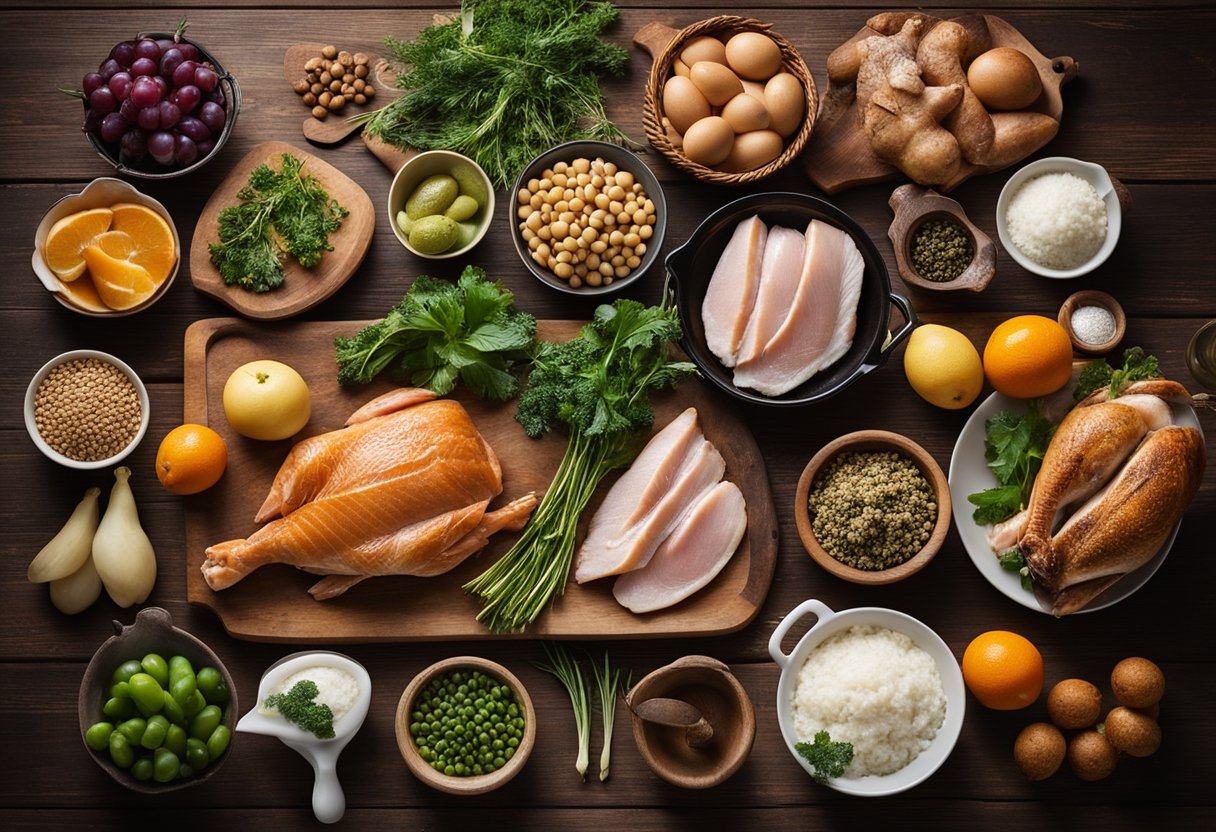
Preparing the base ingredients involves careful selection and preparation of meats and vegetables. For meats, choosing the right type and ensuring freshness is key. Vegetables like onions, celery, carrots, and herbs add essential flavors. Proper preparation enhances taste and nutrition.
Selecting Quality Meats
Selecting quality meats ensures rich flavor and better texture. For turkey recipes, fresh turkey drumsticks are ideal due to their rich taste. When preparing Cajun turkey, using a whole turkey ensures a deeper flavor. Duck meat, especially wild duck, has a distinct taste perfect for duck soup. It’s crucial to look for meat that is fresh, preferably sourced from trusted suppliers. Fresh speckled trout should be firm and have a clean smell, making it ideal for crafting delicate dishes. Ensuring freshness enhances the dish significantly, preventing any off-flavors often found in stale meats.
Vegetable Preparation
Aromatic vegetables are fundamental to many recipes. Begin with onions, celery, and carrots for broth and soups. Garlic adds depth, while fresh herbs like rosemary or thyme introduce pleasant aroma and complexity. Use sweet potatoes in recipes where a hint of sweetness complements other ingredients. Wash, peel, and chop vegetables into consistent pieces to guarantee even cooking. Salt and sauté vegetables lightly in olive oil to bring out their natural flavors. This simple step elevates the taste and nutritional value, adding richness and balance to the final dish.
Mastery of Cooking Techniques
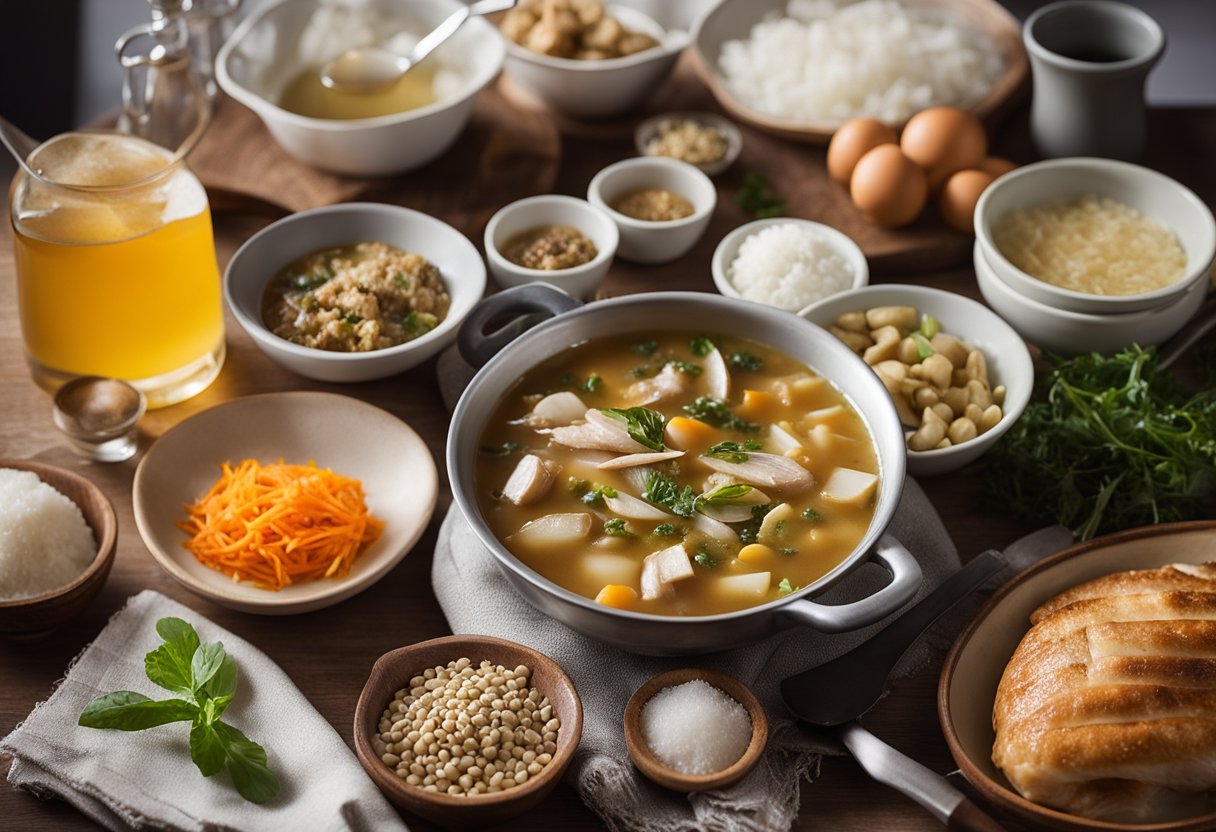
Cooking is an art that requires practice and knowledge. Understanding techniques like creating flavorful broths and mastering cooking methods can elevate any dish to the next level.
Creating Rich Broths and Stocks
The foundation of many savory dishes, a good broth or stock, especially turkey or chicken-based, adds depth of flavor. Using Thanksgiving leftovers such as a turkey carcass allows maximizing flavors.
To create a hearty soup, simmer the carcass with aromatic vegetables in a large Dutch oven or soup pot. The key to a savory turkey broth is slow cooking to extract the essence of the bones. A mixture of herbs and seasonings brings out complex flavors. Both chicken broth and turkey broth can be enhanced by adjusting simmering times and ingredients.
Draining the broth through a fine sieve ensures a clear result, ideal for many recipes. This technique, when applied confidently, can transform holiday leftovers into something special.
Optimal Cooking Methods
Cooking methods like boiling, simmering, and slow cooking can ensure tender meat and flavorful dishes. For instance, using a slow cooker offers a hands-off approach, allowing meats and stocks to develop their full potential with time.
When using a saucepan or Dutch oven, maintaining the correct temperature is crucial. Boiling may cook things quickly but can risk toughness. Simmering gently keeps meat tender and infuses flavors thoroughly.
In the case of turkey hash or speckled trout recipes, careful timing and temperature adjustments ensure successful results. Mastering these methods results in more delectable and consistent dishes.
Seasonings and Flavor Enhancements
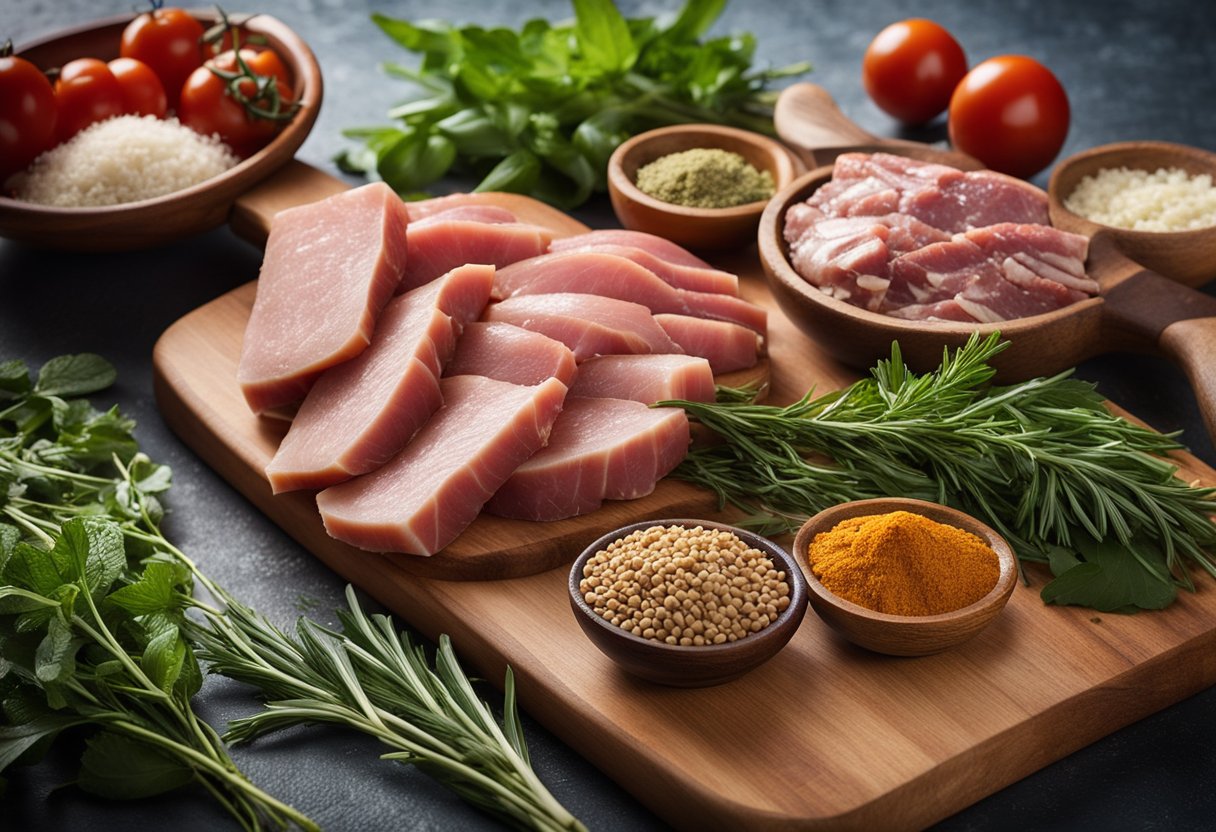
Different recipes need unique blends of seasonings to bring out their best flavors. The right herbs and spices make each dish, from duck soup to speckled trout, taste amazing.
Herbs and Spices Usage
Using fresh herbs like parsley, thyme, and sage can elevate the flavor of any dish. They add a light, fresh taste. Rosemary is perfect for meats like turkey, giving a rich, aromatic quality.
A pinch of salt and black pepper enhances all kinds of recipes. For extra heat, a splash of hot sauce can spice up turkey hash. Each seasoning adds a distinct layer of flavor. The right combination can turn an ordinary meal into something memorable.
Assembling and Cooking Your Dish
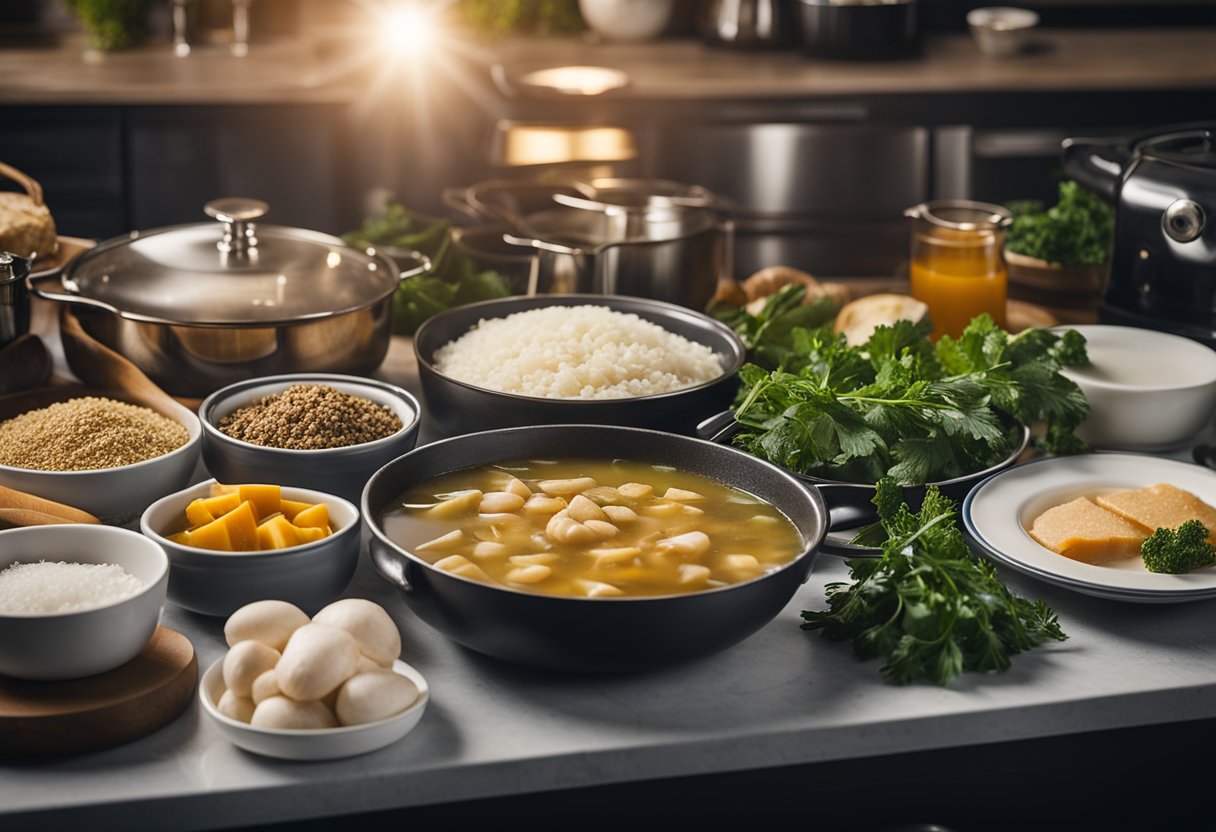
Creating a delicious soup with turkey or duck can be fun and rewarding. Start by gathering fresh ingredients. Focus on flavors and textures for a comforting meal.
Bringing It All Together
For Homemade Turkey Soup, begin by simmering turkey bones with water, creating a rich broth. Add diced vegetables like carrots and celery. If making Turkey Noodle Soup, include egg noodles for a filling touch.
For a Duck Soup Recipe, use duck bones for broth, adding onions and garlic. Enhance flavors with herbs like thyme and bay leaf.
Consider Recipe Variations for unique flavors. For a Gluten-Free option, skip regular noodles and use rice noodles instead.
Utilize Leftover Turkey to make an easy Turkey Vegetable Soup. This is a perfect choice after a holiday meal, minimizing waste and creating new favorites.
Storing and Serving
Storing your dishes properly ensures freshness and enhances flavors. Serving with the right accompaniments elevates the meal experience.
Proper Storage for Longevity
To keep that Leftover Turkey Soup tasting fresh, store it in an airtight container. This prevents it from absorbing unwanted odors. Refrigerate the soup if you plan to eat it within three days. For longer storage, freeze it, and it will last up to three months.
When storing Homemade Broth or Turkey Broth, use ice-cube trays for freezing. This makes it easy to thaw only the amount you need. Ensure all containers are labeled with dates to track freshness.
Turkey hash can also be refrigerated in airtight containers. Consume within three days or freeze for up to a month. This method preserves taste and texture, making sure that comfort food remains comforting.
Accompaniments and Presentation
Enhance the warm flavors with Cornbread or French Bread. These sides complement the richness of turkey broth or soup. Choose a crusty bread to soak up all the savory broth.
For something lighter, a side salad provides a fresh contrast to the heavier flavors. Speckled trout pairs well with lemon slices on the side, adding a burst of brightness.
Presentation matters too. Serve your creations in bowls that help retain heat, especially for soups and stews. Garnishing with herbs like parsley can add a pop of color and flavor. This attention to detail makes the meal not just nourishing, but visually appealing too.
Frequently Asked Questions
This section addresses common questions about cooking duck soup, perfecting Cajun turkey, and making flavorful turkey soup and hash. Learn about essential ingredients, seasoning techniques, and methods to enhance flavors.
What ingredients are essential for a traditional duck soup?
Traditional duck soup typically includes duck meat, onions, carrots, and celery. Herbs like thyme and bay leaves add flavor. Some recipes might also call for garlic and parsley. It’s important to use a good quality stock or broth as the base to enhance the taste.
How can I ensure my turkey is seasoned properly when preparing a cajun turkey?
To ensure proper seasoning for a Cajun turkey, use a mix of spices such as paprika, cayenne pepper, garlic powder, onion powder, and thyme. Rubbing the seasoning mix under the skin and inside the cavity helps infuse flavor throughout. Marinating the turkey overnight ensures deep seasoning.
What is the difference between turkey stock and turkey broth?
Turkey stock is made by simmering turkey bones and vegetables, resulting in a rich, gelatinous liquid. It’s typically thicker and used for sauces or soups. Turkey broth, on the other hand, uses both meat and bones, creating a lighter, more flavorful liquid suited for sipping or lighter dishes.
What is the role of vinegar when making turkey stock, and how much should be used?
Vinegar helps draw minerals from the turkey bones, enhancing the nutritional value of the stock. A tablespoon or two per pot is usually sufficient. It’s added at the start of simmering, allowing the acidity to break down the bones and release nutrients over a long cooking period.
What are some effective methods for thickening turkey soup broth?
Common methods to thicken turkey soup include using a roux made with flour and butter, adding cornstarch mixed with water, or blending some of the vegetables in the soup. If the soup has potatoes or other starchy vegetables, mashing a portion of them can naturally thicken the broth.
How can I enhance the flavor if my turkey soup tastes bland?
Enhance bland turkey soup by adding salt, lemon juice, or herbs like parsley and thyme. For deeper flavor, consider adding a splash of soy sauce or Worcestershire sauce. Freshly chopped garlic or a sprinkle of grated Parmesan cheese can also add depth and richness to the soup.