If you were to ask a hundred people what they carry every day, you’ll undoubtedly get a hundred different answers.
Some folks swear by a full-size pistol and a fixed blade. Others, however, are perfectly happy with just a folding knife and a flashlight that cost more than their first car.
The point isn’t that everyone’s kit looks the same (even though that happens a lot). It’s rather the fact that the people who’ve thought about it at all tend to carry with a lot more intention than the average person who just grabs their phone, wallet, and another random item on the way out the door.
The everyday carry world has a reputation for being gear-obsessed, and okay, to be fair, it is a little. But underneath all of the debates about steel types and holster materials is something that’s genuinely practical.
There’s a very real argument to be made that carrying the right stuff (consistently) quietly changes how a person moves through the world. And in some tactical operator way, but in a competent way.
Why Your EDC Setup Actually Matters
Most people don’t come to the EDC world because they went looking for it. They came because something happened. A car broke down somewhere uncomfortable. The situation escalated faster than expected. A buddy pulled the right tool out at the right moment and made everyone else feel woefully underprepared.
Whatever the origin story, the conclusion tends to be the same: being ready beats improvising, every single time.
A solid EDC setup balances utility with protection, and getting that balance right is going to take you some honest self-reflection about your lifestyle, your environment, and also about what gaps actually exist in daily preparedness.
Someone who works in an office building naturally has different needs than someone who spends half their life outdoors. Neither setup is wrong, either. They’re just different answers to the same basic question!
Firearms and Optics: The Foundation of a Serious Setup
A lot of gear discussions skip past the basics too fast, and that’s where people end up with beautifully curated kits that have one or two glaring weak spots.
The firearm conversation deserves real time and real honesty, and not just about which gun to buy, but rather about how to run it effectively when running it well is the only thing that matters.
Getting the Most Out of a Carry Pistol
Compact and subcompact handguns have dominated the concealed carry market for good reason: they’re manageable enough to carry all day without turning into a burden, and modern small-frame pistols have gotten genuinely impressive in terms of reliability and capacity.
But the gun sitting in the holster is only part of the equation, and let’s not forget that.
Mounting reliable red dot sights on a carry pistol has gone from a competitive shooting curiosity to a mainstream upgrade that serious carriers are adopting fast. The reason is simple: a red dot finds the target faster, works better in low light, and it also doesn’t require the same precise sight alignment that iron sights demand under stress.
When your heart rate is elevated and your fine motor skills are also going sideways, that matters enormously. If the carry gun doesn’t have one yet, it’s the first upgrade worth saving for.
Thinking Beyond the Hip Holster
The EDC mindset has a natural way of expanding past the carry gun and into the rest of life, including home defense, where a whole different set of needs comes into play.
For folks who want to buy a firearm online, the process is simpler than it looks from the outside. A licensed local dealer handles the transfer paperwork, and the selection available online will usually make a local gun shop’s inventory look like a lemonade stand by comparison!
Long Guns: Because Home Defense Deserves Its Own Dedicated Tool
There’s a conversation that comes up in almost every serious home defense discussion, and it goes something like this: why rely on a handgun for home defense when a rifle or carbine exists?
Inside a house, distances are short, stress is through the roof, and a platform that’s easier to control and far less likely to be fumbled in the dark changes the math considerably.
This isn’t a dig at handguns. It’s just the right tool for the right job.
Why the AR Platform Makes Sense for Home Defense
The AR-15 gets more noise around it than practically any other firearm on the market, from both sides of every debate imaginable. Strip all that away and what’s left is one of the most ergonomic and reliable and endlessly adaptable rifle platforms ever produced.
For anyone who is looking to purchase an AR-15 for either home defense or range use, the modularity of the platform is genuinely hard to overstate. Adjustable stocks, interchangeable handguards, easy optic mounting…let’s put it this way, two people of completely different sizes can run the same rifle comfortably with a few minutes of adjustment.
Blades: The Everyday Workhorse That Deserves More Credit
Knives are one of those things where the EDC community spends considerable time and energy, and the rest of the world doesn’t understand why until they’ve carried a great one for six months and then tried going back to whatever gas station folder they used to keep in their glovebox.
A quality blade handles more daily tasks than almost any other piece of gear: breaking down boxes, cutting rope, opening packaging, preparing food on a trail, and occasionally being the tool that turns a small problem into a non-event.
Premium everyday carry blades made with actual craftsmanship and quality steel feel entirely different from budget alternatives, and they last long enough that the price per year of use ends up looking pretty reasonable in retrospect. It’s one of those gear categories where spending a little more upfront is almost always the right call.
Training and Practice: The Part That Makes All the Gear Worth Carrying
This is the section that separates the people who are actually prepared from the people who just have expensive stuff!
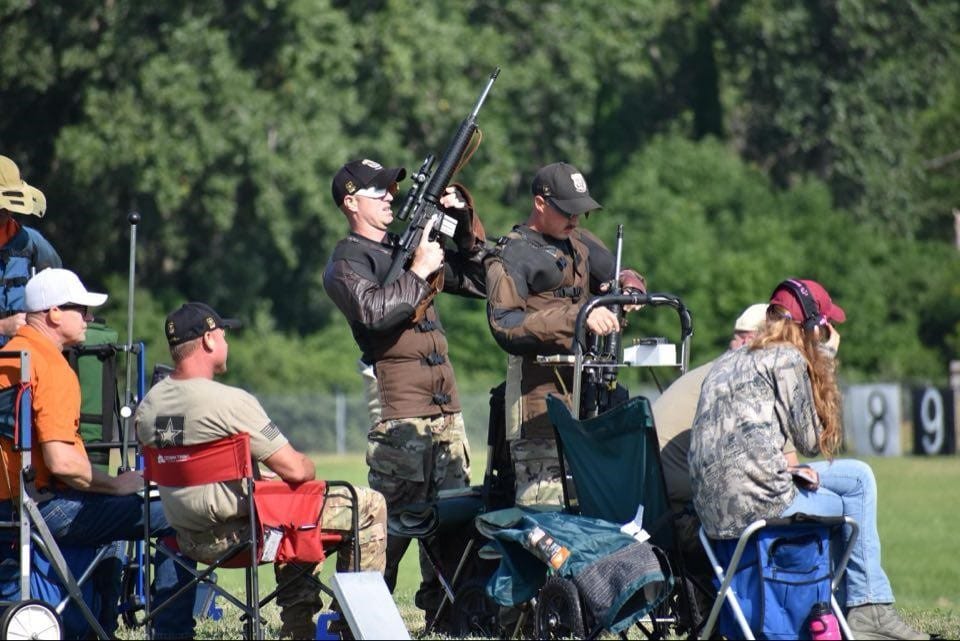
Making Range Time Actually Count
There’s a version of range practice that feels productive but mostly just burns through ammunition: showing up, shooting at the same static target from the same distance, and then going home.
It’s better than nothing, yes, but it’s not building the kind of reflexive skill that holds up under real pressure when the brain starts doing unhelpful things.
Shooting targets that are designed for real skill-building (think reactive designs and silhouette variations for drills that require actual decision-making) turn range sessions into training instead of just paper-punching. And contrary to what you may have thought, you can absolutely target shoot on a budget, so it’s something that anybody can do.
They’re also a lot more engaging, which naturally means that practice stays consistent instead of becoming another thing on the to-do list that keeps getting pushed back. Consistency is the whole game here.
Lights, Multi-Tools, and the Gear That Does the Daily Heavy Lifting
A quality pocket flashlight in the 500 to 1000 lumen range might be the most-used piece of EDC gear that gets the least amount of attention in most conversations. It handles everything from navigating a power outage to illuminating a dark parking garage before walking into it, and it can function as a less-lethal option in a close-range situation.
Carry a light. There’s really no version of a thoughtful EDC kit that doesn’t include one.
A solid multi-tool rounds out the utility side of the kit without adding meaningful weight or bulk. Pliers, a screwdriver, a file…you know, the kind of tools that can easily turn a frustrating situation into a five-minute fix. They earn their spot every week.
Building a Kit That Actually Gets Carried Every Day
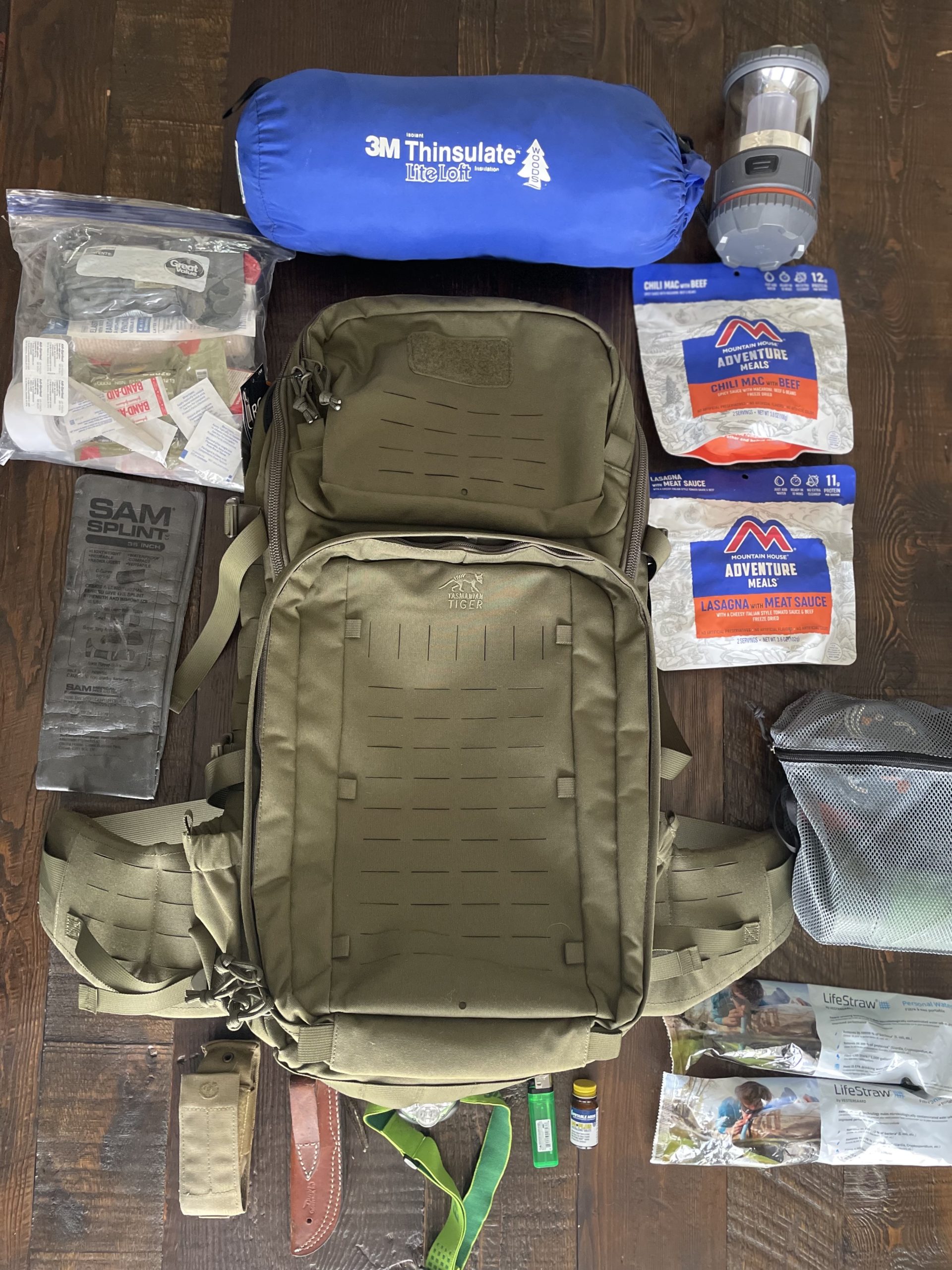
All of this (the firearm, the blade, the light, the multi-tool) only works if it actually leaves the house.
The most dialed-in kit in the world sitting on the dresser doesn’t protect anyone!
Start simple. A reliable handgun, a quality blade, and a good light cover most of the bases for most people in most situations. Add from there based on real-world gaps, and not just what looks good in a flat-lay photo.
That’s the whole thing. It’s less dramatic than the internet makes it look and it also happens to be more practical than most people would expect.
Which, honestly, is exactly what a good EDC philosophy should be!