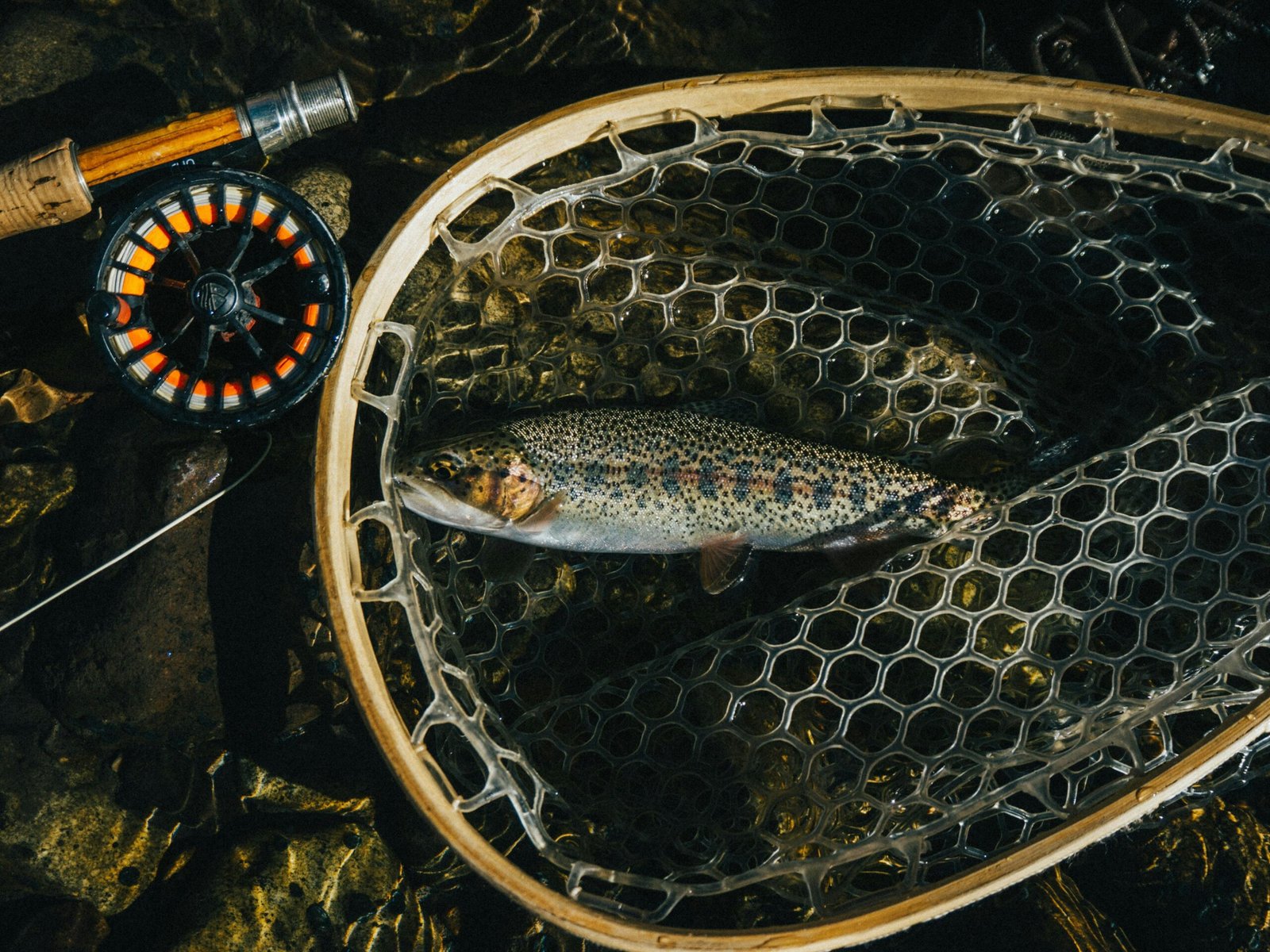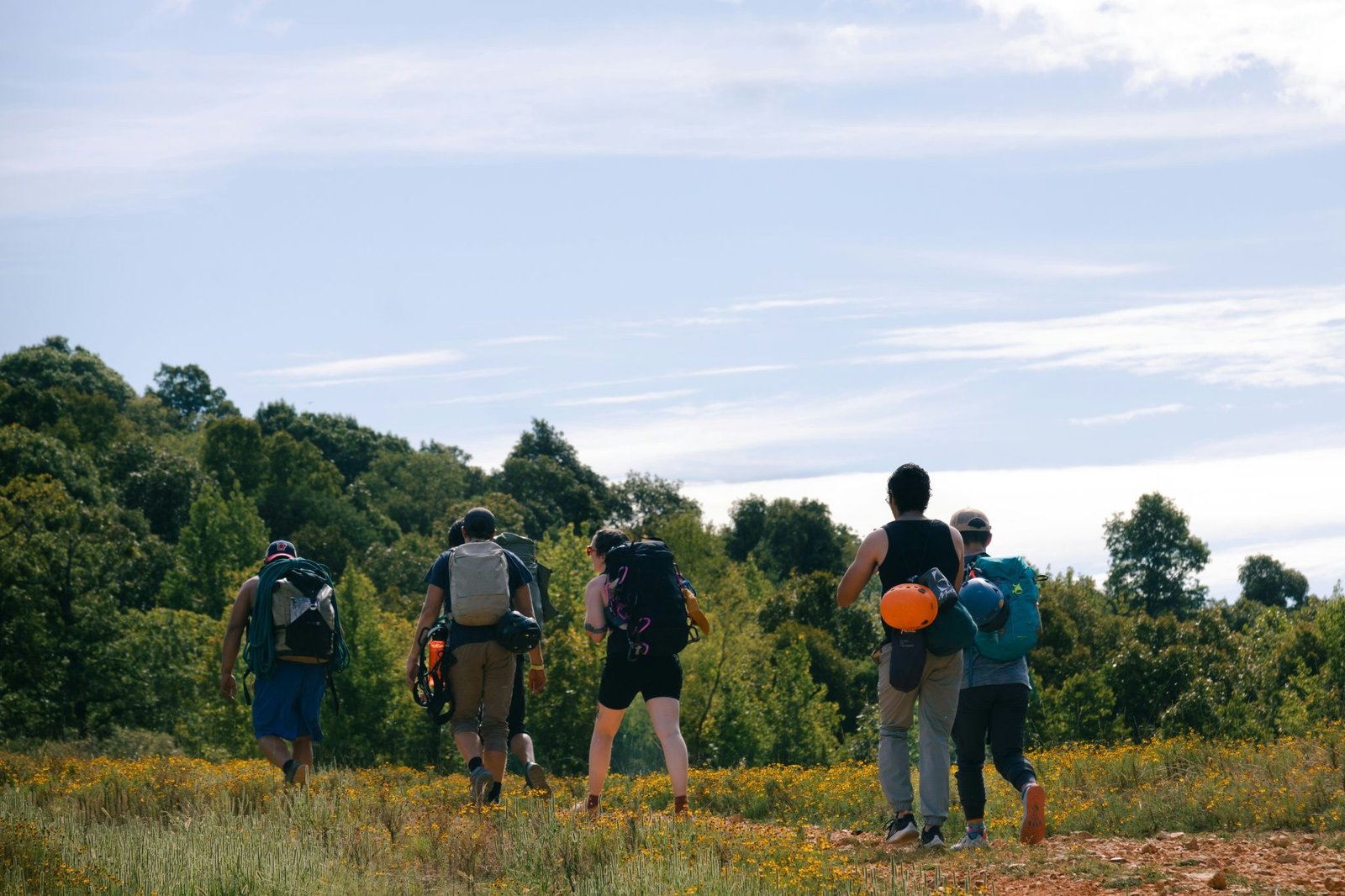
Students who can touch, examine, and challenge the world around them see science more clearly. A textbook teaches weather, gravity, energy, and ecosystems. Outdoor skills explain how those ideas work in the real world.
When learners build a shelter, read a map, test soil, or watch clouds, they experience science in action. Outdoor learning converts abstract words into tangible experience. It also helps students relate classroom subjects to real life.
Outdoor Learning Makes Science Practical
Science can feel distant, and many students struggle with it. Formulas, graphs, and terminology may seem far away from everyday life. Outdoor activities give those ideas a tangible setting.
A simple hike can be a lesson in physics, biology, geology, and environmental science. Students observe slopes, rocks, insects, vegetation, temperature changes, and water movement. Each piece of information may lead to a scientific question.
For example, a learner climbing a hill learns about force, friction, balance, and energy use. Watching a stream reveals erosion, water movement, silt, and gravity. These examples make science easier to recall.
Outdoor physics can also reveal why written assignments feel difficult for some learners. A student may understand friction during a hill climb, yet still struggle to explain forces, vectors, or energy transfer on paper. Reports, lab notes, and problem sets require clear structure, accurate terms, and careful calculations. When deadlines overlap with fieldwork, exams, and other coursework, students look for academic writing options that can handle complex scientific tasks in an organized way. In that context, physics assignment help can be part of a broader study plan while an outdoor experience still gives the topic real meaning. The main goal remains understanding, not avoiding the subject. Practical observation and structured study can work together during a busy semester. That balance helps practical science become clearer in writing.
Hands-On Experience Builds Stronger Understanding
Experiential learning is supported by outdoor skills. Students are not just being fed facts. They observe, compare, measure, and solve difficulties.
A learner who observes the direction of the wind will understand weather better. Learning about animal footprints changes how a student thinks about ecology. Building a safe campfire teaches fuel, oxygen, and heat.
These tasks generate active learning. They also improve attention, as the environment is always changing.
Outdoor science can encompass various hands-on activities, including:
- reading maps and understanding scale;
- identifying plants, trees, and local habitats;
- measuring temperature, rainfall, wind, and light;
- studying rocks, soil layers, and landforms;
- observing insects, birds, and animal behavior;
- testing water quality in ponds or streams.
This method makes scientific notions feel less artificial. Students can connect classroom vocabulary to things, patterns, and occurrences they have seen.
Field Skills Teach Observation and Critical Thinking
Good science begins with diligent observation. Outdoor skills help pupils learn to look closely, not just glance. A field laboratory could be a woodland trail, beach, park, or school garden.
Students learn to notice little differences. They might compare leaf shapes, cloud shapes, soil moisture, or animal movement. Such features foster patience and clearer thought.
Outdoor learning also emphasizes that first impressions can be misleading. A dry plant is not necessarily dead. A peaceful pond may have numerous living organisms. A smooth stone may have a long geological narrative to tell.
Students Learn to Ask Better Questions
In the real world, science is all about curiosity. Outdoor locations always raise questions. Why does moss grow on one side of a tree? Why do some insects come out after rain? How does shade affect the temperature of the soil?
These questions move students past memorization. They start to build hypotheses, gather evidence, and try out ideas. That creates stronger scientific thinking.
A class can follow a simple sequence of fieldwork:
- Select a natural feature or outdoor problem.
- Observe the location closely.
- Document the details using notes, sketches, or pictures.
- Measure with simple tools.
- Compare the results to scientific ideas.
- Discuss possible reasons and limits.
This technique allows learners to see the development of science. They also know that evidence is better than guesswork.
Outdoor Skills Connect STEM Subjects
Outdoor education is more than nature studies. It connects several STEM subjects in actual settings. In one activity, students can use math, physics, chemistry, biology, geography, and technology.
Navigation is a good example. Map reading uses scale, distance, angles, symbols, and spatial thinking. Compass work introduces magnetism and Earth science. GPS tools build digital literacy and data interpretation.
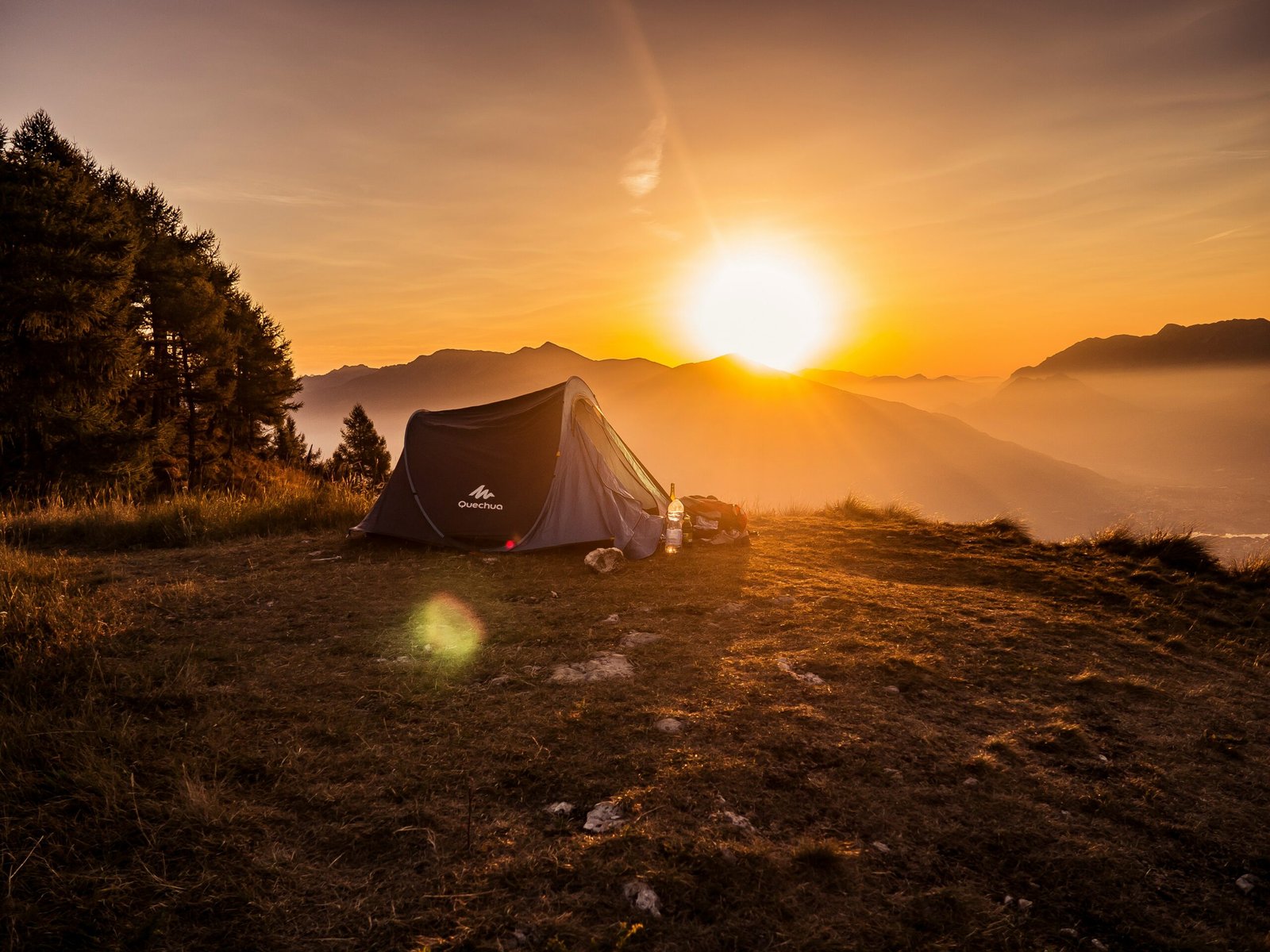
Science is also part of camping. Students examine heat transfer, food storage, hydration, waste management, and weather safety. These decisions are based on practical knowledge, not haphazard habits.
Biology and Ecology Become Visible
Students frequently comprehend ecosystems better when they are outside. They witness the interactions of plants, animals, fungi, water, and soil. Leaves, insects, birds, and decomposers make food chains evident.
A fallen log can teach decomposition, nutrients, habitat, and biodiversity. A meadow can demonstrate pollination, competition, adaptation, and seasonal variation. These examples make biology meaningful.
Outdoor skills foster environmental literacy, too. Students learn how human activities can affect living systems. They see trash, degraded soil, invasive plants, and changes in local animals.
Outdoor Activities Improve Problem Solving
Tasks done outside seldom follow a precise script. The weather changes, trails get muddy, and plans need to be adjusted. These situations allow pupils to exercise flexible thinking.
Outside, problem solving is intuitive. Decisions lead to apparent results. A wrong path can waste energy. Poor packing can make a trek unpleasant. If the shelter design is weak, it could fail in the wind.
Such experiences teach planning, testing, and revising. Students learn that mistakes can be beneficial when handled carefully.
Real Conditions Build Confidence
Outdoor challenges can give many learners a confidence boost. They see that they can utilize information outside of school. Science gives them the confidence to make better decisions.
For example, students might select apparel based on temperature and moisture. They may set up a tent away from runoff. They may associate safe drinking water practices with basic chemistry and health understanding.
These lessons are relevant at the time and stick in the mind. The pupil understands the purpose of learning right away.
Outdoor Skills Support Different Learning Styles
Not all students learn best through lectures. Some require movement, images, direct interaction, or group work. There are several paths into outdoor science.
Kinesthetic learners like building, walking, sorting, and testing. Visual learners benefit from landscapes, maps, graphs, and natural patterns. Social learners prefer to work as part of a team.
Being outside can benefit pupils who get fidgety indoors. Fresh air and exercise might aid concentration. A new setting can also decrease tension and make learning more open.
Teamwork Makes Science More Human
Science is generally a team effort. Outdoor initiatives provide students with an incentive to share roles and communicate well. One learner measures distance, while another gathers data.
Group fieldwork can consist of:
- assigning responsibilities during nature excursions;
- comparing measurements taken in different places;
- discussing possible causes of environmental changes;
- making safe models out of natural materials;
- presenting findings as charts, maps, or posters.
Working in groups, students come to realize that science is not only a solitary pursuit. It is also conversation, evidence, and shared investigation.
Safety Turns Outdoor Learning Into Responsible Science
Outdoor skills should always be taught safely. Students must know the rules, wear the proper gear, understand basic first aid, and respect the local environment. Safety does not restrict learning. It keeps it secure.
Good outdoor science also teaches ethics. Learners should not destroy habitats, disturb animals, or remove protected flora. Careful behavior supports respect and conservation.
Before every field activity, teachers can establish simple safety habits. Students must know the locality, weather prediction, emergency plan, and equipment list. Preparation gives exploration its value.
Respect for Nature Deepens Scientific Awareness
Outdoor learning promotes the students’ view of nature as a system, not a backdrop. They learn that every action can change something else.
Stepping off the trail can damage plant roots. Waste can be harmful to animals. Liquids poured into soil may impact microorganisms. These are examples of ecology in day-to-day decisions.
Such knowledge makes pupils more reflective citizens. They study how science can guide individual choices and community decisions.
Why Real World Science Matters for Students
Science in the real world prepares students for more than tests. It helps them learn about food systems, climate, energy, health, construction, travel, and technology. Outdoor skills make such connections more apparent.
A pupil who knows about weather might make better plans. Someone with a bit of knowledge of ecology may be more concerned with local parks. A student who studies water quality may become interested in public health.
Outdoor skills prepare students for future careers as well. Field knowledge is used in environmental science, engineering, agriculture, architecture, emergency management, tourism, and education, among others.
From Classroom Theory to Everyday Decisions
Science is powerful when students use it. Outdoor skills bridge the gap between theory and daily judgment. Learners stop questioning only what something means. They also ask how it works.
That is quite a change. It makes science a tool for thinking, planning, and solving. Students learn skills they may utilize in school, at home, and in their communities.
Conclusion
Outdoor skills help pupils understand real world science because they make the lesson apparent. Nature provides instances of energy, weather, ecosystems, materials, motion, and change.
Students acquire deeper scientific thinking through fieldwork, navigation, observation, and teamwork. They learn how to ask better questions and trust the evidence.
More importantly, outdoor learning emphasizes that science is not confined to a textbook. It exists in every trail, stream, cloud, stone, plant, and decision students encounter outside.