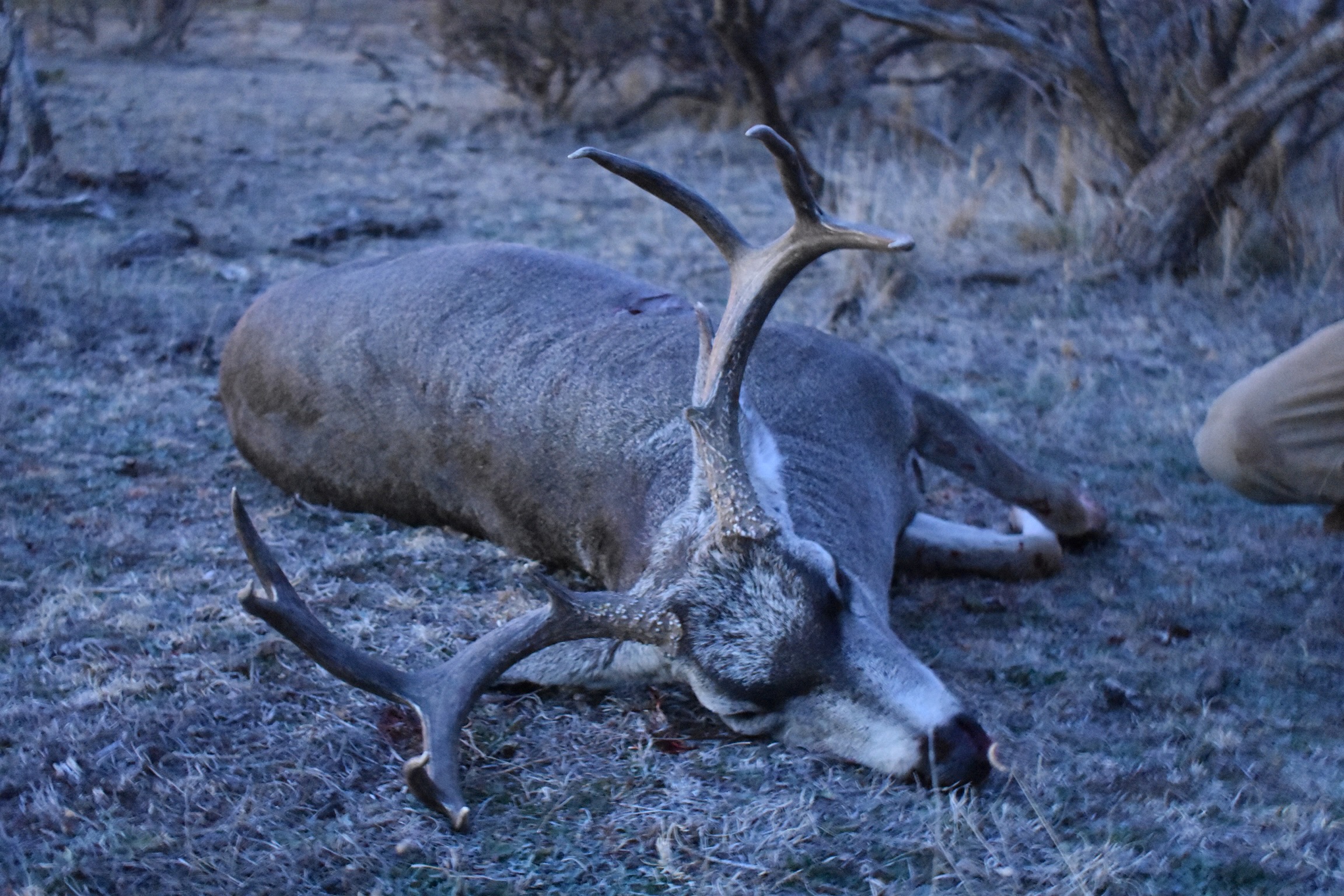
Preparing for your first deer hunt can feel exciting, intimidating, and overwhelming all at the same time.
You might be wondering:
- What gear do I actually need?
- How do I know if I’m ready?
- What happens when a deer finally steps out?
The truth is, every hunter starts exactly where you are right now. Your first hunt isn’t about being perfect. It’s about showing up prepared, learning from the experience, and building confidence in the woods.
If you’re getting ready for your first season, this guide walks through five things every beginner should understand before their first deer hunt.
And if you want a step-by-step preparation plan, you can also download the Miss Pursuit First Hunt Field Guide, which helps new hunters prepare mentally, practically, and safely before stepping into the woods.
1. Your First Hunt Will Be Mostly Waiting
One of the biggest surprises for beginners is how much time hunting involves simply sitting quietly and observing.
Movies and social media sometimes make hunting look fast-paced, but the reality is much calmer.
A typical deer hunt might involve:
- walking to your stand or blind before sunrise
- sitting quietly for several hours
- watching the woods wake up
- observing birds, squirrels, and other wildlife
- waiting patiently for deer movement
Sometimes deer appear quickly.
Other times, you may spend an entire hunt without seeing one.
And that’s completely normal.
Learning to enjoy the quiet time in nature is one of the things that keeps many hunters coming back year after year.
9 Beginner Hunting Mistakes (And How to Avoid Them)
2. You Don’t Need Complicated Gear
A lot of beginners assume they need expensive or complicated equipment before hunting.
In reality, a simple setup works perfectly for your first deer hunt.
Basic gear includes:
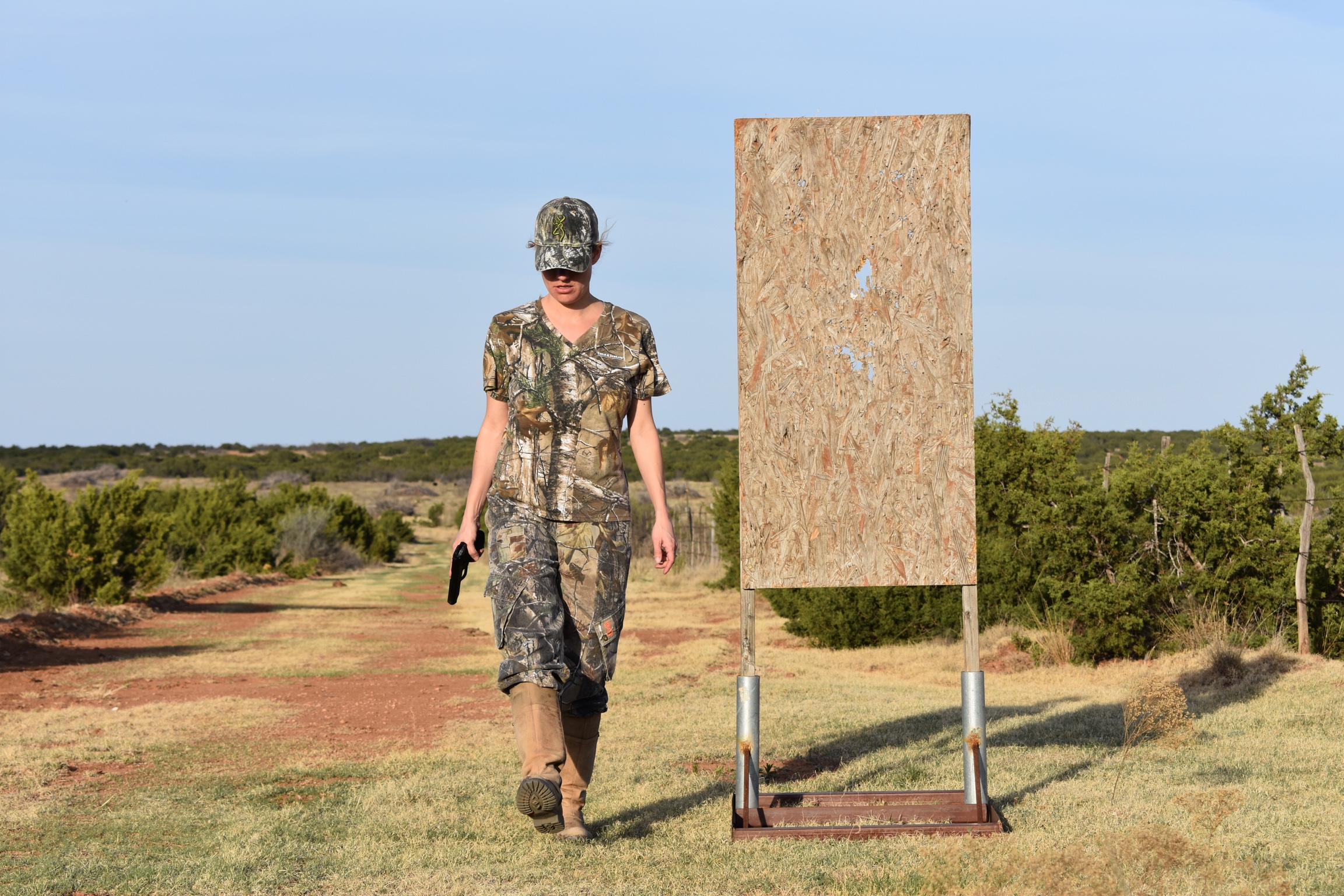
- rifle or bow suitable for deer hunting
- ammunition or arrows
- blaze orange vest or hat (required in many states)
- comfortable outdoor clothing
- waterproof boots
- hunting license and tags
- knife for field dressing
- headlamp or flashlight
That’s it.
Many experienced hunters intentionally keep their gear simple because it allows them to focus on the fundamentals.
If you’re unsure where to start, the First Hunt Field Guide includes a simple gear breakdown with budget, mid-range, and premium options.
3. Deer Move Based on Food, Water, and Safety
Understanding why deer move is one of the most helpful things beginners can learn.
Deer behavior is mostly driven by three basic needs.
Food
Deer spend a large portion of their day feeding.
Common food sources include:
- acorns
- agricultural crops
- browse like leaves and shrubs
- planted food plots
Water
Deer drink regularly and often stay near creeks, ponds, or other water sources.
Security
Deer prefer areas where they feel safe.
This often includes:
- thick brush
- dense timber
- bedding areas with limited disturbance
Because of this, deer often travel predictable routes between feeding and bedding areas.
Learning to identify these travel paths dramatically increases your chances of seeing deer.
The Ultimate Beginner Deer Hunting Guide: How to Start Hunting Deer
4. Shot Placement Matters More Than Anything
When a deer finally steps into range, the most important thing is ethical shot placement.
The goal is always a quick, humane harvest.
The most recommended shot for beginners is the broadside shot, where the deer is standing sideways.
This exposes the heart and lung area located just behind the front shoulder.
A well-placed shot in this area allows for:
- rapid blood loss
- short tracking distances
- humane harvest
Shots beginners should avoid include:
- running shots
- head shots
- steep or awkward angles
If you’re unsure about the shot, it’s always better to wait.
Passing on a shot is part of responsible hunting.
5. Your First Hunt Is an Emotional Experience
Harvesting your first deer can bring emotions many people don’t expect.
Some hunters feel:
- excitement
- gratitude
- respect for the animal
- relief after the shot
- reflection about the responsibility involved
This emotional moment is part of why hunting becomes such a meaningful tradition for many families.
Hunting connects us directly with the land and the food we eat.
Your first deer hunt is the beginning of a journey that teaches patience, responsibility, and appreciation for wildlife.
Complete Guide to Deer Hunting for Women
Downloadable First Hunt Checklist
If you’re preparing for your first deer season, having a simple checklist can help you feel more confident.
Beginner Deer Hunt Preparation Checklist
Before your first hunt, make sure you:
✔ Practice shooting your rifle or bow
✔ Understand local hunting regulations
✔ Prepare basic hunting gear
✔ Scout your hunting location if possible
✔ Check wind direction and weather
✔ Pack essential gear the night before
✔ Arrive early and move quietly
✔ Stay patient and observant
For a complete step-by-step guide, download the Miss Pursuit First Hunt Field Guide, which walks through preparation, gear, mindset, and the realities of your first hunting season.
Final Thoughts on Your First Deer Hunt
Your first deer hunt may not go exactly how you expect.
You might sit quietly for hours.
You might see wildlife you didn’t expect.
You might feel nervous when a deer finally steps into view.
All of these experiences are part of the process.
The goal of your first hunt isn’t perfection.
It’s learning how to show up prepared, stay patient, and gain confidence in the woods.
Every experienced hunter started exactly where you are now.
Frequently Asked Questions About Your First Deer Hunt
Is deer hunting hard for beginners?
Deer hunting can feel challenging at first, but beginners can learn quickly by focusing on the basics: understanding deer movement, practicing shot placement, and spending time observing wildlife.
What gear do I need for my first deer hunt?
Most beginner hunters only need a rifle or bow, ammunition, blaze orange clothing, boots, a knife for field dressing, and a hunting license.
When is the best time of day to hunt deer?
Deer are most active during early morning and late evening when they move between feeding and bedding areas.
Where should beginners hunt deer?
Beginners should focus on areas where deer naturally travel, including field edges, oak ridges, travel corridors, and funnel areas.
What should I do after shooting a deer?
Wait 20–30 minutes before tracking. Then follow the blood trail slowly until you locate the deer.


3 thoughts on “First Deer Hunt: 5 Things Every Beginner Should Know”