Starting fly fishing can feel a little intimidating. There’s new gear, new terms, and a completely different rhythm from spin fishing. But at its core, fly fishing is simple: a person, a line, a fly, and moving water. Whether you’re planning your first river trip or just curious what it takes to get started, here’s what every beginner actually needs to begin fly fishing.
All of these items can be found in our Rock Porch list! Shop it now!
1. A Fly Rod and Reel (Balanced for Your Target Fish)
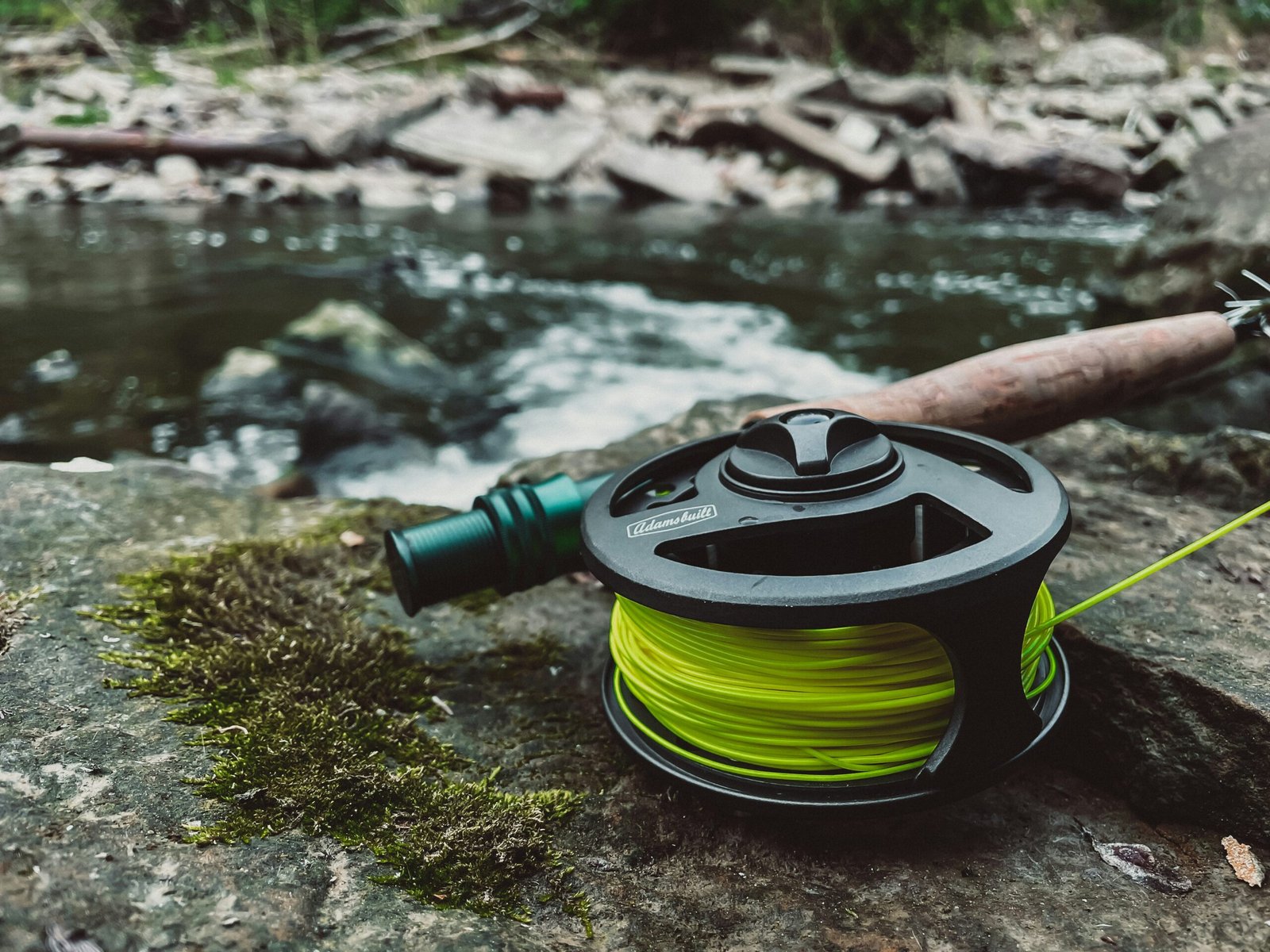
Your fly rod and reel are the heart of your setup. Rods are categorized by “weight” (written as #3, #5, #8, etc.), which tells you how powerful the rod is and what size line it’s designed for.
- For trout and small streams: choose a 4- or 5-weight rod, 8–9 feet long.
- For bass or light saltwater fishing: a 6- to 8-weight rod gives you more strength for bigger flies and fish.
When you’re starting out, go for a rod-and-reel combo kit. It takes the guesswork out of matching the right balance between the rod, reel, and line — and it’s usually more affordable.
2. Fly Line, Backing, and Leader
Fly fishing uses a weighted line to carry the fly to the water — that’s what makes it different from traditional casting. You’ll need:
- Backing: thin line attached to your reel first for extra length and capacity.
- Fly Line: choose a weight-forward floating line to start — the most versatile option for beginners.
- Leader & Tippet: a clear, tapered section of line that connects your fly line to your fly. A 9-foot, 4X leader is a great all-around choice.
If that sounds like too much to remember, most pre-packaged line kits come ready to go.
Read More (Fly Fishing 101: A Beginner’s Guide to Gear and Techniques)
3. A Basic Selection of Flies
You don’t need hundreds of patterns to start — just a handful of proven options that work in most freshwater conditions:
- Dry Flies: Parachute Adams, Elk Hair Caddis
- Nymphs: Hare’s Ear, Pheasant Tail
- Streamers: Woolly Bugger (in black, olive, or brown)
Keep them in a small fly box, and focus on learning how to fish them rather than building a huge collection.
4. Essential Tools and Accessories
A few small tools make life on the water much easier:
- Nippers or line cutters – for trimming knots.
- Hemostats – for unhooking fish.
- Floatant – keeps dry flies from sinking.
- Fly box – organized storage for your patterns.
- Polarized sunglasses – cut glare and protect your eyes.
And if you’re fishing cold or moving water, waders and boots keep you dry and stable.
5. A Good Hat and a Sense of Patience
Fly fishing is as much about learning the water as it is catching fish. Be ready to tangle your line, miss strikes, and get wet — it’s part of the process (seriously!). Start by practicing your cast on grass or in calm water. Watch your loops, keep your wrist relaxed, and remember: smooth is better than strong.
6. A Community That Supports You
That’s what Miss Pursuit is all about. Whether it’s connecting with other women who fish, reading gear reviews written for you, or finding tips that make sense without all the jargon, the outdoors is more fun when it’s shared.
Final Thoughts
You don’t need a thousand-dollar setup or a perfect cast to start fly fishing. You just need curiosity, a bit of patience (okay… a LOT of patience), and the right basic gear. The rest comes with time and plenty of practice on the water.
So grab a rod, tie on a fly, and step into the river. You’ll figure the rest out one cast at a time.