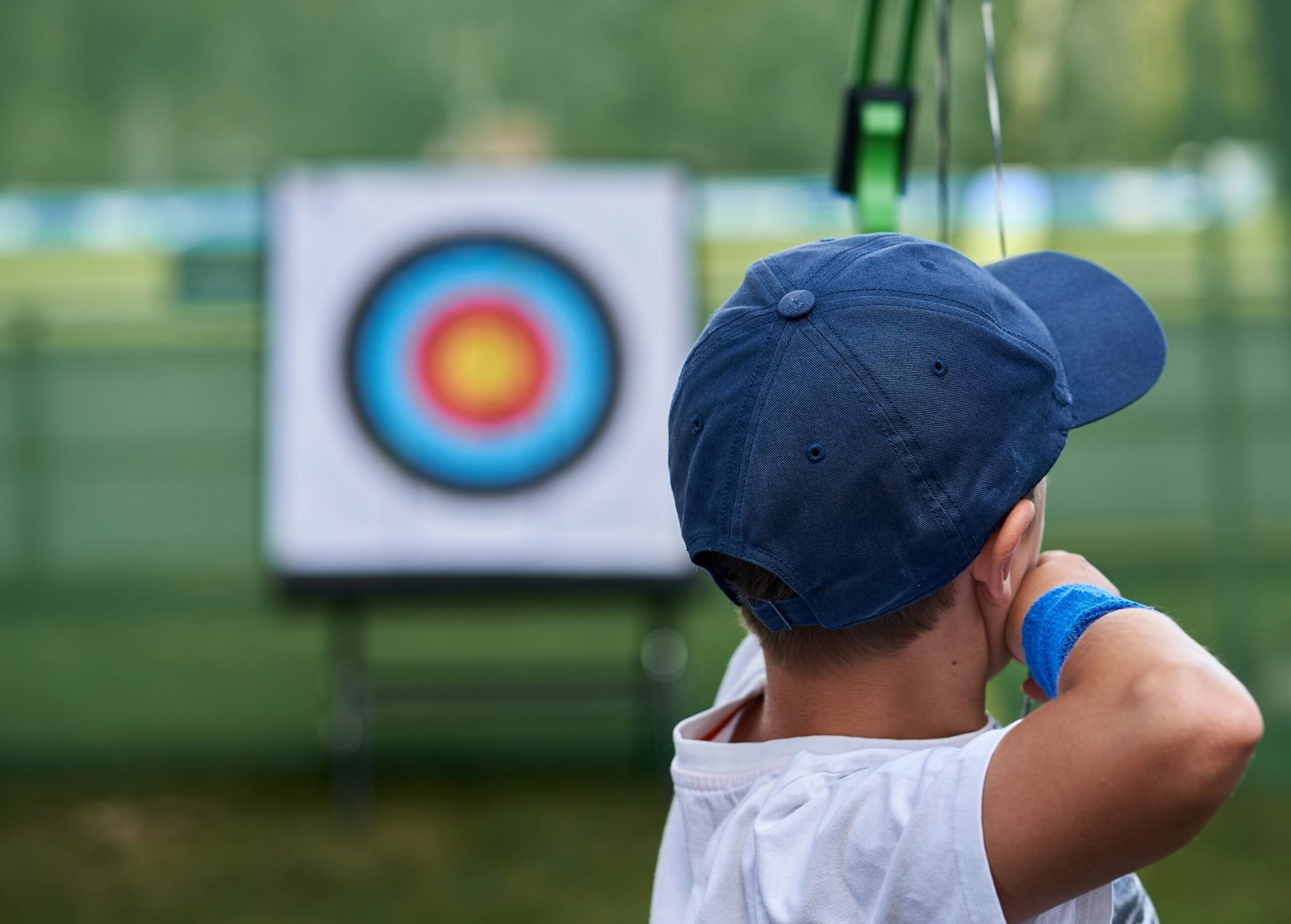
Archery has fascinated children for generations—whether inspired by animated heroes, adventurous storybooks, or simply the thrill of aiming at a target and watching an arrow fly. As more families embrace recreational sports that build focus and discipline, archery has become a popular choice for kids. But a common question remains: When should children start archery training? Understanding age readiness, safety considerations, and developmental milestones can help parents decide the perfect moment to introduce their child to this exciting sport.
Archery isn’t just about hitting a bullseye. It strengthens coordination, improves patience, and boosts self-esteem. With the right guidance, it can become a lifelong hobby—or even a competitive passion. Here’s a complete guide to knowing when kids are ready to start and how parents can support them on their archery journey.
What Is the Ideal Age for Kids to Start Archery?
Most experts agree that children can begin archery training around 6 to 8 years old. This is usually the stage when kids develop the physical strength, coordination, and understanding necessary to handle archery equipment safely. However, every child is different, and readiness depends on several factors:
1. Physical Strength and Coordination
Kids don’t need to be exceptionally strong, but they should have enough upper-body control to pull a lightweight bowstring. Many beginner bows are designed specifically to match a child’s strength level, ensuring that the sport remains fun rather than frustrating.
2. Ability to Follow Instructions
Safety is central in archery. Children must be able to listen, follow rules, and stay focused, especially when handling equipment. A child who is attentive and disciplined is almost always a good candidate for starting.
3. Emotional Maturity
Archery requires patience and persistence. Kids who enjoy trying new things, aren’t easily discouraged, and show interest in self-improvement tend to thrive in archery training.
If your child shows curiosity before age six, that’s perfectly fine! Many parents introduce their kids to the sport through toy bows or supervised fun activities. The goal is to spark interest—not to rush training.
Early Exposure: How Young Kids Can Explore Archery Safely
Some children show interest as early as preschool. While formal training may not be appropriate for very young kids, parents can still nurture this curiosity through simple, playful exposure.
Try Soft-Tip or Foam Archery Sets
These beginner-friendly sets allow kids to imitate archery movements safely. They help children practice aiming, develop hand-eye coordination, and build familiarity with the sport.
Encourage At-Home Exploration
If your child is excited to practice basic skills like posture or aiming, they can start slow, safe routines at home. Today, many families choose to learn archery at home through online tutorials or child-friendly practice tools. This early exposure can make transitioning to formal training smoother and more enjoyable.
By keeping early archery fun and pressure-free, parents can help children build confidence even before they are old enough for structured lessons.
When Kids Are Truly Ready for Formal Training
Once a child reaches around 7 or 8 and shows genuine interest, it may be time for structured lessons. Formal training introduces proper techniques, safety protocols, and equipment handling. This is also when children begin to understand archery as a sport rather than just a game.
Signs Your Child Is Ready for Real Training
- They consistently show enthusiasm about archery
- They can focus for 20–30 minutes at a time
- They practice good listening skills
- They are comfortable with simple coordination tasks
- They enjoy activities that involve precision and patience
Formal lessons also help children understand the mental aspects of archery—breathing control, concentration, and goal setting—all of which enhance performance and encourage discipline.
Choosing the Right Type of Archery Instruction
There are many ways to introduce children to structured archery education, depending on interest level, schedule, and long-term goals.
Recreational Classes for Beginners
Perfect for casual learners, these programs focus on safety, fun, and basic skills. Kids learn stance, posture, aiming, and how to handle equipment responsibly.
Private or Semi-Private Lessons
If your child wants more personalized attention, private coaching may be ideal. Many instructors offer pro archery lessons, where kids get hands-on guidance tailored to their pace and skill level. This approach helps build strong technique early, preventing bad habits that can be hard to correct later.
After-School or Weekend Archery Programs
These are great for parents who want consistent, structured training without overwhelming their child’s schedule.
Competitive Coaching for Older Kids
For children ages 10 and above who show strong potential, competitive-level coaching may be a great option. These programs introduce tournament rules, scoring, advanced techniques, and mental conditioning.
What Parents Can Do to Support Young Archers
Starting archery is a big and exciting step for children. With the right encouragement, they can build skills, confidence, and discipline that last a lifetime.
1. Keep the Pressure Low
Make sure the experience stays fun. Celebrate small wins—like improved posture, better focus, or a good attempt at the target.
2. Provide Safe, Age-Appropriate Equipment
Always choose gear based on your child’s size and strength. A lighter bow and properly sized arrows make a huge difference in comfort and performance.
3. Practice Together
Kids love when parents participate. Practicing together—even simple aiming exercises—boosts motivation and strengthens connection.
4. Encourage Patience and Persistence
Archery rewards consistency more than speed. Praising effort over results teaches children resilience and long-term focus.
Turning Curiosity into Confidence
Archery is one of the rare sports that blends physical skill with mental discipline, making it ideal for children who enjoy focus-driven activities. The best age to begin varies, but most kids are ready for structured training between 6 and 8. With the right support, safe equipment, and guidance, children can progress from curious beginners to confident young archers.
Whether your child is exploring basic skills at home or stepping into formal training, archery can become a rewarding lifelong passion. And most importantly, it teaches lessons far beyond the target—patience, confidence, responsibility, and pride in every small improvement.