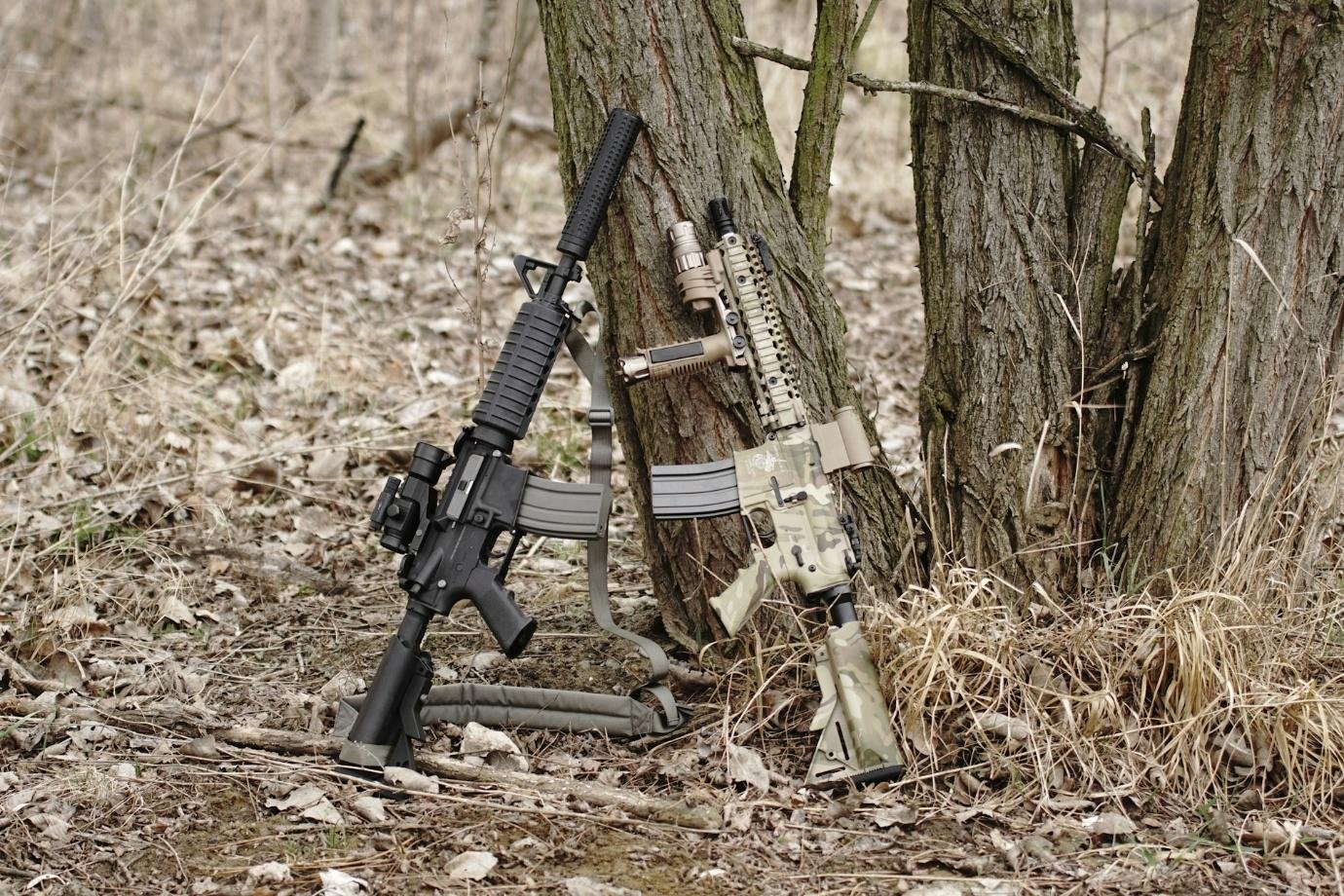
Every outdoorsman needs to know their equipment. Every piece they’re carrying, they should know by heart. This is what makes a hunter confident. A rifle should feel familiar in the hands; a pack should open without thought; a scope should adjust with steady fingers in low light. True confidence in the field begins long before boots touch dirt. It starts at the workbench, at the range, at the kitchen table, where gear gets cleaned and checked. A hunter who studies tools builds skill through repetition. That skill removes doubt when the moment comes. The wind changes. The buck steps out. The heart rate climbs. Equipment knowledge keeps movements calm and clean. It keeps decisions sharp. It keeps mistakes small and rare. The hunter who respects gear respects the hunt itself.
Understanding the Tools Before the Hunt
A hunter should understand every control on a firearm. They should know how the safety works without looking. They should understand trigger safety configuration differences between models and how those differences affect handling. This knowledge prevents careless errors. It also builds trust between hunter and tool.
Optics require the same focus. A scope must be mounted with care. The shooter must know how many clicks move the reticle at a set distance. They must test that knowledge at the range, not in the woods. Range time builds muscle memory. Muscle memory supports clean shots.
Bows demand equal study. Draw weight, anchor point, and sight pins need regular checks. A hunter who adjusts gear without guessing removes doubt. They replace hope with proof. That change matters when the animal stands still for a short second.
Practice Makes Equipment Familiar
Practice creates rhythm. A hunter who handles a rifle every week doesn’t fumble during the season. Steady hands load the chamber. The stock meets the shoulder without strain. The sight picture aligns without delay. These actions should feel automatic and controlled.
Dry runs at home have value. Pack setup and silent movement can easily be rehearsed in a garage or yard. Heavy layers should be tested with full gear. Gloves must be checked against trigger control. Small checks prevent loud mistakes later.
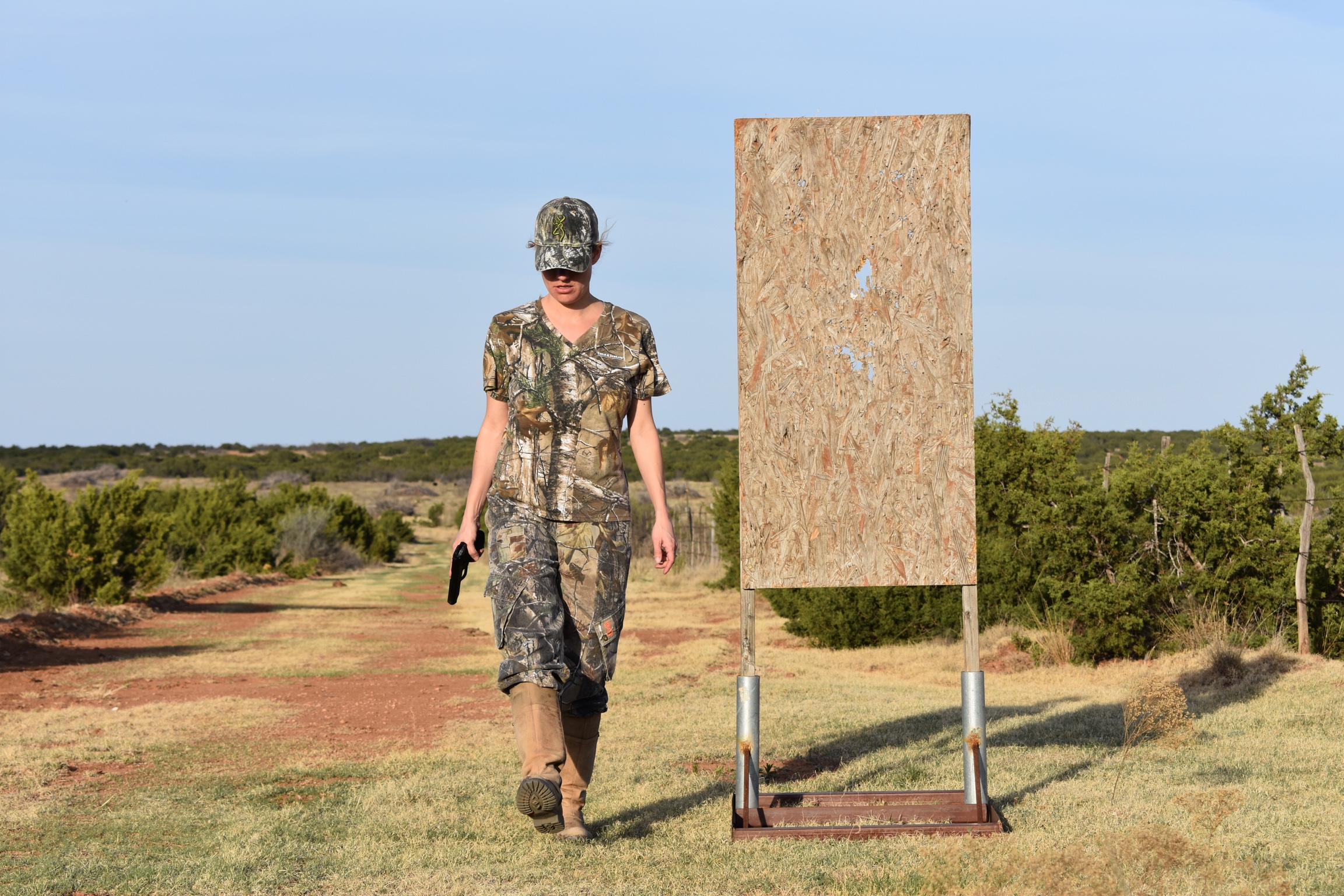
Live-fire sessions complete the cycle. A shooter confirms zero at known distances. Bullet drop gets verified at extended range. Cold-weather performance deserves attention. Each detail reduces surprise. Familiarity replaces hesitation.
The Market Reflects the Stakes
The scale of the hunting industry shows how serious equipment has become. According to a report, the USA hunting equipment and accessories market is valued at USD 15 billion. That number reflects demand. That number also reflects choice. Store shelves hold rows of rifles, optics, packs, and calls.
Choice requires judgment, as tools must match skill and purpose. Trend-driven purchases create problems in the field. Simple questions guide selection. Does the rifle fit the shoulder well? Does the pack carry weight without strain? Finally, does the scope hold zero after recoil?
Advanced materials and new designs continue to enter the market. Still, knowledge remains the key factor. Gear doesn’t grant skill by default. Skill grows from study and repetition. Money spent won’t replace time invested.
Maintenance Is Part of the Hunt
A clean rifle performs better. A sharp broadhead cuts true. Maintenance forms a direct link between preparation and outcome. Cleaning after every trip prevents rust and wear. Springs, pins, and screws require regular checks. Parts must sit tight before the next outing.
Weather tests equipment hard. Rain soaks fabric. Dust enters actions. Cold stiffens lubricants. Inspection before and after exposure extends service life. Regular inspection protects safety and accuracy.
Maintenance also builds awareness. Cleaning reveals the inner layout of each tool. Connections between parts become clear. Pressure points and moving surfaces stand out. That insight supports confidence in the field because each piece has been handled with care.
Packing With Purpose
A pack should carry only what serves the hunt; extra weight slows movement, and unused tools clutter valuable space inside the bag. Item choice must follow a clear function, so a knife sharpened many times earns a place. Calls practiced before the season deserve space, and layers tested in similar weather will reduce guesswork during long hours outside.
Organization matters since each item needs a fixed place that remains consistent on every trip into the woods. A flashlight should return to the same pocket every time, ammunition must rest in a secure holder that prevents noise, and water should remain easy to reach without removing the pack. Order saves time when light fades quickly or weather shifts without warning.
Packing with purpose shapes mindset in a direct and practical way that carries into the field. Gear laid out the night before sets a steady tone for the morning and removes rushed decisions before sunrise. A calm start replaces scrambling in the dark, and preparation reduces mental noise that can distract from clear focus.
Adapting to Conditions
Terrain changes demand flexible use of equipment. Thick timber requires short sight lines and careful steps. Open plains require longer range awareness. Scope magnification must match distance. Stance must match slope and cover. Knowledge allows quick adjustment.
Weather adds another layer. Wind affects the bullet’s path. Rain dampens bowstrings. Snow alters footing. Performance in each condition should be tested before the season starts. Testing removes guesswork.
Experience deepens this process. Each trip adds data. Each outcome teaches a lesson. The setup and approach improve over time. Practical insight carries forward into the next hunt.
Respect for the Animal and the Craft
Equipment knowledge serves more than personal success. It honors the animal. A clean, accurate shot reduces suffering. A reliable knife ensures proper field dressing. A sturdy pack supports careful meat transport. These actions show respect.
Hunting carries responsibility. Laws and ethical standards require attention. Weapon limits and personal limits demand a clear understanding. Clear thinking guides decisions. Clear thinking grows from preparation.
Confidence in the field doesn’t come from bravado. It grows from hours spent learning tools and testing them. It grows from an honest assessment of skill. Trust forms through repetition and care. Steady steps carry that trust into the woods.