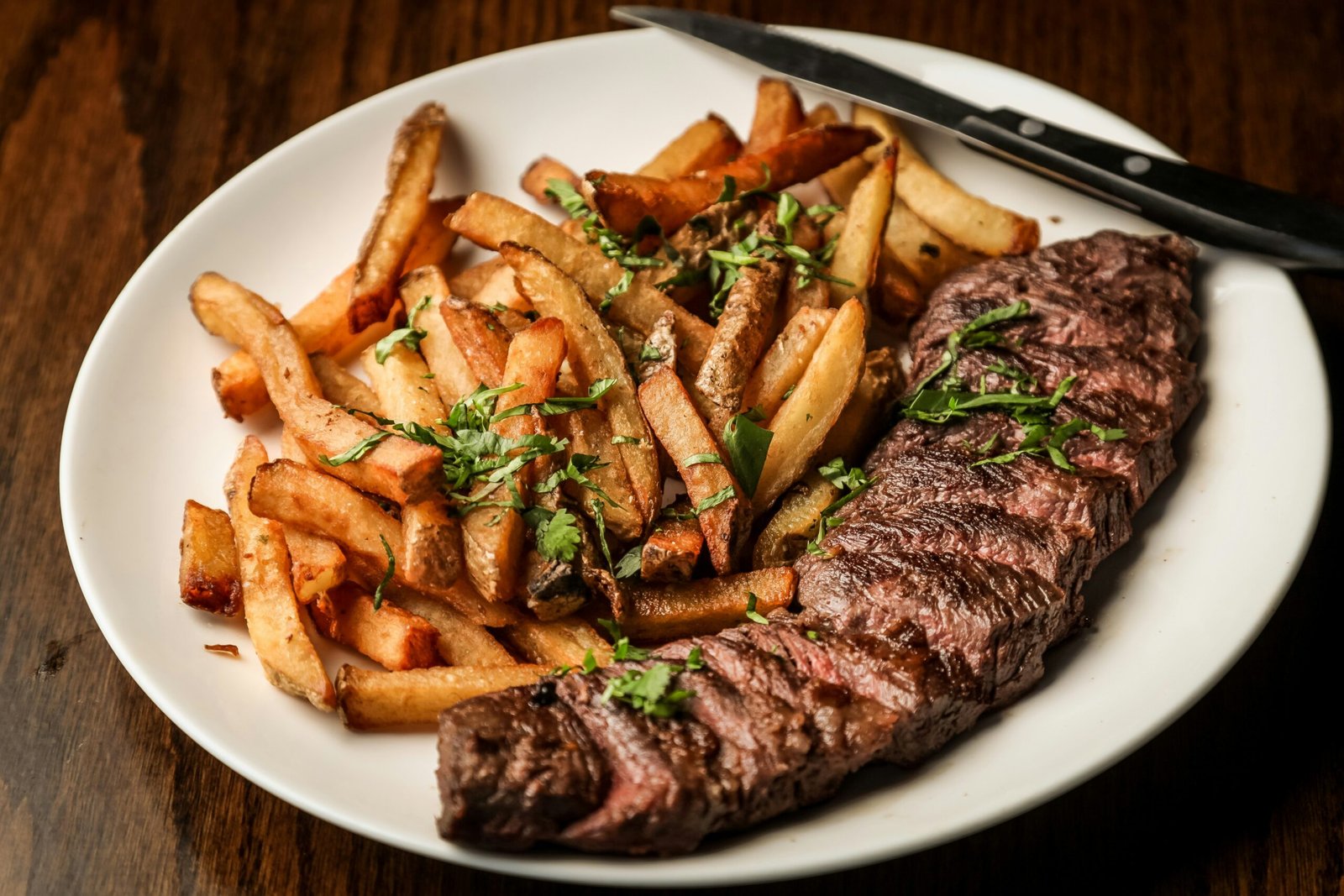
Harvesting a deer provides a valuable source of healthy, natural meat that can feed a family for months. But once the deer is processed, one important question remains:
How should venison be stored to keep it fresh and flavorful?
Properly storing venison protects the quality of the meat, prevents freezer burn, and ensures that every cut remains safe to eat long after hunting season ends.
Whether you process your own deer or bring it home from a processor, understanding how to store venison correctly will help you preserve the harvest and avoid wasting meat.
This guide covers everything hunters should know about storing venison, including refrigeration, freezing, packaging methods, and long-term storage tips.
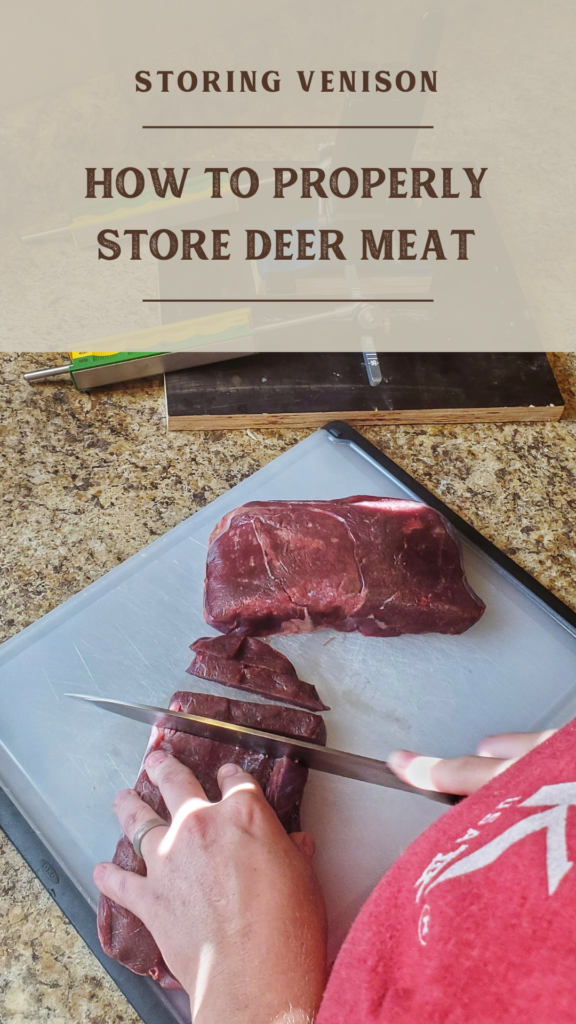
Why Proper Venison Storage Matters
Venison is naturally lean and contains very little fat compared to other meats.
While this makes venison healthy and flavorful, it also means the meat can dry out or develop freezer burn more easily if it is not stored properly.
Correct storage helps:
• Preserve flavor and texture
• Prevent bacterial growth
• Extend freezer life
• Protect meat from freezer burn
Taking a little extra care when packaging and storing venison can significantly improve the quality of meals months later.
Storing Venison in the Refrigerator
Fresh venison can be stored in the refrigerator for a short period before freezing or cooking. Raw venison should generally be kept refrigerated for no more than 3–5 days.
To store venison in the refrigerator:
• Place meat in airtight containers or tightly sealed bags
• Store on the lowest shelf where temperatures remain coldest
• Keep refrigerator temperature below 40°F (4°C)
If you plan to age venison before processing, larger cuts may remain refrigerated slightly longer under carefully controlled conditions. However, for most home kitchens, freezing venison shortly after processing is the safest option.
Freezing Venison for Long-Term Storage
Freezing is the most common method for storing venison long term. When packaged correctly, frozen venison can maintain excellent quality for many months.
Most cuts of venison remain at their best when used within 9 to 12 months of freezing.
While frozen meat may remain safe to eat longer than that, flavor and texture may slowly decline over time. Proper packaging is the key to successful freezer storage.
Best Packaging Methods for Storing Venison
How venison is wrapped before freezing has a major impact on its quality. Poor packaging allows air to reach the meat, which can cause freezer burn.
The best packaging methods include:
Vacuum Sealing
Vacuum sealing is widely considered the best method for storing venison. This process removes air from the packaging and creates a tight seal around the meat.
Benefits of vacuum sealing include:
• Prevents freezer burn
• Extends freezer life
• Saves freezer space
• Protects flavor and texture
Vacuum-sealed venison often lasts longer than traditionally wrapped meat.
Freezer Paper
Many hunters still use freezer paper to wrap venison. This method involves tightly wrapping meat with a wax-coated paper that protects the meat from air exposure.
For best results:
• Wrap meat tightly with no air pockets
• Use freezer tape to seal edges
• Label each package clearly
When wrapped properly, freezer paper provides reliable protection for frozen venison.
Freezer Bags
Heavy-duty freezer bags can also be used for venison storage.
When using freezer bags:
• Remove as much air as possible before sealing
• Double-bag if needed for additional protection
• Label each bag with the cut and date
Although freezer bags are convenient, vacuum sealing generally provides better long-term protection.
Labeling Venison Packages
Labeling is one of the most overlooked steps when storing venison. Without labels, it becomes difficult to identify cuts later.
Each package should include:
• The cut of meat (steak, roast, burger, etc.)
• The date packaged
• Optional notes such as marinade or seasoning
Clear labeling helps ensure older packages are used first and prevents meat from remaining in the freezer too long.
Organizing Venison in the Freezer
Keeping venison organized helps make meal planning easier.
Consider grouping packages by cut or type, such as:
• Steaks and backstrap
• Roasts
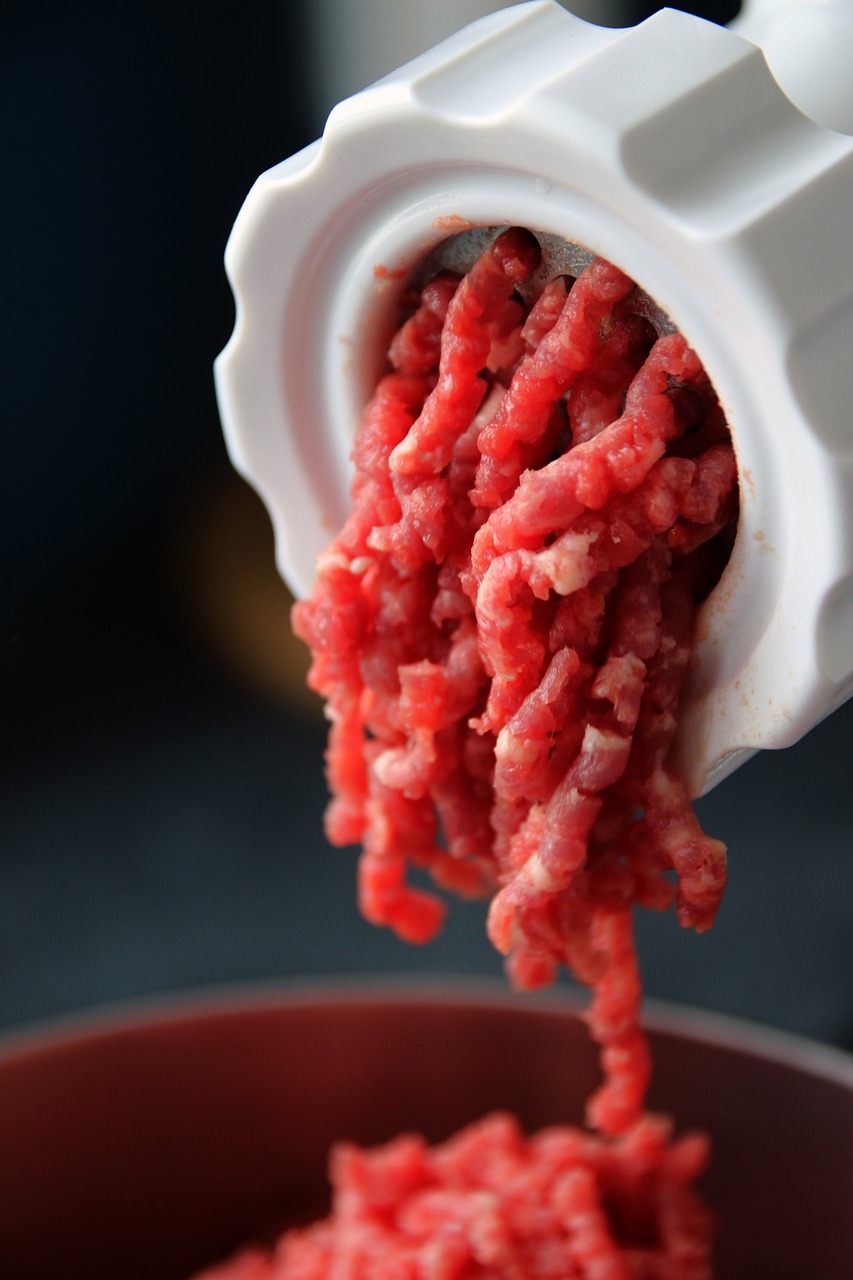
• Ground venison
• Stew meat
Many hunters also place the newest packages at the back of the freezer while keeping older packages closer to the front. This simple system helps ensure venison is used in the order it was frozen.
How Long Venison Lasts in the Freezer
When stored correctly, venison remains high quality for an extended period.
Typical freezer storage times include:
• Steaks and roasts: 9–12 months
• Ground venison: 6–9 months
• Stew meat: 6–9 months
While frozen venison may remain safe beyond these time frames, flavor and texture are best when used within the recommended periods.
Preventing Freezer Burn
Freezer burn occurs when air reaches frozen meat and causes moisture loss.
Signs of freezer burn include:
• Dry or discolored spots on meat
• Ice crystals inside packaging
• Tough or flavorless meat after cooking
The best way to prevent freezer burn is by removing as much air as possible during packaging. Vacuum sealing is the most effective solution.
Thawing Venison Safely
When you’re ready to cook venison, proper thawing helps preserve meat quality. The safest way to thaw venison is in the refrigerator. This allows the meat to thaw slowly while remaining at a safe temperature.
Other safe thawing methods include:
• Submerging sealed packages in cold water
• Using a refrigerator thawing tray
Avoid thawing venison at room temperature, as this can allow bacteria to grow.
Tips for Keeping Venison Fresh Longer
Hunters who regularly process their own deer often follow a few simple habits to protect meat quality.
Helpful tips include:
• Freeze venison as soon as possible after processing
• Keep freezer temperature at 0°F (-18°C) or lower
• Avoid repeated thawing and refreezing
• Use vacuum sealing when possible
These practices help maintain flavor and texture over time.
Why Properly Stored Venison Tastes Better
Many people believe venison has a strong flavor, but proper handling and storage make a huge difference. Clean processing, careful trimming, and proper freezing help maintain the natural flavor of the meat.
When venison is handled properly from field to freezer, it becomes one of the best-tasting and healthiest wild game meats available.
Final Thoughts on Storing Venison
Properly storing venison ensures that every part of your harvest remains fresh, safe, and enjoyable to eat.
By using airtight packaging, labeling meat clearly, and maintaining proper freezer temperatures, hunters can preserve venison for many months after the season ends.
Whether you’re grilling backstrap steaks, cooking hearty stews, or preparing ground venison meals, good storage practices help make sure the meat you worked hard to harvest stays in excellent condition.
Taking the time to store venison correctly is one of the best ways to honor the animal and enjoy the rewards of the hunt long after the season has passed.
You worked hard for that deer. Storing it right matters. Here’s how to freeze and package venison so it actually holds up. If this is your first season, grab the First Hunt Field Guide too—it walks through everything from prep to what happens after the shot.
➡️ Guide to Processing Your Own Venison


One thought on “Storing Venison: How to Properly Store Deer Meat”