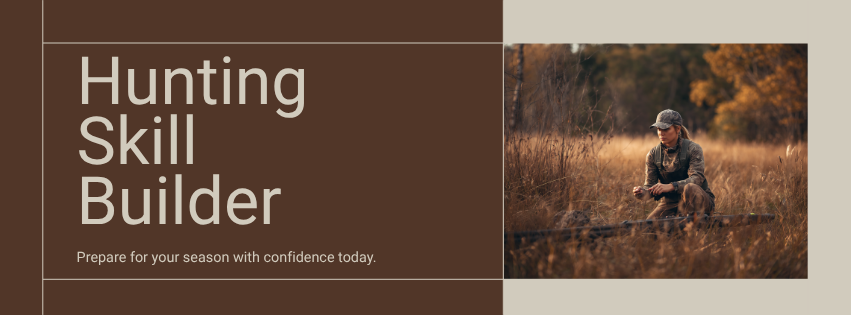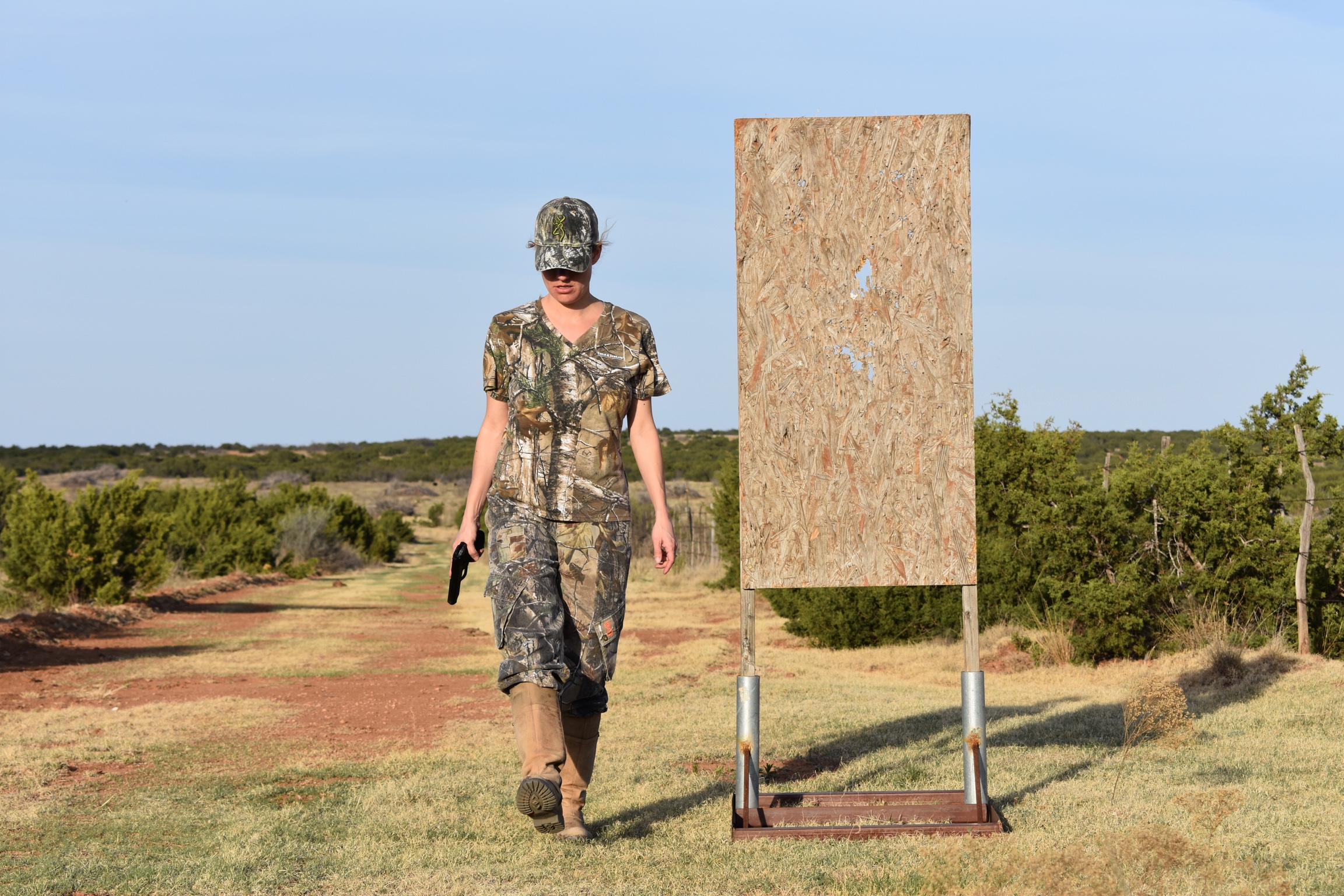
Something real is happening out in the field these days. More than ever, women are attending this year’s hunting season in larger numbers than previously, and they aren’t simply tagging along. They’re tagging out!
However, despite an increasing number of women who are hunting, there’s still a major issue that remains largely unaddressed by hunters and non-hunters alike, which is the simple fact that most of the equipment, recommendations, and instructional content for hunting were designed for the average male hunter.
That gap is closable, though, and it honestly doesn’t matter whether someone is just now thinking about going hunting for the first time or has been at it for a decade and wants to shoot better groups.
There are real and practical things that make a difference. Here are five of them:
1 – Start With Fit (Because Nothing Else Works Without It)
Although this may seem simple, people ignore this a lot. Take a brand new factory rifle off the shelf, and chances are that the length of pull (i.e., the distance from trigger to rear of stock) will be longer than you need. A long length of pull can also throw off the cheek weld, which can also throw off eye alignment and ultimately affect your shot.
Keep in mind that getting a rifle properly fitted does not have to cost you money. It begins with really measuring your rifle, which can be done either by having a gunsmith measure it or by asking someone who knows what they’re talking about to assist you. Then you can make any necessary adjustments based on those measurements.
Keep in mind that aftermarket grips, adjustable stocks, and recoil pads are all relatively inexpensive solutions to turn a rifle that is fighting you into a rifle that fits like an extension of your hand.
Once the fit is dialed in, it’s worth looking into quality firearms components for precision that match the shooting goals at hand. A better trigger, and one that is properly fitted to a rifle that’s already been set up for the shooter’s dimensions, only compounds the benefit.
Everything builds on everything else!
2 – Know the Rifle (Not Just How to Shoot It)
There is an important distinction between being able to pull the trigger on a firearm and understanding how it actually works. Understanding how your firearm operates mechanically (i.e., how the action cycles, how the break of the trigger affects the mechanism of the firearm, how all the various parts work together, and so on) will alone help you to make better decisions while hunting, as well as be able to respond if something goes wrong instead of panicking.
One of the most confidence-building things that anyone can do early on is learn how to properly maintain their own firearm. That includes understanding how to go about fieldstripping an AR for cleaning, inspecting components, and getting it back together correctly. There’s something that shifts when a person can do that without help. Because at that point, the rifle stops being intimidating and starts being familiar!
You can also go further into this by learning about the effects of barrel twist rates on your ability to select the appropriate bullets. You can find out how it feels to shoot a rifle with a 2 lb trigger compared to one with a 4 lb trigger and what those differences will do for you in terms of accuracy.
Be aware of how shooting groups change when using various types of ammunition. That is the type of knowledge that can make an individual truly better as a shooter over the course of their career (not simply because they are having “good” days).
3 – Match the Optics to the Hunt
A lot of hunters run whatever optic came with the rifle or whatever was on sale at the time, and then wonder why things fall apart in low light. Dawn and dusk are when deer, elk, and most other game animals are most active, which is also exactly when visibility is worst, and a mediocre optic starts to become a real liability.
For anyone who’s hunting in low-light conditions, doing predator work after dark, or running hogs at night, looking into quality night optics is always worth the conversation. Night vision and thermal technology have come a long way from being exclusively military equipment. There are also now genuinely practical options for hunters at a range of price points, and the ability to confidently identify and place a shot in low light is not a small thing.
Even for pure daytime hunting, optic selection deserves more attention than it usually gets. Eye relief matters a lot for shooters with smaller faces, and the difference between a well-matched scope and a generic one shows up every single time a shot is taken.
Buy the best glass that fits the budget, try before buying when possible, and don’t compromise on eye relief.
4 – Get the Gear Organized and Keep It That Way
Clunky and disorganized gear makes noise. Noise spooks animals. And beyond that, fumbling around in a pack or on a belt looking for something in a critical moment is the kind of thing that costs a shot that won’t come around again.
Building a gear system that actually works for a specific body and a specific hunting style is one of those unsexy fundamentals that separates the hunters who fill tags from the ones who come home with stories about what went wrong.
A lot of the best thinking on practical gear organization comes from the tactical world, where military firearms accessories have been pressure-tested across decades of real field use. Sling mounts, modular pouches, quick-access magazine carriers, and other similar gear is precisely where a lot of that translates directly to hunting applications and solves problems hunters have been dealing with forever.
On the handloading side, putting together a solid reloading setup at home is one of the best investments a serious shooter like yourself can make. Good precision reloading dies let a shooter tailor ammunition specifically to their rifle. When the round is built for the barrel, groups tighten up in ways that are hard to get any other way.
5 – Build the Mental Side and Take the Whole Thing Seriously
At some point, you will dial in your equipment (mechanical), and then the mental game is going to come into play. The difference between a good shot and a great shot is all about what is going on inside your head.
Managing your adrenaline when you see a large deer step out for the first time at last light, managing your breathing to slow down, and performing your practiced fundamentals (repeated many times during practice)…all of this is where the mental part of the game comes into play.
And the best part of building a strong mental game is with repetition over time.
Part of staying consistent with practice is building an environment that supports it. Keeping firearms properly stored, accessible, and well-maintained starts at home. Good gun display stands keep rifles off the floor and in the kind of condition that makes picking them up for a dry-fire session feel natural rather than like a whole production. Small things like that shape habits more than most people realize.
The other piece is simply building a complete kit that actually fits the hunting being done. Taking the time to research and source the right guns and gear for specific conditions (regardless of whether that’s mountain elk hunting or whitetail in the timber) means not improvising when it matters.
Women who take their hunting seriously and who also invest in that process shoot better, hunt smarter, and have more fun doing it.
And at the end of the day, that’s really the whole point.