First-generation college students in the United States often face a unique mix of challenges and opportunities. Many are navigating higher education without a family roadmap, balancing academics, financial pressures, and personal expectations. In this context, outdoor activities can play an important role in building confidence, resilience, and independence.
Spending time outside isn’t just about recreation. It can become a practical tool for personal growth. Whether on or off campus, outdoor experiences help develop problem-solving skills, social connection, and self-trust, all of which are essential for success in college and beyond.
Below are some of the most effective outdoor activities that support confidence and independence for first-generation college learners.
1. Hiking for Mental Strength and Decision-Making
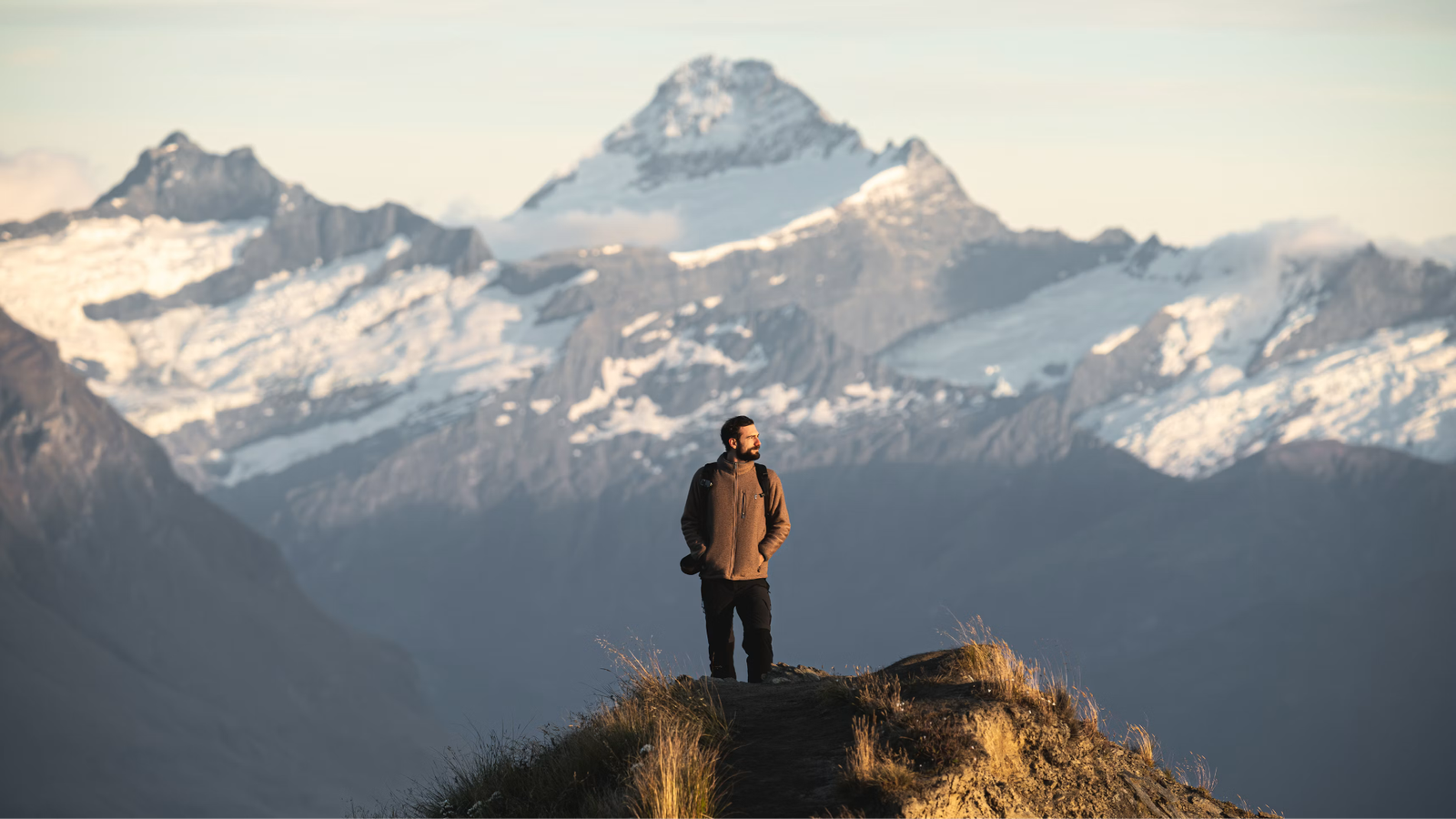
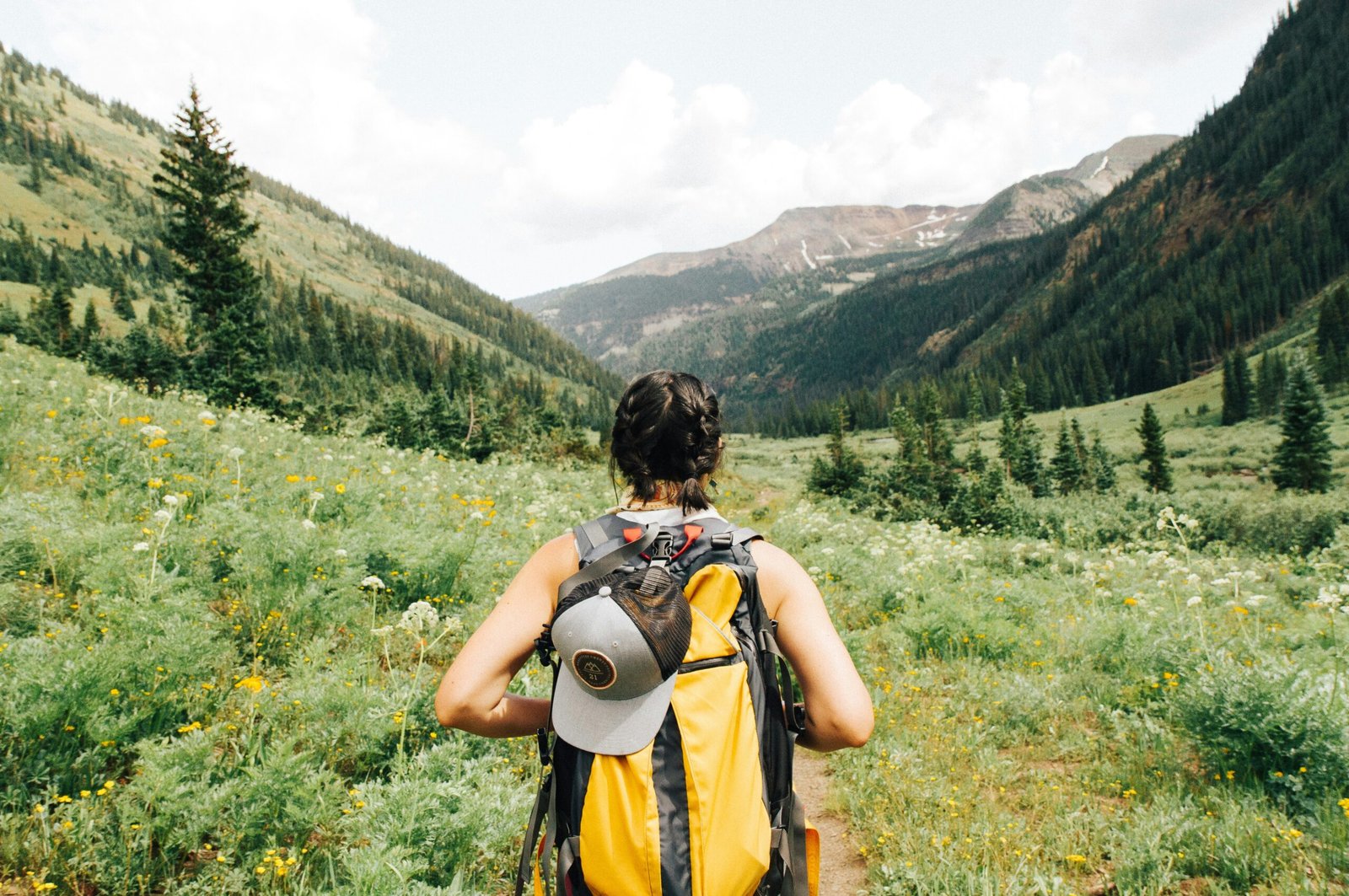
Hiking is one of the most accessible outdoor activities in many regions of the U.S., especially near college campuses. It teaches students how to navigate unfamiliar terrain, plan routes, and make real-time decisions.
Even short hiking trails help build endurance, not just physically, but mentally. Choosing a trail, preparing supplies, and completing the hike gives a strong sense of accomplishment. This feeling translates directly into academic life, where long-term projects and exams require similar persistence.
Group hikes also help develop communication skills and trust, while solo hikes encourage independence and self-reflection.
2. Outdoor Study Groups and Learning Spaces
Outdoor study groups and learning spaces give college students a practical way to learn while building confidence and independence. Studying outside on campus lawns, parks, or quiet courtyards helps reduce stress and improve focus compared to traditional indoor environments. When students join different groups, they often find friends from diverse backgrounds and combine their experiences, which makes learning more engaging and effective.
These shared sessions encourage discussion, problem-solving, and a better understanding of course material, especially for first-generation students adjusting to college expectations. Working together outdoors also strengthens communication skills and creates a sense of belonging that supports academic success.
At the same time, managing essays and assignments can still be challenging, so many learners look for additional academic assistance. An online essay writer at papersowl.com can be helpful for understanding structure, improving writing quality, and getting guidance on difficult topics. This support allows students to focus more on learning and skill development rather than feeling overwhelmed by deadlines.
3. Campus Outdoor Fitness Activities
Many universities offer outdoor fitness zones, running tracks, or organized boot camps. These environments are excellent for building discipline and routine.
Participating in outdoor workouts helps develop consistency, which is essential for managing coursework and personal responsibilities. Over time, setting and achieving fitness goals reinforces self-confidence.
Additionally, exercising outside reduces stress and improves focus, which is especially helpful during midterms or exam periods. For first-generation learners managing multiple responsibilities, this balance is crucial.
4. Camping Trips for Self-Reliance
Camping is one of the most powerful ways to build independence. It requires planning, preparation, and adaptability. From setting up a tent to managing food and weather conditions, every step teaches practical life skills.
For those new to camping, many colleges and student organizations offer guided trips. These experiences create a safe environment to learn basic survival skills while also building teamwork and leadership abilities.
Camping also removes digital distractions, giving space to reflect on personal goals and academic direction. This kind of mental reset can be extremely valuable during stressful semesters.
5. Community Gardening and Environmental Projects
Community gardens are growing in popularity across college campuses in the United States. They offer hands-on experience in responsibility, patience, and long-term planning.
Working with plants teaches that growth takes time and consistency – an important lesson for anyone navigating higher education for the first time in their family. Students learn how to care for something beyond themselves, which builds accountability and emotional maturity.
These projects also create opportunities to connect with peers and local communities, reducing feelings of isolation that some first-generation learners may experience.
5. Outdoor Volunteering and Service Learning
Outdoor volunteering activities such as park cleanups, trail restoration, or habitat conservation projects combine physical activity with meaningful impact.
These experiences help build leadership skills and a sense of purpose. Working alongside others toward a shared goal strengthens communication and teamwork abilities.
Service-based outdoor work also enhances resumes and college applications for internships or scholarships. More importantly, it helps students feel part of something larger than themselves, reinforcing confidence in their ability to contribute.
6. Adventure Sports for Confidence Building
Activities like kayaking, rock climbing, or zip-lining may feel intimidating at first, but they are incredibly effective in building courage and resilience.
Adventure sports push individuals slightly outside their comfort zone, encouraging them to face fear in a controlled environment. Each challenge overcome strengthens self-belief.
For first-time participants, many campuses and recreation centers offer beginner-friendly programs with trained instructors. These structured environments ensure safety while still promoting personal growth.
The mental lesson is powerful: difficult situations can be managed step by step, not avoided.
8. Running or Walking Clubs
Joining a running or walking group is another effective way to combine physical activity with social connection. These groups often meet regularly, creating structure and consistency.
Running or walking in a group helps develop accountability – when others expect participation, commitment increases. It also provides a natural way to build friendships and support systems on campus.
Over time, this consistency reinforces discipline, which carries over into academic habits and personal organization.
Why Outdoor Activities Matter for First-Generation College Success
Outdoor experiences provide more than just exercise – they help develop life skills that are often not taught in classrooms. These include resilience, leadership, time management, and emotional regulation.
For students navigating college without prior family experience in higher education, these skills are especially important. Outdoor environments naturally encourage problem-solving and independence in ways that feel less pressured than academic settings.
They also help reduce stress and prevent burnout, which is a common challenge during demanding academic schedules.
Final Thoughts
Building confidence and independence doesn’t happen overnight. It develops through consistent experiences that challenge comfort zones and encourage growth. Outdoor activities provide a practical, accessible way to develop these qualities while also improving physical and mental well-being.
Whether it’s hiking a local trail, joining a campus fitness group, volunteering in a community garden, or trying an adventure sport, each experience contributes to personal development.
For first-generation college students in the U.S., these activities can become powerful tools for navigating college life with greater confidence, independence, and resilience.