A good hunting SUV has to do more than look rugged. It must carry muddy boots, bulky clothing, coolers, cases, recovery gear, and sometimes several passengers without becoming difficult to organize. It also needs enough traction for wet grass, snow, gravel, and poorly maintained access roads while remaining comfortable during the long highway drive to camp.
That is why choosing the best SUV for hunting is not simply a matter of buying the model with the largest tires or the highest ground clearance. The right choice depends on where you hunt, how much equipment you carry, whether you tow, and whether the SUV will also serve as your everyday vehicle. This guide compares ten practical options for 2026 and explains which features matter after the pavement ends.
What Makes an SUV Good for Hunting?
Start with the terrain you actually drive. Graded forest roads demand less from a vehicle than deep mud, rocky two-tracks, or heavy snow. Four-wheel drive, useful ground clearance, suitable tires, and sometimes a low-range transfer case matter more than impressive horsepower figures.
Cargo design is equally important. A wide load floor is easier to use with coolers and bins, while folding rear seats can create sleeping space. Washable mats, a full-size spare, roof rails, recovery points, and accessible power outlets make an SUV easier to live with during hunting season.
1. Toyota 4Runner
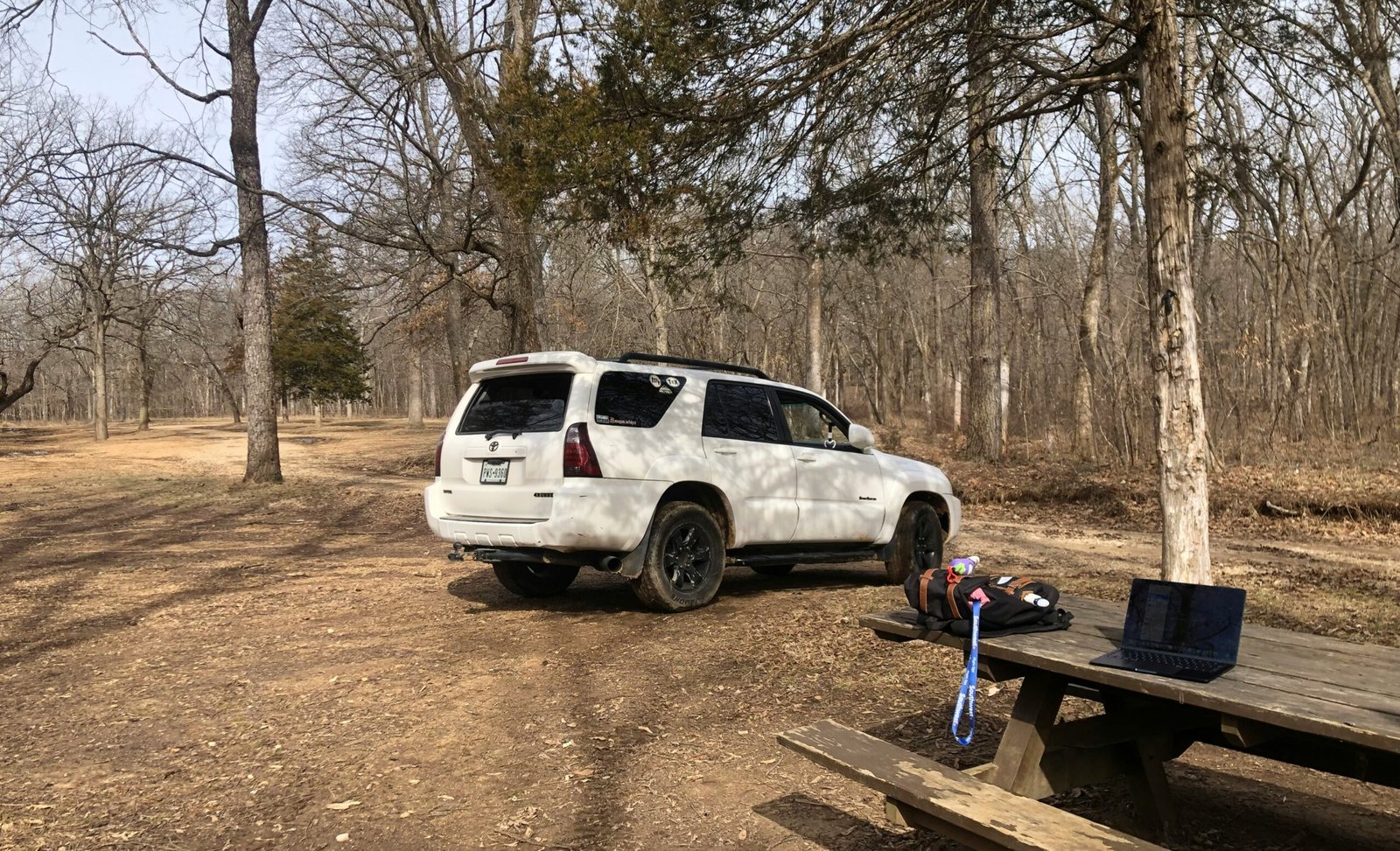
The Toyota 4Runner is a logical choice for hunters who frequently leave maintained roads. Four-wheel-drive versions use a two-speed transfer case, while trail-oriented trims add equipment such as a locking rear differential, terrain settings, and low-speed crawl assistance. The 2026 model can tow up to 6,000 pounds when properly equipped.
Its upright cargo area works well with stackable bins, and its body-on-frame construction suits repeated travel on uneven roads. The tradeoff is a firmer, more truck-like driving experience. A TRD Off-Road trim is a sensible choice for regular trail use, but the most extreme configuration may be unnecessary if your routes are mostly gravel.
2. Nissan Armada
The 2026 Nissan Armada suits hunters carrying several passengers, large amounts of equipment, or a trailer. Nissan lists up to 8,500 pounds of towing capacity, seating for up to eight, and roughly 9 inches or more of ground clearance depending on trim.
The large cabin leaves room for cold-weather clothing, food, emergency supplies, dog equipment, and coolers. It can also serve as a comfortable base for long-distance trips.
Size is the main drawback. The Armada is better on broad access roads and at established camps than on tight trails between trees. Its weight also deserves caution on wet fields and soft ground.
3. Nissan Pathfinder Rock Creek
The Pathfinder Rock Creek offers a useful balance for hunters who need one vehicle for commuting, family duties, and weekend trips. It combines four-wheel drive with added ground clearance and trail-oriented equipment. Properly equipped Pathfinder trims can tow up to 6,000 pounds, and the three-row cabin can be rearranged for passengers or gear.
It is easier to park and maneuver than a full-size SUV while offering more flexibility than a small crossover. It is not a dedicated crawler, but that is part of its appeal. The Pathfinder is comfortable on highways and capable enough for the maintained dirt roads and moderate conditions most hunters encounter.
If you want to compare how it stacks up against other Nissan SUVs, you can learn more before deciding which setup fits your needs.
4. Ford Bronco
The Ford Bronco makes sense when the road to camp includes ruts, steep grades, loose surfaces, or repeated obstacles. Four-wheel drive is central to the lineup, and buyers can choose from two-door and four-door bodies with several trail packages.
The four-door model is the better hunting choice because it provides easier rear access and more enclosed storage. Many hardtop configurations offer more than 70 cubic feet of maximum cargo space. Towing is generally rated at 3,500 pounds, with certain versions reaching 4,500 pounds.
The Bronco can be noisier and less relaxed on long highway drives, so choose trail hardware according to real needs rather than appearance.
5. Jeep Grand Cherokee
The Jeep Grand Cherokee is well suited to hunters who travel long distances on pavement but still need credible off-road traction. Available 4×4 systems, terrain modes, and air suspension allow buyers to choose their preferred level of capability. Properly equipped 2026 models can tow up to 6,200 pounds.
A two-row model is easier to manage on narrow roads, while the three-row version adds passenger flexibility. The important step is checking the exact configuration. A road-focused trim and a properly equipped 4×4 may look similar but behave differently in mud or snow. Confirm the drivetrain, tires, spare, tow package, and suspension before buying.
6. Subaru Outback Wilderness
The Outback Wilderness is a strong choice for hunters who face snow, wet roads, and long travel distances but do not tow a heavy trailer. It combines standard all-wheel drive with 9.5 inches of ground clearance, all-terrain tires, underbody protection, and a turbocharged engine. Subaru lists a towing capacity of up to 3,500 pounds.
Since many hunters also rely on their vehicle for long highway trips and daily driving, the independent safety ratings are also worth reviewing.
Its long cargo floor works well for cases and packs and can provide sleeping space with the rear seats folded. The lower roof also makes loading a cargo box easier. It is not designed for deep mud or highly technical trails, but it is practical, efficient, and easy to use every day.
7. Honda Passport TrailSport
The 2026 Honda Passport TrailSport provides a spacious two-row cabin without the bulk of a full-size SUV. Its all-wheel-drive system and Trail and Sand modes help on loose surfaces, while the folding rear seat creates a useful cargo or sleeping area. Honda rates the Passport to tow up to 5,000 pounds when properly equipped.
It is a practical choice for couples or small groups that want plenty of interior space in a vehicle that remains easy to use every day. Like the Pathfinder, it is an adventure-oriented SUV rather than a specialized rock crawler. Quality all-terrain tires and basic recovery equipment will often matter more on hunting trips than electronic drive modes alone.
An independent road test praised the 2026 Honda Passport TrailSport for its quiet cabin, comfortable ride, and practical interior. The test also recorded 25 mpg during 75-mph highway driving. However, the additional equipment contributes to a curb weight of 4,782 pounds, and the SUV needed 7.3 seconds to reach 60 mph—noticeably slower than the previous-generation Passport.
8. Chevrolet Tahoe
The Chevrolet Tahoe works well for trips involving several adults, dog crates, large coolers, and bulky camp equipment. Chevrolet lists up to 122.7 cubic feet of cargo space and seating for up to 9.
A 4WD Tahoe with suitable tires can become an effective mobile base camp. Its interior allows hunters to organize equipment rather than stacking everything together, and its towing ability supports boats and utility trailers.
The main disadvantage is maneuverability. Check the route before taking a Tahoe onto unfamiliar forest roads, especially after rain when narrow turnaround areas and soft shoulders can become serious problems.
9. Toyota Sequoia
The Toyota Sequoia combines three-row space, a truck-based platform, and substantial towing strength. Toyota lists a maximum towing capacity of up to 9,500 pounds, while the TRD Pro and TRD Off-Road versions add useful equipment for unpaved travel.
It is a strong option for hunters towing an enclosed trailer, larger boat, or equipment carrier while still needing passenger space. Its hybrid powertrain also delivers strong low-speed torque.
As with the Armada and Tahoe, width and weight are disadvantages on soft or narrow trails. The Sequoia makes the most sense when towing and highway comfort are more important than navigating tight woods.
10. Toyota Land Cruiser
The 2026 Land Cruiser includes full-time four-wheel drive, a two-speed transfer case, locking center and rear differentials, and trail-assistance systems. Toyota lists a towing capacity of up to 6,000 pounds.
It offers serious traction equipment in a package that is easier to position on a trail than many full-size SUVs. That makes it attractive for hunters who travel far from pavement but still want comfort on long interstate drives.
Its limitations are price and cargo space. Hunters mainly concerned with maximum room may receive more value from an Armada, Tahoe, or used full-size SUV. The Land Cruiser earns its place through controlled off-road performance rather than sheer size.
Which SUV Is Best for Hunting?
There is no single winner for every hunter.
The Toyota 4Runner is one of the strongest choices for rough access roads and more demanding trails. The Toyota Land Cruiser is also worth considering if you regularly travel deep into the backcountry and want a more refined vehicle for long highway drives.
The Nissan Armada, Chevrolet Tahoe, and Toyota Sequoia are better suited to hunters who travel with a group, carry a lot of equipment, or need to tow a trailer. They offer plenty of interior space, but their larger size can make them less practical on narrow forest roads.
For a vehicle that is easier to use every day, consider the Nissan Pathfinder Rock Creek or Honda Passport TrailSport. Both provide a useful balance of passenger comfort, cargo room, and capability on moderate unpaved roads. The Subaru Outback Wilderness is another practical option, especially for hunters who frequently drive in snow, rain, or changing weather conditions.
The Ford Bronco is a better match for difficult trails, while the Jeep Grand Cherokee combines a comfortable highway ride with several capable four-wheel-drive configurations.
Of course, choosing a good SUV is only the first step. You will still need to equip it with the right tires, storage solutions, recovery gear, and other hunting essentials—but that is a topic for another time.