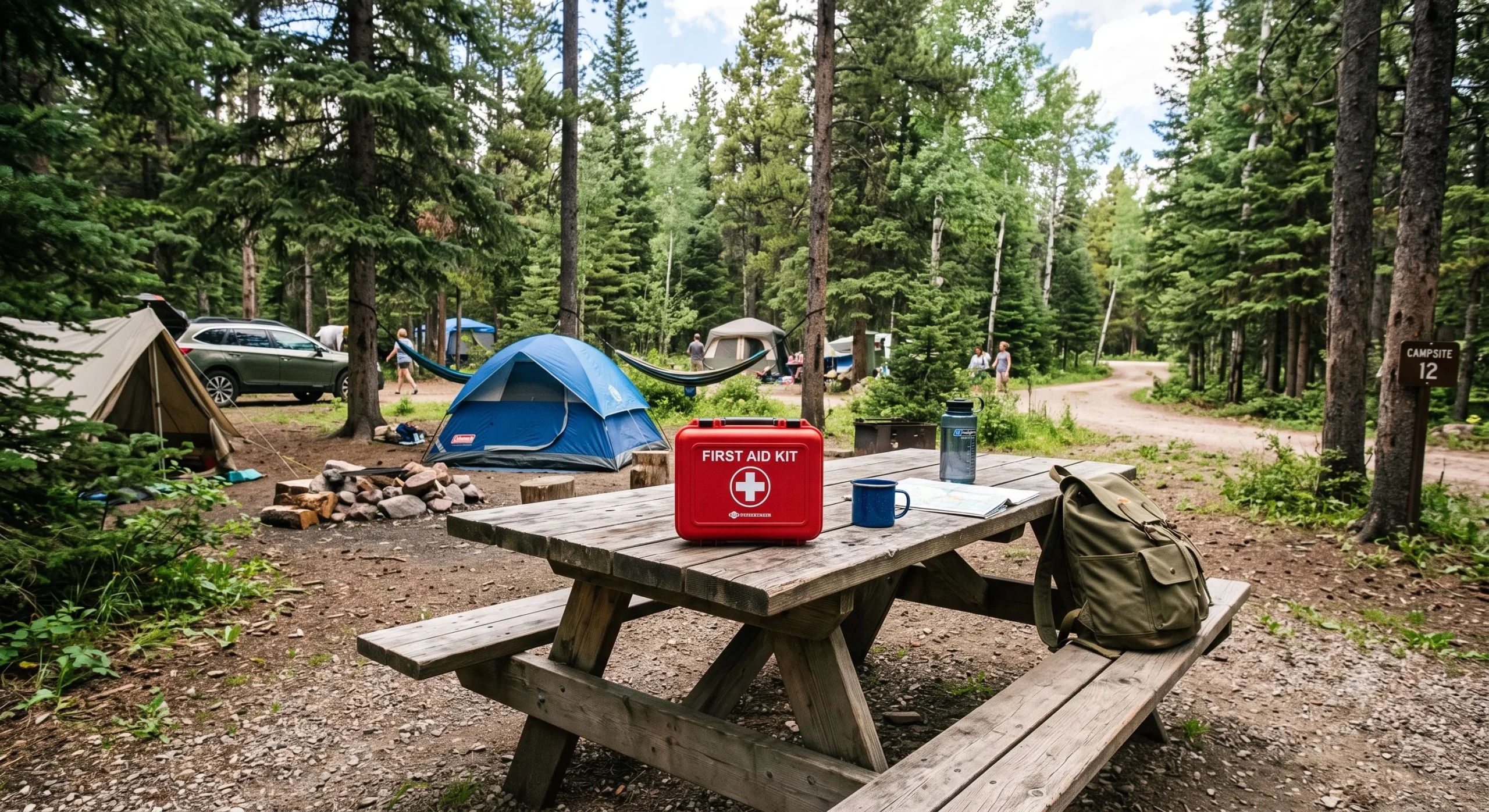
Heading into the wilderness requires more than just good gear; it demands real preparation for medical emergencies. From managing severe bleeding to treating sudden sprains, knowing what to do saves lives. A proper first aid certification gives you the skills and confidence to handle unexpected outdoor accidents safely and effectively.
Let’s be honest. We all love the thrill of hitting the trail or setting up camp far away from city noise. But nature does not care about your weekend plans. A slipped boot on a muddy trail or a misjudged knife cut while dressing a game animal can turn a great trip into an absolute nightmare.
When you are miles from the nearest hospital, you are the first responder. That is exactly why getting proper Coast2Coast First Aid Training before your next big Saskatchewan trip is not just a good idea—it is a lifeline.
If you spend time hunting, hiking, or camping, you already know the risks. But having the right knowledge makes all the difference. Learning from top-tier instructors actually works. Coast2Coast boasts an impressive 99.9% student success rate, meaning you will walk away knowing exactly how to handle high-stress situations.
Why Is Wilderness Safety Different From Urban First Aid?
In a city, an ambulance is usually just a few minutes away. You call 911, apply some pressure to a wound, and simply wait. The hospital does the heavy lifting.
In the deep woods, help might be hours or even days away. You have to stabilize the person, use whatever supplies you packed, and sometimes figure out how to transport them. It requires a completely different mindset. You learn to improvise with what you have on hand.
What Should Go In A Hunter’s Or Hiker’s First Aid Kit?
Do not rely on those cheap, pre-packaged kits from the dollar store. They are fine for a papercut at the office, but useless for serious outdoor injuries.
You need real trauma supplies. Pack a proper tourniquet, plenty of heavy-duty gauze, and tight compression bandages. Add in some blister treatments, tweezers for ticks or splinters, and a SAM splint for broken bones or bad sprains.
Do not forget the basic medications, either. Antihistamines for sudden allergic reactions, an EpiPen if you or your partner needs one, and water purification tablets should always live in your pack.
How Do You Handle The Most Common Outdoor Injuries?
Sprained ankles are probably the most frequent issue hikers face on uneven ground. If you or a friend rolls an ankle, stop moving immediately. Elevate the foot, wrap it tightly for support, and assess if you can slowly bear weight.
Cuts and bleeding are common for hunters. The immediate priority is stopping the blood loss. Apply firm, direct pressure with a clean cloth or gauze. If the bleeding is severe and on a limb, you might need to use a tourniquet placed high and tight above the wound.
Hypothermia is another silent killer outdoors. It can happen even in mild temperatures if you get wet and the wind picks up. Get the person out of wet clothes quickly, wrap them in a dry sleeping bag, and share body heat if necessary.
Are First Aid Certifications Really Worth The Time?
Absolutely. You can watch all the survival videos you want online, but nothing replaces physical, hands-on practice. Reading about a tourniquet is entirely different from applying one under pressure.
Getting certified forces you to run through scenarios physically so you can build muscle memory. Plus, standard certifications have a 3-year validity, so you do not have to spend every single weekend back in a classroom. A few hours of blended learning—doing the theory online and the skills in person—keeps you ready for years.
If you are looking for first aid training near Nutana, City Park, Riversdale, or other areas close to downtown Saskatoon, then you may reach out to Coast2Coast First Aid & Aquatics in that area.
Frequently Asked Questions
1. What is the most important item in a wilderness first aid kit? While every kit should be well-rounded, a high-quality tourniquet and heavy-duty compression bandages are life-saving essentials for severe trauma or hunting accidents.
2. How often do I need to renew my first aid certification? Canadian Red Cross First Aid and CPR certifications have a 3-year validity. However, taking a quick refresher course annually is a smart way to keep your skills sharp.
3. Can I take a first aid course online? Yes and no. You can complete the theory portion online through Blended Learning. However, you must attend an in-class session to practice and demonstrate your physical skills to get certified.
4. What should I do if I get a deep cut while hunting? Apply firm, direct pressure to the wound using clean gauze or clothing. Elevate the injured area above the heart if possible. If the bleeding does not stop and is on an arm or leg, apply a tourniquet.
5. How do you treat hypothermia in the woods? Move the person to a dry shelter and remove any wet clothing immediately. Wrap them in dry blankets or a sleeping bag, provide warm (not hot) non-alcoholic liquids if they are conscious, and apply warm compresses to their neck, chest, and groin.