Most hunters think of trail cameras as tools for scouting deer, monitoring feeders, or tracking wildlife activity. For decades, they have served as an extra set of eyes in the woods, collecting information when hunters and landowners cannot be there themselves.
Many of the most memorable trail camera photos aren’t of trophy bucks at all. They’re pictures of unfamiliar trucks driving down private roads, strangers crossing fences, or individuals carrying rifles where they have no permission to hunt. In some cases, those images have helped identify trespassers, document illegal activity, and provide valuable evidence for wildlife officers and local law enforcement.
As trail camera technology has improved, these devices have evolved from simple wildlife-monitoring tools into practical security assets for rural properties. Whether managing a hunting lease, family ranch, or recreational property, many landowners are discovering that trail cameras can help protect far more than game animals.
The Ongoing Challenge of Trespassing and Poaching
Across much of rural America, private landowners face a common challenge: monitoring large areas of property that cannot realistically be watched around the clock.
A ranch may have miles of fence lines, multiple access roads, remote water sources, and isolated sections that go untouched for weeks at a time. Even on smaller hunting properties, owners often live hours away and may only visit on weekends.
Unfortunately, this creates opportunities for unauthorized activity.
Trespassing remains one of the most common issues reported by rural landowners. Sometimes it’s accidental—a hiker or hunter crossing a property line without realizing it. Other times, individuals knowingly enter private land to hunt, fish, ride ATVs, or explore without permission.
Poaching presents an even greater concern. Illegal hunting activities can negatively impact wildlife populations, undermine years of habitat management, and create safety risks for legitimate hunters using the property. By the time evidence of poaching is discovered, the individuals responsible are often long gone.
This is where trail cameras have proven particularly valuable.
Capturing Activity When No One Is Around
The greatest advantage of a trail camera is simple: it never gets tired, distracted, or leaves early.
Positioned correctly, a camera can monitor a property entrance, fence crossing, feeder site, or remote road twenty-four hours a day. Every image or video is automatically stamped with the date and time, creating a record of activity that would otherwise go unnoticed.
For many landowners, the first indication of a problem comes from reviewing trail camera footage.
A night vision trail camera placed near a gate might reveal a vehicle entering after dark without alerting the driver. Another mounted near a feeder may capture someone hunting outside legal hours under the cover of darkness. Cameras positioned along remote trails often document ATV traffic or repeated trespassing patterns that would be difficult to detect through occasional visits alone.
Even when the footage does not immediately identify a suspect, it can establish timelines and patterns that help landowners understand what is happening on their property.
In many situations, simply knowing when and where unauthorized activity occurs is enough to improve security and prevent future incidents.
More Than Just Poachers
While illegal hunting often receives the most attention, trail cameras frequently document other types of property-related problems as well.
Unauthorized vehicles are among the most common discoveries. Landowners may notice tire tracks but have no idea who entered the property or when. A strategically placed camera can often provide a clear image of the vehicle, helping narrow down potential suspects or identify repeat visitors.
Illegal dumping is another issue that affects rural properties throughout the country. Construction debris, household garbage, old furniture, and even appliances are sometimes abandoned on private land. Cameras positioned near access points can help identify those responsible and discourage future dumping.
Equipment theft is also a growing concern. Generators, fuel tanks, feeders, utility trailers, and farm equipment can become targets, particularly on remote properties that remain unattended for long periods. In many cases, trail cameras provide the only visual evidence available after a theft occurs.
Some landowners have even used cameras to document fence damage, vandalism, and repeated unauthorized access to livestock areas.
What begins as a wildlife management tool often becomes a broader property management resource.
Strategic Camera Placement Makes the Difference
Having a trail camera is one thing. Placing it effectively is another.
Many people instinctively mount cameras near feeders or food plots because that’s where they expect to capture wildlife. While those locations remain useful for hunting purposes, security-focused camera placement requires a different mindset.
Property entrances are often the most valuable locations. Gates, access roads, and trail intersections naturally funnel both wildlife and human traffic into predictable paths. Monitoring these areas can provide early warning of unauthorized visitors before they reach more sensitive sections of the property.
Fence crossings deserve attention as well. Experienced trespassers frequently use the same gaps, corners, or low spots in a fence line. Cameras positioned in these locations often reveal activity that would otherwise remain hidden.
Storage areas can also benefit from surveillance. Equipment sheds, fuel stations, and locations where valuable gear is kept are natural targets for theft and should be monitored whenever possible.
In larger properties, multiple cameras working together typically provide better results than relying on a single unit. Overlapping coverage can help document movement patterns and reduce blind spots.
The Growing Role of Cellular Trail Cameras
Traditional trail cameras remain highly effective and continue to be widely used. They are affordable, reliable, and capable of capturing excellent photos and videos.
However, cellular trail cameras have introduced new possibilities for property monitoring.
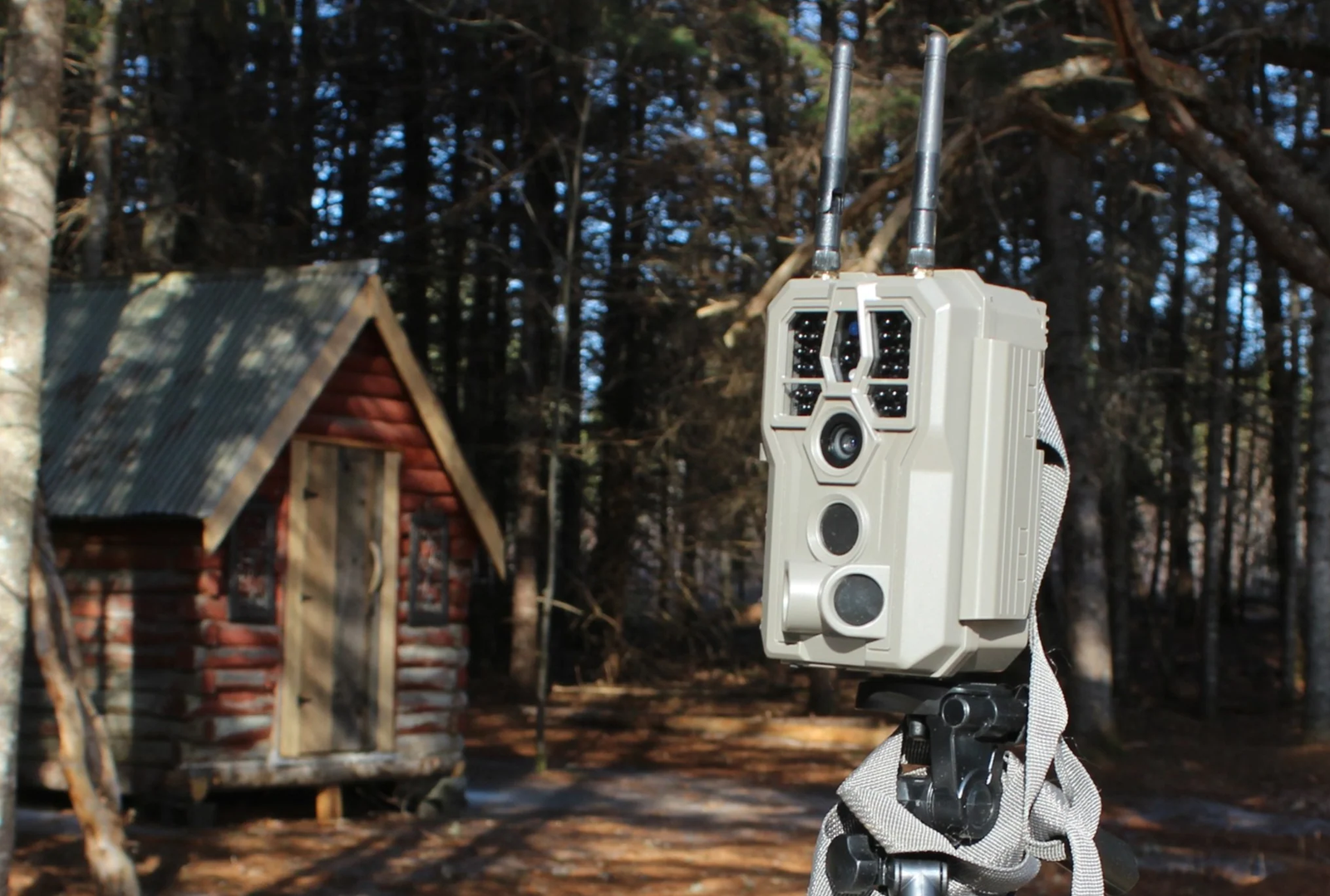
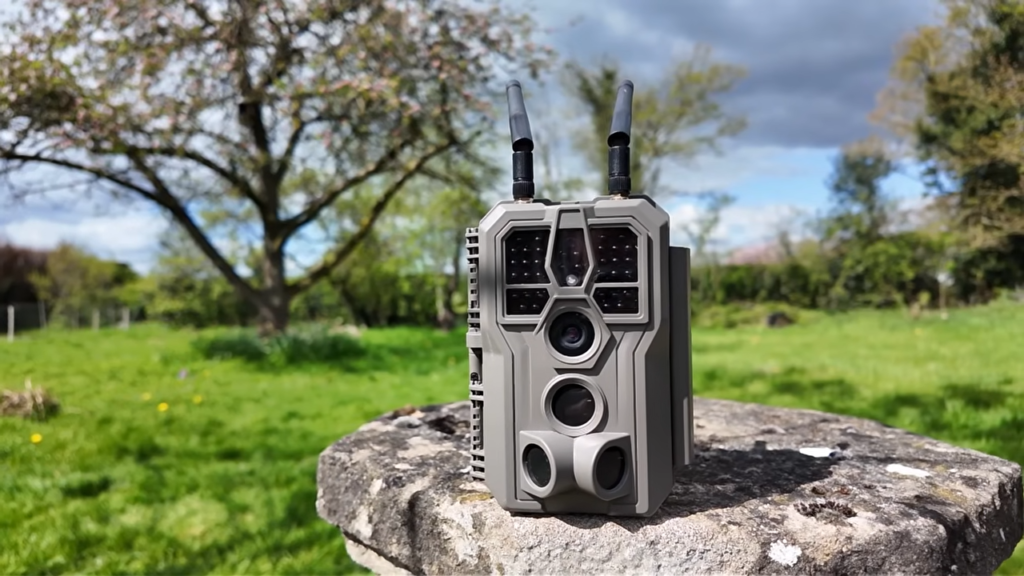
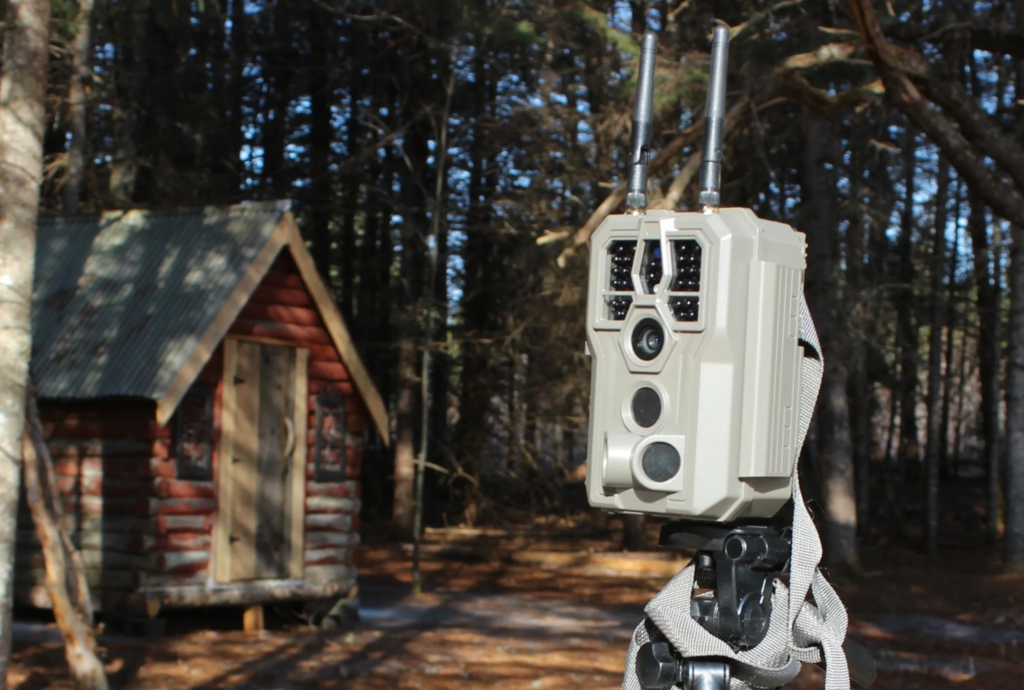
Instead of storing images exclusively on an SD card, reliable cellular cameras like those from GardePro can transmit selected photos directly to a smartphone or computer using a mobile network. This allows landowners to receive updates without physically visiting the property.
For remote hunting leases or large ranches, this can be particularly useful.
Rather than discovering evidence days or weeks after an incident occurred, landowners may receive an alert shortly after activity is detected. While this does not eliminate security risks, it can significantly shorten response times and improve situational awareness.
Many hunters initially purchase cellular cameras to monitor wildlife movement without disturbing an area. Over time, they often realize that the same technology provides an added layer of security for roads, gates, and equipment.
As rural properties become increasingly difficult to monitor in person, remote visibility has become an attractive feature for many landowners.
If you are looking to build a dependable security perimeter, the GardePro cellular trail camera series is an excellent starting point. By combining real-time cellular alerts with advanced AI smart filtering, these cameras distinguish between a passing animal and an unauthorized vehicle or person. This means you receive instant, actionable notifications when someone enters your property, making them a powerful and cost-effective security asset for any remote lease.”
Creating Useful Evidence
Trail cameras are most valuable when the information they collect is clear and usable.
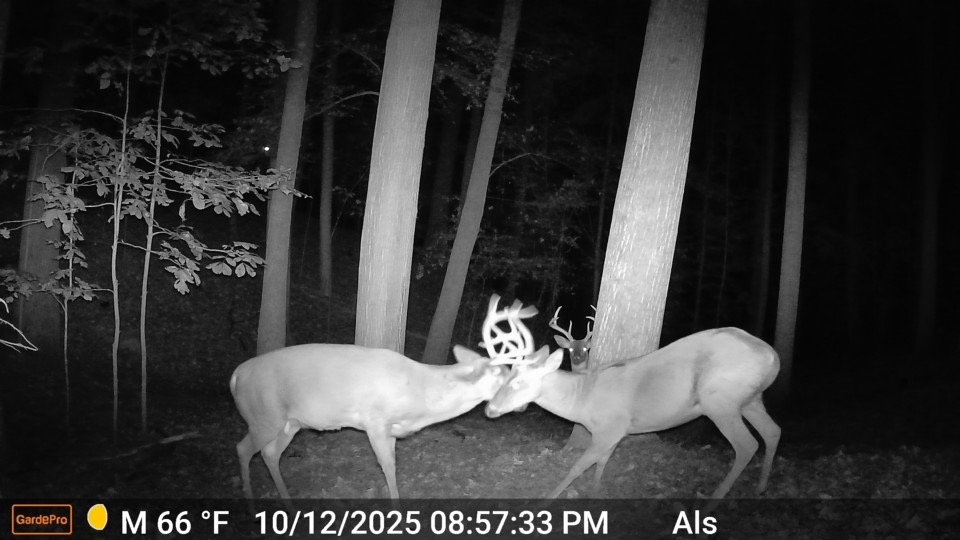
A blurry image captured from too great a distance may confirm that someone was present, but it often provides little actionable information. Positioning cameras at appropriate heights and angles can improve image quality and increase the likelihood of capturing identifiable details.
Lighting conditions matter as well. Cameras aimed directly into sunrise or sunset can produce glare and poor visibility. Taking time to evaluate natural lighting can dramatically improve results.
Many experienced users also prefer to keep cameras somewhat concealed. While a visible camera may deter some individuals, hidden cameras are less likely to be damaged, stolen, or intentionally avoided.
Just as importantly, original image and video files should be preserved whenever illegal activity is suspected. Metadata, timestamps, and unedited files can become important if evidence is later reviewed by wildlife officers or law enforcement personnel.
An Extra Layer of Protection
No camera can completely prevent trespassing, poaching, or theft. Determined individuals may still find ways to access private property.
What trail cameras provide is awareness.
They allow landowners to understand what is happening when they are not present. They help identify recurring problems, reveal patterns of activity, and create records that would otherwise never exist.
For many hunters, trail cameras will always be associated with scouting deer and preparing for hunting season. Yet their role has expanded far beyond wildlife management.
Today, trail cameras help protect ranches, monitor hunting leases, safeguard equipment, and document unauthorized activity across millions of acres of rural land. In an era when many properties are managed from a distance, having reliable eyes in the field has never been more valuable.
Whether the goal is tracking wildlife or protecting private property, a well-placed trail camera can provide information that would otherwise remain unseen.