Paddle boarders face a significant choice between inflatable and rigid boards, each offering distinct advantages for outdoor adventures. The right selection impacts not only paddling performance but also influences transportation, storage, and overall experience. Deciding which type suits your needs can make your outings safer, more convenient, and more enjoyable for paddle boarding.
Choosing between inflatable and rigid stand-up paddle boards is a matter of matching your board to your lifestyle and specific outdoor activities. Paddle boarding has grown in popularity around lakes, rivers, and coastal bays, making it vital for enthusiasts to understand how board type affects comfort, handling, and durability. By understanding the strengths and limitations of each option, you can confidently pick the board that best aligns with your routine and future paddling plans.
Understanding inflatable and rigid board construction
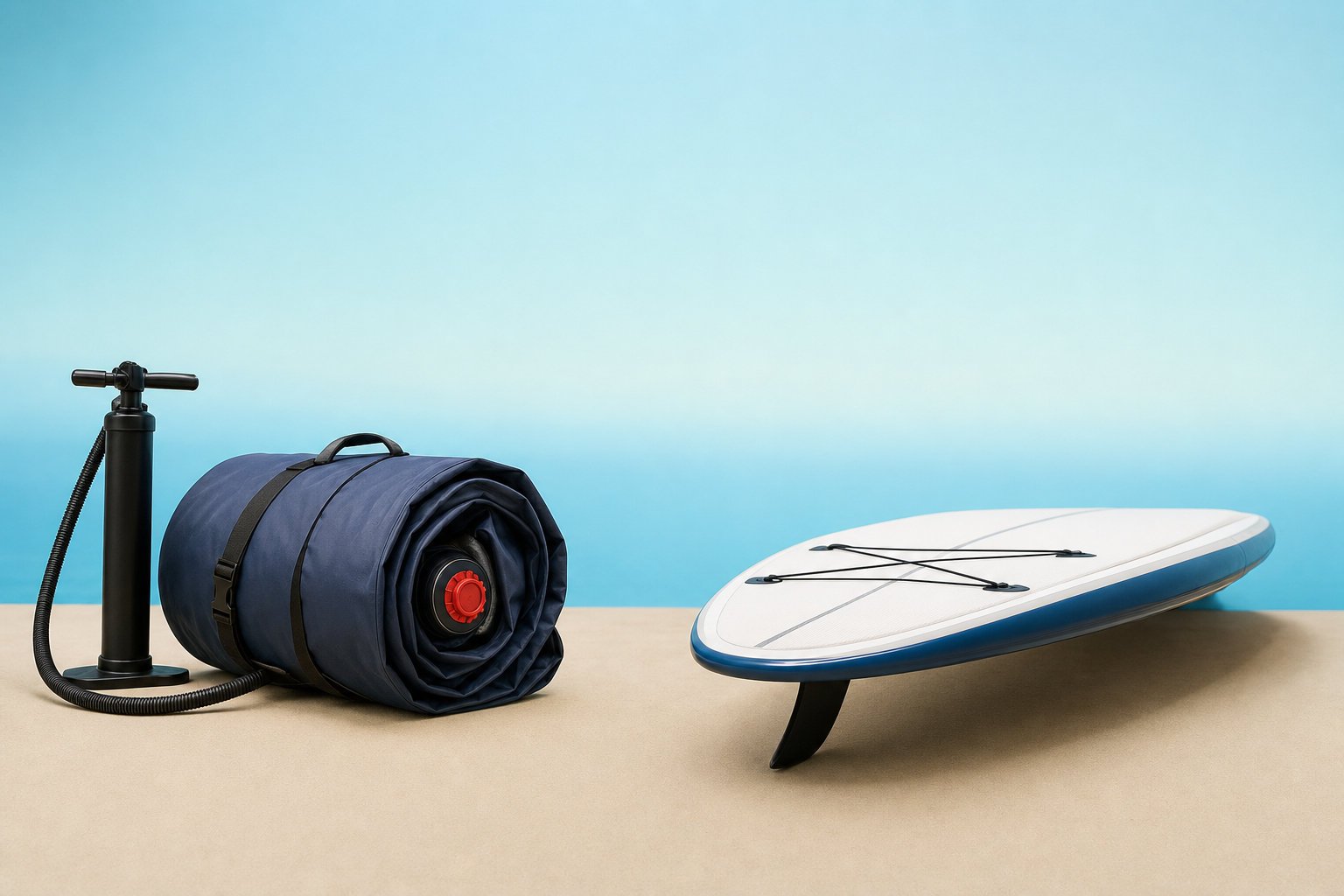
Inflatable paddle boards are crafted from layers of tough PVC with internal drop-stitch construction. When deflated, these boards can be rolled up and stored in a backpack-sized bag, making them attractive for those with limited storage space, such as apartment dwellers or anyone with a small garage. For example, someone living in an upstairs apartment can easily carry an inflatable board up the stairs and store it in a closet. Inflatable models typically come with a manual or electric pump and require a few minutes to reach the appropriate firmness before hitting the water.
Rigid or hard boards are usually made from a foam core wrapped in fiberglass, epoxy resin, or plastic. These boards are always ready for use without setup but do not compress for storage or transport. Rigid boards tend to be favored by paddlers seeking high performance due to their stability and responsiveness in various water conditions. If you paddle from a dock or carry the board a short distance to the shore, a rigid board may feel more convenient, though transporting it in a small car can be challenging without a roof rack.
Evaluating stability, tracking, and paddling efficiency
Stability is critical for beginners and those navigating calm waters. Inflatable boards, especially wider models, can provide strong primary stability due to their uniform thickness and extra volume, which helps you balance on flatwater. For example, inflatable boards are suitable for family outings on calm lakes or gentle rivers, where stability is prioritized and ease of transport is helpful. However, stability on choppier water may be reduced compared to some rigid designs.
Rigid boards can offer better glide and track straighter thanks to their stiffer structure, enhancing speed and efficiency over distances. Their precise shape can allow them to handle small waves and wind chop more predictably. Someone looking to train for a longer paddle boarding race or paddle along windy bays may find a rigid board’s tracking and efficiency beneficial. For fitness paddlers and those covering longer distances, this can make a noticeable difference in your paddle boarding experience. The choice of SUP Equipment also plays a role in maximizing performance, especially if you plan to add accessories, attach dry bags, or want a board that accommodates fitness add-ons.
Portability, storage options, and setup logistics
For those with small vehicles or limited storage space, inflatables are a practical solution. These boards fold into compact packs that can fit in car trunks, under a bed, or in a closet, making transport straightforward. Portability is also valuable for travelers or campers who want to bring a board along on road trips without needing roof racks or large spaces. Taking an inflatable along on a camping trip means you can explore remote lakes, launch from rocky shorelines, or hike with your board packed in a backpack to a secluded spot.
Set up for inflatable boards involves inflation, which can take under ten minutes with modern pumps. Packing up requires careful drying to help prevent mold during storage, especially if you’ve launched in sandy or muddy areas. In contrast, rigid boards are ready to launch immediately, saving time at the water’s edge, but require more forethought for transport. Equipment and accessories can streamline these logistics for paddle boarding, such as using rolling bags for inflatables or protective board bags for rigid models, to help protect your board in transit or storage.
Durability, care routines, and accessory compatibility
While inflatable boards can withstand bumps, drops, and many abrasions, they remain susceptible to punctures from sharp objects such as rocks or oyster shells in shallow launches. Care involves cleaning, thorough drying before long-term storage, and watching for leaks or worn seams. Minor punctures can often be repaired with kits, which helps prolong their lifespan with basic maintenance.
Rigid boards resist punctures well but are vulnerable to dings, cracks, and pressure damage from impacts or rough handling. Repairs may require professional attention, and long-term exposure to sun or heat can affect their structure. Both types of boards generally accommodate accessories such as bungee cords, mounts, or deck pads, supporting activities like gear hauling or touring. For example, you can strap down dry bags for day paddles or attach a cooler for a fishing outing regardless of board type.
Identifying the best board type for your lifestyle needs
If you travel frequently, have limited storage, or often launch from remote areas, inflatable paddle boards offer convenience. They suit campers, adventurers, and families looking to maximize flexibility without compromising basic performance. For those focused on skill development, racing, or long-distance touring, rigid boards often provide advantages, especially in glide and handling on variable water.
Beginners may find inflatables less intimidating, while fitness-focused or performance-oriented paddlers often prefer the glide and response of rigid designs. Assessing how you plan to use your board, who will join you, and the environments you frequent are crucial before investing in either style.
Key questions to consider when making your decision
Ask yourself how often you will pack or store the board away from home, what vehicles or storage options you have, and the types of water you most frequently paddle. Evaluate your priorities regarding setup time, transportation effort, and the activities you want to pursue on the water. By weighing portability, performance, durability, and comfort, you can select between inflatable and rigid boards to support your paddle boarding plans.
Consider renting or borrowing each type before buying if that option is available in your area. Testing boards on the water can help you compare stability, carrying weight, and ease of use. Personal preference and local conditions often determine which board feels like the best match over time.