This post contains a paid partnership with Drifthook.
Every fly angler knows the moment. Trout are rising all over the run, rings spreading across the surface, and not one of them will touch your fly. The problem is rarely your cast. Most of the time, your fly simply doesn’t match what the fish are eating right now.
That’s what experienced anglers mean by “match the hatch.” You’re not imitating just any bug; you’re imitating the exact stage the insect is in at that moment. Once you understand the life cycle of mayflies, caddis and stoneflies, you start reading the water in a whole new way.
Four Stages, Four Strategies
The mayfly is the classic example of how conditions in the water shift over an insect’s life. Each stage calls for a different fly and a different presentation.
- Nymph: Mayflies spend most of their lives as larvae on the stream bottom, and that’s where trout do most of their feeding. On many days, a weighted nymph drifted close to the bottom is the most productive choice.
- Emerger: Just before hatching, the nymph rises toward the surface and sheds its shuck. This is when it’s most vulnerable. If fish are rising but you don’t see bugs on the water, they’re often picking off emergers just under the film.
- Dun: The freshly hatched adult rides the current until its wings dry. This is prime time for a classic upright-winged dry fly.
- Spinner: After mating, spent adults fall to the water with their wings laid flat. On summer evenings, a spinner fall can trigger slow, steady, selective rises.
Caddis and stoneflies run on their own schedules, but the principle holds: watch first to see which layer of the water column the fish are feeding in, then pick the stage that matches.
Caddis and Stoneflies: Different Bugs, Different Rules
Caddisflies go through a complete metamorphosis, which adds a stage mayflies don’t have. Many caddis larvae build protective cases out of sand, pebbles or plant material and crawl along the bottom. Before hatching, they seal themselves in and transform into pupae. When the time comes, the pupa cuts free and rockets to the surface, often trapped in a shimmering bubble of gas.
That fast ascent is why caddis hatches produce such aggressive, splashy rises. Trout chase the pupae up through the water column and often clear the surface doing it. A soft hackle or a pupa pattern swung across the current on a tight line can be deadly when dry flies get refused. Once adult caddis are on the water, they skitter and flutter, so a little twitch on an Elk Hair Caddis often draws more strikes than a dead drift.
Stoneflies skip the pupal stage entirely. Their nymphs crawl to the shoreline and climb out onto rocks and vegetation to hatch, rather than emerging in open water. Big stonefly nymphs live for one to three years in fast, oxygen-rich riffles, so they’re available to trout year-round. That makes a stonefly nymph one of the most reliable searching patterns you can fish, especially in pocket water.
When adults return to the water to lay eggs, the large species bring the biggest fish to the surface. On Western rivers, the salmonfly and golden stone hatches are legendary for exactly that reason.
The Big Hatches Through the Season
Hatch timing depends on water temperature, elevation and latitude, so the same bug can come off weeks apart on two rivers in the same state. Use this table as a starting point, then fine-tune it with local fly shop reports and your own notes.
| Hatch | Typical timing | Where it matters most | Hook sizes |
|---|---|---|---|
| Midges | Year-round, key in winter | Nationwide, especially tailwaters | #18-26 |
| Blue-Winged Olive (Baetis) | March-May and Sept-Nov | Nationwide | #16-22 |
| Hendrickson | April-May | East and Midwest | #12-14 |
| March Brown | May-June | East | #10-12 |
| Salmonfly | Late May-early July | West | #4-8 |
| Sulphur | May-July | East and Midwest | #14-18 |
| Pale Morning Dun (PMD) | June-August | West | #14-18 |
| Green Drake | Late May-July | East and West | #8-12 |
| Trico | July-September, mornings | Nationwide | #20-24 |
| Hoppers and terrestrials | July-September | Nationwide | #6-14 |
| October Caddis | September-October | West | #6-10 |
One pattern stands out: the smallest bugs often fish best in the toughest conditions. Blue-Winged Olives famously hatch heaviest on cold, overcast, drizzly days, when many anglers stay home.
Reading the Water During a Hatch
Trout are energy accountants. They want the most food for the least effort, so they hold where the current delivers insects without forcing them to fight it. Learn to spot those places and you’ll stop wasting casts on empty water.
Riffles are the insect factories of a stream. The broken, oxygen-rich water holds the highest density of nymphs, and fish move into the riffles and the water just below them when a hatch begins. Seams, where fast and slow currents meet, are prime feeding lanes. Trout sit in the slower water and dart into the faster current to grab whatever drifts past.
Tailouts at the end of a pool are where emergers and duns often collect as the current slows and funnels. Fish here are usually in shallow, clear water, which makes them selective and easy to spook. Foam lines deserve special attention. Foam marks the exact path the current takes, and spent spinners and drowned insects collect in it. Experienced anglers call it the “food line” for good reason.
When fish are actively rising, pick out one fish and time its rhythm before you cast. A trout that rises every ten seconds is feeding on a steady supply. Put your fly a few feet above it, in its lane, just before it’s ready to rise again.
Presentation Beats Pattern
Here’s a truth many seasoned anglers learn the hard way: a perfect imitation fished badly will catch fewer trout than a rough one fished well. Natural insects drift at exactly the speed of the current. The instant your fly moves faster, slower or sideways, a wary fish knows something is wrong.
That unnatural movement is called drag, and it usually comes from your fly line getting pulled by currents that differ from the one your fly is in. The fix is line management. Mending, flipping a belly of line upstream after the cast, buys your fly a few extra feet of natural drift. Reach casts do the same thing in the air, laying the line upstream of the fly before it lands.
Position matters too. Wading closer and casting shorter gives you more control and less line on the water. For selective risers in slick water, a downstream presentation, fly first and leader second, often works when upstream casts keep getting refused.
Under the surface, depth is the other half of the equation. If your nymph isn’t ticking bottom occasionally, it’s probably drifting over the fish. Adjust your indicator depth or add split shot until you find the right zone, then keep everything else the same.
Bring Order to Your Fly Box
Knowing the theory is one thing. On the water, what counts is finding the right pattern in seconds when the hatch starts. A jumbled fly box costs you the very minutes when fish are most active.
That’s the problem Drifthook set out to solve. The Colorado-based company builds fly kits in which every pattern is hand-picked, labeled and organized by how you’ll fish it. Alongside kits for nymphing, dry flies and hopper-dropper rigs, it offers lifecycle assortments that cover multiple stages of the same insect. That means you’ll have a nymph, an emerger and a dun ready to go when the bugs start coming off.
Drifthook also offers free video tutorials from beginner through advanced levels, a seasonal hatch chart, and in-depth articles on topics like two-fly depth control. The company partners with Trout Unlimited and Fly Fishers International.
Field Tips for Your Next Trip
- Turn over rocks first: Before you rig up, pick up a few stones in the riffle. The nymphs clinging to them tell you the size and color you should be fishing.
- Watch the rise form: A splashy rise usually means fish are chasing emergers or caddis. A slow, quiet sip often points to duns or spinners on the surface.
- Fish two flies: A dry-dropper or a two-nymph rig lets you cover two depths at once. You’ll find out quickly which layer the trout are feeding in.
- Size before color: If a pattern isn’t working, go down a hook size before switching colors. Trout often key in on size first.
- Check the hatch chart: Hatches follow water temperature and time of year. A seasonal hatch chart helps you plan your fly selection before you leave home.
- Keep a log: Note the date, water temperature, weather and what worked. After one season, you’ll have your own hatch chart for your home water.
Mistakes Even Experienced Anglers Make
Changing flies too fast. When nothing is working, it’s tempting to swap patterns every few casts. But if your drift or depth is wrong, no fly will fix it. Get the presentation right first, then change the pattern.
Ignoring the emerger. Many anglers go straight from nymph to dry fly and skip the stage in between. During heavy hatches, trout often eat emergers far more than duns, because they’re easier to catch. A pattern that sits half in the film can turn refusals into hookups.
Fishing too heavy a tippet. Selective fish on clear, slow water will notice thick tippet. Dropping from 4X to 5X or 6X can make a bigger difference than any change of fly.
Leaving the water too early. Hatches and spinner falls often peak in the last hour of light. Some of the best fishing of the day happens right as most anglers are walking back to the truck.
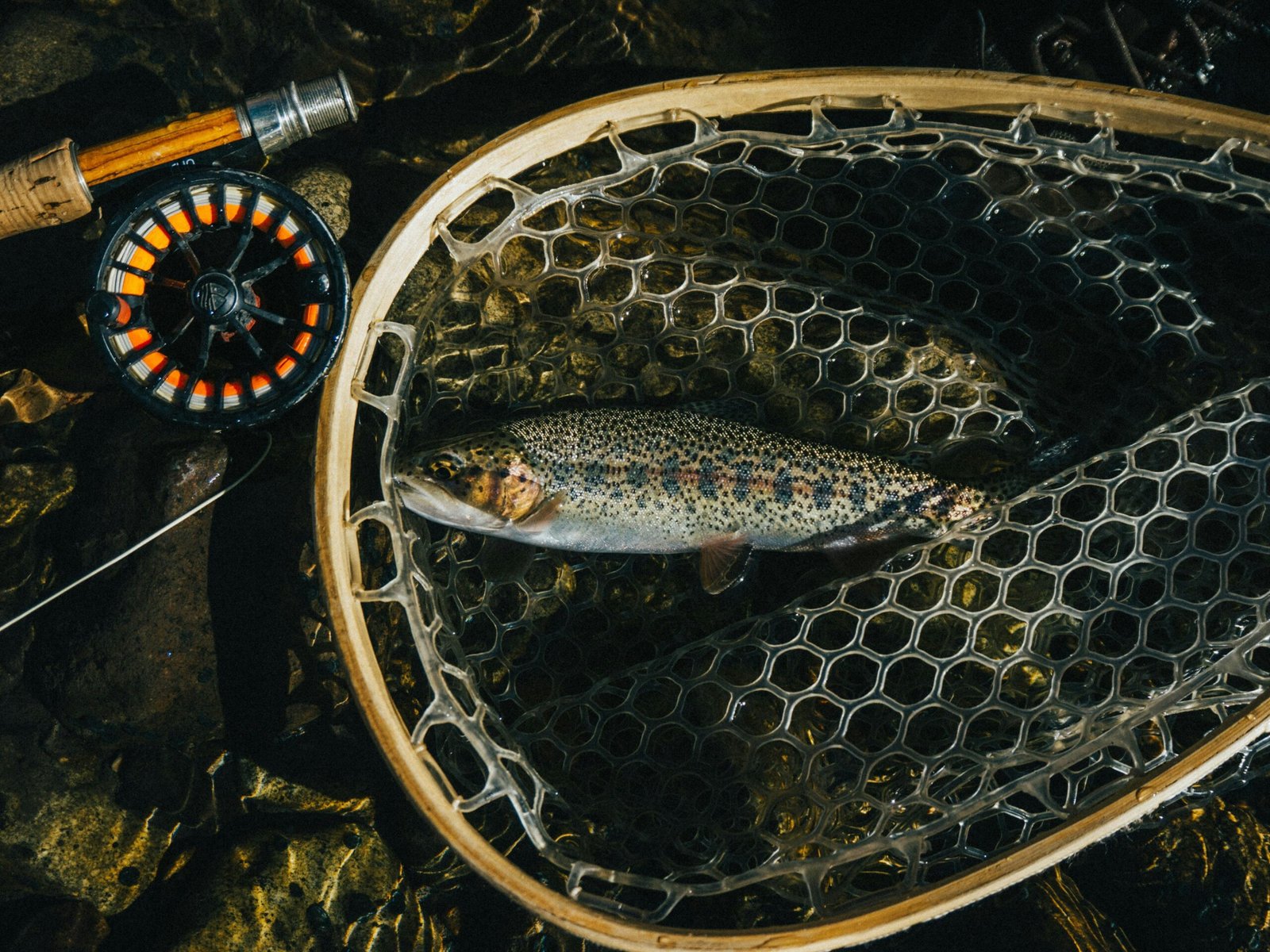
Not handling fish with care. Wet your hands, keep the fish in the water as much as possible, and use a rubber-mesh net. Healthy fish released today are the rising trout you’ll be casting to next season.
The Bottom Line
Matching the hatch isn’t about owning a thousand flies. It’s about understanding what’s happening in the water and having the right stage of the right bug ready when it counts. Learn the four stages, read the rises, and keep your box organized by how you fish it.
Do that, and those frustrating evenings when every trout in the river ignores you will become a lot rarer. Next time the water starts boiling with rises, you’ll know exactly what to tie on.