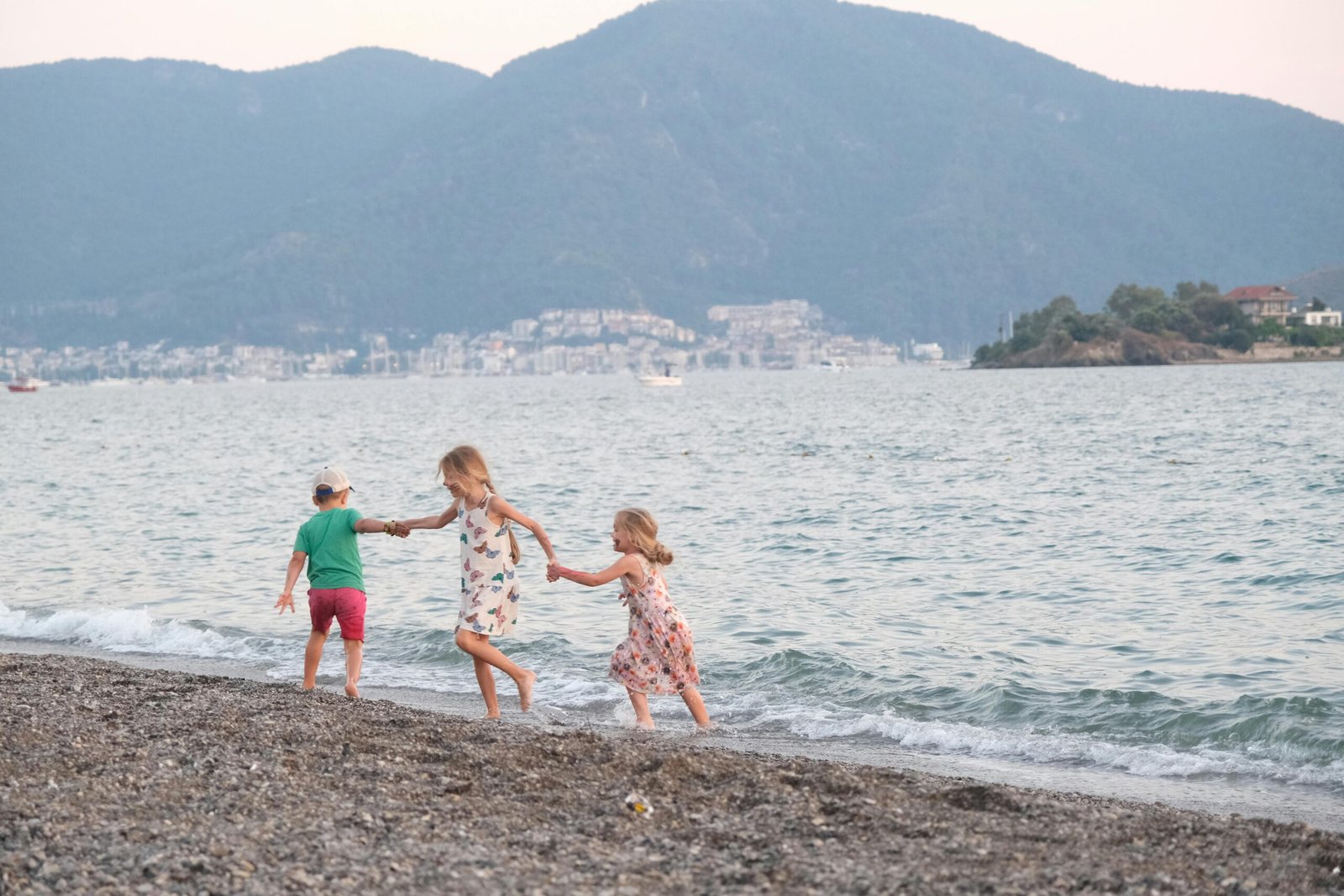
Building family traditions in the great outdoors is a wonderful way to connect, explore, and create a shared history your kids will cherish for years to come. These moments don’t have to be grand expeditions. They can be as simple as an annual camping trip, a monthly hike on a favorite trail, or even a weekly walk to watch the sunset.
The main thing is to do them consistently and with the shared goal of unplugging from the daily grind and plugging into nature and each other.
Why Family Time Outdoors Matters
Spending time in nature as a family does more than just create fun memories; it offers amazing benefits for everyone. For kids, the advantages are especially big. The unstructured play and exploration you find in nature can really boost their creativity, problem-solving skills, and confidence.
According to The Nature Conservancy, there are many benefits of getting kids outside, including better physical health and less stress. When families get to experience these benefits together, it makes their bonds even stronger. Sharing a challenge, like reaching a scenic overlook or working together to build a campfire, helps build teamwork and communication in a relaxed setting. It’s a chance to see each other in a new light, away from the usual roles and responsibilities of home and school.
Activities for All Ages
One of the best things about the outdoors is that there’s something for everyone. You just need to find the right activity to match your family’s energy and interests. The goal is to participate and have fun, not to be perfect.
- For Toddlers and Little Kids: Keep it simple and focus on what they can touch and feel. A nature scavenger hunt for different colors and textures, collecting interesting leaves or rocks, or a simple picnic at a local park can feel like a huge adventure to them.
- For Elementary-Aged Kids: Try activities with a bit more structure. Geocaching is like a modern-day treasure hunt, or you could learn to identify local birds, or teach them how to safely skip stones across a lake.
- For Teens and Adults: Get them involved with more challenging or skill-based activities. Kayaking, fishing, mountain biking, or learning basic campfire cooking can give them a real sense of accomplishment and independence.
Choosing the Right Base Camp
Where you stay can really make or break an outdoor family trip. Your base camp should be a comfortable and convenient spot that makes enjoying the outdoors easier, not harder. While pitching a tent in the backcountry sounds cool, it’s not always practical for families with young kids or those new to outdoor adventures.
Having a reliable home base lets you rest and recharge between activities. For families with RVs, staying at one of the well-equipped premier RV parks can give you all the comforts of home and direct access to nature. These places often have amenities like clean bathrooms, laundry facilities, and playgrounds, which can be a huge plus. When picking your spot, think about how close it is to the trails, lakes, or attractions you want to explore. A good base camp means less travel time and more time for fun.
Simple Planning for Big Adventures
The idea of planning an outdoor trip can feel overwhelming, but it doesn’t have to be. A little preparation goes a long way in making sure everyone has a good time. Start by involving your kids in the process. Let them help pick a trail on a map or choose a meal to cook over the fire. This builds excitement and makes them feel like they own a part of the trip.
Create a simple packing checklist that you can use again for future outings. Focus on essentials like layered clothing, first-aid supplies, sun protection, and plenty of snacks and water. Remember that your traditions are about connecting, not sticking to a super packed itinerary. These consistent trips help establish family culture and become a treasured part of your life. Leave room for spontaneous discoveries, like an unscheduled stop to watch wildlife or an afternoon spent just relaxing by the water.
Capturing Those Special Moments
While it’s tempting to document every moment with your phone, try to just be present. The most vivid memories are often about the feelings and conversations you shared, not just the photos you took. Encourage your family to capture moments in different ways. Start a collective nature journal where everyone can draw or write about what they saw. Collect a small, meaningful souvenir from each trip, like a uniquely shaped stone or a pressed flower.
Designate specific camera-free times, such as during meals or on a particular hike, to make sure everyone is fully engaged with their surroundings and with each other. When you do take pictures, focus on candid moments of laughter and discovery rather than posed shots. These are the images that will truly tell the story of your family’s adventures for years to come.
Creating outdoor family traditions is about making time for what matters most. It’s about building a legacy of shared experiences, inside jokes, and a deep appreciation for the natural world that you can pass down through generations.