A hunting trip can start with plenty of excitement, but after several hours outdoors, even small discomforts become difficult to ignore.
Tight boots, an uncomfortable backpack, or clothing that traps moisture can turn an enjoyable day into an exhausting experience.
The good news is that staying comfortable doesn’t always require expensive equipment. Often, it’s the smaller hunting gear decisions that make the biggest difference.
From choosing the right socks to organizing essential supplies, a few thoughtful adjustments can help hunters stay comfortable and focused throughout the day.
Choose Clothing That Works With Changing Weather
Weather conditions rarely stay the same throughout a hunting day. A chilly morning can become surprisingly warm by midday, especially when walking through uneven terrain.
Choosing adaptable clothing helps you respond to these changes without carrying unnecessary weight.
Wear Layers Instead of One Heavy Jacket
A layering system gives you more control over your body temperature.
Consider three basic layers:
- Base layer: Choose moisture-wicking materials such as merino wool or synthetic fabrics.
- Middle layer: Wear fleece or another insulating material for warmth.
- Outer layer: Select a jacket that protects against wind and rain.
Avoid relying on cotton clothing during cold, wet conditions because it retains moisture and loses insulation when damp.
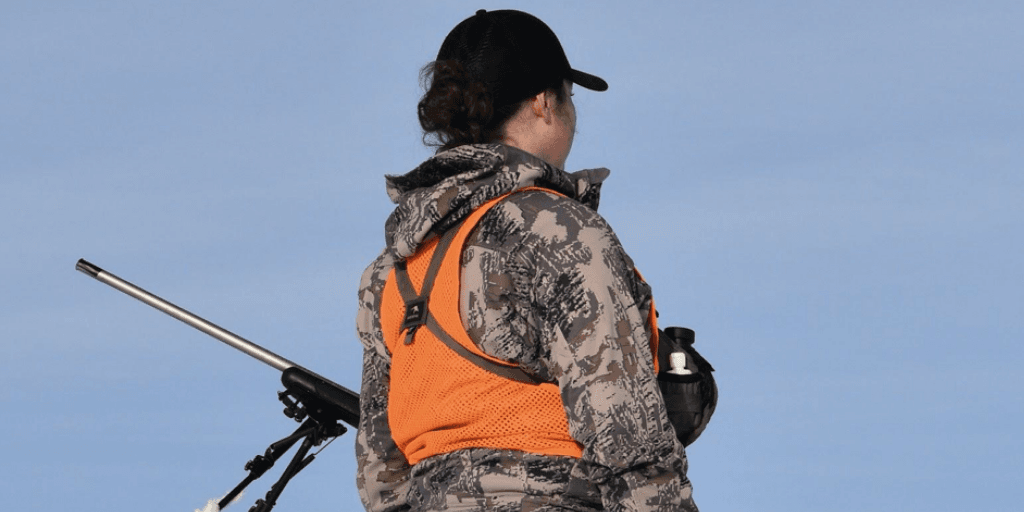
Choose quiet outer fabrics when possible, and follow local hunter-orange requirements for visibility.
Give Your Feet More Attention
Your feet carry you across muddy trails, rocky ground, and uneven forest paths. Even excellent hunting boots can become uncomfortable when they don’t fit properly.
A little attention to footwear before leaving home can prevent unnecessary problems later.
Find Boots That Fit Your Actual Foot Shape
Don’t choose hunting boots based on appearance or size labels alone.
Try them with the socks you intend to wear outdoors. Walk around, climb a few steps, and check whether your heel slips or your toes press against the front.
For women hunters, finding the right fit may mean comparing women’s and unisex designs rather than automatically selecting the smaller size.
Carry an Extra Pair of Socks
Damp socks can cause discomfort and increase friction inside boots.
Pack a dry replacement pair in a waterproof bag. Wool or synthetic socks generally manage moisture better than cotton.
Breaking in new boots before a long hunt is equally important.
Make Your Backpack Comfortable and Easy to Use
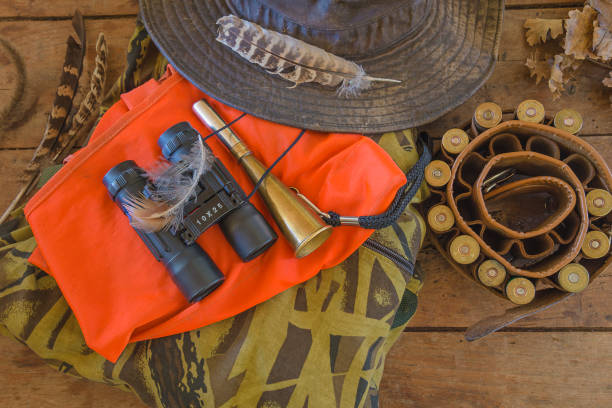
A hunting backpack shouldn’t feel like another obstacle. Poorly adjusted straps and unnecessary equipment can create shoulder pressure and make walking more tiring.
The goal is to carry essential supplies without constantly adjusting your pack.
Focus on Fit and Weight Distribution
Choose a backpack that suits your torso length and hunting style.
Look for adjustable shoulder straps, a supportive hip belt, and compartments that keep frequently used items accessible.
Place heavier equipment close to your back and avoid filling every available pocket.
Keep Your Essentials Organized
A well-arranged hunting pack saves time when you need something quickly.
Useful items include:
- Water and energy-rich snacks
- A compact first-aid kit
- Navigation equipment and a backup communication plan
- Rain protection and spare clothing
- A headlamp with working batteries
Pack according to your route, weather, and expected time outdoors rather than carrying everything you own.
Choose Practical Comfort Over Unnecessary Extras
Not every convenience deserves space in your hunting bag. Equipment should solve a genuine problem without creating another one.
The same principle applies to spending on recreational activities. Someone might choose to buy wow powerleveling for convenience in an online game, but hunting preparation requires a different approach: equipment must work reliably under real outdoor conditions.
Make Small Accessories Count
A few lightweight items can improve comfort considerably.
A foam sitting pad provides insulation from cold or damp ground during long periods of waiting. Thin gloves protect your hands while allowing better finger movement, although they must not interfere with safe equipment handling.
A neck gaiter can also help manage changing temperatures without adding much weight.
Before packing an accessory, ask whether you’ll realistically use it.
Test Your Gear Before Hunting Day
Even carefully selected equipment may reveal problems after several hours of use. Testing it beforehand helps identify uncomfortable straps, noisy clothing, and poorly positioned supplies.
Take a practice walk while wearing your complete hunting outfit.
Check whether you can move freely, reach essential equipment, and adjust your clothing without difficulty.
Pay particular attention to pressure points around your shoulders, waist, and feet.
Conclusion
Long hunting days become more comfortable when small gear decisions are made thoughtfully.
Properly fitted boots, breathable clothing, an organized backpack, and useful accessories can reduce distractions and make outdoor activities more enjoyable.
You don’t need the most expensive hunting equipment to feel prepared. Focus on fit, practicality, and changing weather conditions.
When your gear works comfortably, you can spend less time adjusting equipment and more time appreciating the hunting experience.