This post contains a paid partnership with Aquamarise.
A successful day of hunting starts long before stepping into the woods or heading toward a hunting property. Good preparation helps women hunters stay comfortable, safe, and focused while conditions change throughout the day. From clothing and navigation tools to food, water, and emergency supplies, every item in a hunting pack should have a purpose.
Hunting does not always follow a predictable schedule. A short morning outing can turn into a full day in the field, while changing temperatures, unexpected rain, or difficult terrain can create challenges. Having the right equipment means being prepared without carrying unnecessary weight.
Personal items can also have a place in a well-organized hunting kit. Some hunters may carry small keepsakes or personal accessories, such as moss agate jewelry, provided they do not interfere with movement, firearm handling, bow use, or other safety considerations. The priority should always remain on practical equipment that supports the hunt.
A Reliable Hunting Backpack
The backpack is one of the most important pieces of equipment for a day hunt. Choose a pack that is large enough to carry essential supplies but compact enough to move comfortably through wooded areas and uneven terrain.
Look for durable materials, comfortable shoulder straps, useful compartments, and quiet zippers or closures. A well-organized pack also makes it easier to reach important items without searching through everything inside.
Before leaving home, divide the pack into sections. Keep frequently used items such as water, navigation tools, and snacks within easy reach, while emergency supplies can remain in a protected compartment.
Weather-Appropriate Clothing
Weather can change quickly in the field, so clothing should be selected according to the forecast and the hunting environment. Dressing in layers is generally more practical than relying on one heavy jacket.
A moisture-wicking base layer can help manage sweat, while an insulating middle layer provides warmth when temperatures drop. An outer layer should offer protection against wind and rain when needed.
Avoid clothing that restricts movement. Hunters may need to crouch, walk quietly, climb over obstacles, or remain still for extended periods. Comfortable, functional clothing can make those activities much easier.
Durable Hunting Boots
Footwear deserves special attention because hunters often spend hours walking or standing on uneven ground. Boots should provide adequate traction, support, and protection for the terrain.
Water-resistant or waterproof boots can be useful in wet environments, while breathable options may be more comfortable during warmer weather. Break in new boots before taking them on a long hunting trip to reduce the risk of blisters and discomfort.
Good socks are equally important. Moisture-managing socks can help keep feet dry and comfortable throughout the day.
Navigation and Communication Equipment
Even hunters who know an area well should carry reliable navigation equipment. A GPS device or hunting navigation app can help with orientation, while a physical map and compass provide useful backups.
A fully charged phone can also be valuable for communication and emergency situations. Consider carrying a portable power bank if the hunt will last several hours.
Before heading out, tell someone where you are going, which area you plan to hunt, and when you expect to return. This simple step can become extremely important if something unexpected happens.
Water and High-Energy Food
Hydration is essential during a full day outdoors. Carry enough water for the expected duration of the hunt and consider bringing extra when temperatures are high or the terrain requires strenuous walking.
Food should be compact, filling, and easy to eat in the field. Trail mix, nuts, dried fruit, energy bars, sandwiches, or other durable snacks can provide useful energy without taking up too much space.
Avoid relying on thirst or hunger as reminders to eat and drink. Long periods of walking, waiting, and concentrating can make it easy to overlook basic needs.
First-Aid and Emergency Supplies
A small first-aid kit should have a permanent place in every hunting backpack. It can include adhesive bandages, gauze, antiseptic wipes, medical tape, blister treatment, and other basic supplies.
Depending on the environment, additional emergency equipment may be useful. A whistle, emergency blanket, lighter or waterproof fire starter, flashlight or headlamp, and multipurpose tool can all provide valuable backup.
The goal is not to prepare for every imaginable situation but to have enough equipment to handle common problems and remain safer while waiting for assistance if necessary.
Hunting-Specific Equipment
The primary hunting equipment will depend on the type of hunt and local regulations. Firearm hunters may need appropriate ammunition, hearing protection, eye protection, and other required equipment. Bowhunters should bring their essential archery equipment and any necessary maintenance items.
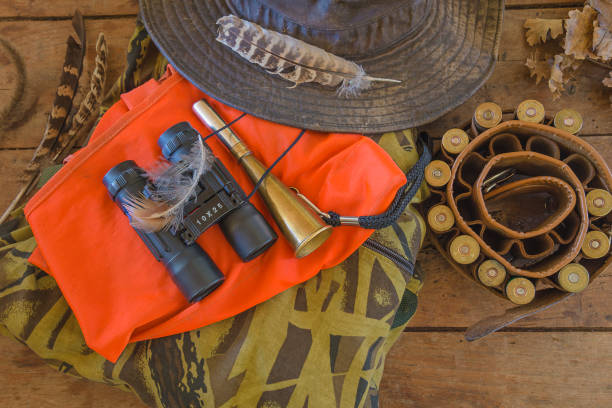
Optics can also make a major difference. Binoculars allow hunters to observe an area without unnecessarily moving closer, while other optics may be appropriate depending on the hunting method.
Always check equipment before leaving home. Inspect firearms and bows according to established safety procedures, and make sure everything is functioning properly before entering the field.
Knife and Field Tools
A quality field knife can serve several practical purposes during a hunt. Choose a model appropriate for the intended use and handle it carefully.
Other useful tools may include cordage, small repair supplies, zip ties, game bags, and a compact multitool. The exact selection should depend on the type of hunt, expected conditions, and local requirements.
Avoid filling a pack with tools simply because they might be useful someday. Extra weight can become a burden during a long walk.
Safety and Visibility Essentials
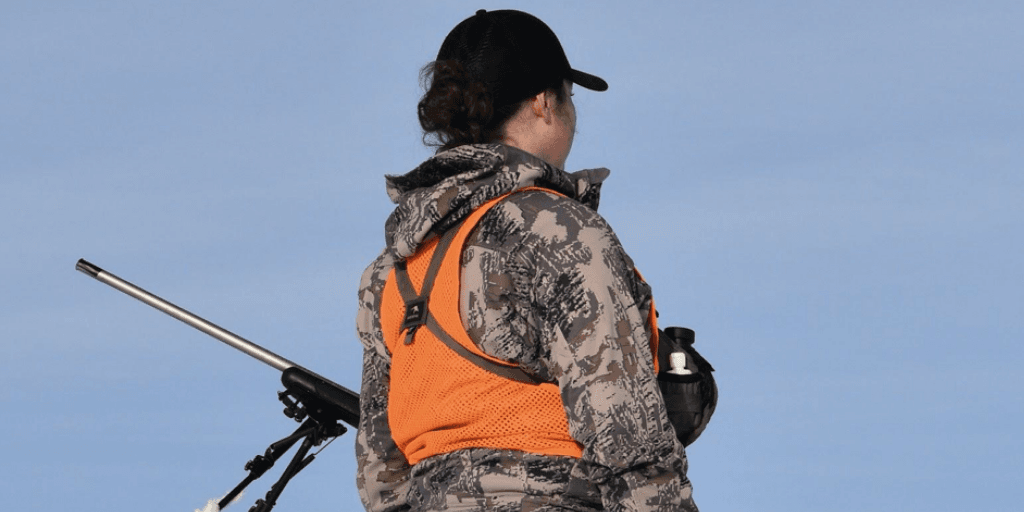
Safety equipment should never be treated as optional. Depending on the hunting area and regulations, hunters may need specific blaze orange or other high-visibility clothing.
A flashlight or headlamp is particularly useful when traveling before sunrise or after sunset. Even if the hunt is expected to finish during daylight, carrying a light provides an important backup if plans change.
Hearing protection is also important when hunting with firearms. Protecting hearing should be part of every hunter’s routine rather than something considered only occasionally.
Organize the Pack Before Leaving
Packing efficiently can save time and reduce frustration. Place heavier items close to the center of the pack and keep frequently used supplies where they are easy to reach.
A simple pre-hunt checklist can help prevent important equipment from being forgotten:
- Water and food
- Navigation and communication equipment
- Weather-appropriate clothing
- First-aid and emergency supplies
- Hunting-specific equipment
- Flashlight or headlamp
- Knife and basic field tools
- Required identification, licenses, and permits
- Safety and visibility equipment
Check local hunting regulations before each trip because required equipment and safety rules can vary by location and hunting season.
Prepare for the Hunt, Not Just the Destination
The best hunting pack is not necessarily the biggest one. It is the one that contains the equipment needed for the specific conditions without becoming unnecessarily heavy or difficult to carry.
Women hunters should consider the terrain, weather, hunting method, duration, and distance from assistance when deciding what to pack. A short hunt close to the vehicle may require considerably less equipment than a remote day in rugged terrain.
Preparation also extends beyond equipment. Knowing the property, checking weather conditions, understanding local regulations, informing someone of your plans, and reviewing safety procedures can make a day in the field more organized and enjoyable.
Final Thoughts
A well-prepared hunter can focus more attention on the experience instead of worrying about forgotten supplies. A dependable backpack, suitable clothing, sturdy boots, navigation tools, food, water, first-aid equipment, and hunting-specific gear form the foundation of a practical day-hunting kit.
The exact contents will vary from one hunter and environment to another. By building a personalized checklist and reviewing it before every trip, women can develop a reliable system that supports safety, comfort, and confidence in the field.