When you head into the woods, onto a trail, or out on the water, the gear you choose can shape how the day unfolds. Everyday carry is not about hauling every gadget you own. It is about selecting a compact, practical set of items that match the kinds of outings you do most often and the conditions you expect to face.
This guide helps you think through that selection process. It focuses on durable, multipurpose items, sensible placement, and habits that keep your kit ready without weighing you down.
Assess Your Typical Outings
Start by defining the trips you take most often. Are you out for two hours or two days? Do you travel alone or with a group? Are you near cell service or off-grid? Your answers narrow down what matters.
Consider seasonal variables too. Cold-weather outings change the priorities for insulation, fire-making, and hydration. Summer hikes demand sun protection and faster access to water. A short shore-fishing trip calls for different pocket tools than an overnight backpacking trip through rough terrain.
Some people bring compact recording tools to document routes or wildlife, including Insta360’s action cameras, which can be used hands-free. That note is simply about one category of small gear you might already carry if documenting outings is part of your routine.
Core Everyday Carry Items For Practical Use
Aim for items that do more than one job. Multipurpose tools reduce bulk and simplify decisions in the field.
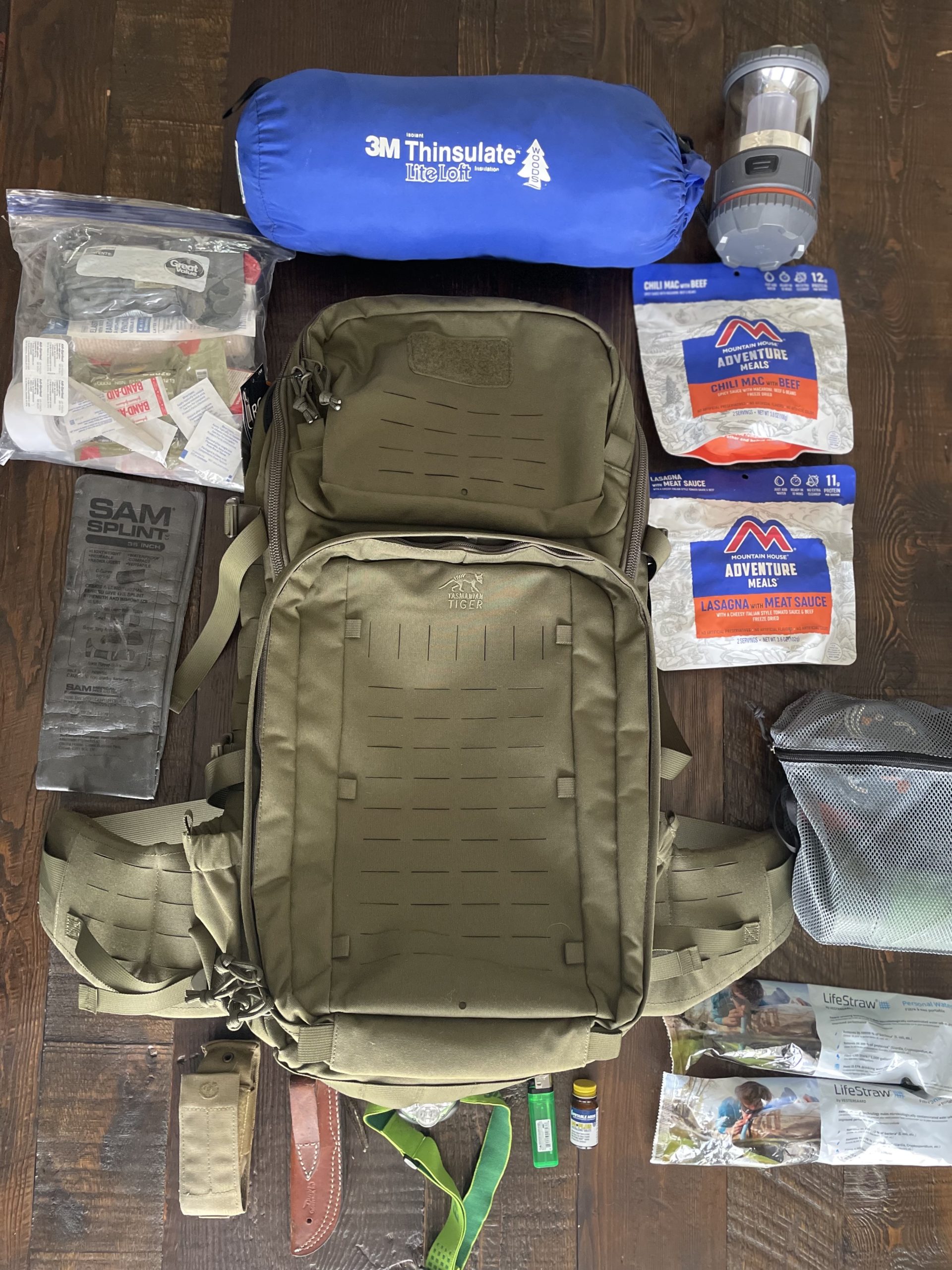
- Knife or multitool. A reliable folding knife or a quality multitool handles first aid, food prep, cord cutting, and light repairs. Choose a size that fits your hand and pocket so you actually carry it.
- Headlamp or compact flashlight. Lighting is indispensable at dawn, dusk, and in emergencies. Headlamps free your hands. Always carry spare batteries or a rechargeable unit with a power bank if weight allows.
- First-aid basics. A small kit with adhesive bandages, antiseptic wipes, a compression dressing, and any personal meds covers most minor injuries. Learn how to use what you pack.
- Fire-starting items. Waterproof matches, a lighter, and a compact fire starter can save a cold night. Store them in a sealed container to keep them dry.
- Water and purification. Carry enough water for the trip, and add a lightweight filter or chemical purifier if you might need more. Collapsible bottles save space.
- Signaling and navigation. A whistle, mirror, and map with a compass or a dedicated GPS device provide redundancy. Your phone GPS is useful, but it is not a substitute for basic navigation skills.
- Shelter and warmth. An emergency bivy or lightweight tarp and a packable insulating layer protect you if conditions change suddenly.
- Cordage and repair supplies. A length of paracord, duct tape strips, and spare zip ties are surprisingly useful for temporary fixes.
Think about how you carry each item. Items you need fast should be on the outside or in an easily accessible pocket. Less critical gear can live deeper in your pack.
Personal Protection And Legal Considerations
Personal safety is a priority for many women who spend time outdoors. Start with situational awareness. Staying aware of your surroundings, anticipating hazards, and avoiding risky routes reduces reliance on defensive tools.
If you choose personal-defense items, check your local laws and training requirements first. Options range from loud alarms and pepper spray to nonlethal tools. Whichever you consider, pick an item you can deploy confidently under stress and practice using it regularly.
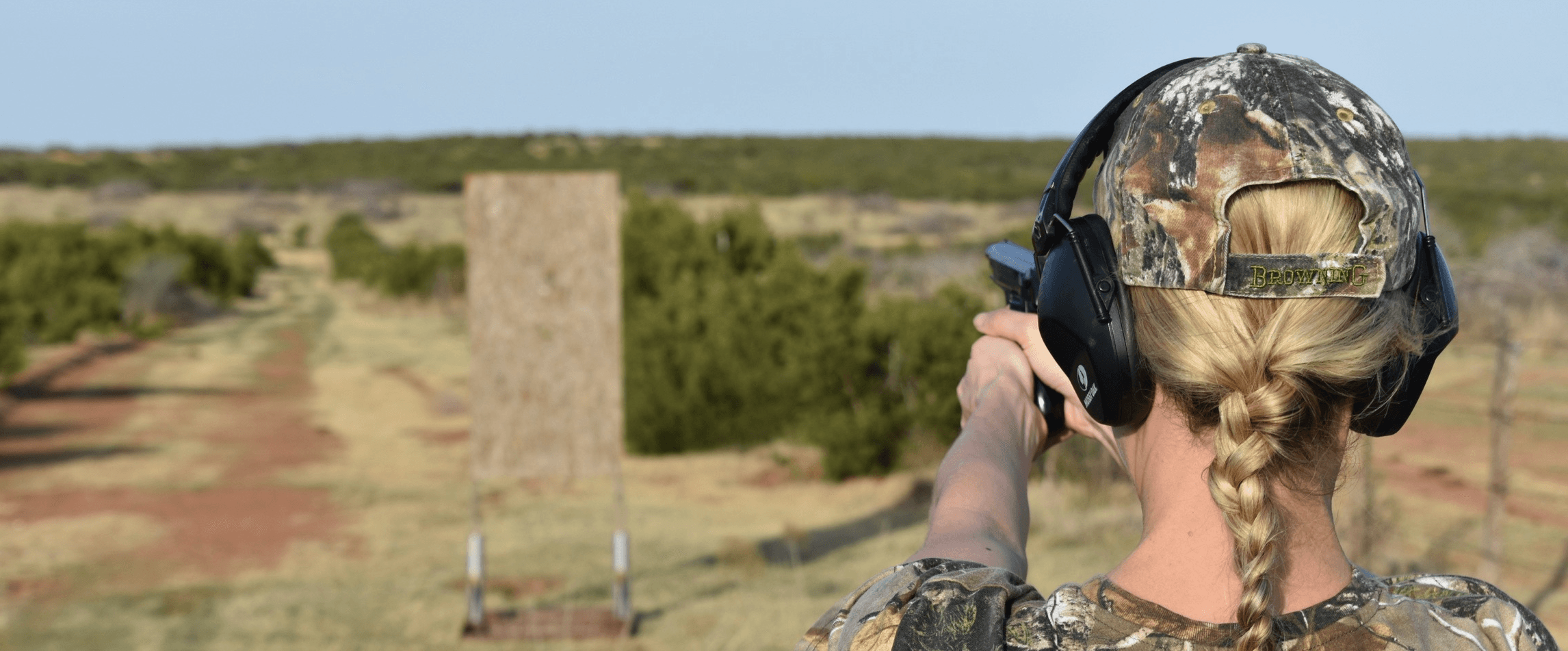
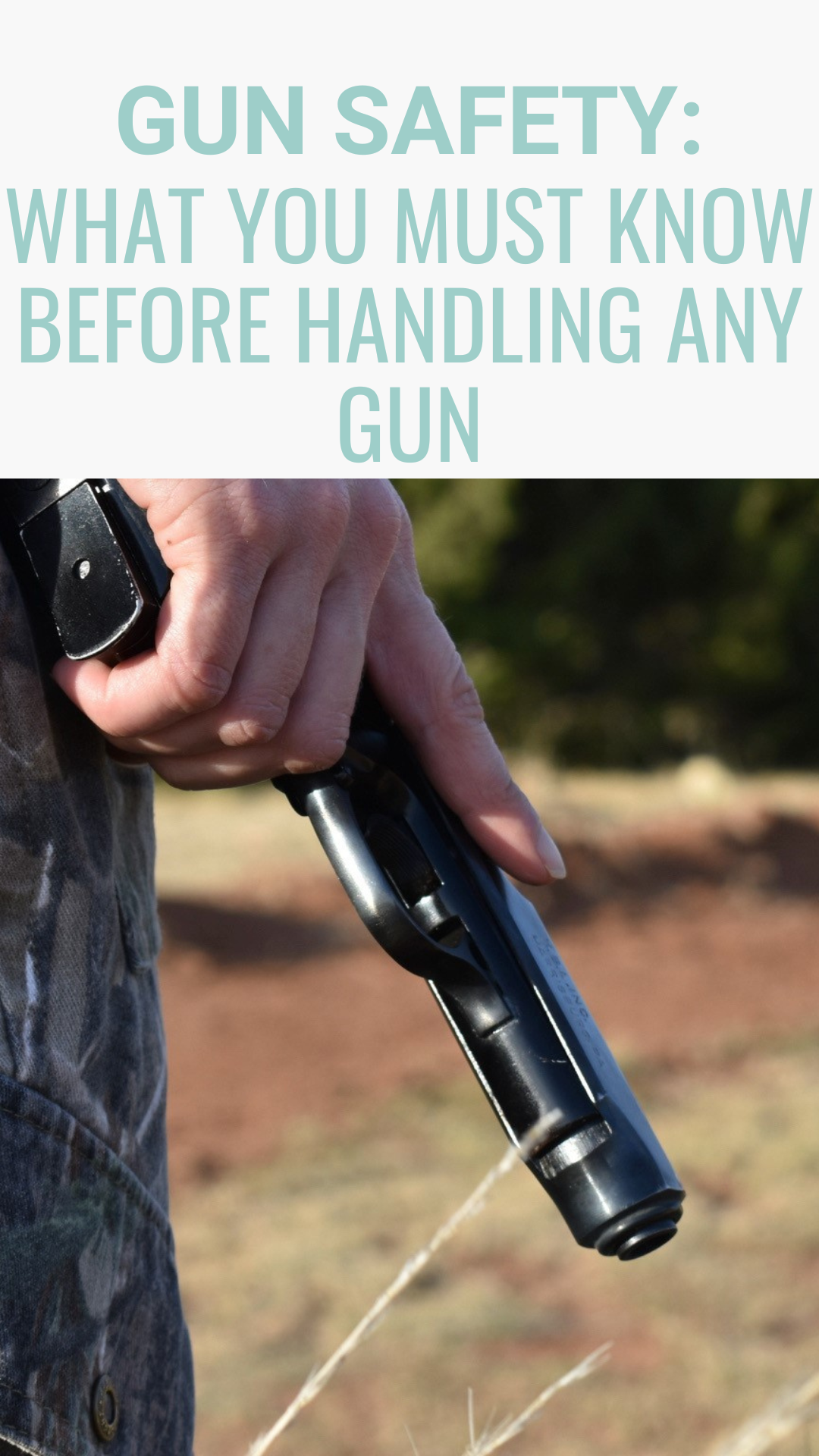
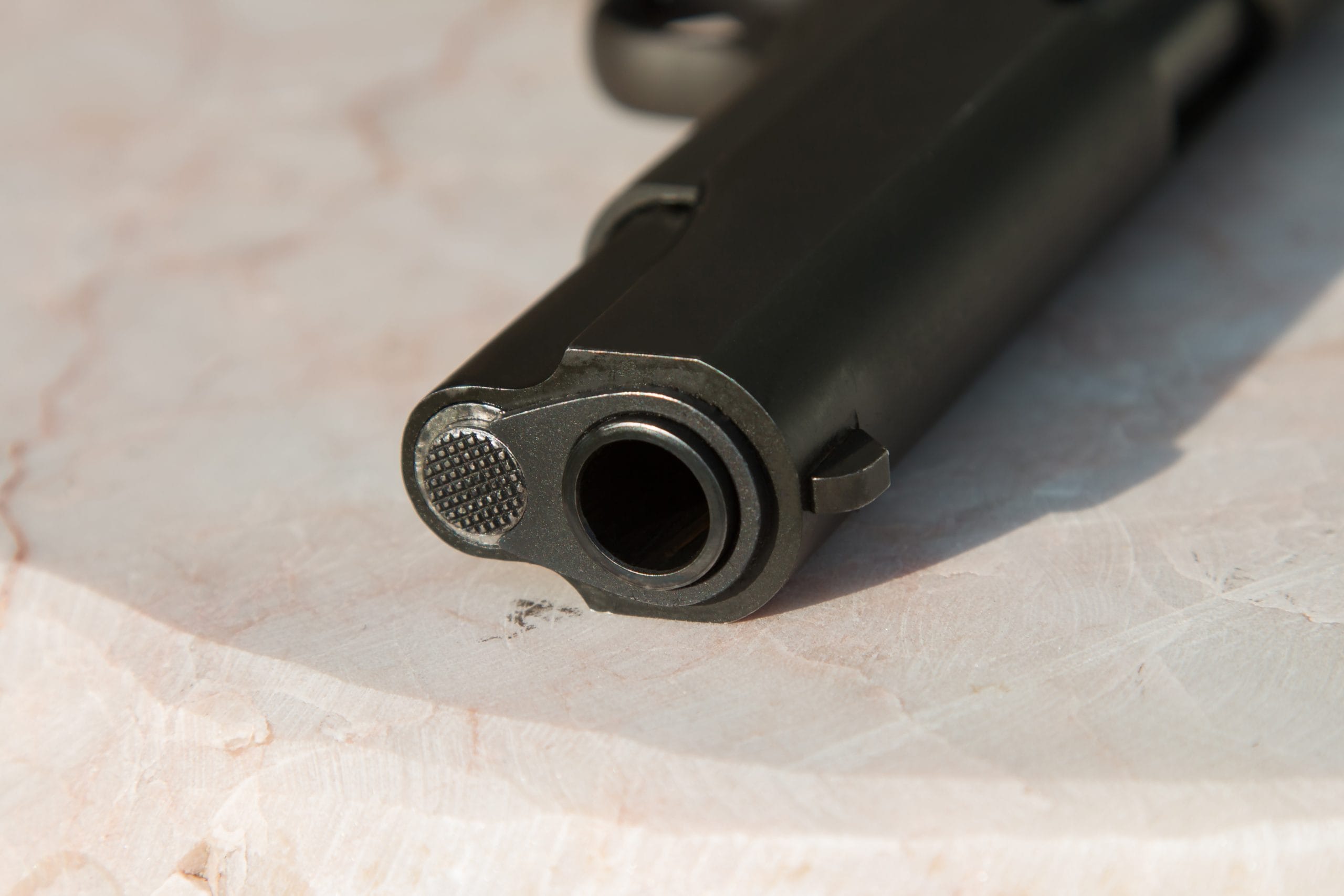
If you carry a firearm for protection, train to handle it safely and frequently. Storage, holster fit, and accessibility are critical. If you do not carry a firearm, carrying layered safety strategies like travel with a buddy, route planning, and notification of your expected return time provides strong protection without increasing legal risk.
Any defensive tool is only effective when paired with good habits: tell someone where you are going, carry identification and emergency contact information, and have an exit plan.
Comfort, Fit, And Carry Systems
Comfort determines whether you will actually carry your chosen kit. Test how items feel in the real world before committing to them as your everyday set.
Try different carry systems. A hip pack keeps weight low and access fast for day hikes. A small chest rig or sling bag can position items where you can reach them without removing your pack. For longer trips, a properly fitted backpack that distributes weight across your hips reduces strain.
Clothing matters. Pockets that sit where you naturally reach make a big difference. Women’s outdoor apparel has improved in pocket design, but you can also use pocket organizers or pouches to keep items from shifting. Balance is key. Keep frequently used items on the dominant side and heavier items centered low to maintain stability.
Adjust and practice. Load your pack as you would on a real trip and move around the property or along a short loop. If items shift or cause chafing, rearrange. Comfort is not a luxury; it is a safety factor when you need to move quickly or for long periods.
Maintenance And Small Habits That Pay Off
EDC is as much about routine as it is about the gear itself. Small maintenance habits keep your kit effective when you need it.
- Check batteries and replace or recharge them before trips.
- Replenish consumables like tape, bandages, and electrolytes.
- Test tools periodically for rust, stiffness, or wear.
- Update the contents of your first-aid kit based on seasonal risks and personal needs.
- Practice deploying safety items so your hands move without thinking.
Make a checklist you can run through before heading out. It only takes a few minutes and reduces the chance of forgetting a critical item.
Conclusion
Choosing everyday carry for outdoor pursuits is a personal process shaped by your activities, environment, and comfort. Favor multipurpose items, carry redundant navigation and signaling tools, and prioritize fit and accessibility. Pair gear choices with regular training and maintenance, and you will have a compact, reliable kit that supports both safety and enjoyment on the trail.