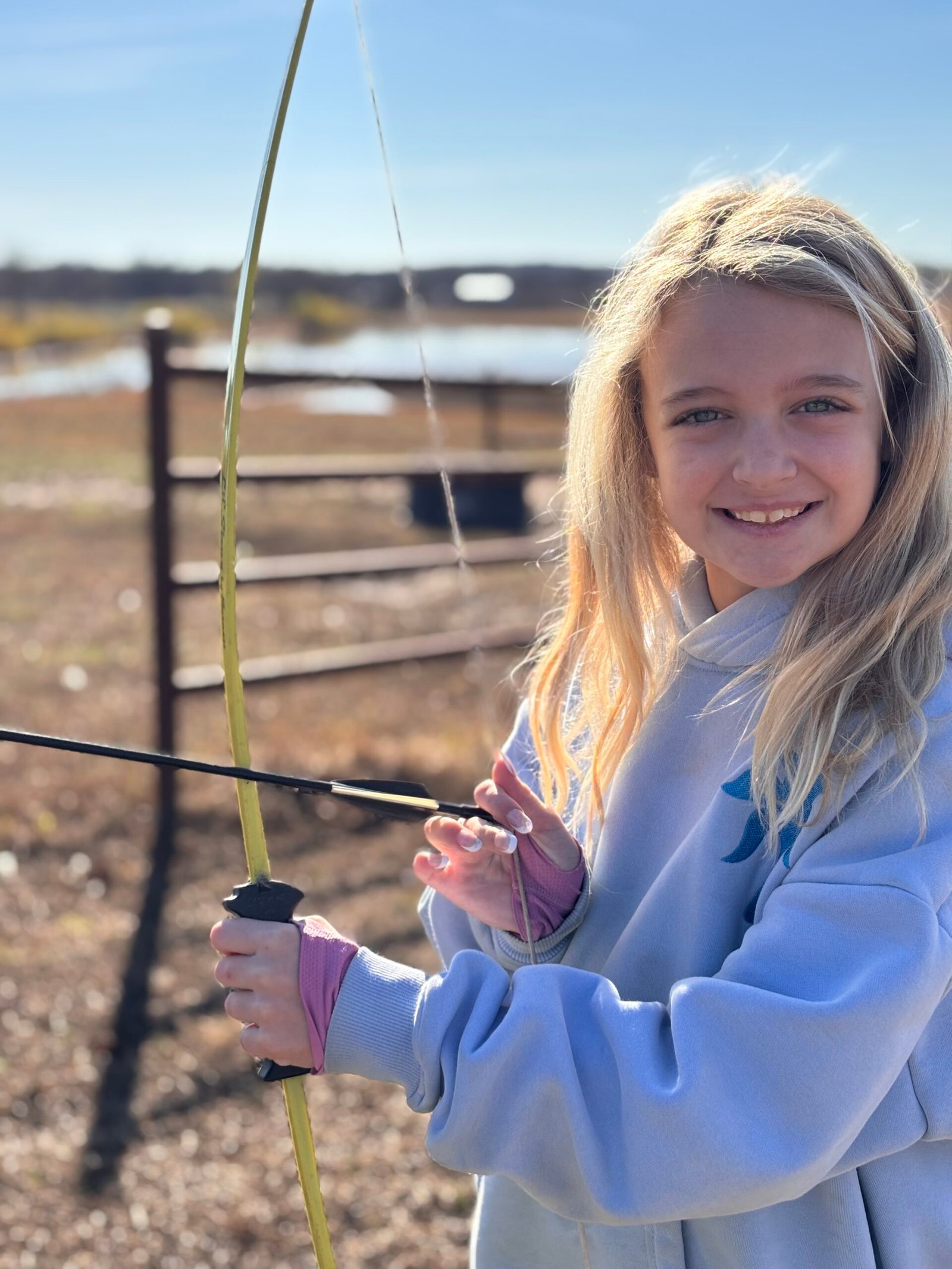
There’s a moment every parent or mentor remembers. The first time a kid walks into the woods with you. Maybe they’re excited. Maybe they’re quiet. Maybe they’re asking a hundred questions… or none at all.
And you’re standing there thinking:
“Okay… I want to do this right.”
Not perfectly. Just right. Because introducing a kid to hunting isn’t just about the hunt. It’s about how they feel while they’re there. And that part matters more than most people realize.
What Youth Hunting Actually Is (It’s Not What Most People Think)
A lot of people assume youth hunting is about:
• getting a kid their first deer
• teaching them how to shoot
• helping them “be successful” quickly
And sure…those things can be part of it. But if that’s the only focus, it usually misses the point.
Because what actually sticks with kids is:
• how comfortable they felt
• whether they felt included
• whether they understood what was happening
• whether they want to go again
That last one matters the most. You’re not building a moment. You’re building a relationship with the outdoors.
Start With Readiness (Not Age)
One of the most common questions is:
“How old should a kid be to start hunting?”
There’s no clean answer.
Some kids are ready early.
Some need more time.
It’s less about age, and more about:
• attention span
• emotional readiness
• ability to follow direction
• genuine interest
If they’re not ready, forcing it usually backfires. If they are ready, you’ll feel it. And honestly… so will they.
Keep the First Experiences Simple
This is where a lot of well-meaning adults overdo it. They want the experience to be perfect.
So they plan:
• long sits
• complicated setups
• big expectations
And the kid ends up overwhelmed or uncomfortable (or adult…that was me!). You don’t need that.
Start with:
• shorter hunts
• easy access locations
• comfortable setups
• low-pressure expectations
The goal isn’t to prove anything. It’s to make the experience feel doable.
Don’t Make the Hunt About the Kill
This one matters more than people want to admit. If everything revolves around “getting a deer,” kids pick up on that pressure immediately. And if it doesn’t happen?
They feel like they failed. That’s not what you want tied to their first experience.
Instead, focus on:
• what they’re seeing
• what they’re learning
• what’s happening around them
Because if they enjoy being out there…
They’ll want to come back. And that’s where everything else builds from.
Teach as You Go (Not All at Once)
It’s tempting to explain everything. Every rule. Every concept. Every “this is what you need to know.” I had so many questions at the beginning… and honestly… it was overwhelming!
But that’s not how kids (or adults) learn best out there. Too much information turns into noise.
Instead:
• explain things as they come up
• keep it simple
• let them ask questions
You don’t need to front-load everything. You just need to guide them through what’s happening in the moment.
Let Them Be Part of It
Kids don’t want to just watch. They want to participate. Even in small ways.
Let them:
• carry something
• help set up
• look for tracks or sign
• be involved in decisions (when appropriate)
That ownership matters. It turns the experience from something they’re observing into something they’re part of.
Be Honest About the Hard Parts
This is one people tend to avoid. But it’s important.
Talk through:
• what happens after the shot
• what recovery looks like
• what field dressing involves
Not in a dramatic way. Just honestly. Because the reality of hunting can feel different than what they expect.
And it’s better to prepare them than to surprise them.
Safety Is Non-Negotiable
This isn’t the part to “figure out as you go.”
Kids need clear, consistent expectations around safety from the beginning.
That includes:
• firearm handling
• awareness of surroundings
• listening and responding to direction
And it needs to be reinforced every time, not just once. If you want a full breakdown of how to approach this clearly and confidently, read:
➡️ Kids’ Hunter Safety: Vital Guidelines
Gear Should Support the Experience (Not Complicate It)
Kids don’t need a full setup. Camo definitely makes them feel “part of the action,” but some brown pants and shirt, do the job, too.
They need gear that:
• fits properly
• keeps them comfortable (and warm!)
• is simple to use
Too much gear creates frustration. And frustration ends hunts early. Focus on the basics first.
If you want a clear list of what actually matters (and what doesn’t), see:
➡️ Youth Hunting Gear: Essentials for Young Hunters
Mentorship Matters More Than You Think
Whether it’s a parent, family member, or mentor who introduces a kid to hunting matters. Because kids aren’t just learning skills.
They’re learning:
• how to behave in the outdoors
• how to handle new situations
• how to respond when things don’t go as planned
That example sticks.
If you’re guiding a new hunter, this is worth reading:
➡️ How to Mentor New Hunters: A Practical Guide to Teaching Hunting the Right Way
Set Expectations (Yours and Theirs)
A successful youth hunt doesn’t always look like what people expect.
Sometimes it looks like:
• leaving early because they’re tired (or they need to poop… yes… that’s the truth)
• spending more time talking than hunting
• seeing nothing—and still calling it a good day
That’s normal. Actually, that’s part of it. If your expectations are realistic, the experience stays positive. If they’re not… kids feel it.
What to Do (and What Not to Do)
There are a few patterns that show up over and over again. Things that help, and things that quietly push kids away from hunting.
If you want a clear breakdown of both, read:
➡️ Youth Hunters: The Do’s and Don’ts
Confidence Builds Outside the Hunt Too
Not everything has to happen in the woods.
A lot of confidence comes from what happens before:
• shooting practice
• handling equipment
• learning basics at home
Small wins build comfort. And comfort builds confidence.
If you want a few ideas to support that outside of the hunt itself:
➡️ Best First Hunt & Outdoor Confidence Gifts for Kids
Final Thoughts
Introducing a kid to hunting isn’t about doing everything right. It’s about creating an experience they want to return to.
Keep it simple.
Keep it steady.
Pay attention to how they’re feeling—not just what’s happening.
Because if they leave the woods thinking:
“I want to do that again…”
You did it right.
If You’re Getting Ready for a First Hunt Together
If you want a simple way to walk through preparation—without overwhelming them or yourself—the First Hunt Field Guide helps lay it out clearly.
It’s built for that first season when everything is new… and you just want to feel ready enough.
4 thoughts on “Youth Hunting Guide for Families”