If you’re thinking about hunting your first deer, you’re probably asking the same questions most beginners do:
- What do I actually need?
- How do I know where to go?
- What happens when a deer shows up?
- Am I even ready for this?
The problem isn’t a lack of information. It’s that most of it makes hunting feel more complicated than it actually is. The truth is… deer hunting for beginners does not need to be overwhelming.
You don’t need years of experience. You don’t need perfect conditions. You don’t need to feel fully confident. You need a simple understanding of what matters and the ability to stay when it gets uncomfortable.
This guide will walk you through:
- the part no one really talks about
- how to start deer hunting
- what you actually need (and what you don’t)
- how deer move
- where to hunt
- what happens during and after the shot
Why Deer Hunting Is the Best Entry Into Hunting
Most beginners expect something faster.
More action.
More certainty.
More control.
But a typical hunt looks like this:
- You walk in before daylight
- You sit longer than you planned
- You question everything
- You wait
Sometimes deer show up. Sometimes they don’t. That’s normal.
This is where most people struggle, not because hunting is complicated, but because it’s slower and quieter than they expected. If you can understand that early, everything else gets easier.
How to Start Deer Hunting
1. Get Legal First
Before anything else:
- purchase your hunting license
- understand your state regulations
- know your season dates
This isn’t optional—it’s foundational.
2. Choose Your Weapon
You don’t need to overthink this.
Start with:
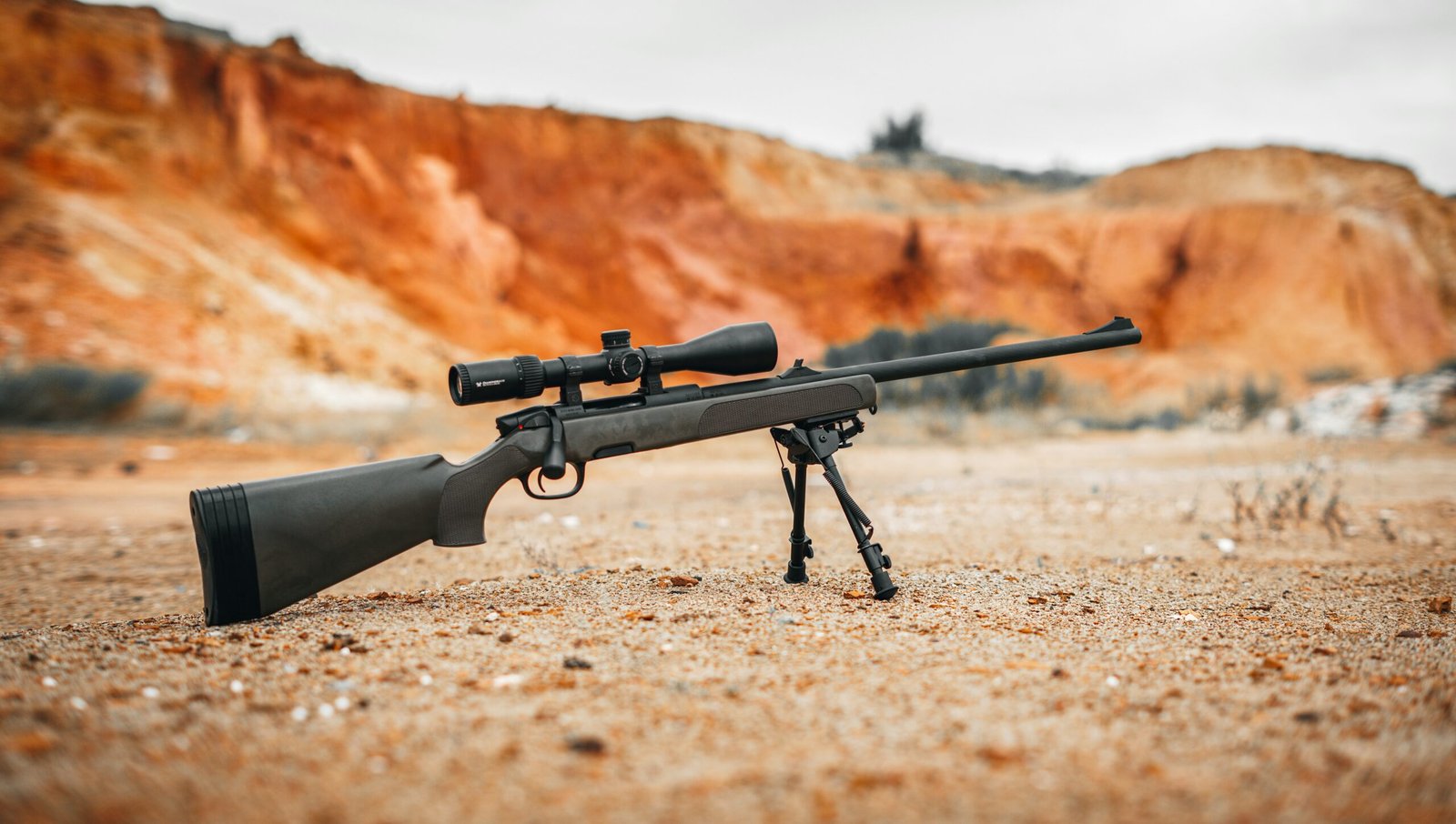
- rifle (most beginner-friendly)
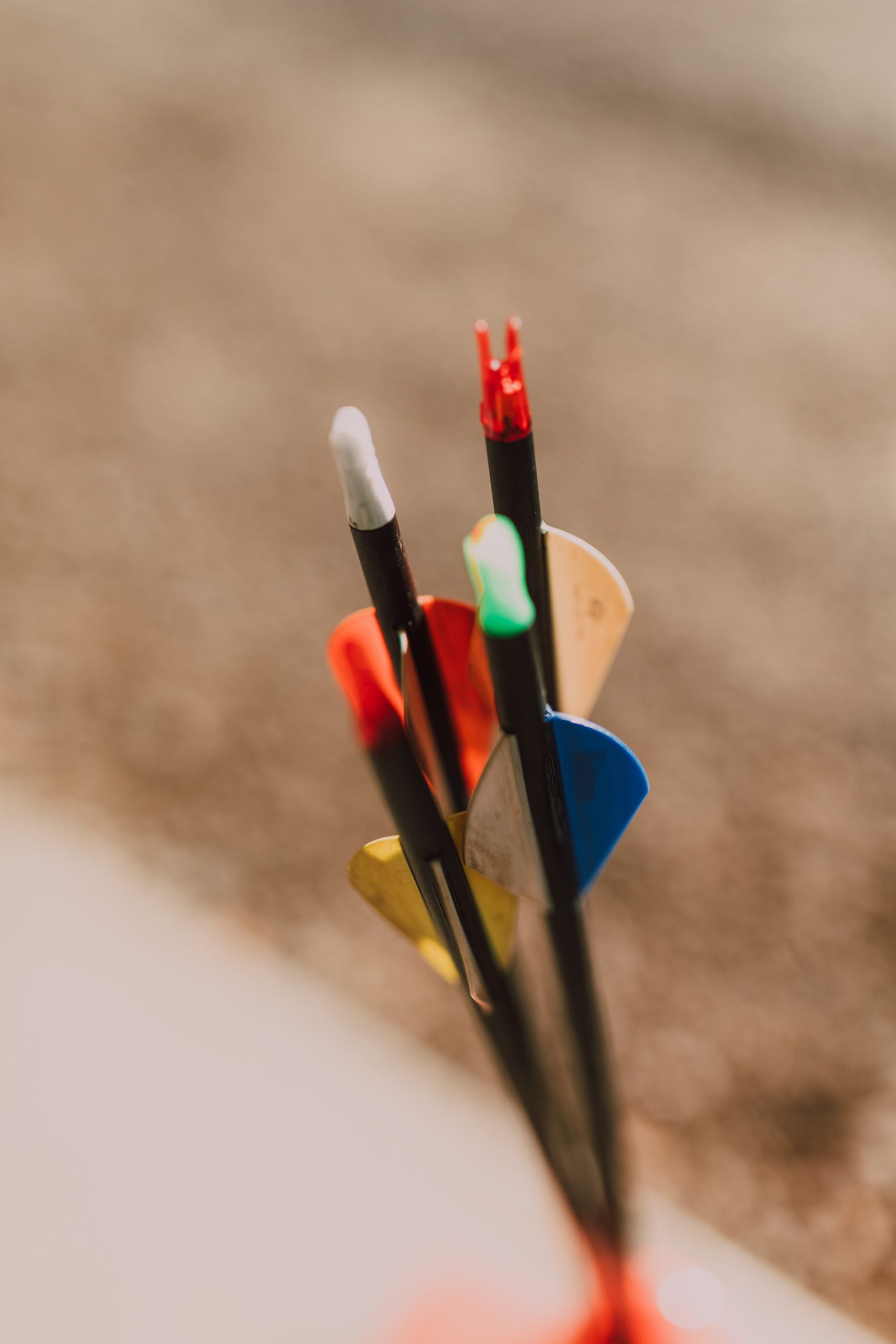
- or bow (if you’re committed to learning it properly)
What matters most is:
👉 confidence with your weapon
👉 ethical shot placement
3. Practice More Than You Think
Most beginners under-practice.
You should:
- shoot consistently before season
- know your effective range
- be comfortable under pressure
Because when a deer shows up, your body won’t feel calm.
4. Find a Place to Hunt
You have two main options:
Public Land
- accessible
- requires more scouting
- more pressure from other hunters
Private Land
- more controlled
- often more consistent
- requires permission or lease
Look for:
- edges of fields
- transition zones
- trails
- food sources
These are natural movement areas for deer.
5. Keep It Simple
This is where most beginners go wrong.
They try to optimize everything.
Instead:
👉 pick a good spot
👉 sit still
👉 pay attention
That alone will put you ahead of most new hunters.
→ Deer Hunting for Beginners: Everything You Need to Know Before Your First Hunt
Beginner Deer Hunting Gear
Many beginners believe they need a large collection of specialized gear before hunting. The truth is much simpler.
A basic deer hunting setup includes:
- rifle or bow suitable for deer
- ammunition or arrows
- blaze orange vest or hat
- weather-appropriate clothing
- waterproof hunting boots
- hunting license
- knife for field dressing
- headlamp
These basics allow beginners to focus on learning the fundamentals.
For a detailed breakdown of beginner gear—including budget options and common mistakes—see our guide:
→ Beginner Deer Hunting Gear Checklist
Understanding Deer Behavior
Before learning advanced hunting techniques, beginners should understand how deer move through their environment.
Deer behavior revolves around three basic needs.
Food
Deer feed frequently, especially during early morning and evening.
Common food sources include:
- acorns
- agricultural crops
- browse like leaves and shrubs
- food plots
Water
Deer drink regularly and often remain near water sources such as creeks and ponds.
Security
Deer prefer areas where they feel safe.
These areas often include:
- thick brush
- bedding cover
- timber edges
Recognizing these patterns helps hunters predict where deer are likely to travel.
Choosing Where to Hunt Deer
One of the most common beginner questions is:
Where should I sit?
Successful hunting locations usually include natural travel routes.
Field Edges
Deer frequently move along the edge of woods and fields.
Travel Corridors
These are trails connecting bedding areas and food sources.
Funnels
Funnels are narrow areas that naturally guide deer movement.
Examples include:
- creek crossings
- ridgelines
- narrow timber strips
Hunting these areas increases the chances of encountering deer.
Tree Stand Hunting vs Ground Hunting
There are several ways to hunt deer, but two of the most common methods are tree stand hunting and ground hunting.
Tree Stand Hunting
Tree stands place hunters above the ground, which often improves visibility and scent control.
However, tree stands require strict safety practices, including wearing a safety harness.
Ground Hunting
Ground hunting involves sitting against natural cover or using a ground blind.
Many beginners prefer this method because it avoids climbing and feels less intimidating.
Both approaches can be effective depending on terrain and hunting pressure.
Shot Placement Basics
One of the most important skills in hunting is proper shot placement.
Ethical hunters strive for a quick and humane harvest.
The most recommended shot for beginners is the broadside shot.
When a deer stands sideways, the heart and lungs sit just behind the front shoulder.
A well-placed shot in this area results in:
- rapid blood loss
- short tracking distances
- humane harvest
For a detailed visual guide explaining where to aim and which shots to avoid, see:
What to Expect on Your First Deer Hunt
Your first hunt may feel very different from what you imagine. Movies often show dramatic moments and constant action. In reality, hunting is often quiet.
A typical hunt might involve:
- walking into the woods before sunrise
- listening as the forest wakes up
- watching birds and squirrels move through the trees
- waiting patiently
Sometimes deer appear unexpectedly. Other times the woods remain quiet all morning. Both experiences are part of hunting.
→ First Deer Hunt: 5 Things Every Beginner Should Know
Beginner Hunting Mistakes to Avoid
Every hunter makes mistakes while learning. But some beginner mistakes are so common that understanding them early can save years of frustration.
These include:
- bringing too much gear
- ignoring wind direction
- moving too frequently
- rushing shots
- misunderstanding deer behavior
To learn how to avoid these mistakes and improve your success in the field, see:
→ 9 Beginner Hunting Mistakes (And How to Avoid Them)
Hunting Safety for Beginners
Safety should always be the first priority in the field.
Responsible hunters follow a few simple safety habits:
- always control the muzzle direction
- treat every firearm as loaded
- identify your target and what lies beyond it
- wear blaze orange when required
Tree stand safety, navigation preparation, and first aid knowledge are also important.
For a full breakdown of hunting safety practices, see:
→ Hunting Safety: Essential Tips and First Aid for Hunters
After the Shot: Tracking and Recovery
When a deer is shot, it may not drop immediately. Often, the deer will run a short distance before lying down. Experienced hunters typically wait 20–30 minutes before tracking.
Tracking involves following signs such as:
- blood droplets
- disturbed leaves
- broken vegetation
Patience during this process greatly improves recovery success.
→ How to Track a Deer After the Shot: A Beginner’s Guide to Blood Trailing and Recovery
Field Dressing and Processing
After recovering a deer, hunters must field dress the animal to cool the meat.
This process involves:
- opening the abdominal cavity
- removing internal organs
- allowing the body cavity to cool
Many beginners learn this process with the help of experienced hunters or instructional videos.
Processing venison is one of the most rewarding parts of hunting.
→ Field Dressing Guide: Essential Steps for Hunters
Preparing for Your First Deer Season
Preparation builds confidence.
Before opening day, focus on:
- practicing with your equipment
- scouting hunting areas
- reviewing hunting regulations
- preparing essential gear
Many new hunters also benefit from structured preparation guides.
The Miss Pursuit First Hunt Field Guide walks through gear, mindset, and expectations for your first hunting season.
Final Thoughts
Every experienced hunter remembers their first season.
The quiet mornings.
The nerves.
The moment a deer steps into view.
Deer hunting isn’t just about harvesting an animal. It’s about learning patience, responsibility, and respect for wildlife. Your first hunt is simply the beginning of that journey.
Frequently Asked Questions
How do beginners start deer hunting?
Beginners should start by completing hunter education, practicing with their equipment, scouting hunting areas, and learning deer behavior.
What gear do beginner deer hunters need?
Basic gear includes a rifle or bow, ammunition or arrows, blaze orange clothing, boots, a knife, and a hunting license.
When is the best time to hunt deer?
Deer are most active during early morning and evening when they move between feeding and bedding areas.
Is deer hunting difficult for beginners?
Deer hunting has a learning curve, but beginners can succeed by focusing on preparation, patience, and understanding deer movement.
5 thoughts on “The Ultimate Beginner Deer Hunting Guide: How to Start Hunting Deer”