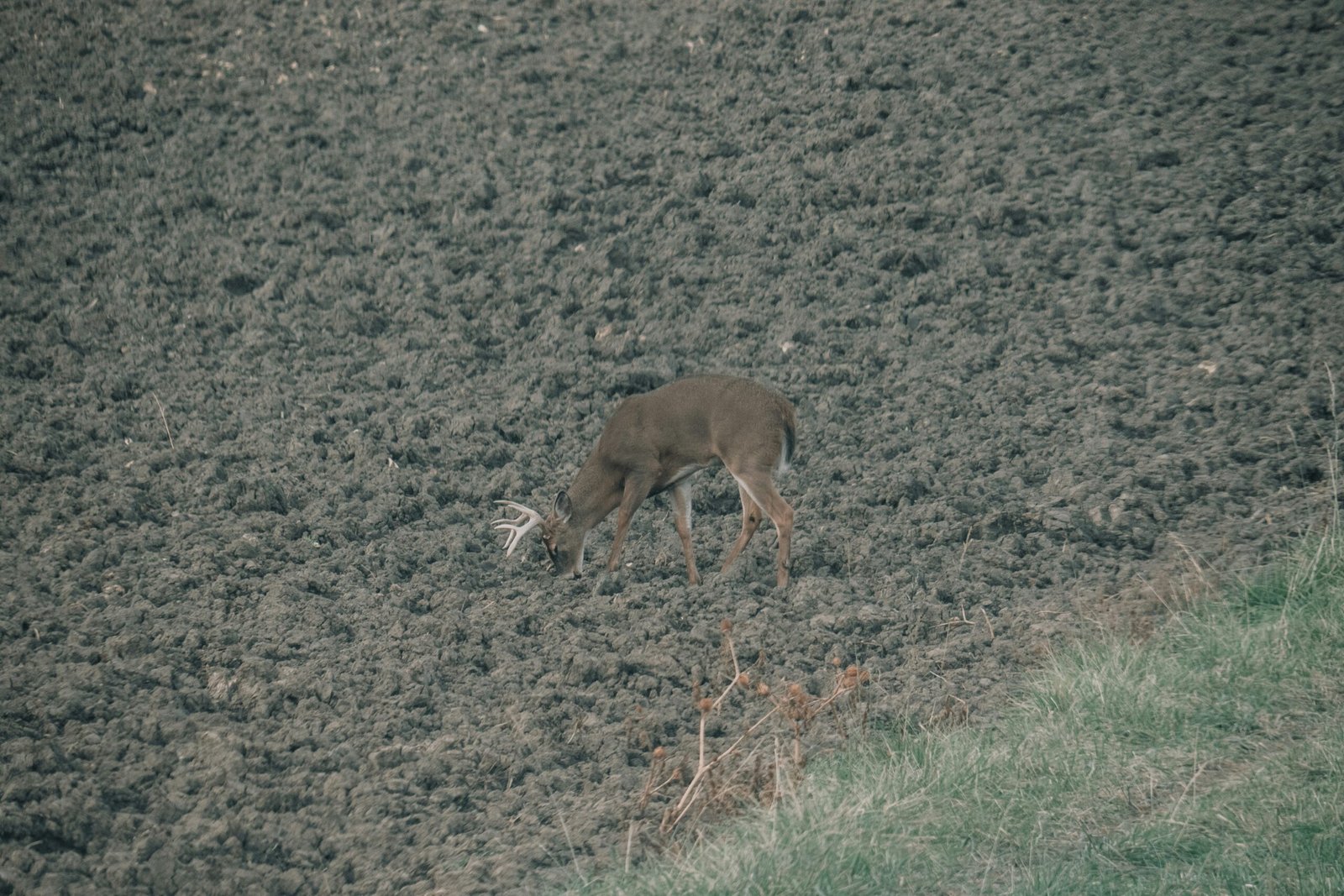
Public land hunting has a reputation.
Crowded parking lots.
Orange hats everywhere.
Pressure pushing deer deep into cover.
But here’s the truth most hunters eventually learn:
Public land often holds some of the smartest — and biggest — deer around.
They survive by adapting. They avoid obvious spots. They learn human patterns quickly. That means success on public land rarely comes from luck. It comes from scouting smarter than the average hunter.
Once you understand how deer respond to pressure and how to locate overlooked habitat, public land becomes far less intimidating and far more productive.
This guide will walk through how to scout public land for deer step-by-step, from digital scouting to boots-on-the-ground sign reading.
Why Public Land Deer Behave Differently
Before scouting public land, it helps to understand how pressure changes deer behavior.
Deer on heavily hunted land tend to:
• Move more at night
• Bed in thicker, harder-to-reach cover
• Avoid obvious trails and field edges
• Travel through terrain that discourages hunters
Because of this, many hunters accidentally hunt where deer used to be, not where they currently are.
Public land scouting focuses on finding the places most hunters ignore. Those spots are where deer feel safest.
Step 1: Start With Digital Scouting
The most efficient public land scouting begins before you ever step into the woods. Digital maps allow you to analyze terrain and identify areas that naturally attract deer.
Tools like:
• OnX Hunt
• HuntStand
• Google Earth
• State wildlife maps
These tools reveal patterns that are easy to miss from the ground.
Look for:
Terrain Features Deer Prefer
Certain terrain consistently concentrates deer movement.
Focus on:
• Ridges and ridge points
• Saddles between hills
• Creek crossings
• Inside corners of fields
• Benches on hillsides
These natural funnels guide deer travel through predictable paths.
When scouting public land, terrain features become even more important because pressure pushes deer toward thicker, less accessible terrain.
Step 2: Identify Areas Most Hunters Avoid
One of the best strategies for public land deer scouting is simple: Go where others won’t.
Most hunters prefer easy access.
They typically stay:
• Within half a mile of parking areas
• Near well-established trails
• Close to obvious food sources
Because of this, deer often relocate to places like:
• Thick swamps
• Steep ridges
• Remote corners of public parcels
• Dense bedding cover far from trails
If an area requires extra effort to reach, it often receives far less hunting pressure. That’s exactly where mature deer feel comfortable.
Shed Hunting: Tips and Tricks for a More Successful Hunt
Step 3: Look for Bedding Cover
Finding bedding areas is one of the most valuable public land scouting skills.
Deer beds are usually located in places that provide:
• Security
• Visibility
• Wind advantage
Common bedding areas include:
Thick Cover
Examples include:
• Briar patches
• Young clearcuts
• Dense cedar stands
• Overgrown logging areas
These locations provide concealment and safety.
Elevated Terrain
Many bucks prefer bedding on elevated ground like:
• Ridge points
• Hillsides
• Benches
From these positions, deer can see downhill while scent-checking the wind behind them. That combination helps them detect predators early.
Step 4: Find Fresh Sign
Boots-on-the-ground scouting confirms whether deer are currently using an area.
Look for fresh deer sign such as:
Tracks
Tracks reveal travel routes and crossing points.
In soft soil or mud, you may notice:
• Larger buck tracks
• Multiple deer using the same trail
• Direction of travel
Droppings
Fresh droppings indicate recent feeding activity.
Moist, dark pellets typically mean deer were there within the last 12–24 hours.
Rubs
Bucks rub trees to remove velvet and mark territory.
Clusters of rubs often indicate:
• Travel corridors
• Core buck areas
• Pre-rut activity
Scrapes
Scrapes are patches of disturbed soil under low-hanging branches.
Bucks revisit active scrapes repeatedly during the rut.
Step 5: Locate Travel Corridors
Once you locate bedding areas and food sources, the next step is identifying how deer travel between them. These routes are called travel corridors.
Common corridors include:
• Saddles between hills
• Ridge tops
• Creek bottoms
• Field edges near cover
Deer prefer routes that allow them to move while staying hidden. Look for well-worn trails connecting bedding and feeding areas. These spots often become excellent stand locations.
Step 6: Scout During the Offseason
Some of the best public land scouting happens after hunting season ends.
Late winter and early spring make sign easier to see because:
• Vegetation is thinner
• Leaves are gone
• Rub lines remain visible
During offseason scouting you can:
• Locate old rub lines
• Identify bedding areas
• Find hidden travel corridors
• Hang trail cameras
The information you gather months before season often leads to your best hunting spots later.
Step 7: Understand Hunting Pressure
Public land deer adapt quickly to human activity.
Pay attention to signs of hunter pressure such as:
• Tree stands
• Boot tracks
• Flagging tape
• ATV trails
If you notice heavy pressure in one area, deer may relocate nearby. Often, the best strategy is simply moving deeper or hunting overlooked terrain. Even a small shift — a few hundred yards — can place you where deer feel far less pressured.
Common Public Land Scouting Mistakes
Many hunters struggle on public land because of a few common mistakes.
Hunting Too Close to Access Points
Parking areas are convenient for hunters — but deer learn to avoid them.
Ignoring Thick Cover
Many hunters prefer open woods where visibility is easier. But deer often hide in the thickest areas available.
Scouting Only During Hunting Season
Waiting until opening day to scout puts you at a disadvantage.
Serious public land hunters gather information months in advance.
The Mindset That Makes Public Land Hunting Work
Public land rewards patience and persistence. You may scout several locations before finding consistent deer activity. But once you identify a productive area, the payoff can be incredible.
Many experienced hunters actually prefer public land because:
• Deer behave more naturally
• Pressure creates predictable movement
• Big bucks still exist in overlooked pockets
Success often comes down to scouting more thoroughly than the average hunter.
Final Thoughts on Public Land Deer Scouting
Learning how to scout public land for deer takes time, observation, and effort. But once you understand how deer respond to pressure — and how terrain funnels their movement — the woods start to reveal patterns.
Instead of wandering randomly through public land, you begin to recognize:
• Bedding areas
• Travel routes
• Feeding zones
• Hidden pockets other hunters overlook
Those insights turn vast public land into a series of huntable opportunities. And for many hunters, that challenge is exactly what makes the pursuit so rewarding.



10 thoughts on “Public Land Scouting for Deer: How to Find Mature Bucks Without Private Land”