There’s an experience that every hunter will go through at some point. You’ve spent two hours scanning the ridge line. Your feet are numb, cold, or otherwise in a state of philosophical reflection…and then the deer suddenly appears.
The shot you were waiting for all season. Your heart starts beating like a jackrabbit, your breathing causes fog to appear on the lens of the scope, and you’ll probably have about four seconds to get the job done.
The Myth of the “Natural” Shooter
Hunters have a tendency to speak about “natural” shooters as if they came into this world with a firearm in one hand and a rangefinder in the other.
But here’s the truth: hunters who consistently harvest animals do not get blessed by a shooting god. Hunters that consistently harvest animals simply work harder (and smarter) than most others.
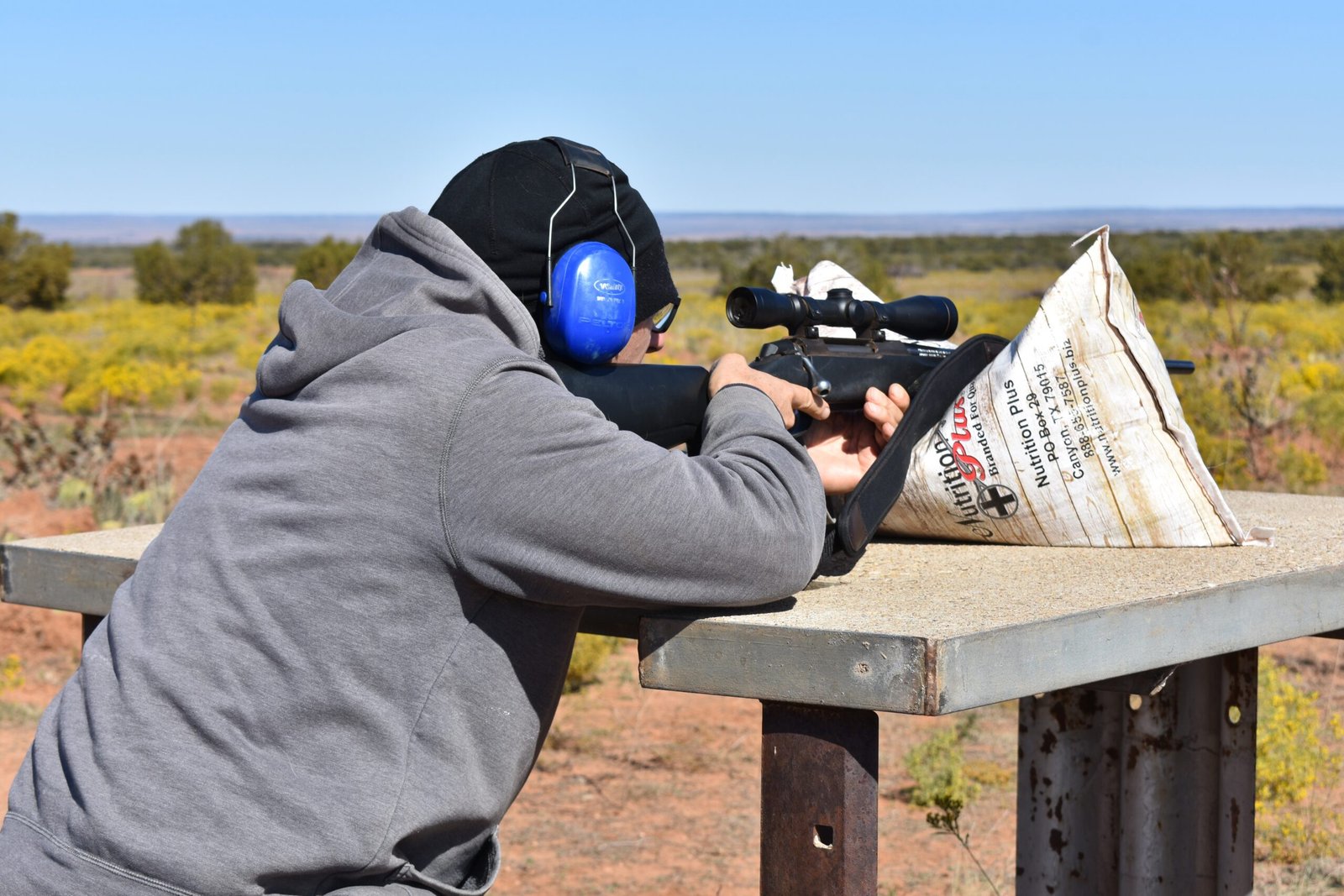
And the typical place they start working hard, honestly, is at a boring spot: a flat area of ground with paper targets and a notebook is a common places that quietly build champions.
The Off-Season Is the Real Season
Here’s something that took some of us way too long to figure out. The season doesn’t actually start when the leaves turn or when the alarm goes off at 4 a.m. on opening day. It starts in March. It starts in July. It starts whenever you decide that this year is going to be different.
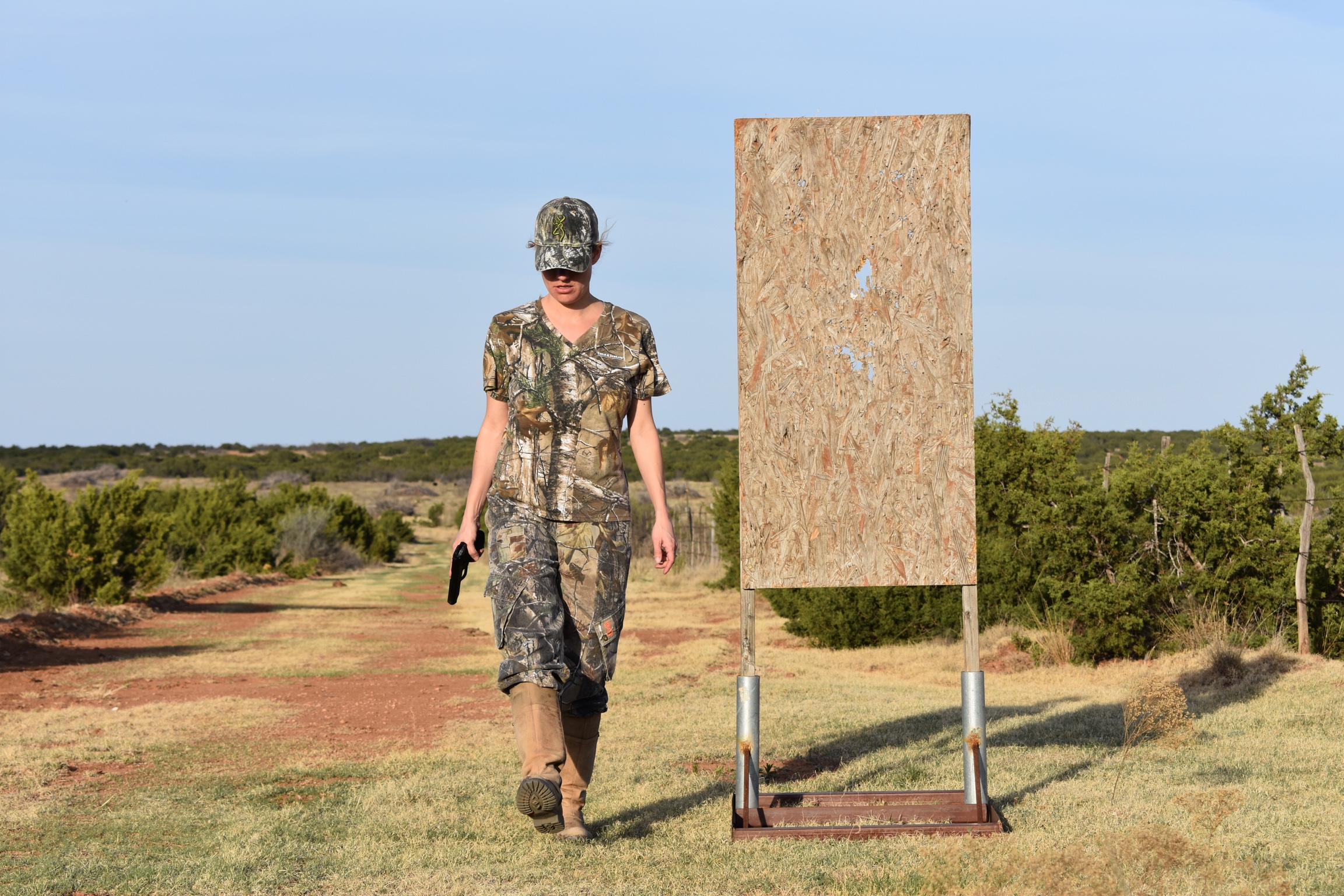
Spending time going to the range regularly is the single biggest predictor of whether a hunter will make a clean, ethical shot when it matters. Not the rifle. Not the optics. Not the camo pattern with the fancy name. Just trigger time, and specifically, lots and lots of trigger time, and with feedback you can actually see and measure.
The hunters who treat range days like a chore tend to also be the ones telling stories about the one that got away.
Coincidence? Probably not.
Choosing the Right Tools (Without Losing Your Mind)
Enter into almost any conversation about rifles that are used for hunting, and within approximately ninety seconds you’ll hear that your rifle configuration is the only right way of configuring a rifle on this earth. I am tired of hearing it. I don’t believe it is necessary either.
There has never been a better time to be a hunter with regard to choosing your gear. There are so many choices available now; the quality floor has raised significantly. In fact, even lower cost rifles today shoot as well or better than top end guns were shooting twenty years ago.
Where to Actually Start Looking
For a lot of folks, the local gun shop experience can feel a little intimidating. Maybe the inventory is limited. Maybe the guy behind the counter assumes you don’t know a bolt action from a butter knife. Either way, it’s not always the warm welcome a new or returning hunter is hoping for.
This is part of why buying guns online has become such a popular route. You get time to research, compare, read reviews from actual owners, and make a decision without anyone breathing down your neck or trying to upsell you on accessories you don’t need. The selection alone is worth the price of admission, and for hunters in rural areas, it’s often the only practical option.
Just remember the basics. Make sure your purchase goes through a licensed dealer for transfer, know your state’s laws inside and out, and don’t buy a rifle based purely on what looks cool.
Function over fashion…every single time.
The Caliber Conversation Nobody Wants to Have
A well placed .243 shot will harvest a whitetail faster than a poorly placed .300 Win Mag shot.
The fixation of larger calibers has resulted in more wounded deer than they have prevented.
Pick a caliber you are capable of shooting accurately from all the different shooting positions you will encounter, and where you are able to handle the recoil so as not to flinch when the gun goes off.
Squeezing Every Bit of Performance From Your Rifle
Once you’ve got a rifle you trust, there’s a whole world of tweaks and upgrades that can transform an already-good gun into something special. Some of it is marketing nonsense. Some of it is genuinely transformative.
Why Barrel Porting Deserves a Second Look
Recoil management is one of those things that sounds like a soft topic until you’ve spent a whole afternoon on a bench and your shoulder feels like someone took a hammer to it.
By the time you’re loading your fourth box of ammo, your groups have opened up, you’re anticipating the kick, and you’re basically training yourself to flinch.
Adding a ported barrel is one of the most underrated modifications a hunter can make, and especially for those shooting larger calibers or hunting in situations where a quick follow-up shot matters. The reduction in muzzle rise lets you stay on target, watch your hits, and reset faster.
For women hunters and smaller-framed shooters in particular, this kind of modification can completely change the relationship with a rifle that used to be unpleasant to shoot.
It’s not magic. It’s just physics doing the work your shoulder used to do!
When You’re Ready to Level Up Your Skills
There comes a point in every shooter’s journey where the basic fundamentals are solid and they start craving something more. More challenges. More precision. More understanding of what happens between trigger pull and impact.
Beyond the Backyard Bench
Most hunters can plink at a 100-yard target on a calm day. That’s the floor, not the ceiling. Real growth happens when you start putting yourself in uncomfortable situations on purpose. Awkward positions. Wind that won’t behave. Distances that make you actually think about your dope chart instead of just sending it.
For hunters who want to take things seriously, elite tactical training opens up a completely different world. These programs teach you things you didn’t know you didn’t know. Things like reading mirage, accounting for spin drift at long range, understanding how your body’s natural movement affects your shot, and managing your mental state under pressure.
Sure, some of this might seem like overkill for chasing whitetails. But here’s the thing. The skills transfer. A hunter who has trained at a high level shoots better at every distance, in every condition, on every animal. And the fundamentals get burned in so deeply that they show up automatically when the moment counts.
The Real Secret
If there is just one thing to take away from all of this, it is that great hunters are not lucky and they are not special. They simply choose to be consistent. They show up at the range when nobody is watching them. They invest in gear that fits the work. They continue learning long after they think they know everything. And they treat every shot like it matters, because every shot does.
The deer doesn’t care how much your scope cost. The elk doesn’t know about your favorite YouTube hunting channel. All that really matters is whether you put in the time to be ready for the moment when it arrives.
So go put in the time. The season will be here before we know it.