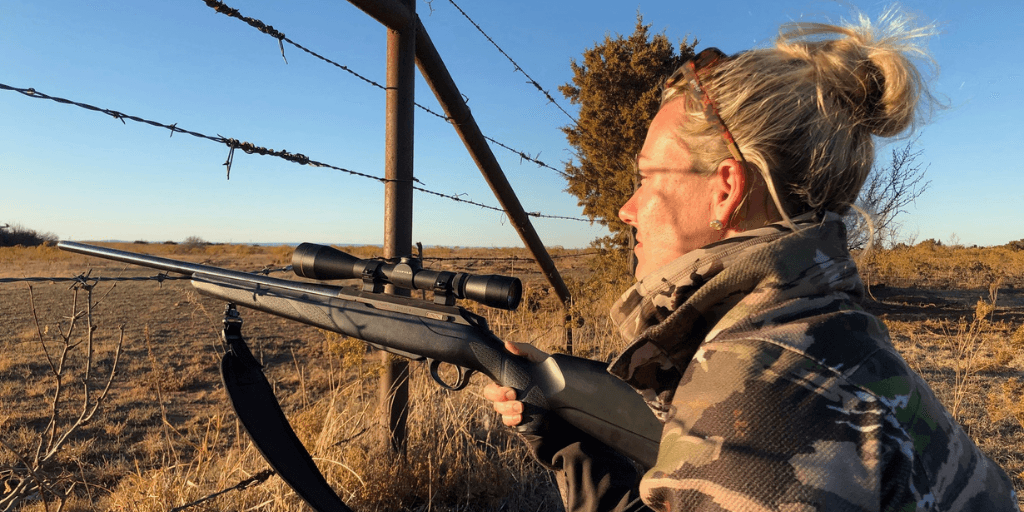
Your first hunt is not just about the romance of being one with nature or testing your skills and endurance, but also a serious challenge that comes with significant responsibility.
Let’s look at the key safety considerations for your first solo hunt and how to prepare yourself and pack the right equipment to reduce unnecessary risks.
Stay Connected Before You Head Out
One of the most important rules for the first solo hunt is to stay connected. Therefore, it’s important to check your mobile connection and device before you head out. If you’re traveling between regions or countries, eSIM Plus can be one option for connecting to a mobile network without having to replace your physical SIM card. This service can help you stay connected, even in remote areas.
In addition, before you leave, you need to check the following:
- Check the coverage. Study the coverage map of your operator or the chosen eSIM service to make sure you’ll have a reliable connection when you need it.
- Download the maps in advance. Make sure the maps are available offline even in airplane mode and without a mobile connection.
- Save important locations. Mark the parking spot, the trailhead, the camp, the nearest road, and other points.
- Fully charge your phone. Disable unnecessary apps and functions.
- Take a backup power source. A power bank can be essential if your return takes longer than expected.
- Think through a backup method of communication. Use a satellite communicator or another emergency communications device.
Please remember to check your phone, maps, chargers, and communication devices while you’re still at home. A few minutes of preparation can save you hours of searching if something goes wrong.
Start With a Solid Hunt Plan
When you’re hunting alone, all decisions — including safety decisions — fall solely on you. Mistakes that can be quickly corrected when you’re with a group can lead to tragic, irreversible consequences when you’re out alone. This information is primarily intended for novice hunters, but experienced hunters may also find something useful here.
1. Know Your Hunting Area
Before heading out, you need to:
- study the area map and mark dangerous zones (swamps, steep slopes, areas with limited connectivity);
- download offline maps of the area to your smartphone;
- check the weather forecast. Sudden rain, fog, or snowfall can disorient you in unfamiliar terrain. A clear understanding of the weather conditions, especially changing conditions throughout the day, willhelp you choose the right equipment for the entire trip;
- identify the habitats of dangerous predators in your hunting area.
2. Share Your Plans With Someone
Be sure to tell your family and responsible friends or hunters from your team exactly where and where you’re going and when you expect to return. Give them the following information:
- the exact route and the key points on it;
- estimated time of return;
- description of equipment and transport;
- the radio channel and communication frequency you’ll be using;
- the contact information for the gamekeeper or local emergency services.
If you don’t check in at the agreed-upon time, the rescuers will at least know roughly where to look. This will save time, which literally equals can literally save your life in an emergency.
Pack Smart for a Solo Hunt
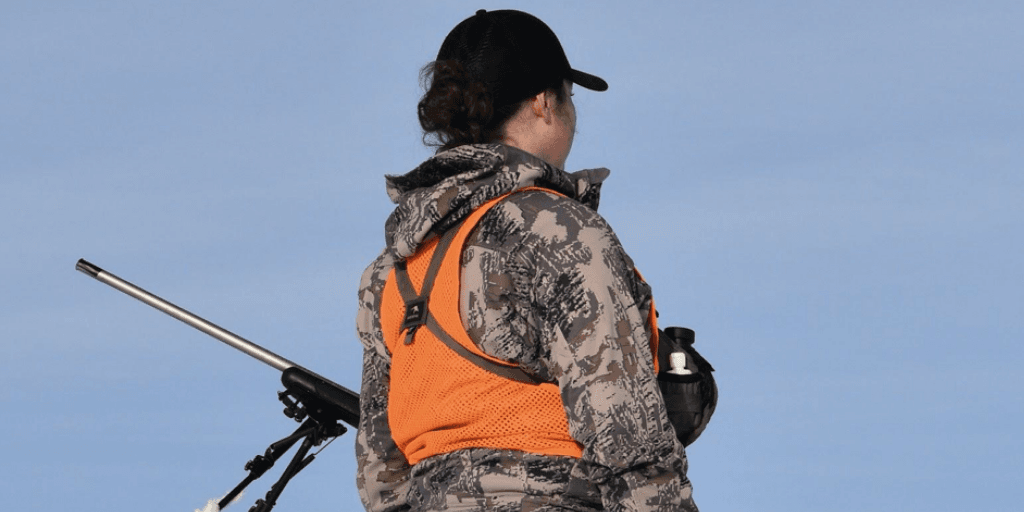
First and foremost, you’ll need a weapon — and it should be clean and in good working order. This is a basic rule. Even if you don’t have time to clean your rifle immediately after a hunt, make sure it is clean and properly maintained before your next outing. A dirty or poorly maintained weapon can fail you at a crucial moment.
The second essential item is a knife. It’s useful not only for field dressing game and preparing food, but also as a survival tool. A good “field knife” is a reliable and versatile tool for a variety of tasks. An axe is appropriate for multi-day trips with overnight stays — but keep in mind that it will add weight to your backpack. However, a small folding saw will have almost no impact on the overall weight of your pack, yet it will allow you to quickly prepare firewood from small fallen trees.
Third, it’s worth carrying self-defense tools. Bear spray or a flare can be useful for this purpose. Don’t rely solely on weapons: killing an animal you are not legally permitted to hunt may constitute poaching — even if you were in a critical situation depending on local laws. Besides, you may not have the appropriate caliber or the appropriate ammunition available to respond quickly and appropriately to a predator threat.
Moreover, bear spray or flares should always be within easy reach, not somewhere buried at the bottom of your backpack.
Prepare for the Unexpected
Don’t neglect a personal first-aid kit! They can help save your life if something goes wrong and the situation quickly gets out of control. A well-prepared emergency kit and at least basic skills in using the items in it will allow you to feel much more confident when you have to rely entirely on yourself.
What every solo hunter should carry:
- First-aid kit. Always carry a basic first-aid kit and make sure you know how to use it.
- Fire starter. It can be essential for starting a fire quickly and reliably for warmth, drying, or protection from predators.
- Emergency blanket. Don’t neglect this item! Many people consider it little more than a novelty until they discover how well it retains body heat while waiting for a fire to catch and trying to dry wet clothes.
- Water and food supply. Enough food for at least 24 hours. Don’t take heavy canned goods, fresh meat, or your your favorite sausages with you. For food on a hiking trip into the wilderness, it’s better to use pre-portioned freeze-dried meals. They provide a good balance of protein, fat, and carbohydrates. If you avoid the cheapest options, you can get meals that are surprisingly good in taste.
Conclusion
Don’t forget about other safety precautions. Keep all important documents in one place, know the basics of first aid, and be familiar with how to respond in emergency situations. This will help you respond quickly and effectively if necessary.