Nobody hands you this when you buy your first hunting license. You pay the fee, you get your tag, and that’s it, but nobody mentions that you just became part of one of the largest wildlife funding systems in the country, or that every box of ammo you bought to sight in your rifle was already quietly taxed to pay for it.
The Part That’s Not on the Receipt
Every time you buy a firearm, ammunition, or archery equipment, the manufacturer pays a federal excise tax. It’s 11% on rifles, shotguns, ammo, and archery gear, and 10% on handguns. That money doesn’t go into general government funds. By law, it goes into a dedicated account called the Wildlife Restoration Trust Fund, created by the Pittman-Robertson Act back in 1937, and is distributed to state wildlife agencies.
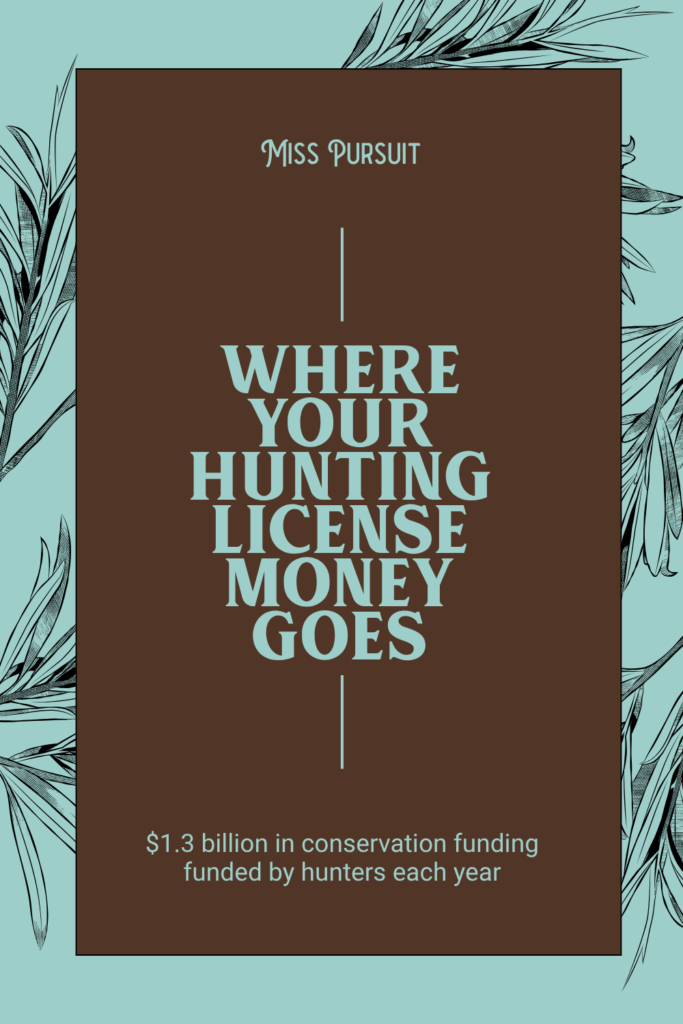
In 2025, that added up to about $1.3 billion sent to state and territorial wildlife agencies nationally. In 2024, it was just under a billion. This isn’t a one-time grant or a PR campaign. It’s been running continuously for almost 90 years, funded entirely by hunters and shooters buying gear, without most of them knowing it’s happening.
How Your State Gets Its Share
The formula isn’t random. Each state’s cut is based on two things: the state’s land area and how many paid hunting license holders it has. More licensed hunters and more land means a bigger allocation, which means every license you buy is doing double duty. The fee itself typically funds your state wildlife agency directly (state law requires license revenue to go only to wildlife agency operations, not general funds), and your existence as a licensed hunter is also part of the formula that pulls in the federal excise tax money.
In Texas specifically, Texas Parks and Wildlife uses Pittman-Robertson funding for things like technical guidance to private landowners, who control the vast majority of wildlife habitat in the state, plus the surveys and research that shape hunting regulations, and the operation of wildlife management areas you may have already hunted on without realizing who was funding the upkeep.
What This Actually Pays For, Concretely
This isn’t an abstract “supports conservation” line. Nationally, Pittman-Robertson funds have supported operations at more than 800 public target ranges and helped open over 36 million acres of land to hunting and fishing access. That range you learned to shoot at before your first season, or the WMA you drew a tag for- there’s a real chance excise tax dollars from someone else’s ammo purchase, plus your own license fee, kept it running.
So You Can Actually Answer the “Why Hunt” Question
If you’ve ever gotten the “isn’t hunting bad for animals” question from someone who doesn’t hunt, this is the actual answer, not a vibes-based one: the system is built so that the people using wildlife resources are the ones directly funding their management and habitat. It’s not perfect. The excise tax model does put more funding toward game species than non-game ones, which is a fair criticism, but it’s a real, functioning, nearly century-old mechanism, not a talking point.
You don’t need to memorize the percentages. You just need to know that the license fee and the gear purchase aren’t separate from conservation. They’re the actual mechanism. That’s a very different thing to explain to your family than “I just like being outside,” if that’s the conversation you’re still navigating.
Sources: U.S. Fish & Wildlife Service / Pittman-Robertson Wildlife Restoration Act program data; Texas Parks and Wildlife Department.